Sunday, January 3, 2016: traversing the Drake Passage toward the Antarctic Peninsula
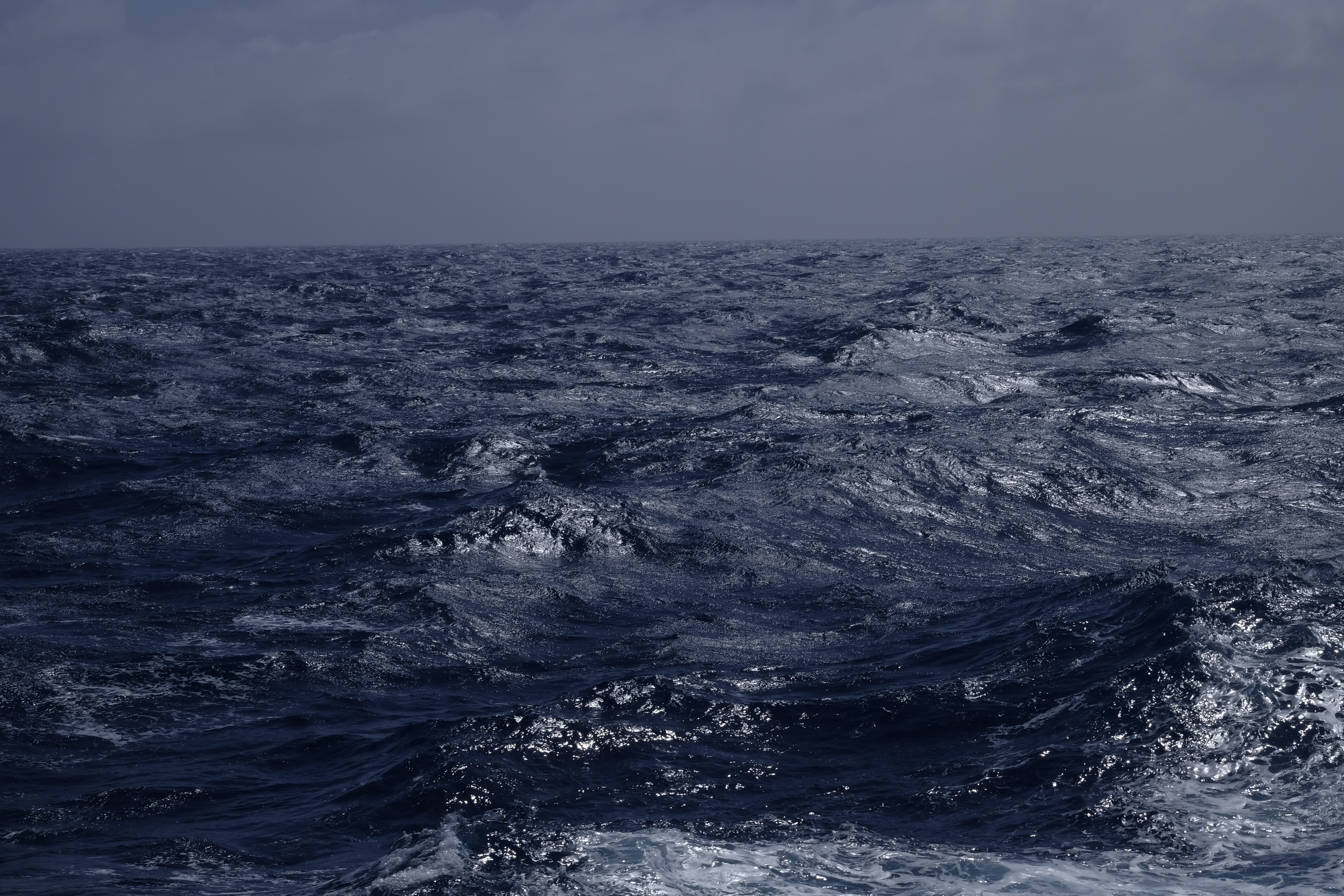
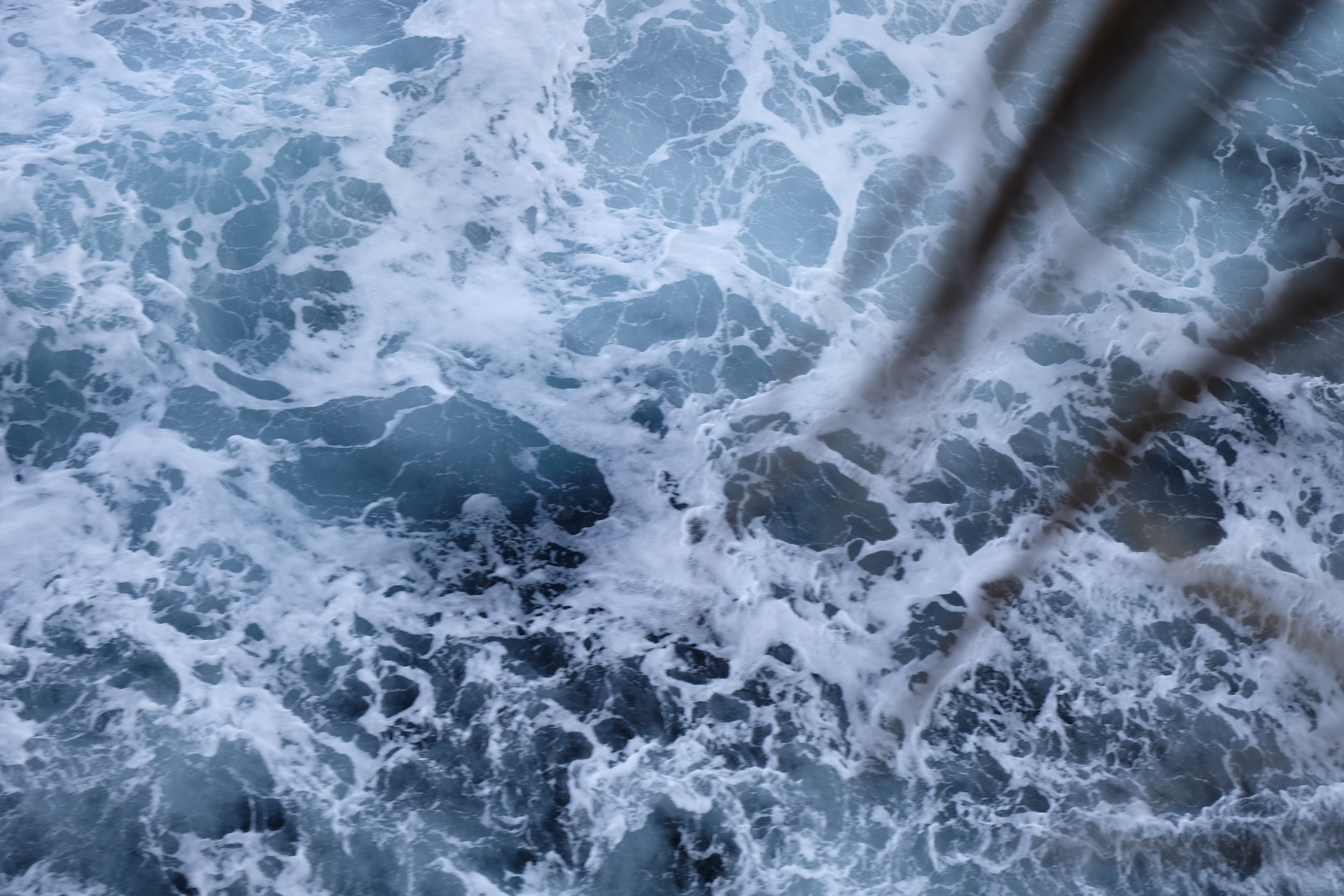
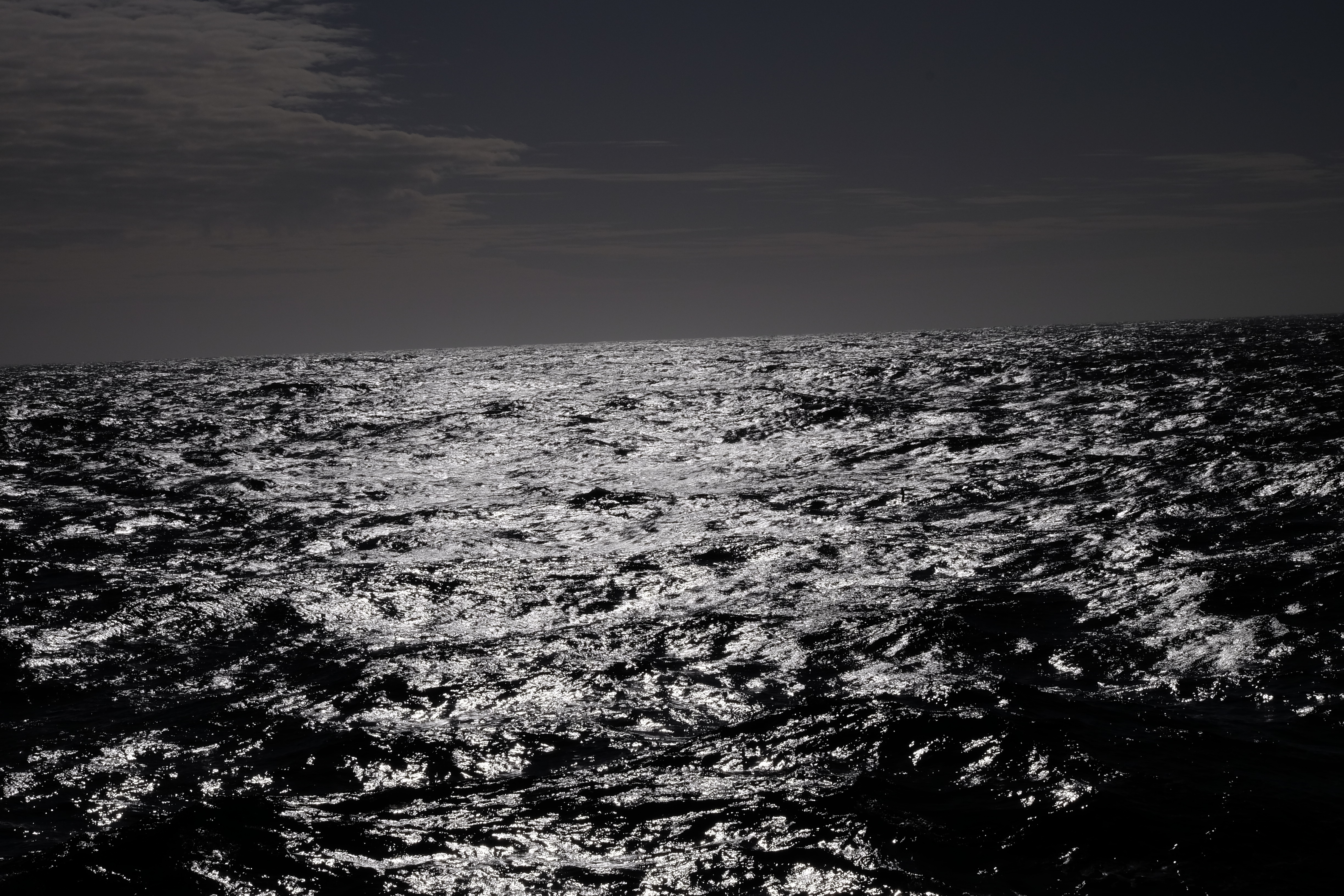
Weather Forecast: Isolated rain showers; temperature approximately 38-40°F; strong winds 25-30 knots
Today, while we are at sea, we learned about where we were going, who will be guiding us and how we should behave in Antarctica.
First we met the expedition team. Collectively they have spent over 200 seasons in the Antarctic. There are several logistics people organizing the daily activities; an earth scientist to teach us about the history of our planet and how landscapes change and evolve through time; several naturalists to teach us about wilderness, human history, whale strandings and environmental education; a geologist who believes we are all geo-phobic but advised that geology is merely a code word for scenery; historians who study humpback whale migration patterns and ecological interactions with humans; a kayak guide and glacier instructor who stands on her head in a kayak pit, published a cookbook about eating in the wildeness and earns a living as a nurse; an ice navigator who designs, builds and operates polar expedition vessels; a videographer who, based on recent worldwide regulations, has the only permit onboard to fly a drone; and two photographers who shoot for National Geographic and specialize in wildlife photography. I intend to meet all but spend the most amount of time with the last two.
Next we learned about Antarctica. Antarctica is a continent surrounded by water. Touching ground here will mean Mark and I have visited five of the seven continents. We intend to be in Australia for New Years 2017 and need to find our way to Africa to complete the mission. Antarctica is unique in many ways but most particularly because it is owned by no country. There is no government but is governed by the Antarctic Treaty signed in 1959 and expanded in 1991. The Treaty, which is the closest thing to law, sets out protocols for human activity and established Antarctica as a zone of peace and science.
Lastly, we learned how to protect the wildlife; respect protected areas and scientific research; be safe and keep Antarctica pristine. Besides the obvious measures we needed to be sure we did not introduce and non-native species to Antarctica. All of our boots and outer gear needed to be decontaminated to be sure we do not inadvertently introduce microbes, algae, fungi, seeds of any other alien species to the area. Human activities in the sub-Antarctic islands have contributed to a large number of introductions of non-native species both intentional (rabbits and reindeer for food) and unintentional (mice, rats, worms and grasses). Approximately 200 species have come to survive in – and in some cases dominate – terrestrial, freshwater and marine habitats, often causing alternations to the ecosystem through extinction or decreases abundance of native species.
With my new knowledge and newly-decontaminated outerwear, I was finally allowed to go outside. The upper deck was empty as the air temperature dropped by 40-some degrees.
And finally, I was free to experiment and play with my new camera. And play I did.
Be back soon after we visit Deception Island.


Leave a Reply