The “Antarctic” is the area within the Antarctic Circle. “Antarctica” is the name of the continent at the southern extremity of our planet. Almost no difference but one describes a region, the other is the proper name of the continent. With the Arctic (North Pole) the same distinction does not apply because the Arctic is not a continent, it is an ocean.
Antarctica is owned by no country. It is managed by the collective governance of the Antarctic Treaty nations for the purposes of peace and science.
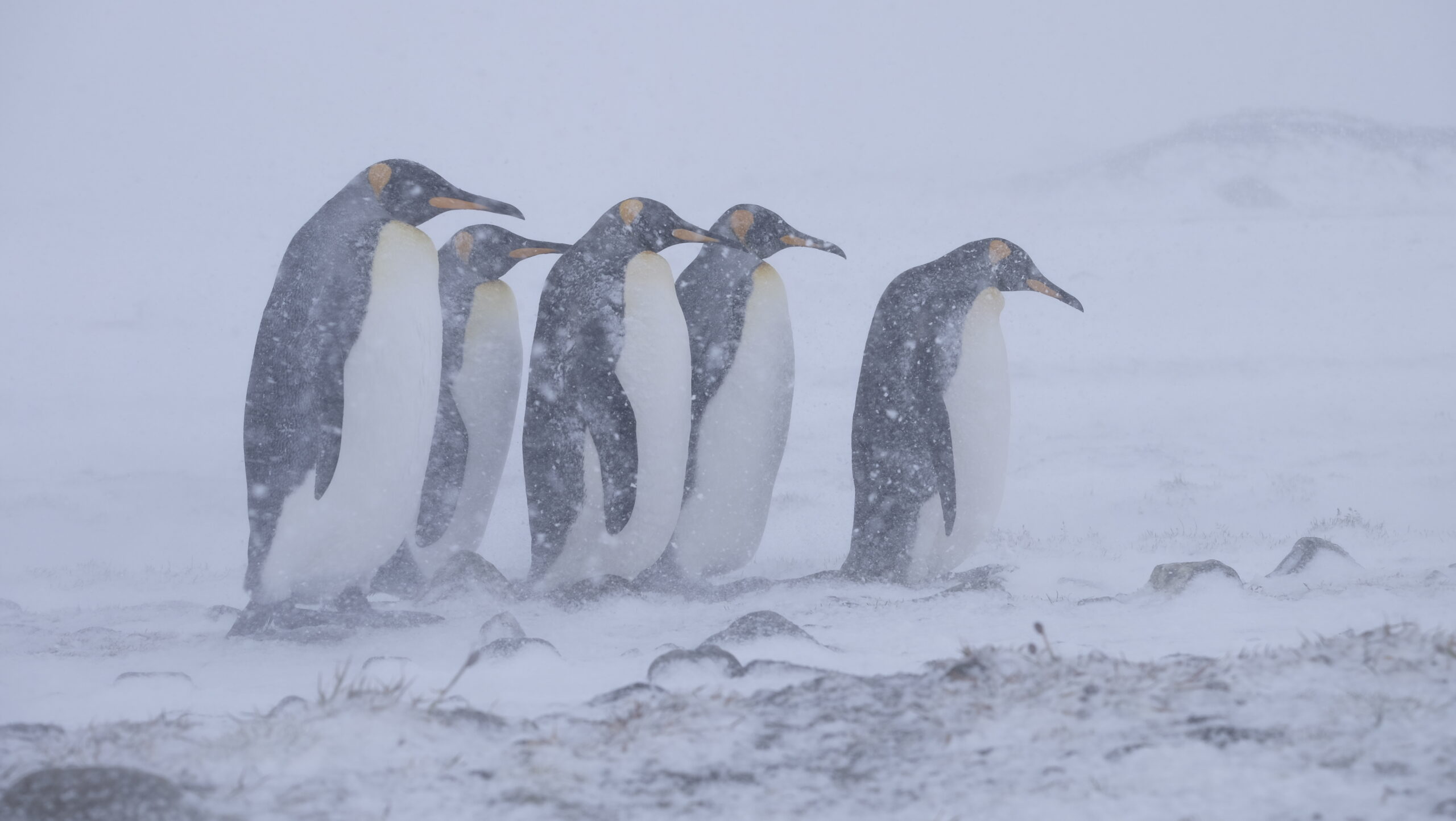
If you come home to a record-breaking snowfall but no one sees a penguin walk by, it is not your fault. 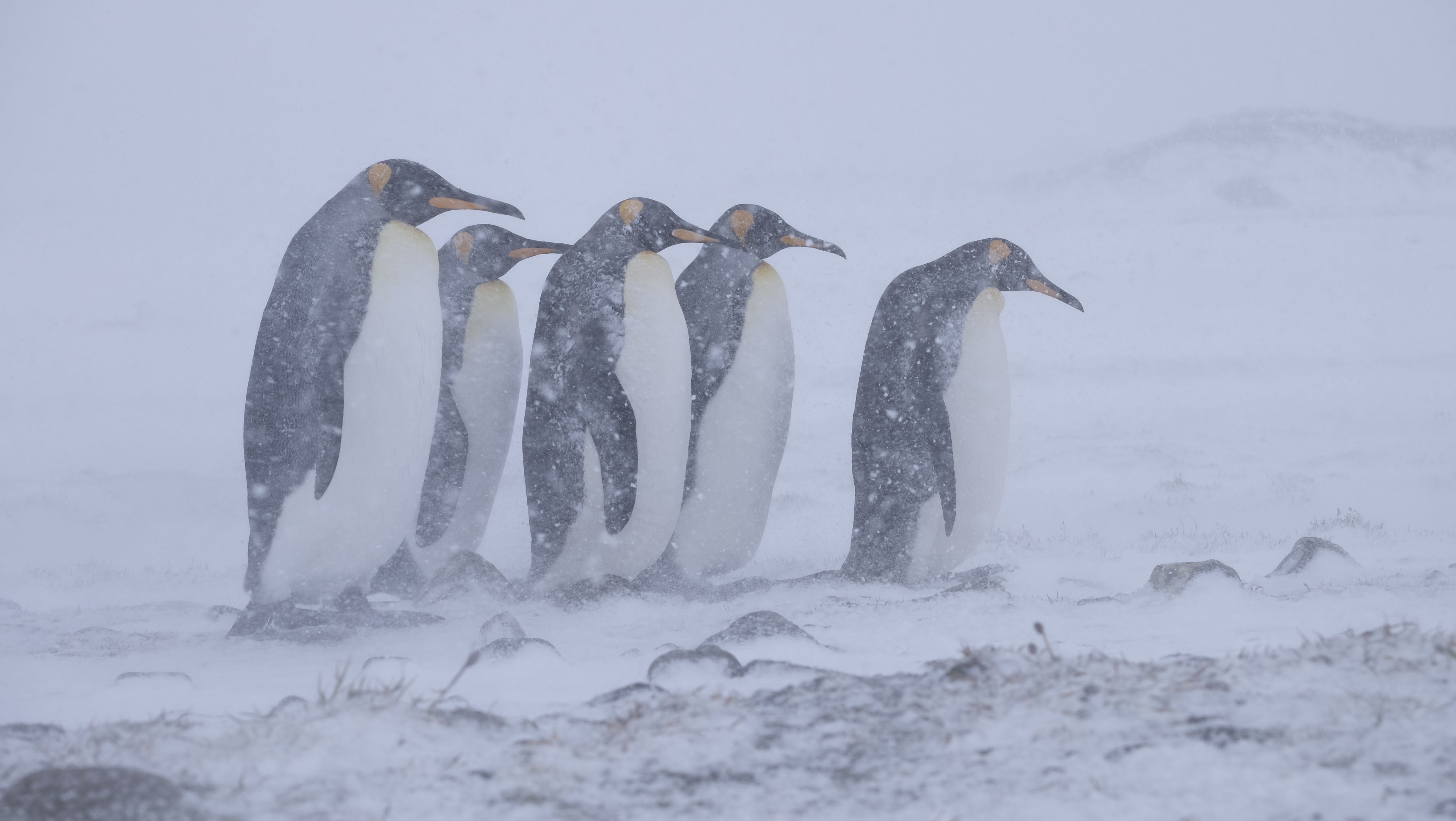
Even if you are on the bottom of the Earth you will not fall off.
Antarctica remains relatively pristine as the largest wilderness area on Earth. You must be decontaminated before stepping on the land to prevent the unintentional introduction of non-native species which could upset the fragile ecosystem.
When the whales were over-fished, it had a cascading effect on the environment. Whale poop feeds the plankton, krill eat the plankton, penguins eat the krill, seals eat the penguins, whales eat the seals and the circle of life is complete. Take one thing out of the equation and the circle of life goes out of balance.
There is no such thing as bad weather, just bad clothing.
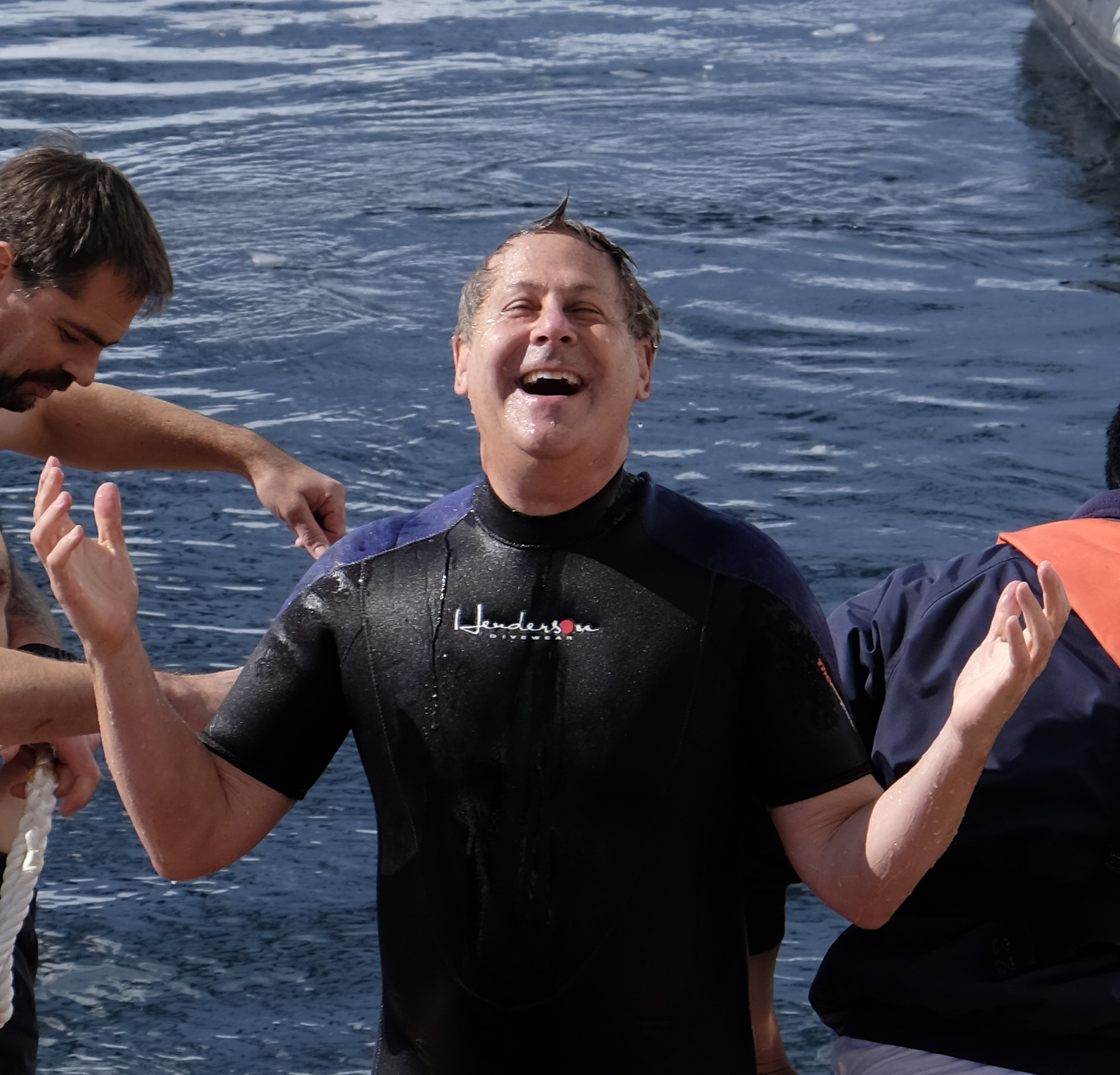
The water is really, really cold.
There are actually three South Poles. The Geographic South Pole is the southernmost point on Earth, where all the lines of longitude converge in the Southern Hemisphere. It is known as 90° South. Its only marker is a stake with a sign honoring the first explorers to reach the geographic South Pole – Roald Amundsen and Robert Scott – in 1911 and 1912, respectively. Because the pole is on a moving glacier, the marker must be repositioned every year. The South Pole itself doesn’t really move, but the ice moves along with the markers stuck in the ice, so the new place has to be marked each year.
The pole your compass points toward when you head south is the Magnetic South Pole. That pole is in the Antarctic Ocean and but is not on Antarctica. It is defined by where the Earth’s magnetic field lines come vertically out of the surface of the Earth. Since the field is generated by the rotation of the Earth’s fluid core, it doesn’t always stay in the same place. In 1909 an expedition led by Ernest Shackleton found the magnetic South Pole.
And then there’s the Ceremonial South Pole. It is a red and white striped pole topped with a shiny, chrome-colored sphere surrounded by the flags of the twelve original nations that signed the Antarctic Treaty and have territory in Antarctica. Because it is more elaborate and would involve moving the flags, this one is not moved every year but it is the one that is most photographed.
A fourth one exists, the Geomagnetic South Pole, but I didn’t really understand that one. We did not travel to the South Pole which is not reachable by ship. I just learned about it from some friends who made the trek before Antarctica.
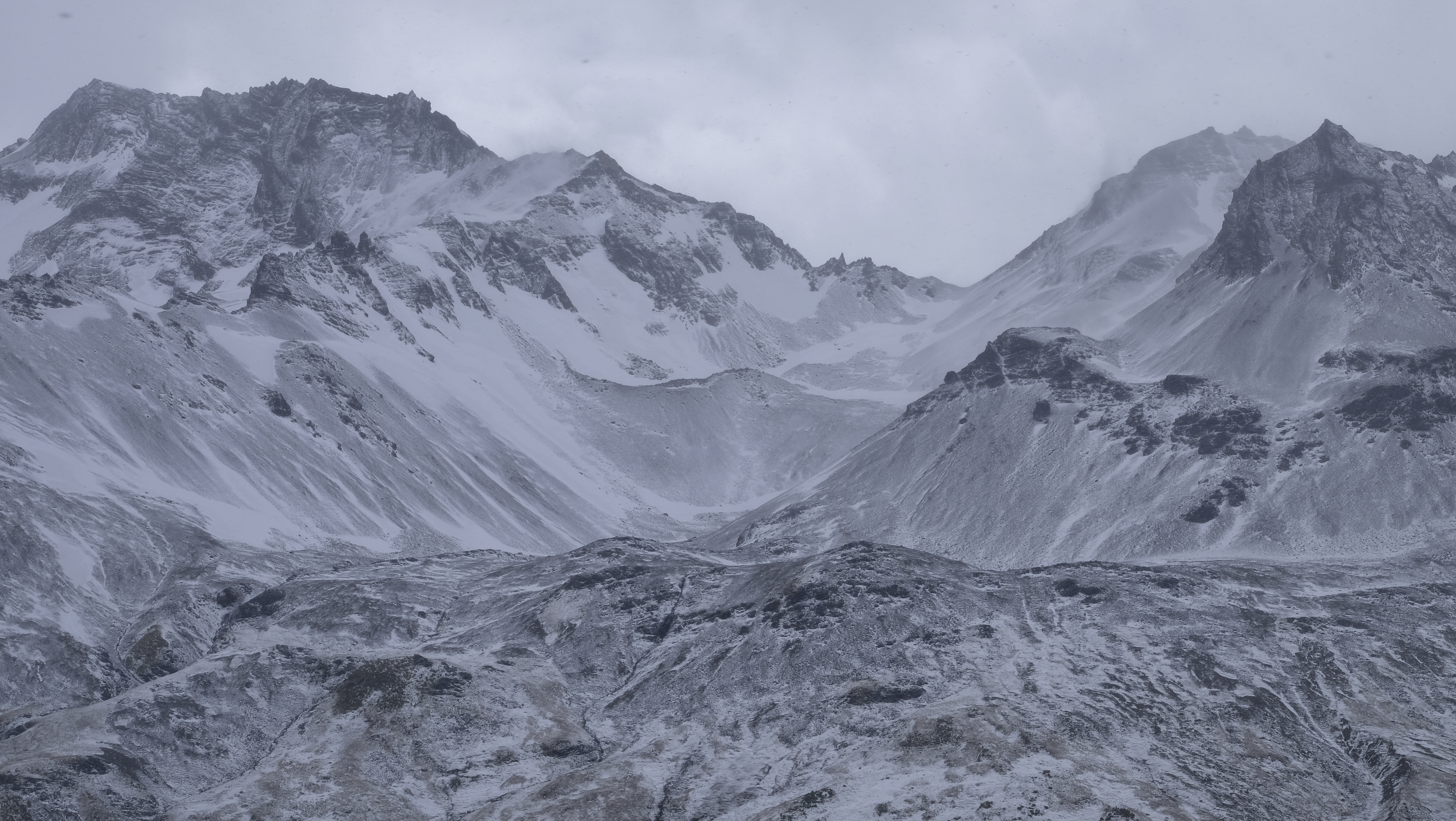
From the South Pole, all directions are north. Or, in other words, the only way you can go is up.
If you are a whale, or live in the ocean, being social is an advantage. It is a source of safety from predators and you benefit from an accumulated knowledge of others, handed down from generation to generation. Because they don’t have a physical structure that is home, they are always on the move. Therefore, the most important part of the environment becomes other whales. Social life is vital – they need social intelligence. Whales, largely, sense and communicate acoustically, where humans do most of our sensing visually.
Whales live a long time, many over 100 years, and have big brains. Families stay together their whole life. They use bubbles to confuse prey. They will line up and travel at great speed to create a wave to knock a seal off of an ice floe. Poor little seal.
Antarctica is the only place in the world where there are tabular icebergs and an area known as Iceberg Alley.
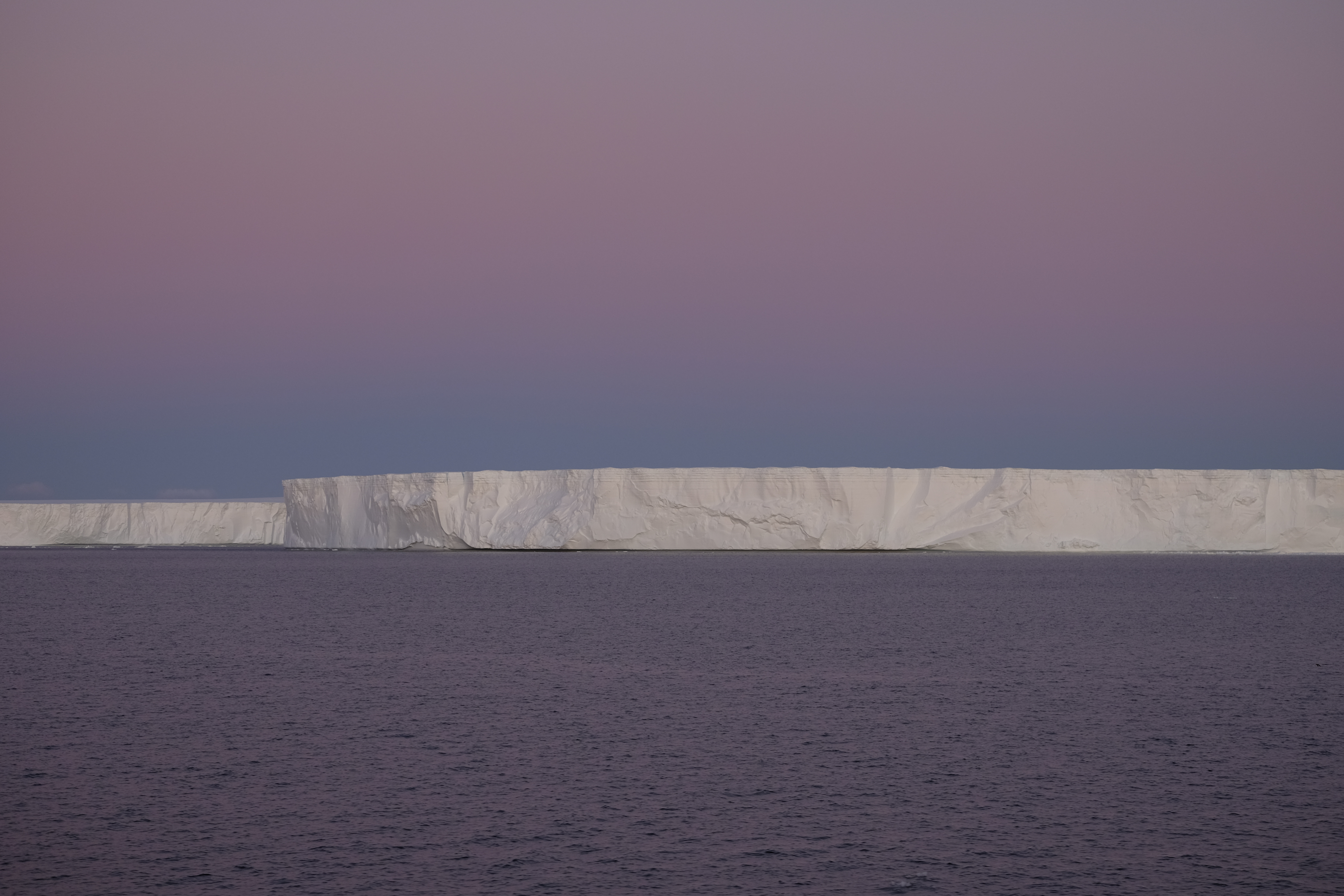
Many people travel here just to mark reaching the seventh continent off their list.
When a bird dives at your head it means you are walking too close to a nest.
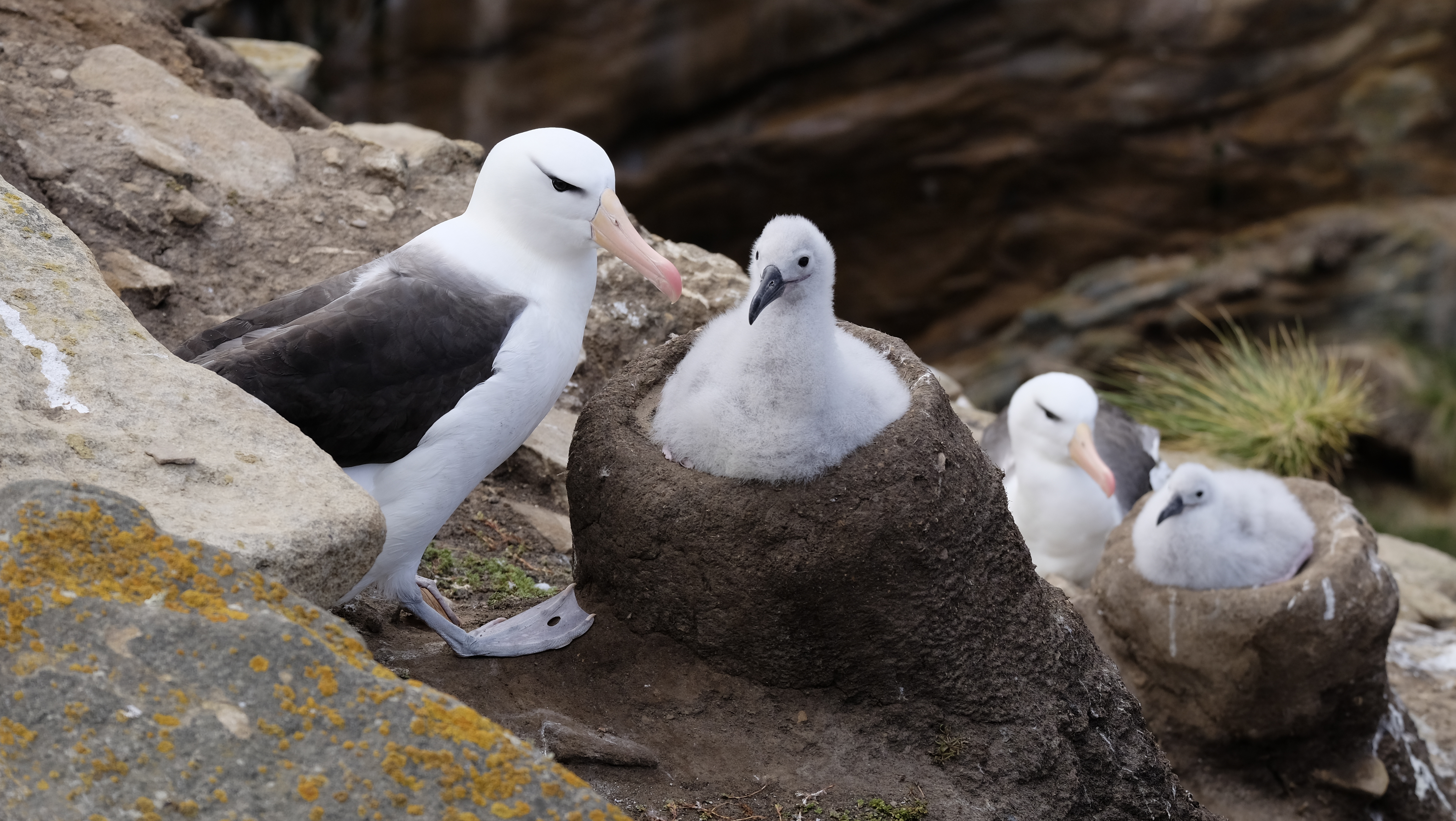
Antarctica is home to the world’s most ludicrous statue (naturalist’s words, not mine) in the world – a statue of Luis Pardo on Elephant Island. After losing their ship and a harrowing ordeal drifting on ice floes, Shackleton and his crew finally reached land on Elephant Island. Realizing there was no chance of rescue there, Shackleton and five men sailed 800 miles across one of Earth’s most inhospitable seas in an open lifeboat for 16 days to reach South Georgia while the remaining 22 men were stranded for 137 days on Elephant Island. It took four attempts to reach and rescue those men. Luis Pardo was the captain of the fourth ship. So, in one of the most incredible feats in the history of navigation, one of the most insignificant individuals was chosen to be immortalized on a continent with no human habitation.
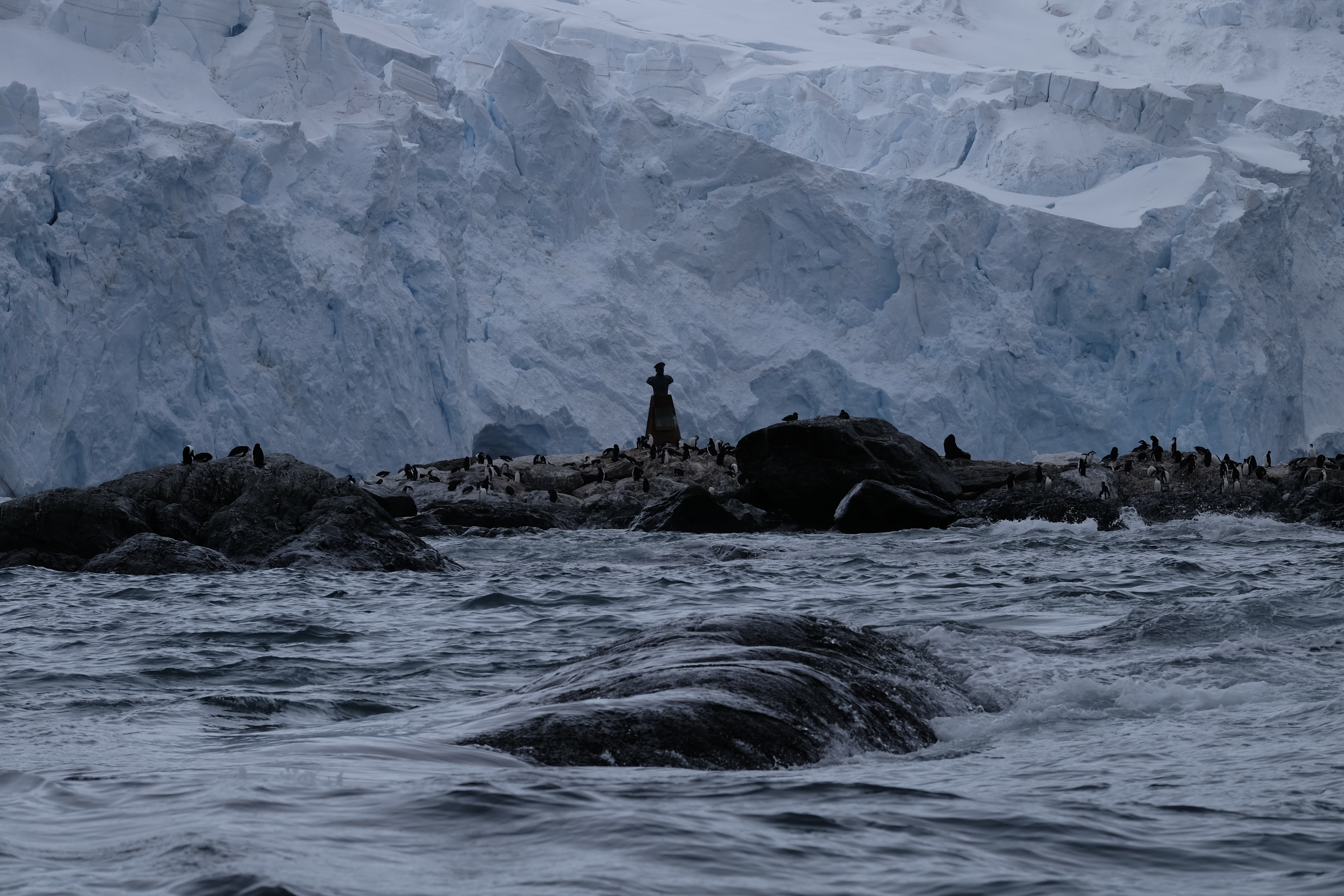
When Shackleton finally returned home he told his wife, “I thought you’d rather have a live donkey than a dead lion.”
Seals look a lot like pugs.
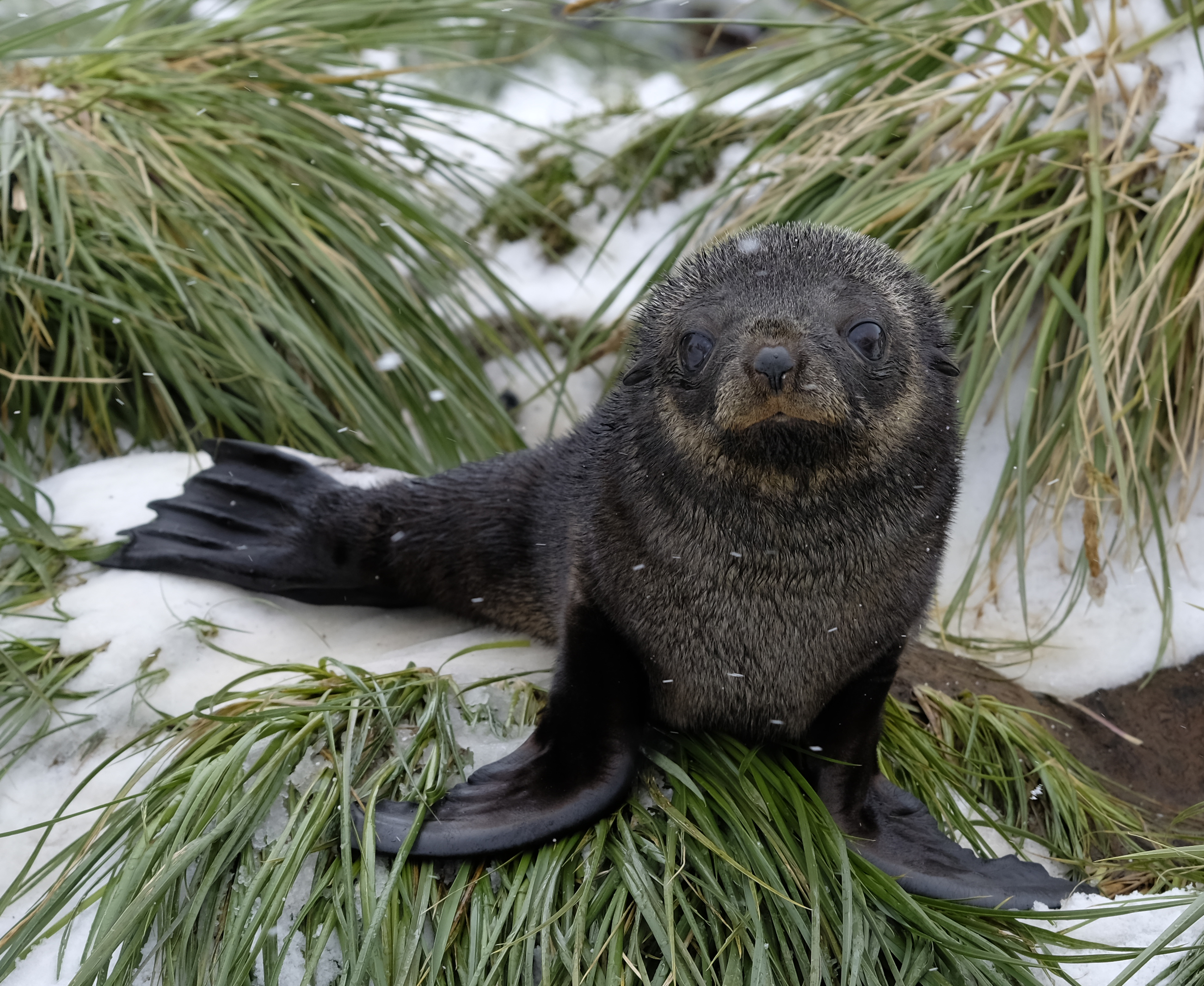
I’ll say anything to be able to post another picture of a baby seal.
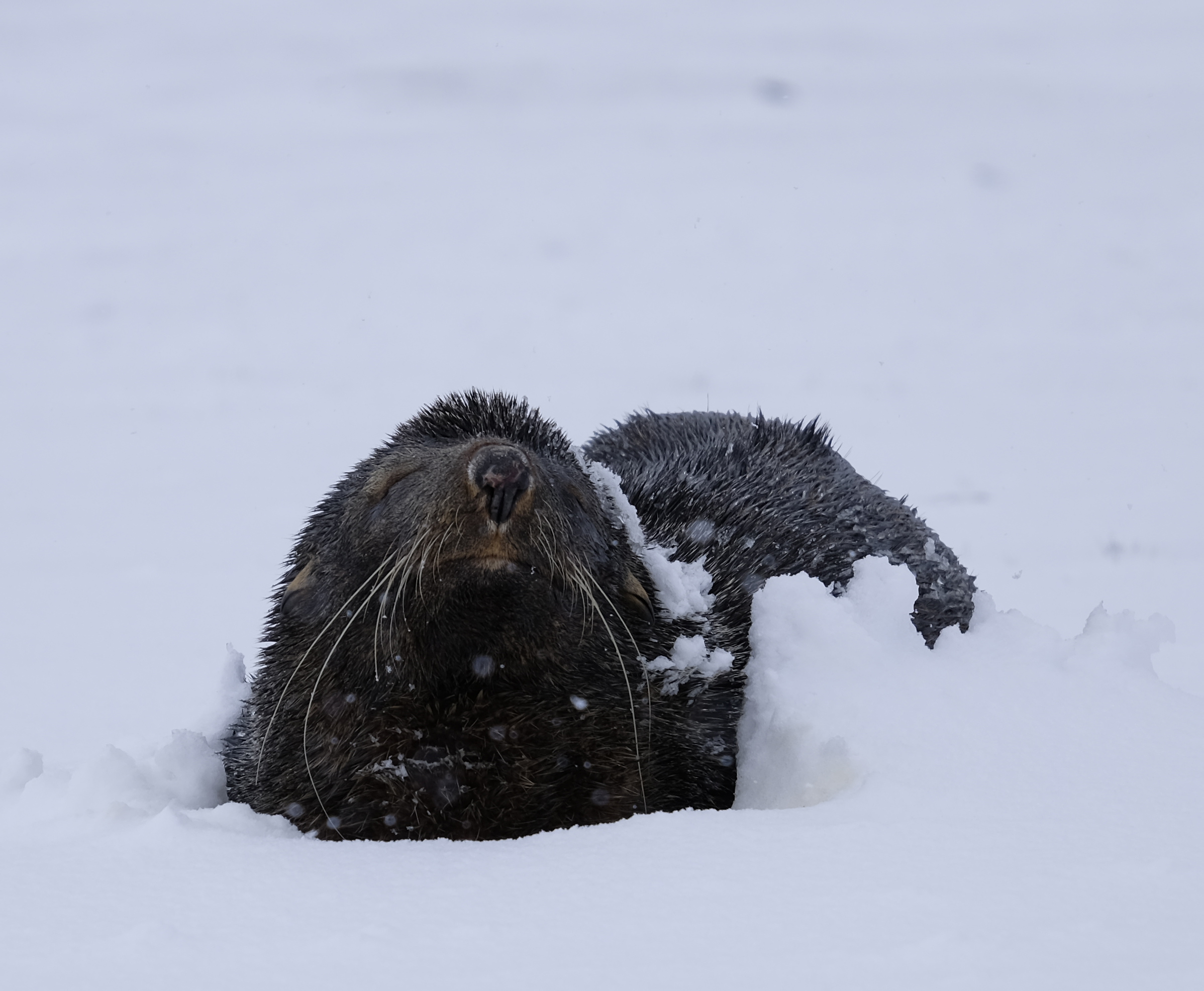
They won’t let you take one home no matter how many times you ask.
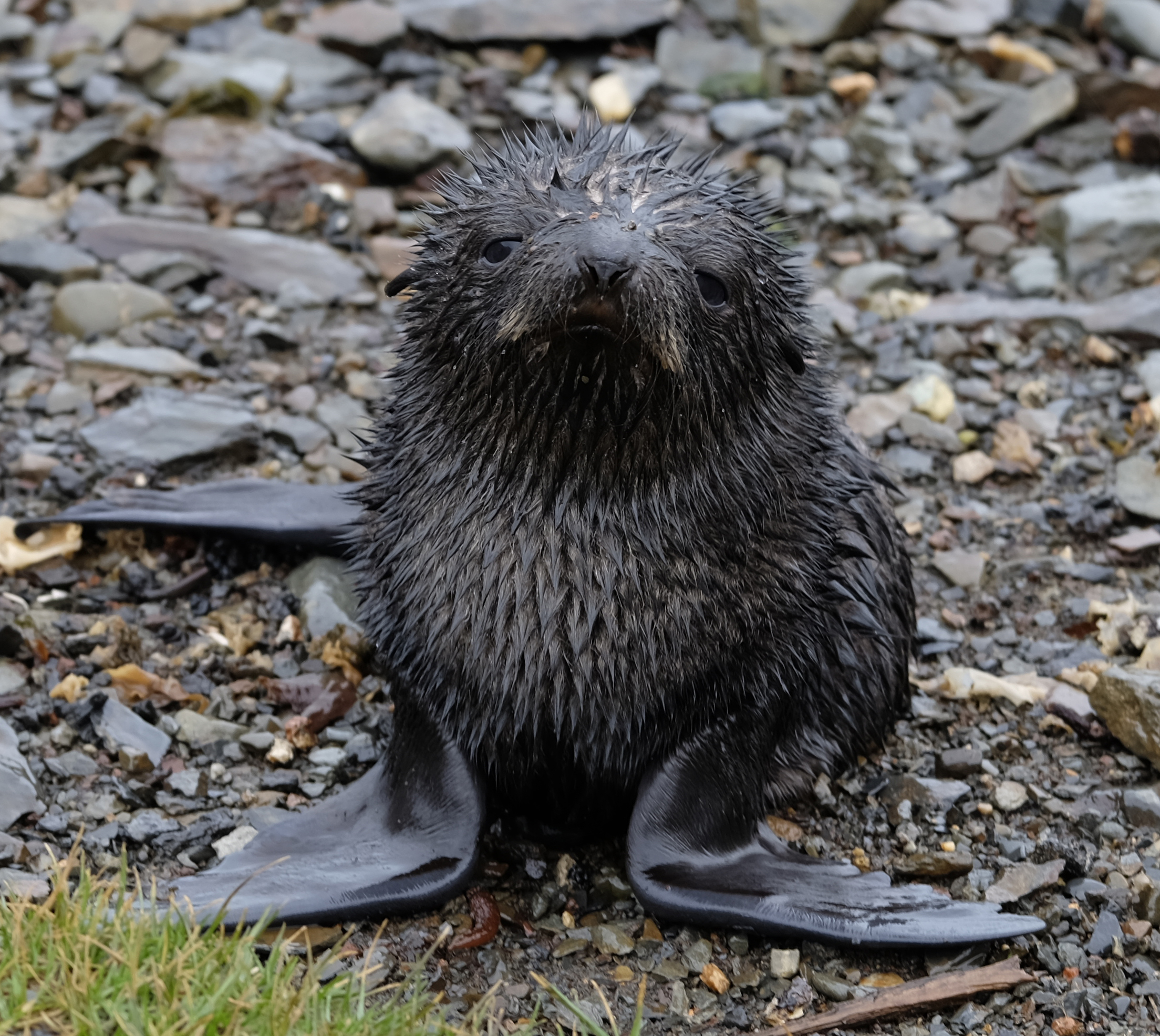
The two National Geographic photographers on board consider Antarctica to be the most photogenic part of the world, especially on cloudy days. Photography is an art form and not all photographers agree on what is a print-worthy picture. It is easier to crop your photos before shooting them, “Get inspired by the edges of the frame.” Sometimes an accidental photo turns out to be the NatGeo’s favorite one.
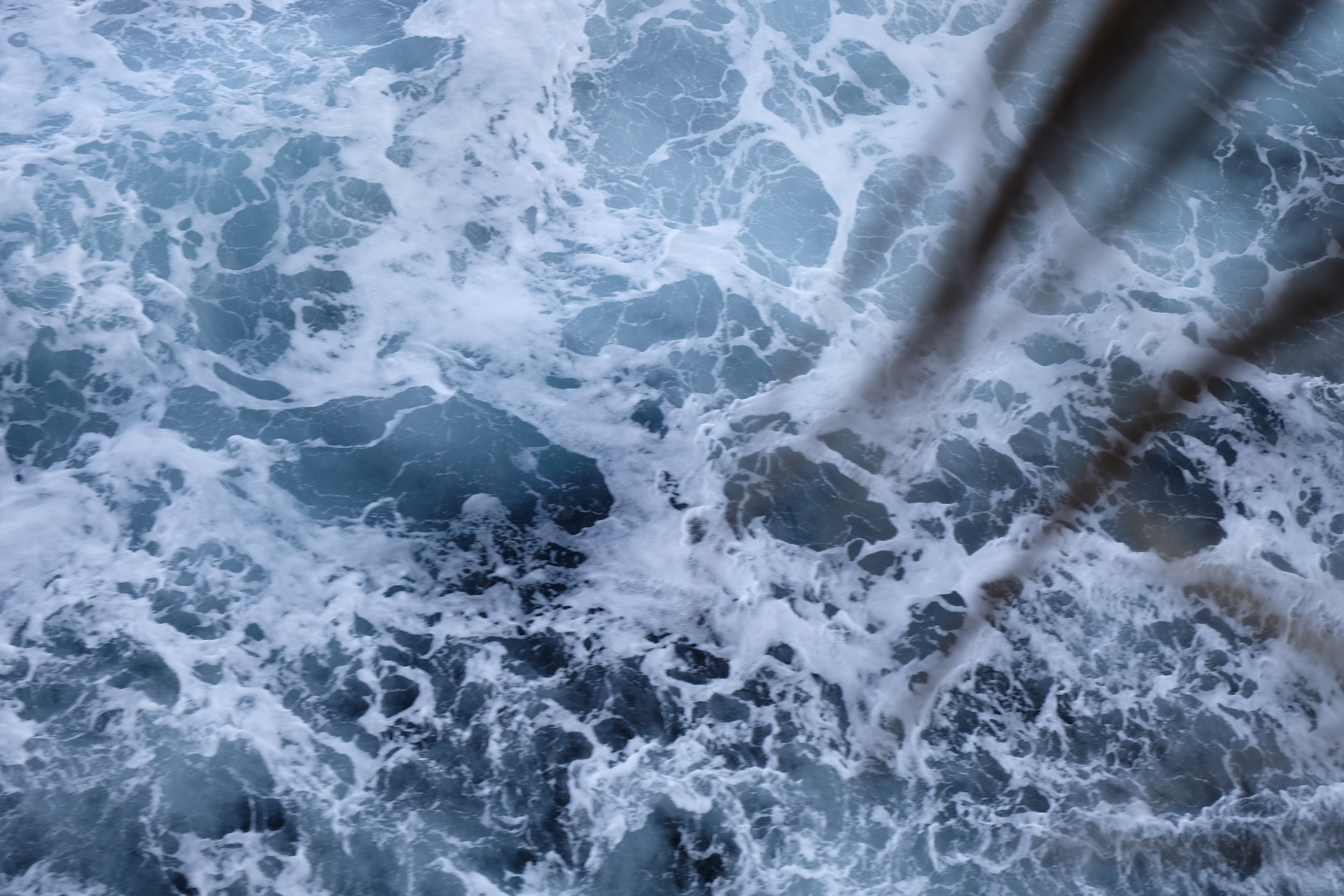
The best picture is in your mind’s eye when you put your camera down and just take it in.
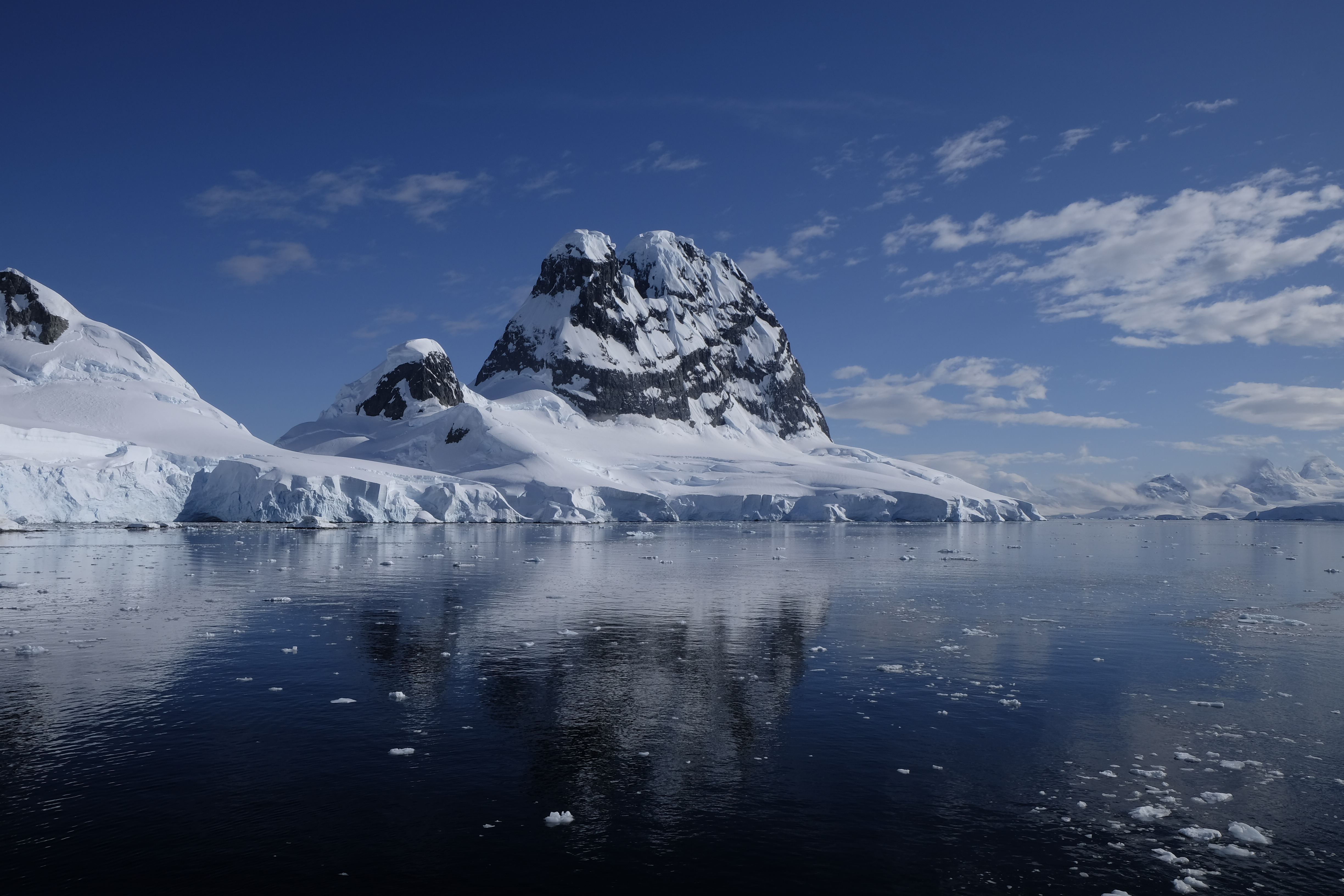
Seeing the ship dwarfed by a glacier the size of Connecticut put our size in this world a little more into perspective.
If the sun never sets, it also never rises.
You cannot work in Antarctica unless your wisdom teeth and appendix are removed.
It’s easier to care about a place after you’ve touched it – and easier still after it has touched you.
That I really want to go back one day.


Leave a Reply