Darren Zook, a political science professor at University of California, Berkeley was the guest lecturer on board as we sailed from the Canary Islands to Morocco. His talk, The Exception to the Rule: Morocco and Its Neighborhood, prepared us for our next port city.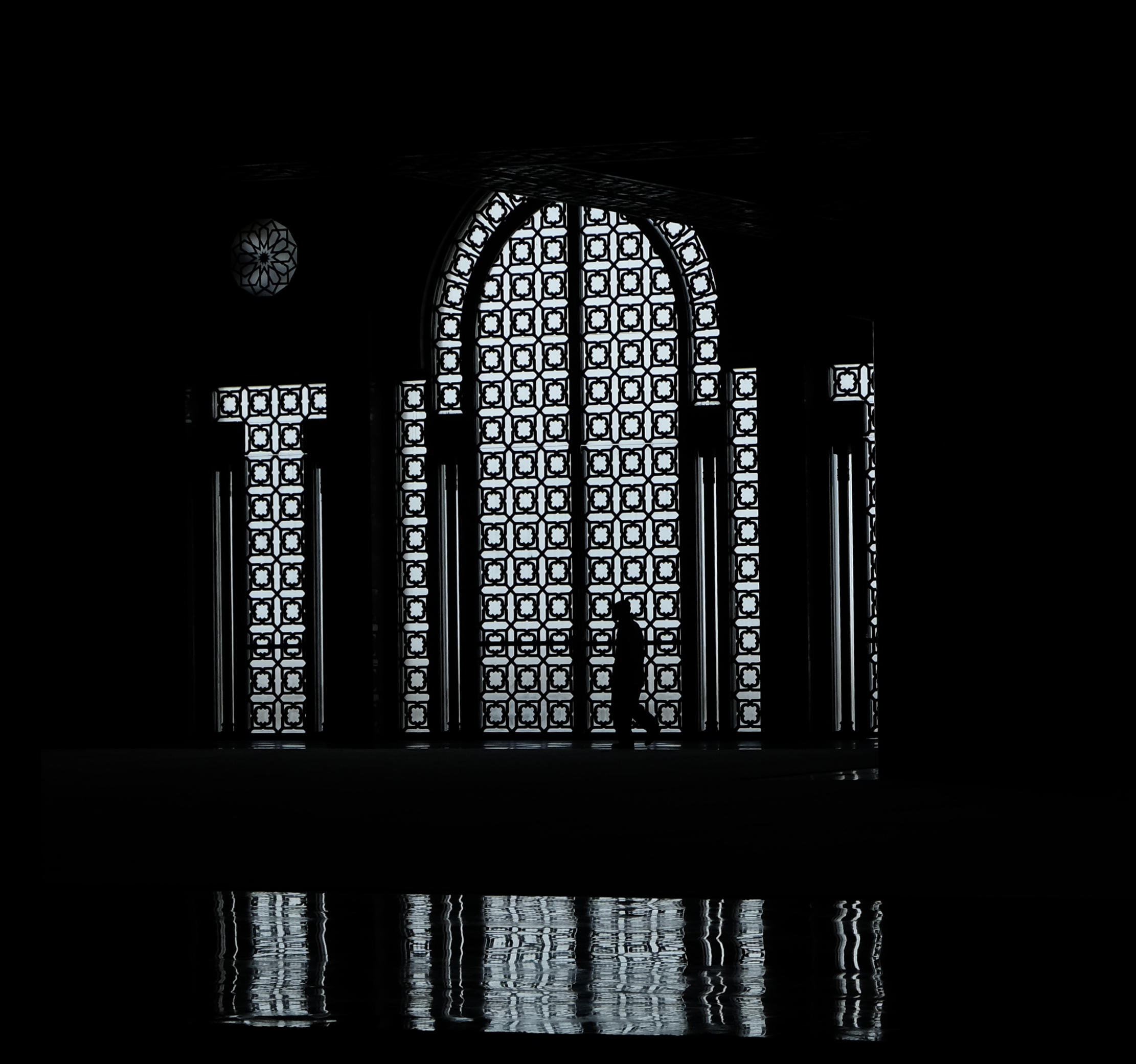 Located in North Africa, Morocco has Atlantic and Mediterranean coastlines, a rugged mountainous interior and a history of independence not shared by its neighbors. Its rich culture is a blend of Arab, Berber, European and African influences. The Kingdom of Morocco is the most westerly of the North African countries known as Maghreb or “Arab West.”
Mosques, minarets and bazaars typify Morocco, 99% of whose inhabitants are Muslim (virtually all Sunni). The remaining 1% is comprised of Christians, Jews and Baha’I. The Jewish population has declined from a peak of 70,000 in 1948 to roughly 5,000 today, with the majority emigrating to Israel after the Six-Day War.
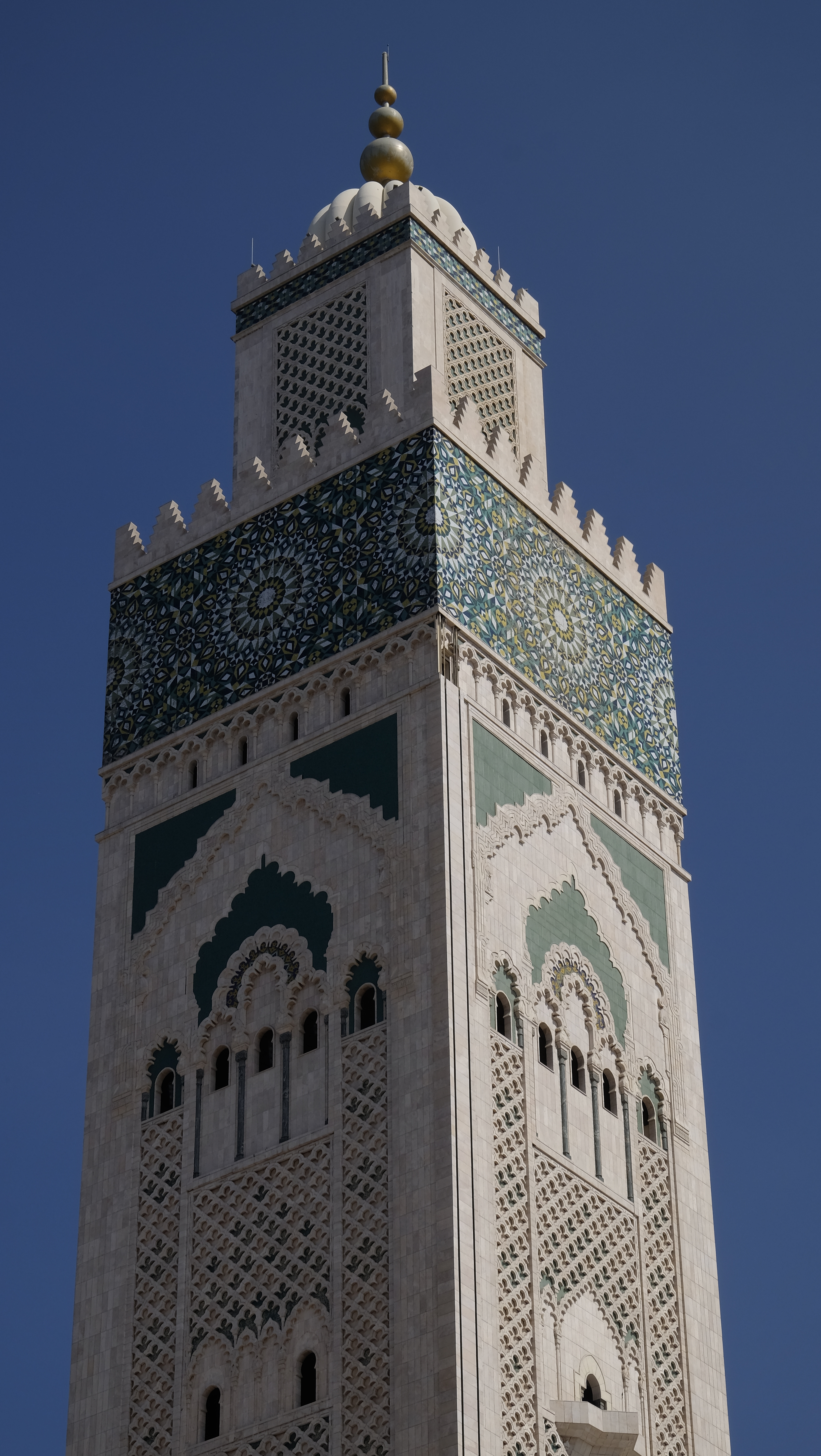
The government system is a monarchy. The chief of state is the king and the head of government is the prime minister. Sultan Mohammed ruled as king from 1912 to 1961. He was succeeded by his son, Hassan II, who ruled for 38 years and played a prominent role in the search for peace in the Middle East.
Hassan’s son and successor in 1999, Mohammed VI, claims descent from the Prophet Muhammad. He is known as a cautious modernizer who has introduced some economic and social liberalization. In 2011 he revised the constitution in response to Arab Spring protests and appointed a new government in 2012.
While much of northern Africa has imploded into instability, violence and misery, Morocco has endured as a country of relative calm and prosperity, the clear exception to the rule. Morocco’s success is no accident but there are signs of change on the horizon that may threaten the political oasis that Morocco has always tried to be.
Leave a Reply