Wednesday, June 15, 2016 | Language: Finnish | Currency: Euro
Helsinki, called the Daughter of the Baltic, is located on the tip of a peninsula with 315 islands, bays and inlets. Founded in 1550, it has been the Finnish capital since 1812 when it was rebuilt by the tsars of Russia along the lines of a miniature St. Petersburg.
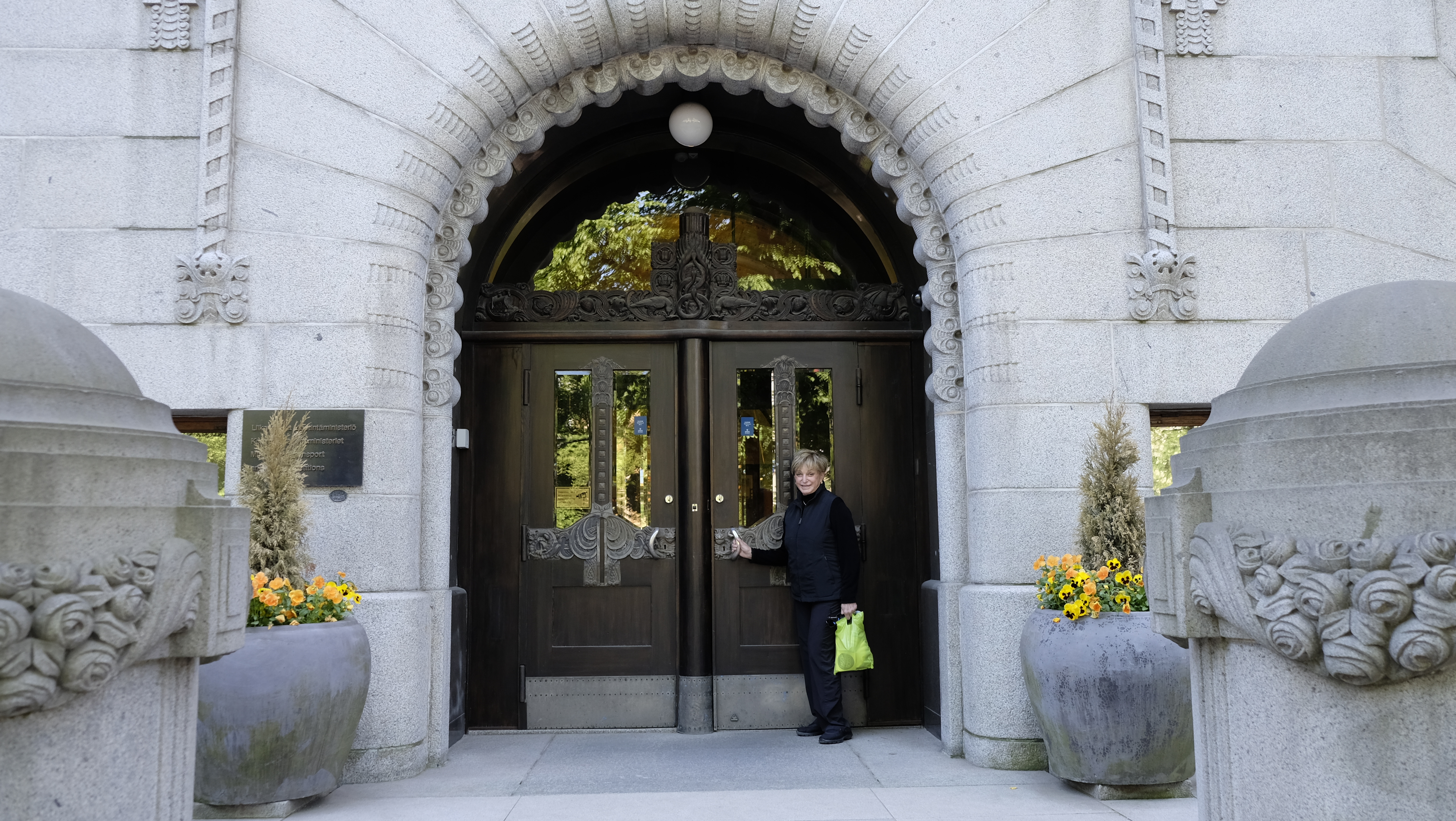
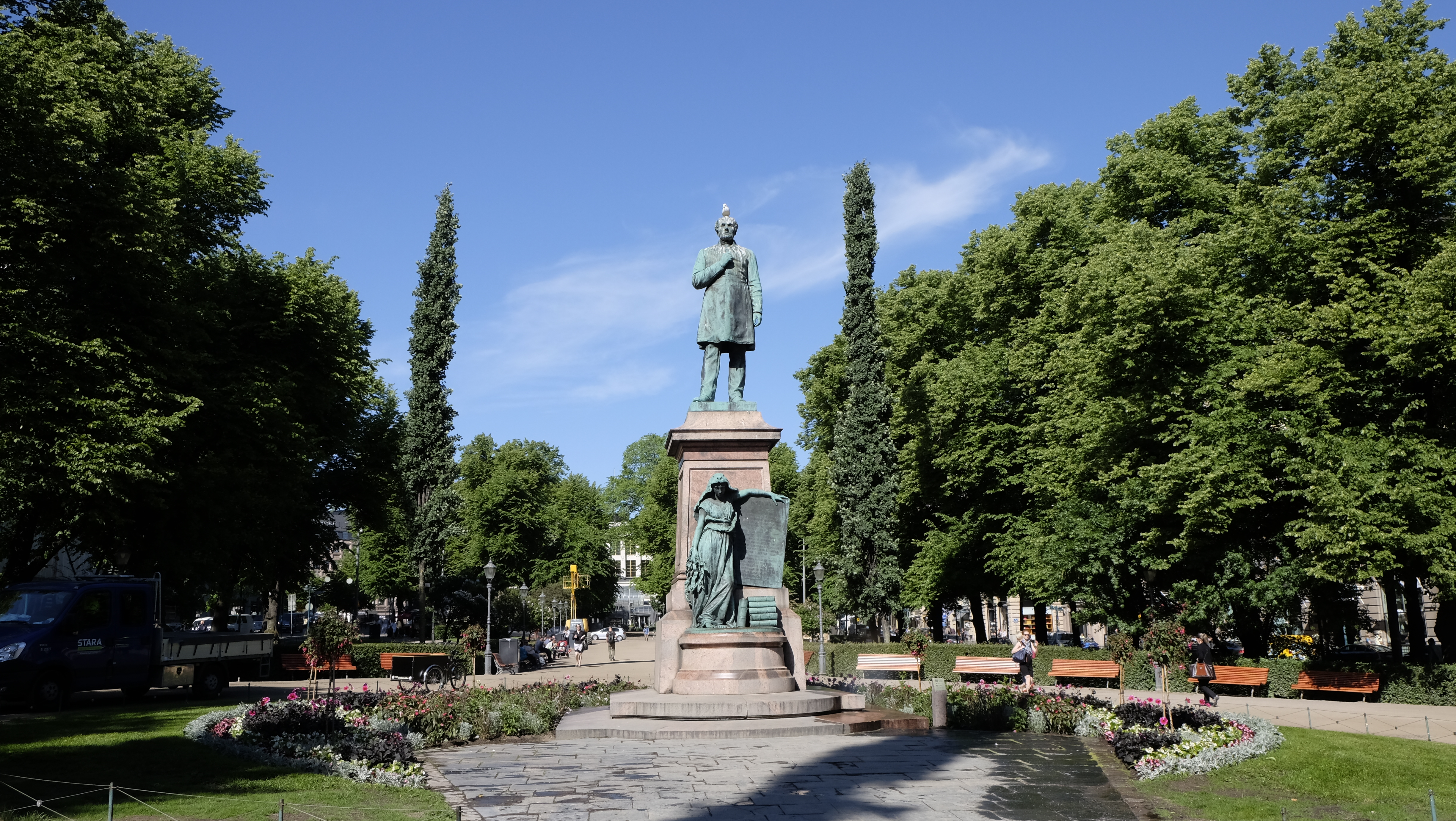
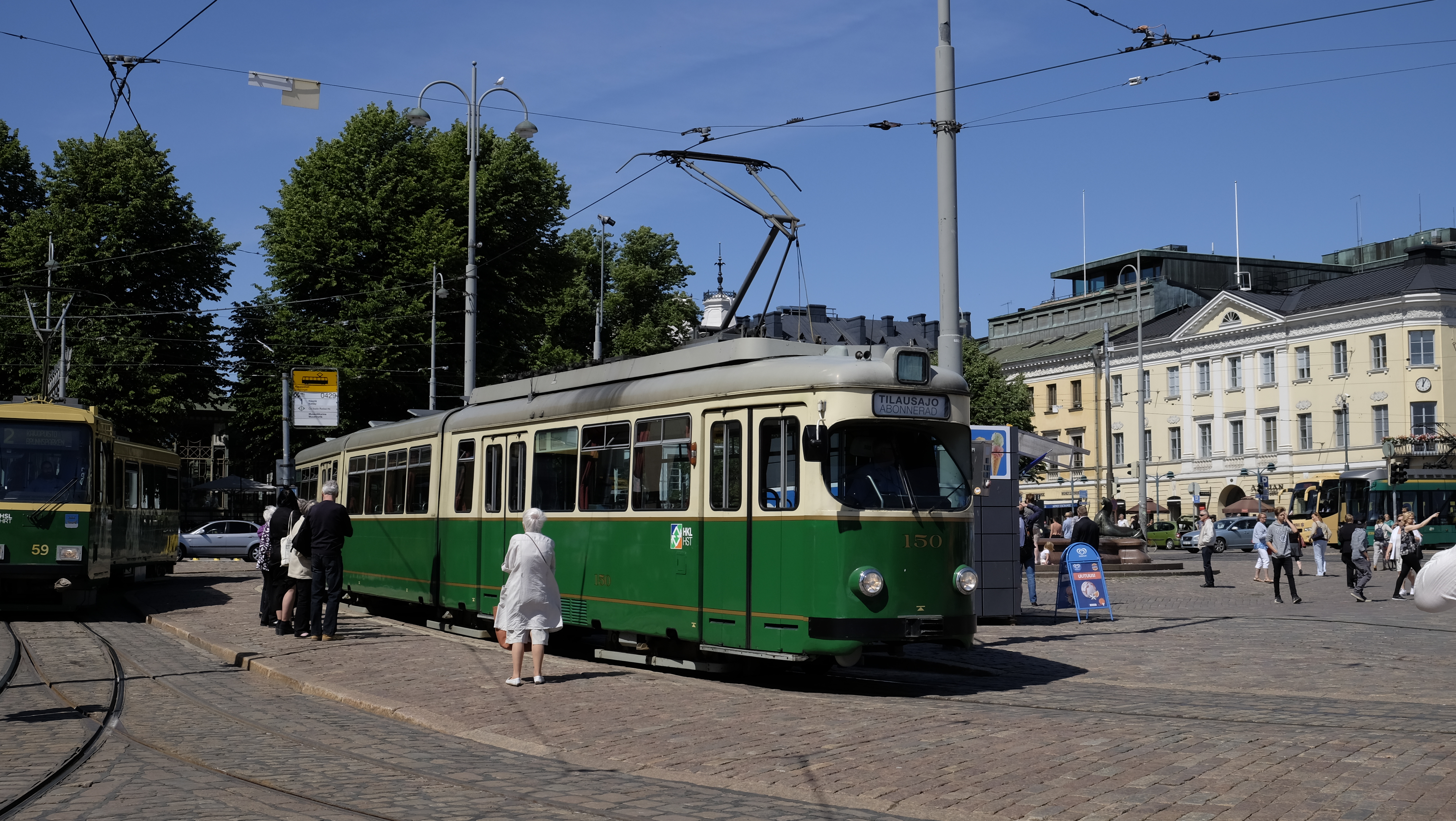
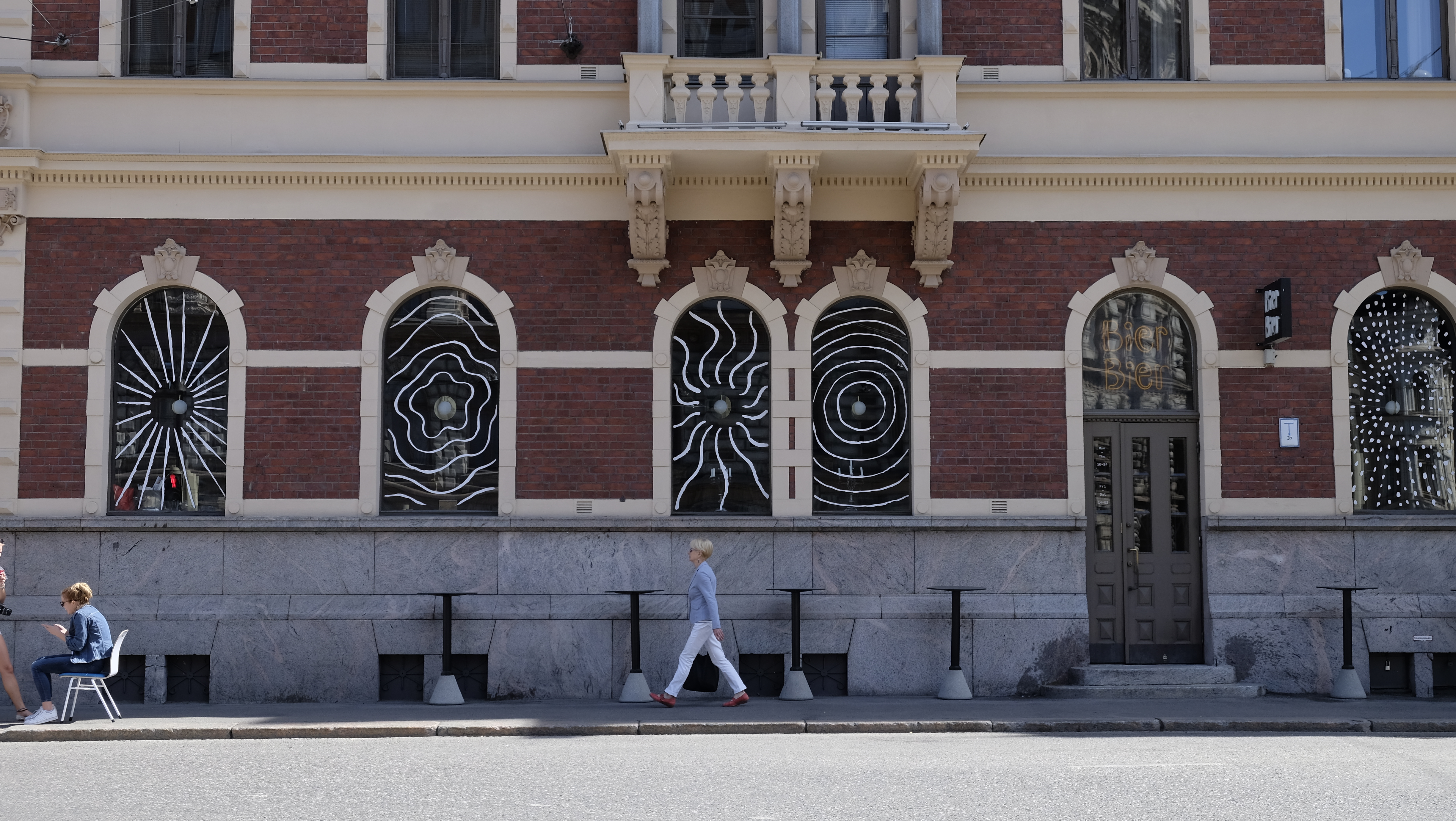
However, today the design scene here is legendary. Helsinki basked in the international spotlight as the 2012 World Design Capital. Nevertheless, much of what is lovable in Helsinki is older. The neoclassical and art-nouveau buildings, statuesque central park and still-running, old-time street cars give Helsinki its quirky charm.
Among the world’s northernmost capitals, its lengthy winter from November to March, is dark and freezing. Clearly, summer is the time to visit Helsinki. The city hosted the 1952 Summer Olympics. Helsinki had already been selected to host the 1940 Summer Olympics, which were cancelled due to World War II. The Soviet Union, the People’s Republic of China, Israel and Saarland all made their Olympic debuts at the Helsinki games that summer.
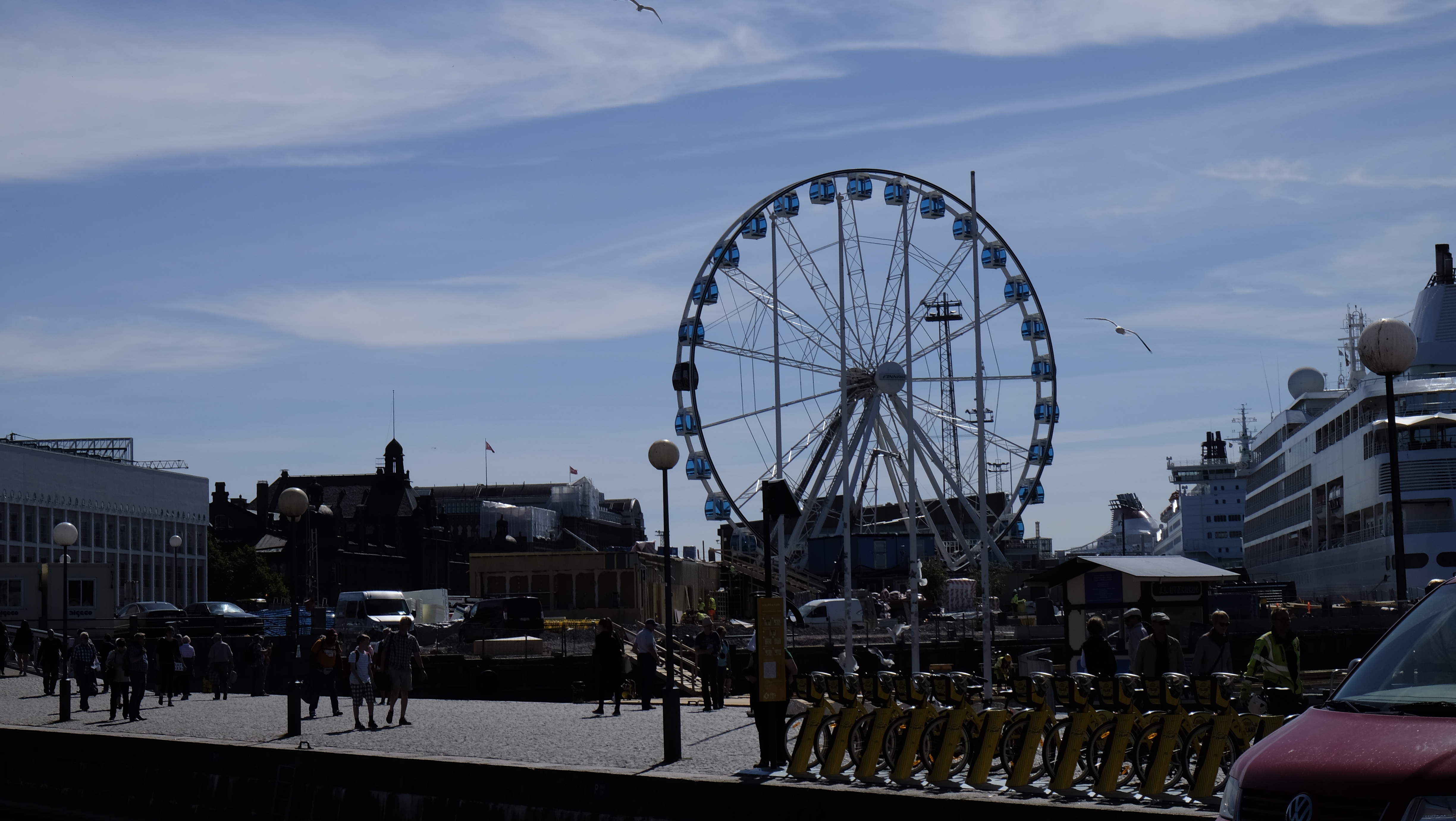
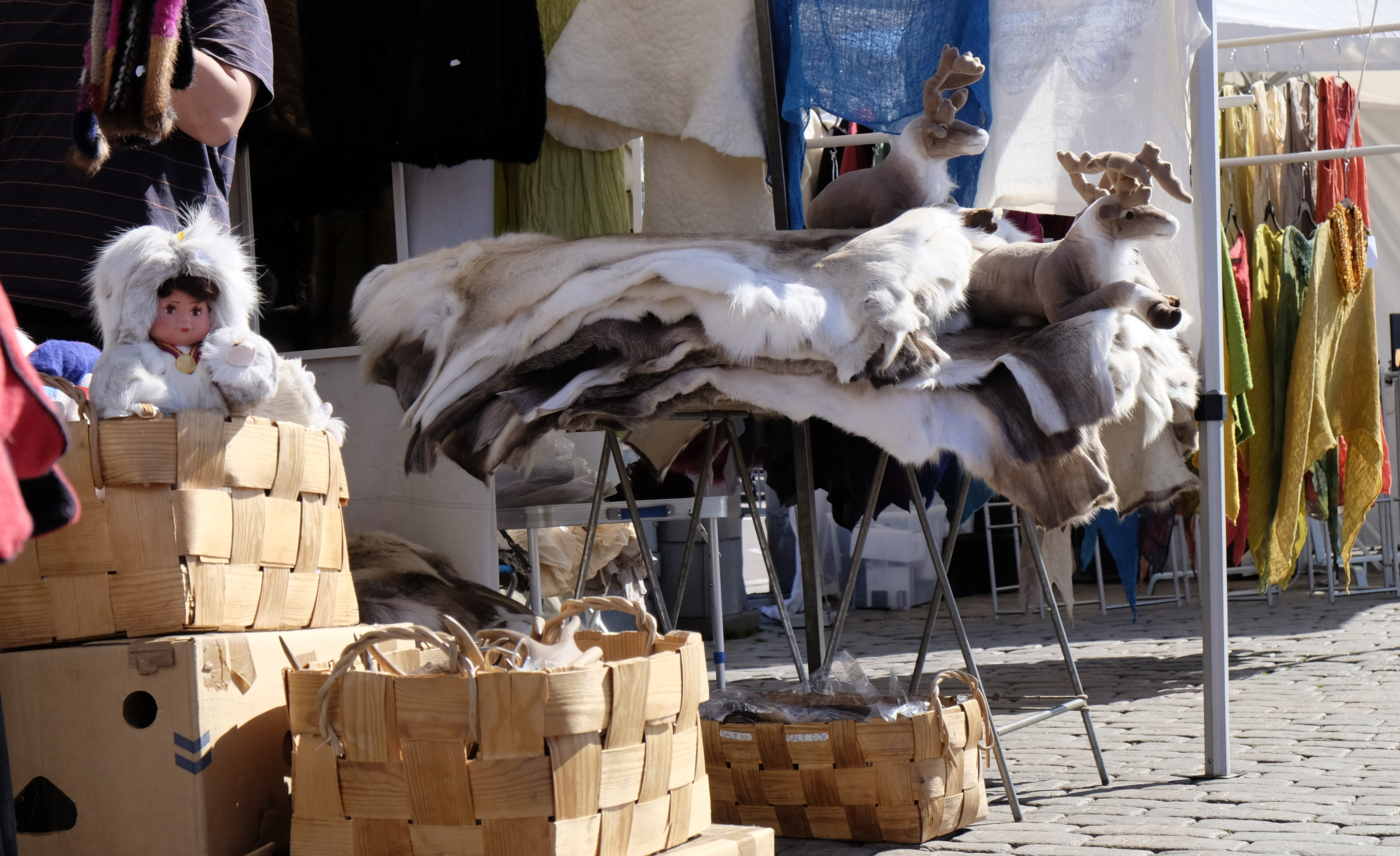
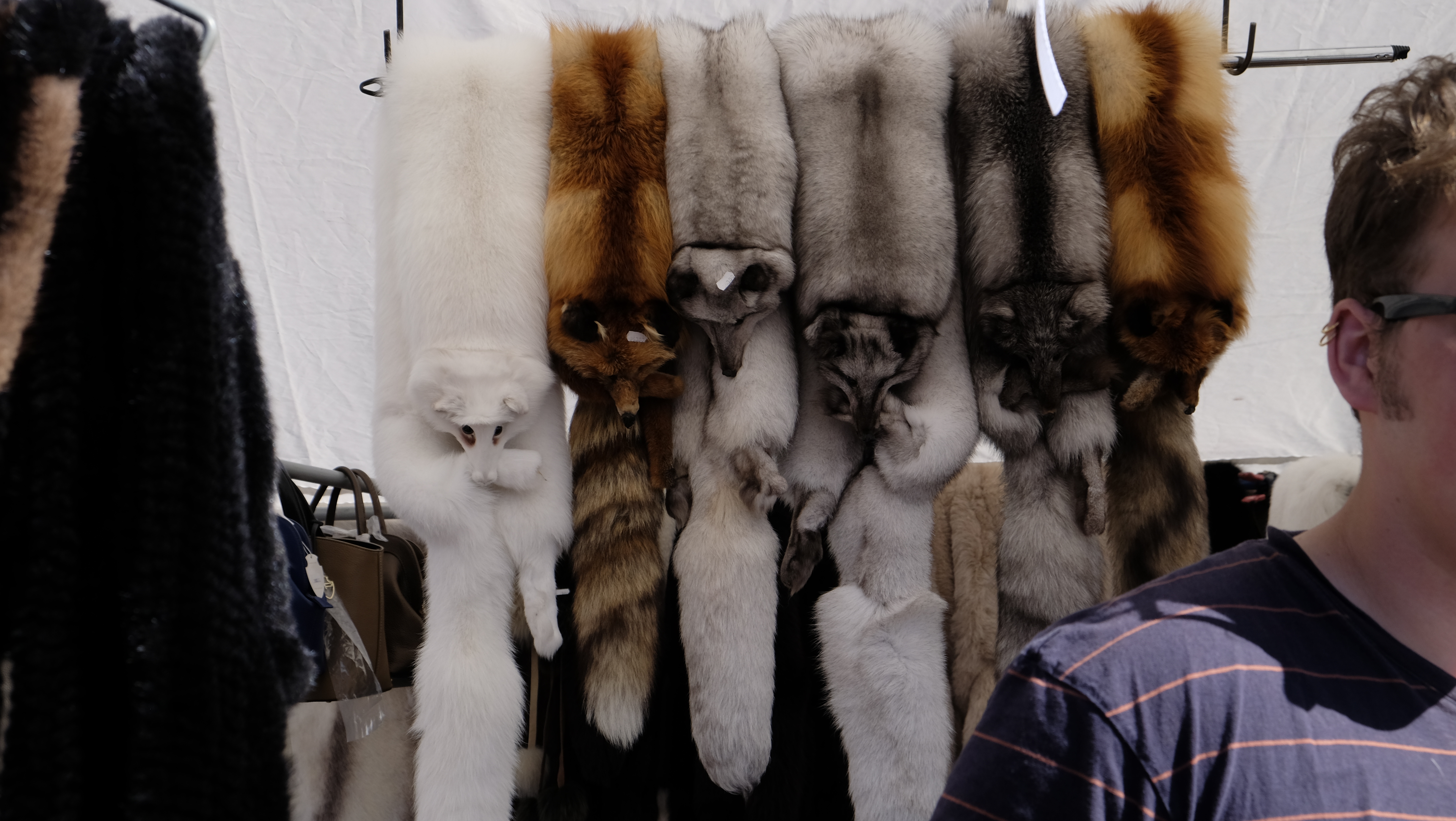
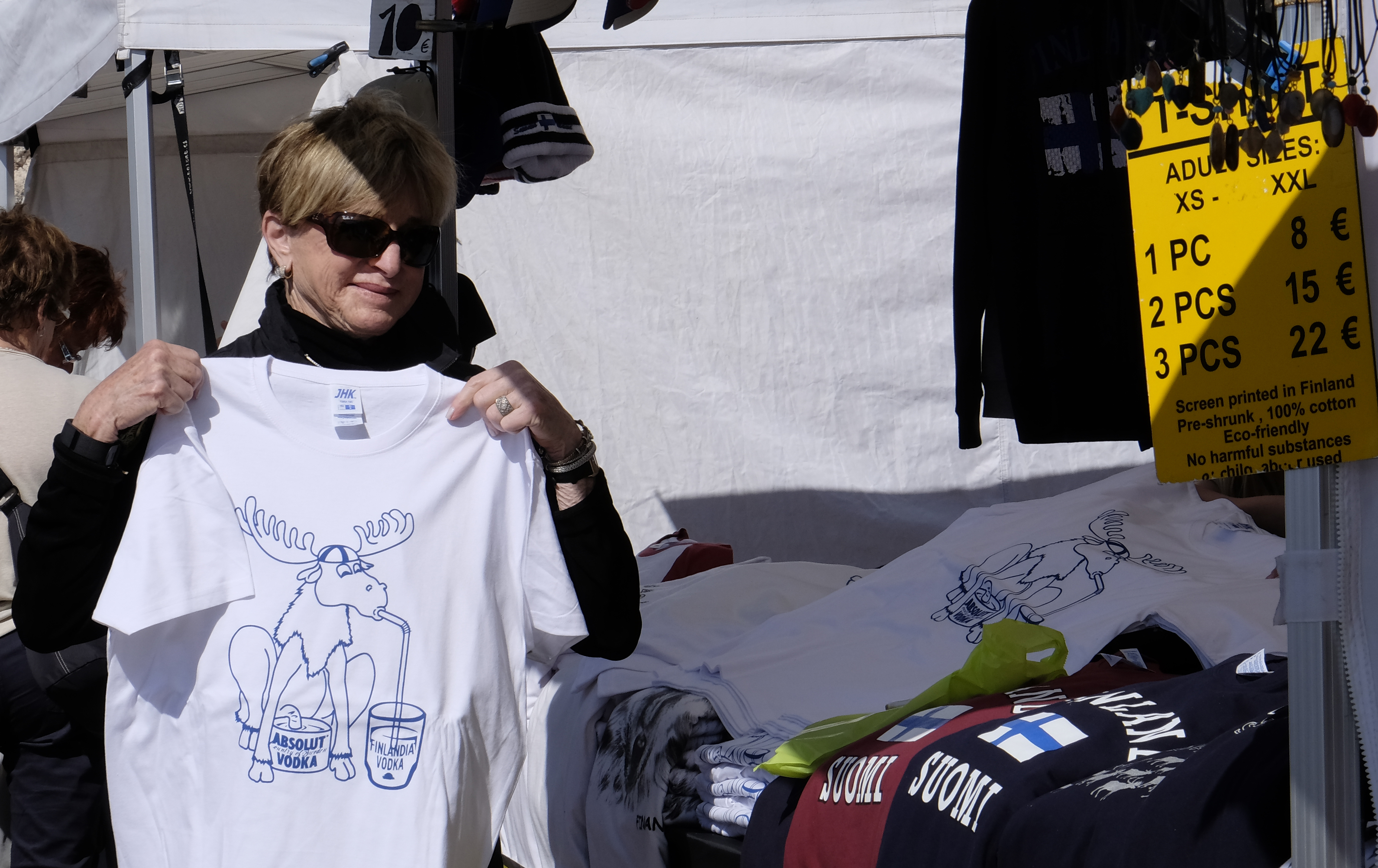
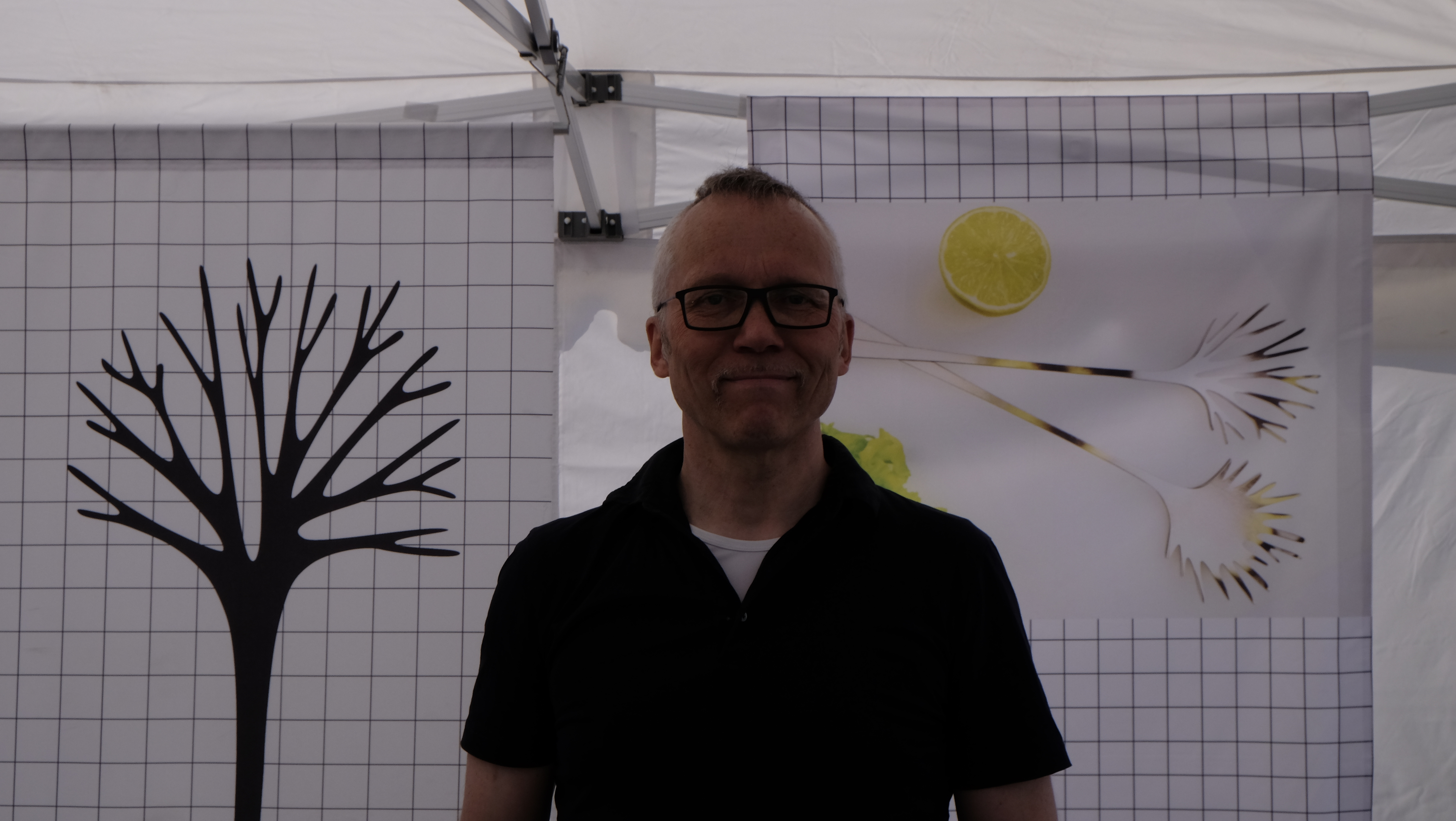
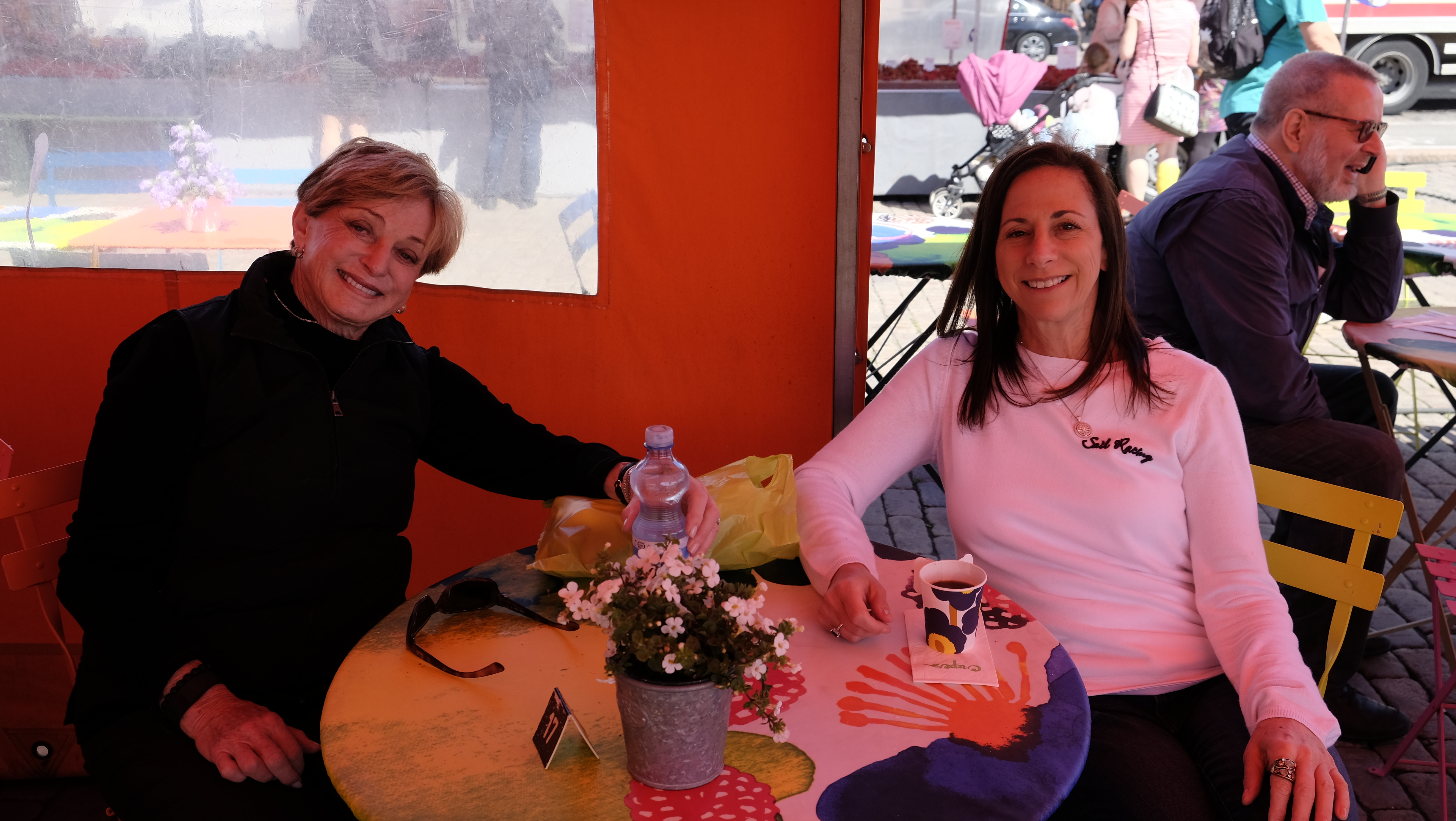
Edie and I started our exploration on foot to the bustling open-air market along the waterfront with furs, artists, funny tees and crepes.
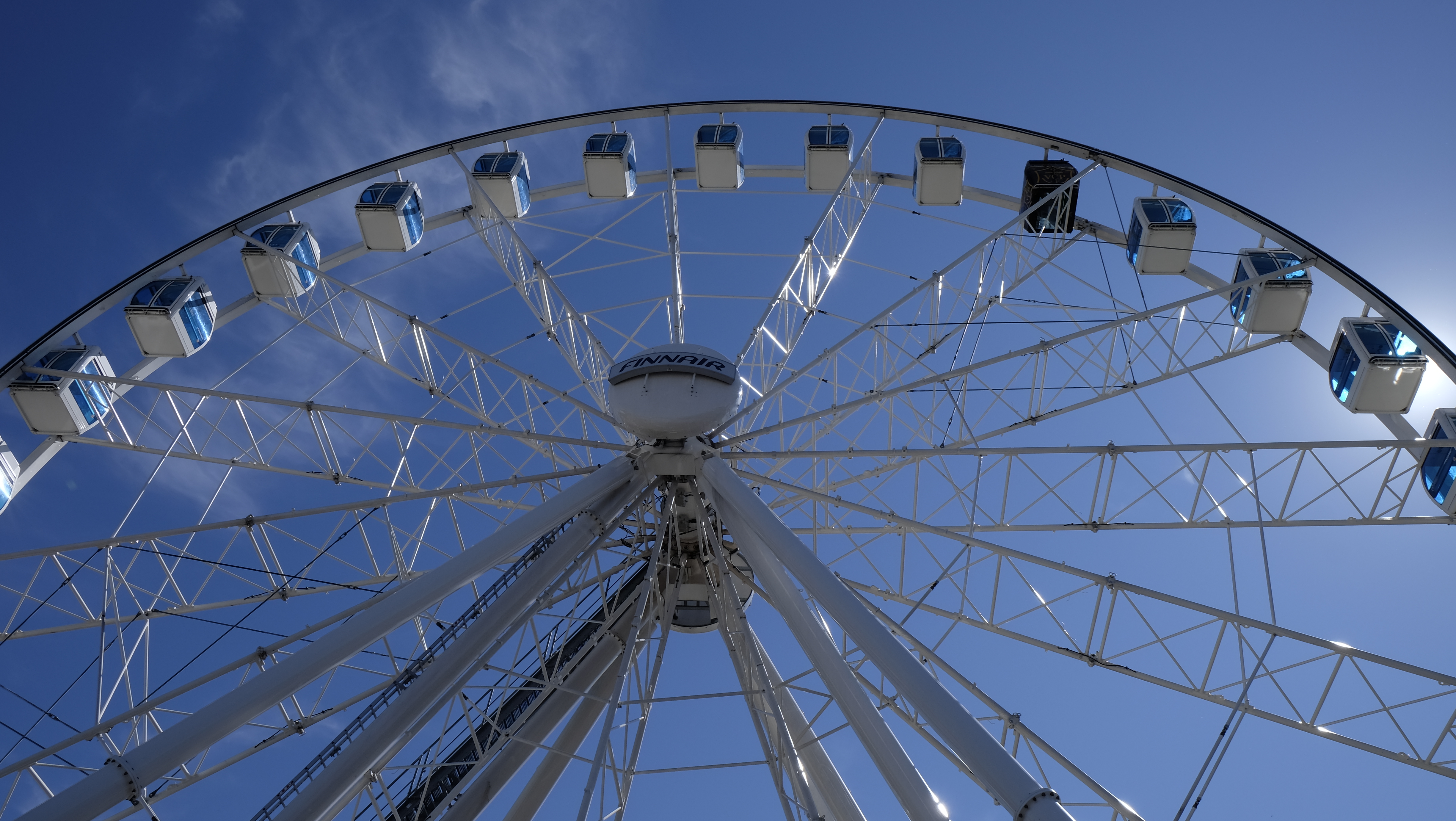
 Couldn’t resist a ride on the 460′ Skywheel. It rivals the London Eye but has a SkySauna, the world’s first and only sauna cabin mounted on an observation wheel. We are just beginning to understand how important saunas are in Finland.
The Finns are notorious sauna-fiends; the country is home to five million inhabitants and over three million saunas, yielding an average of one sauna per household. In Finland, the sauna is not a luxury, but a necessity, as well as a place for physical and mental relaxation. They can be found at lake houses, in apartments, corporate headquarters and even at the House of Parliament. There is an unwritten code of conduct for the sauna and before public health care, almost all Finnish mothers gave birth in saunas.
Leave a Reply