Saturday, December 31, 2016 | Language: English | Currency: Australian Dollar | Population = 5.25 million
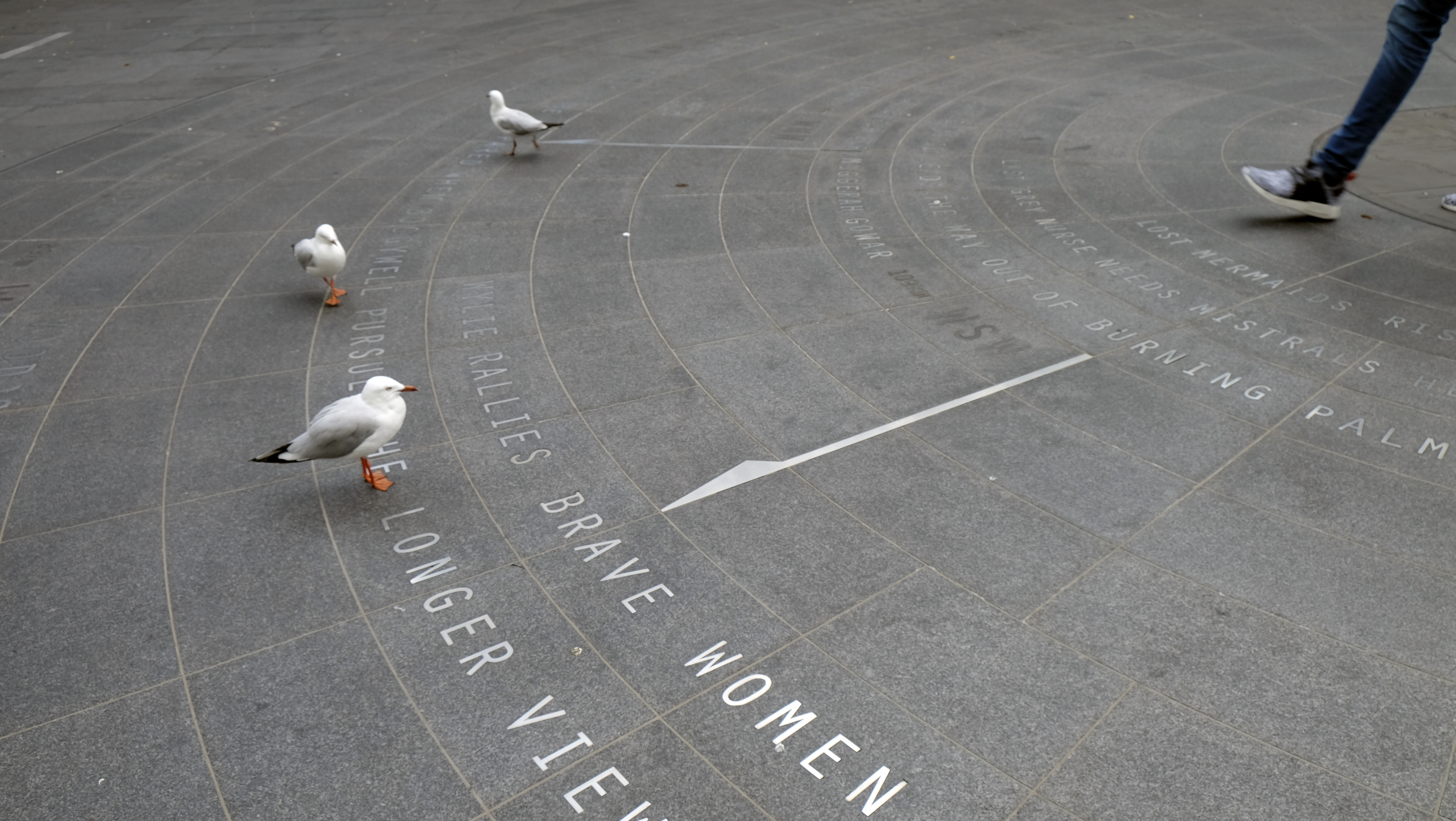
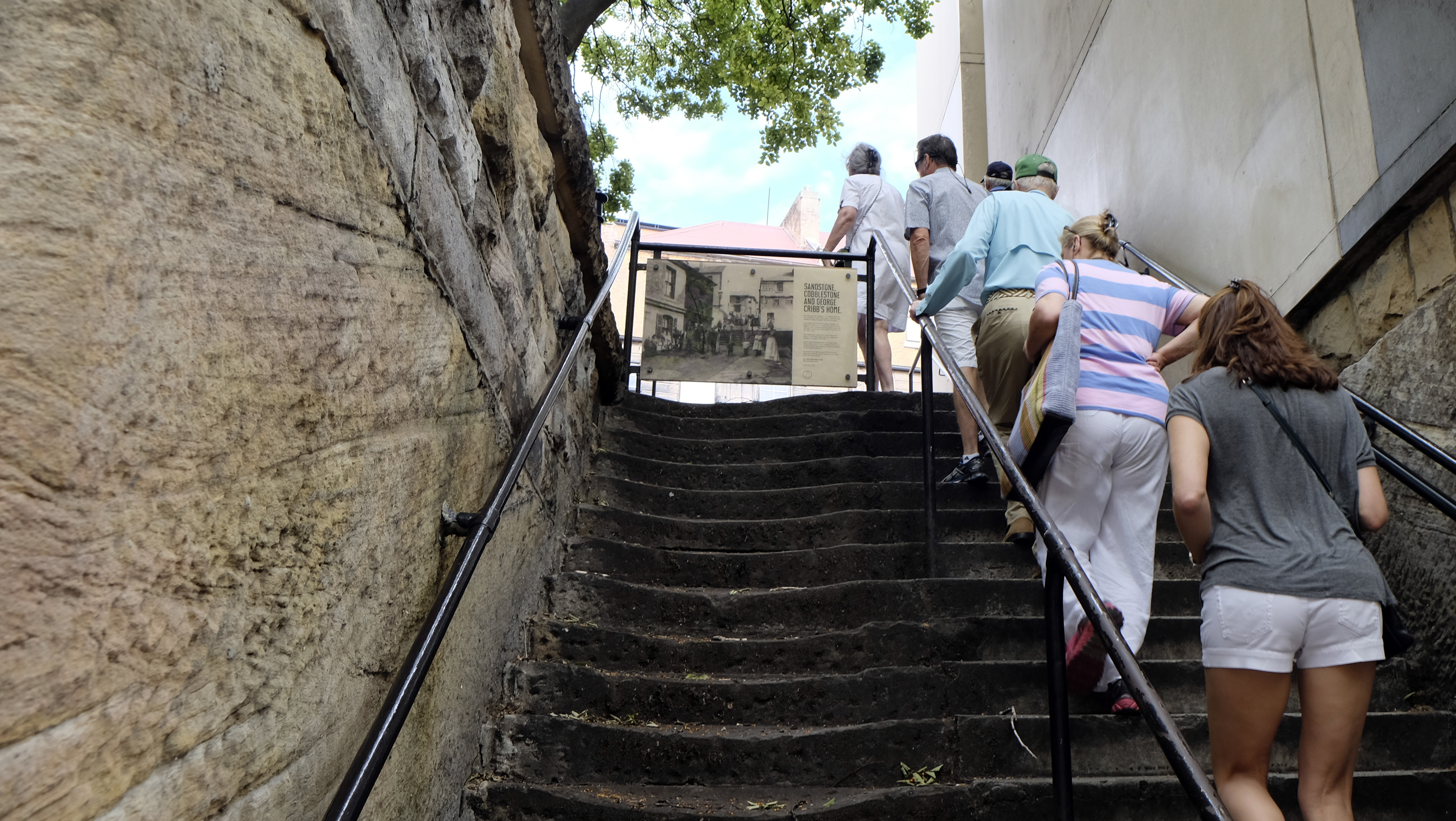
Today we explored Sydney’s rather rough and tumble social history during a guided walk through the city, entitled “Convicts, Strumpets and the Plague.” Although strumpets may sound like a tempting British pastry, it actually means a harlot. Good thing I did not sign up just for the food.
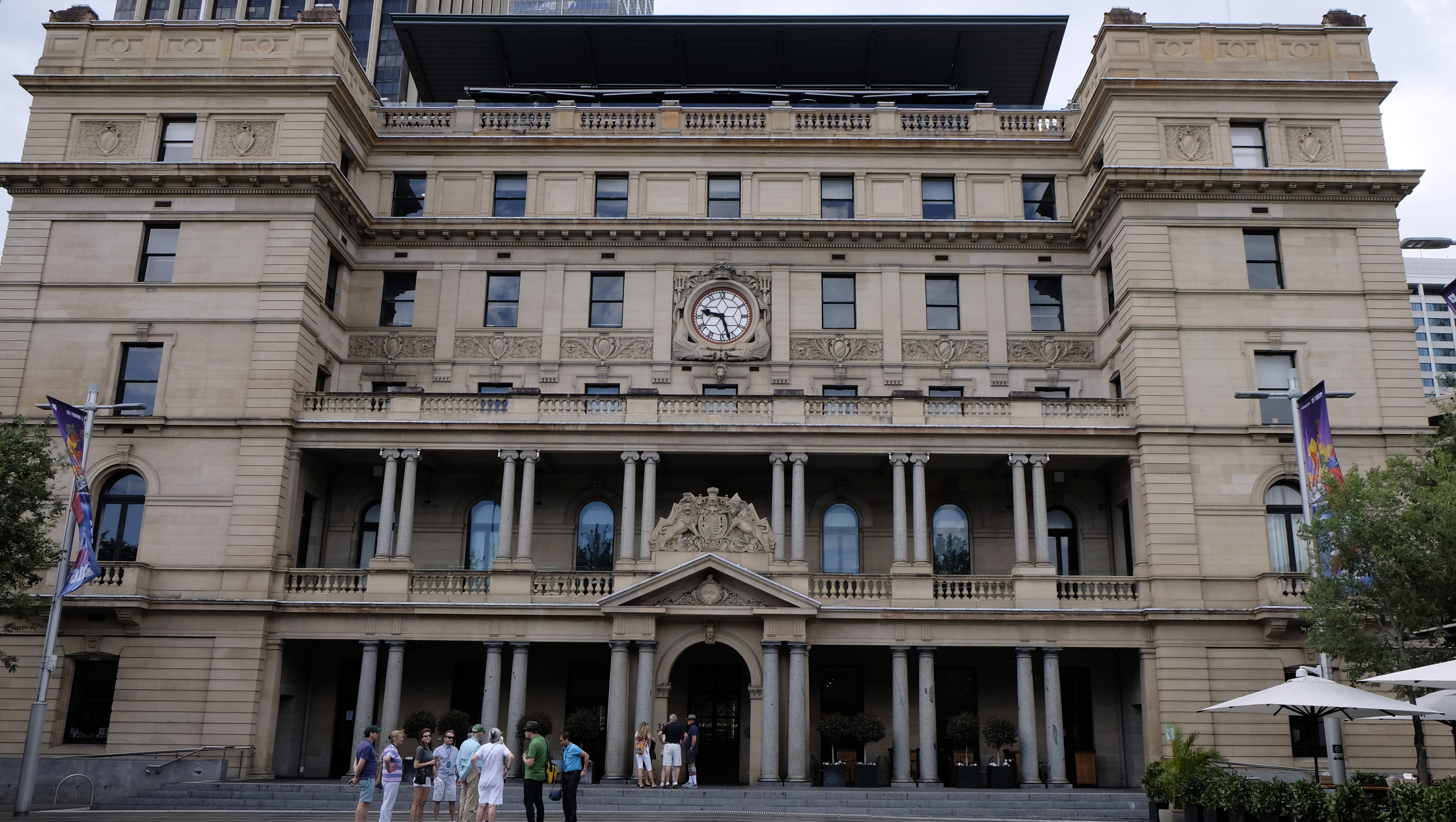
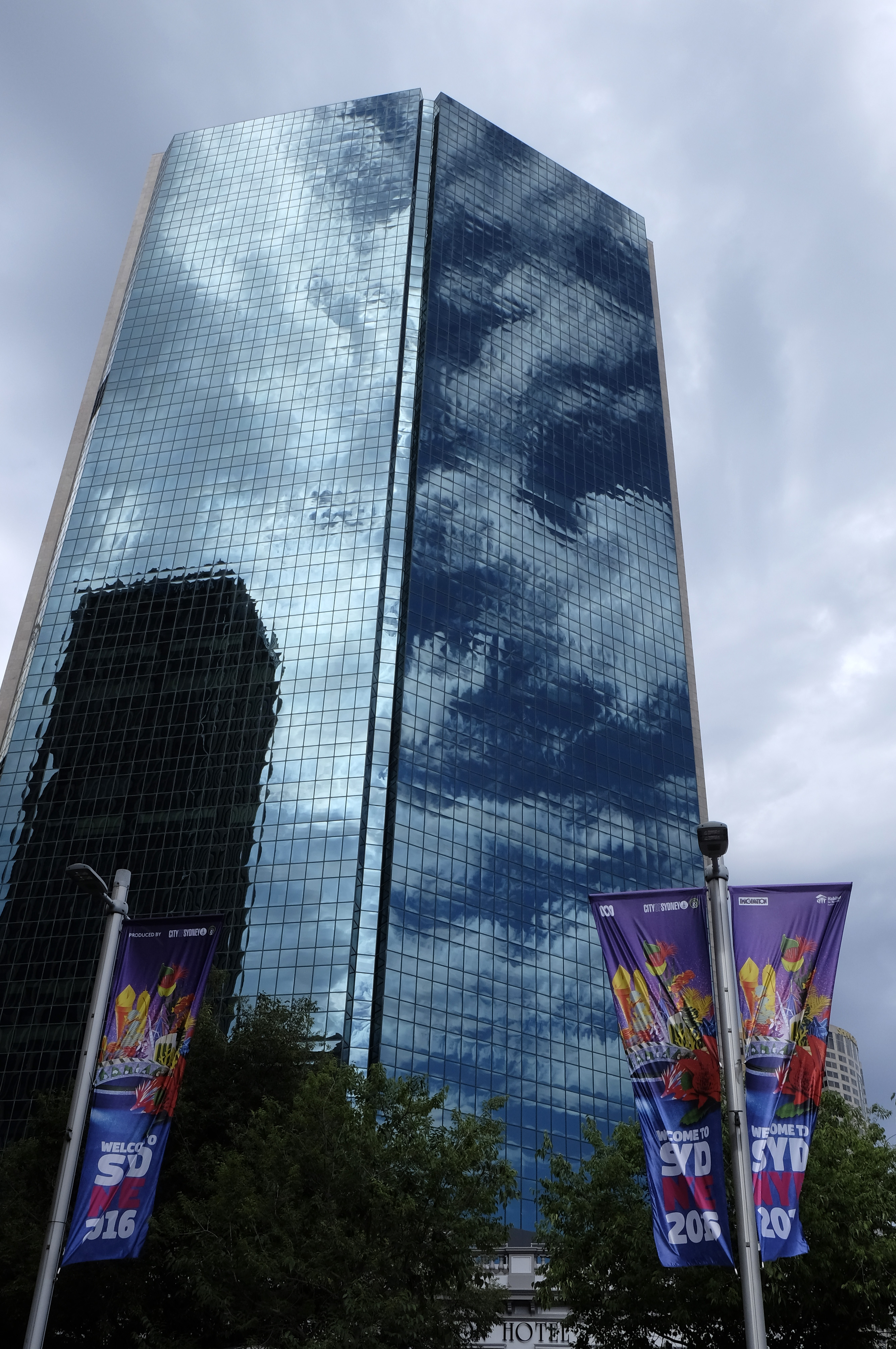
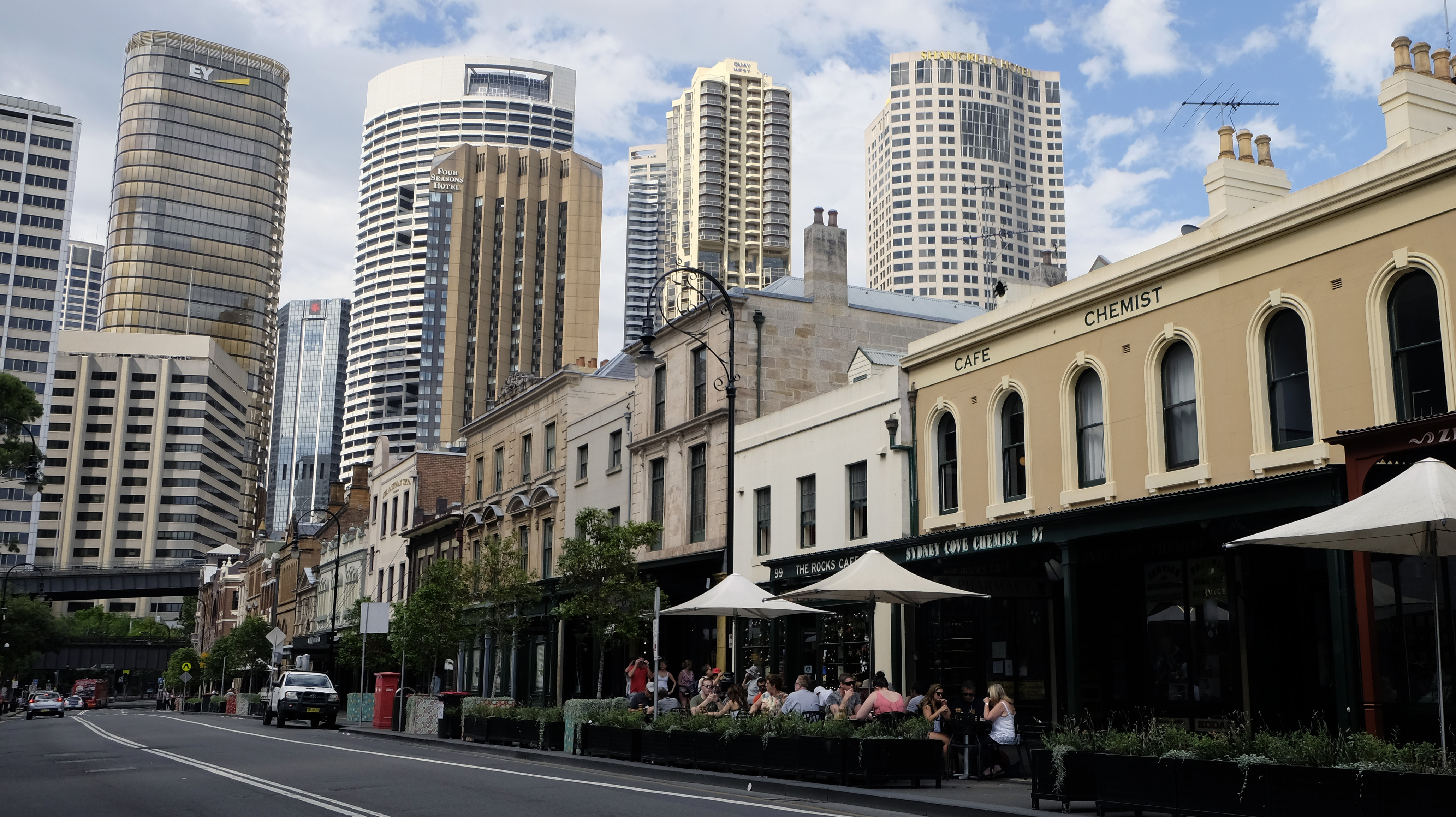
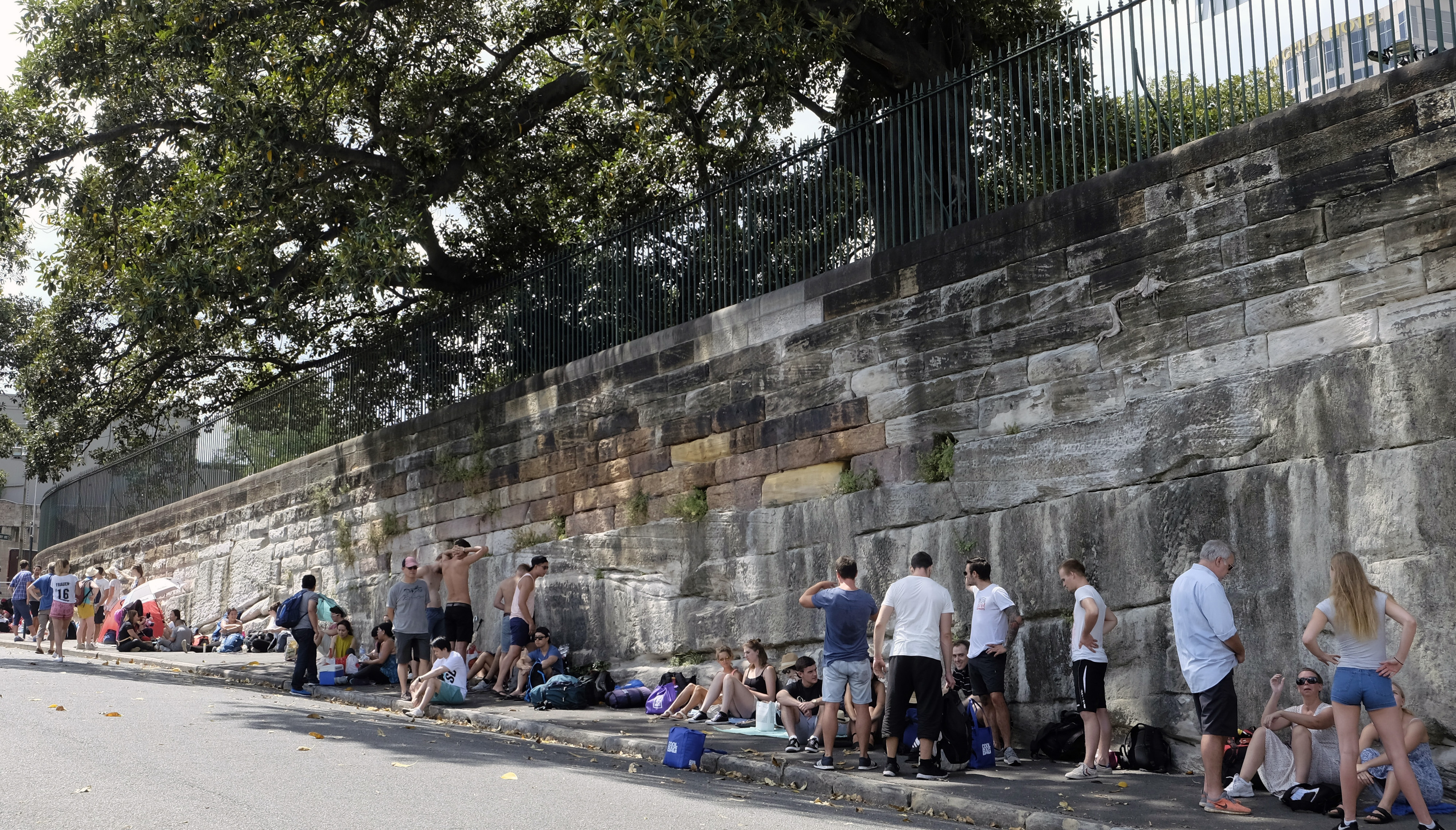
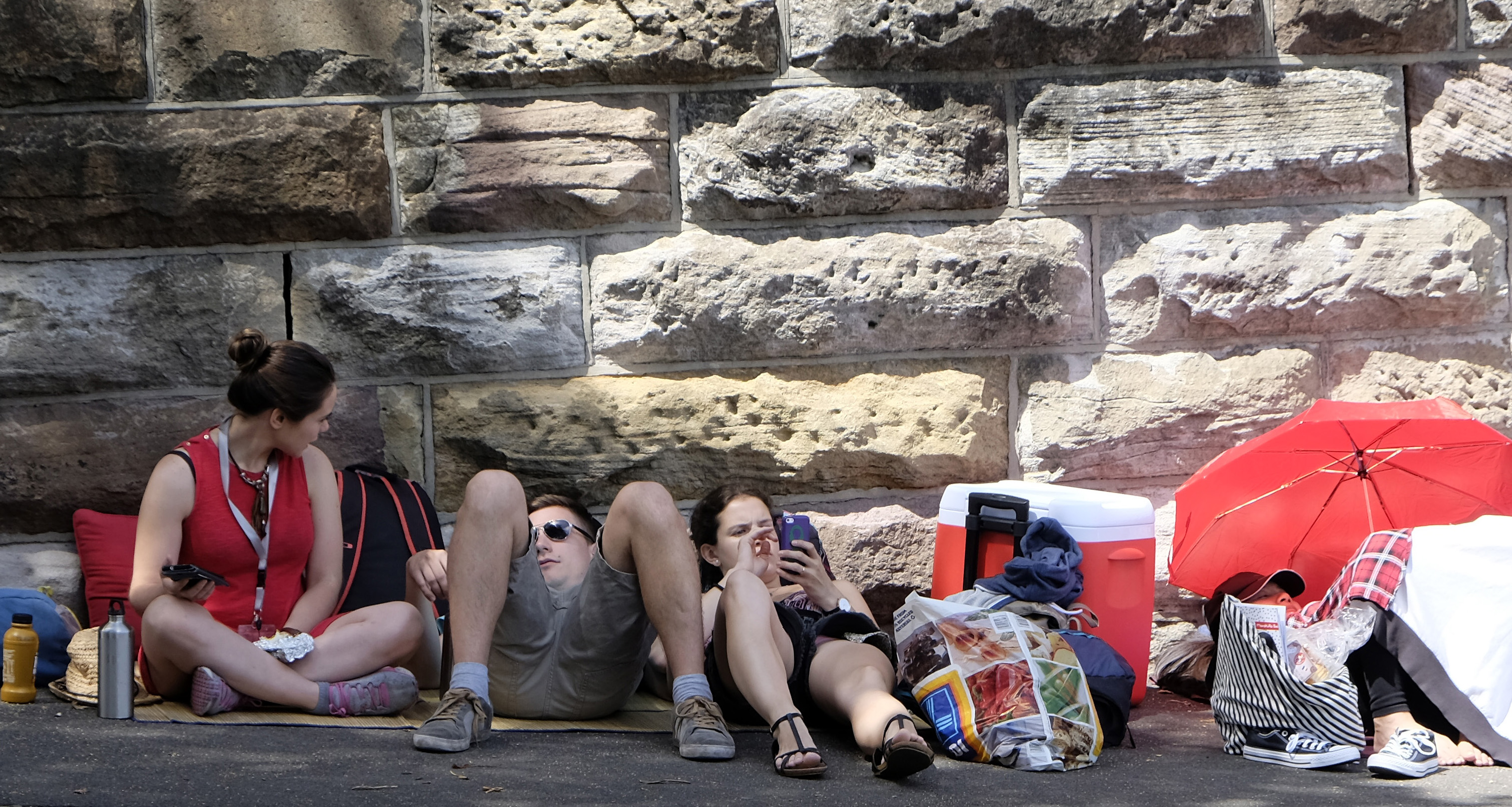
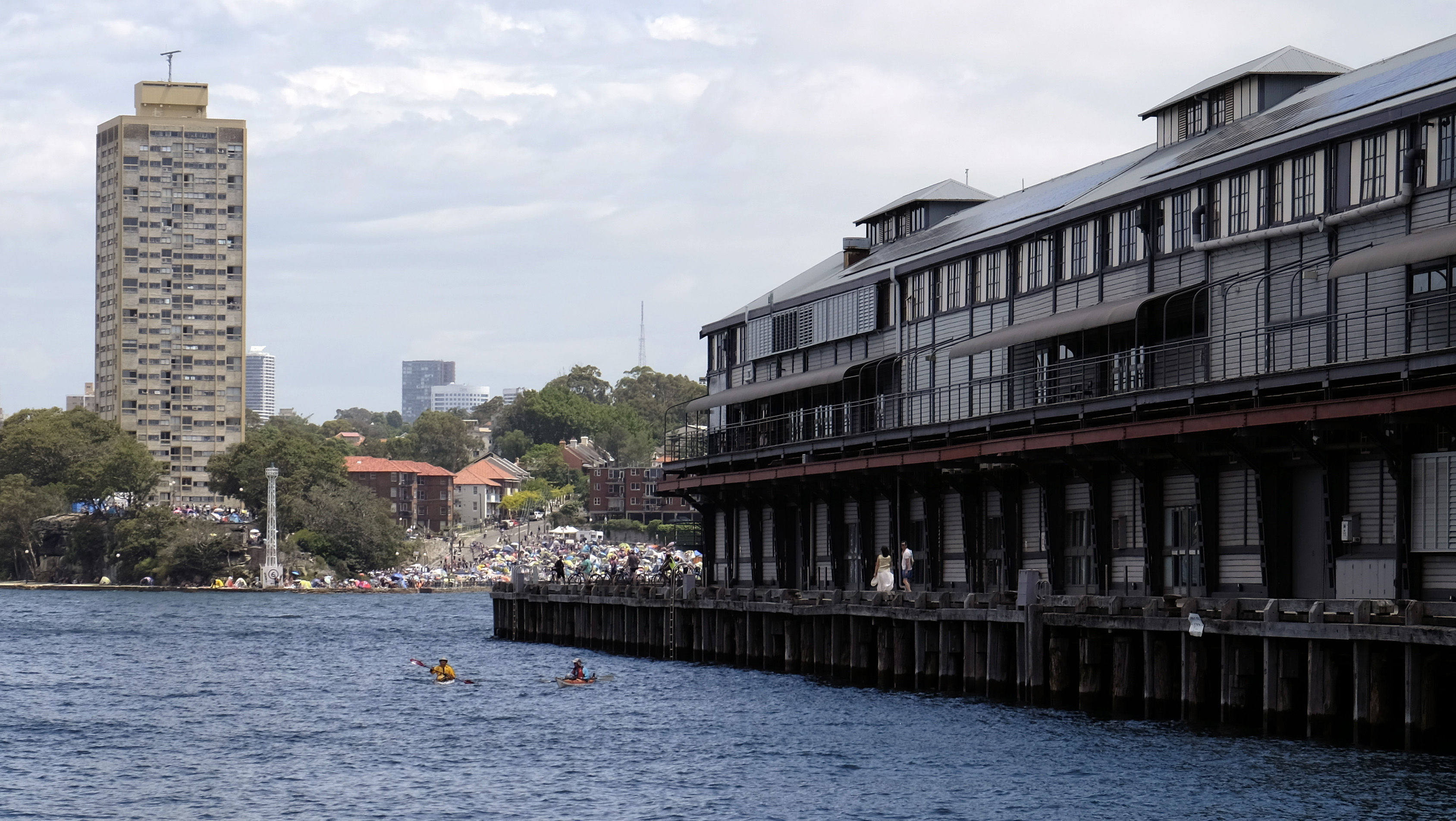
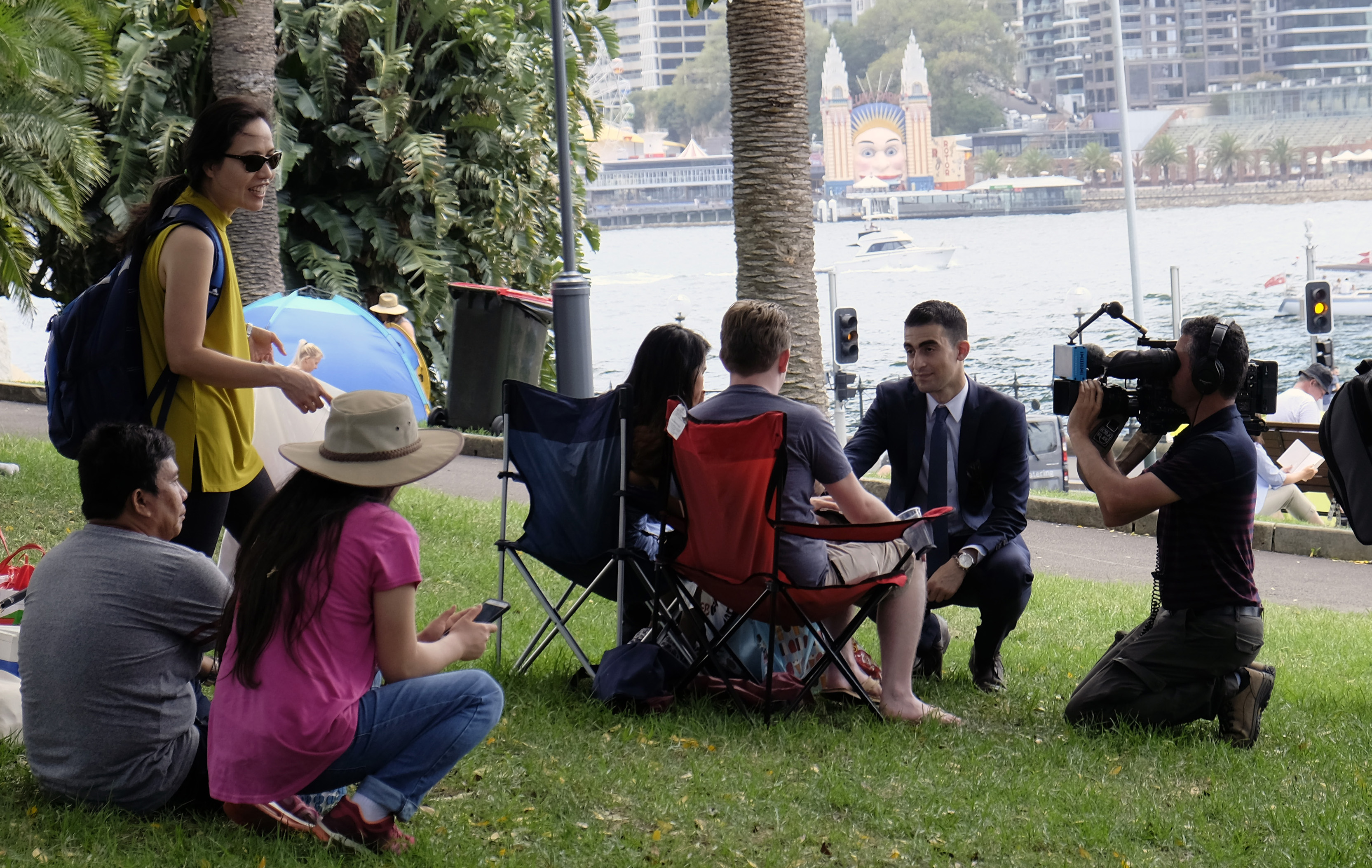
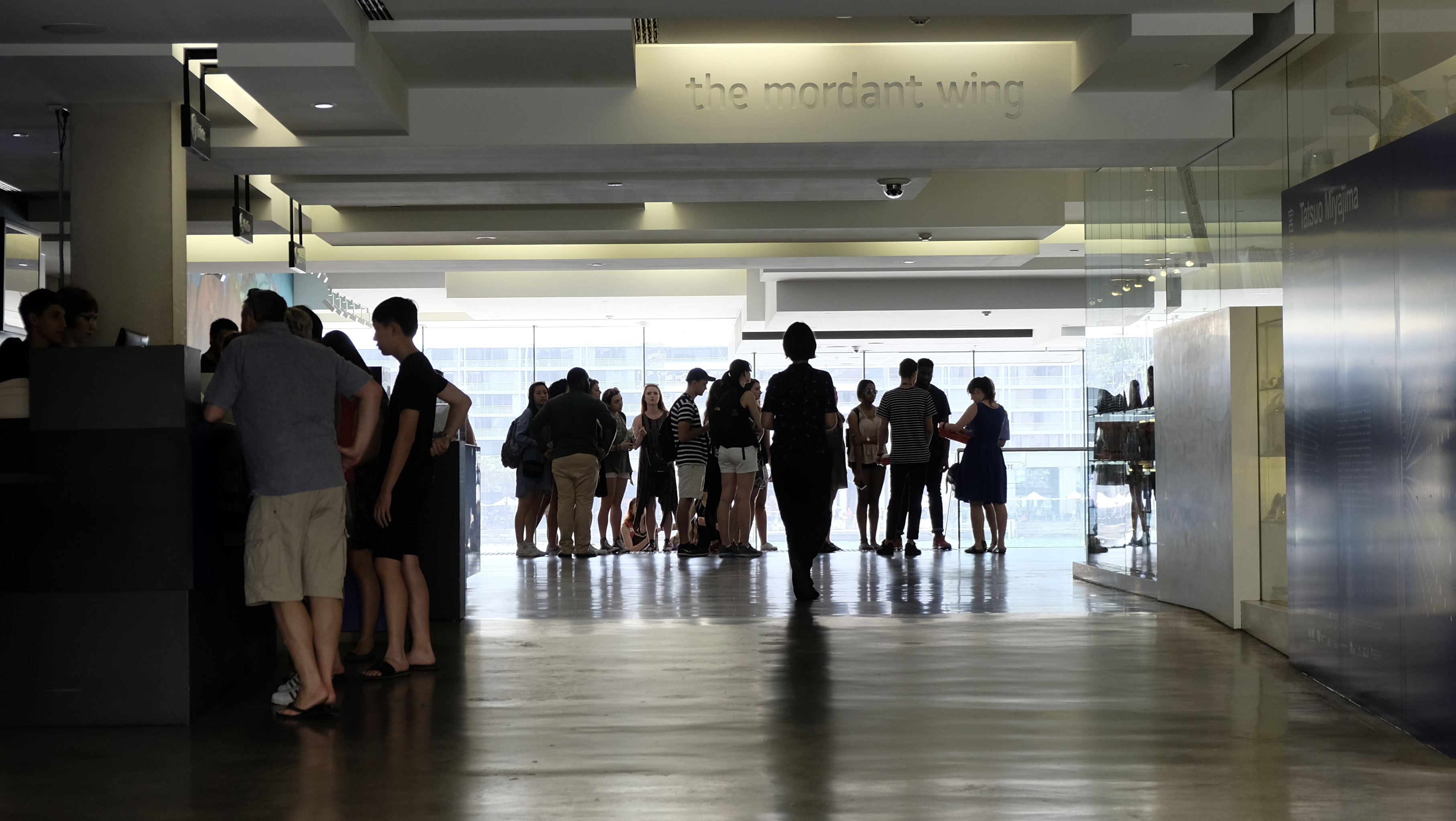 My highlight was walking around and seeing the city: the old, the new, the newly discovered and the ancient unearthed. But the real pulse of the city could be felt in the excitement for tonight’s New Year’s Eve performance. People were camped out for their spot to watch. It made the city feel so alive. It should be, as 1.5 million people are expected to attend the fireworks show at midnight. Our guide told us it’s the only day the city takes seriously.
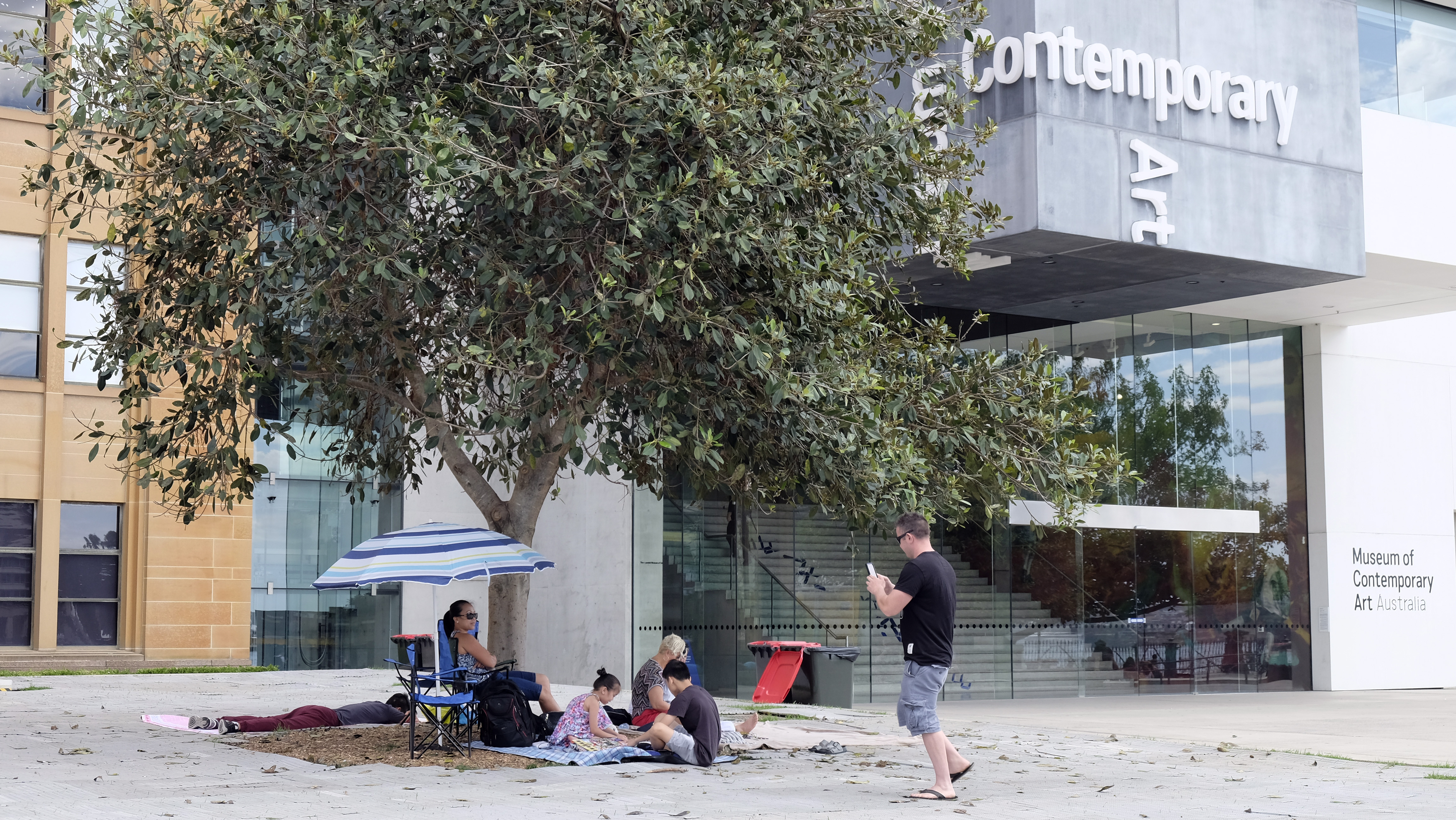
But first, let’s learn a little history. After all, what’s a city without dirty little secrets. The sign, Butchery, Bigamy and Booze sure caught my eye. But let’s start at the beginning.
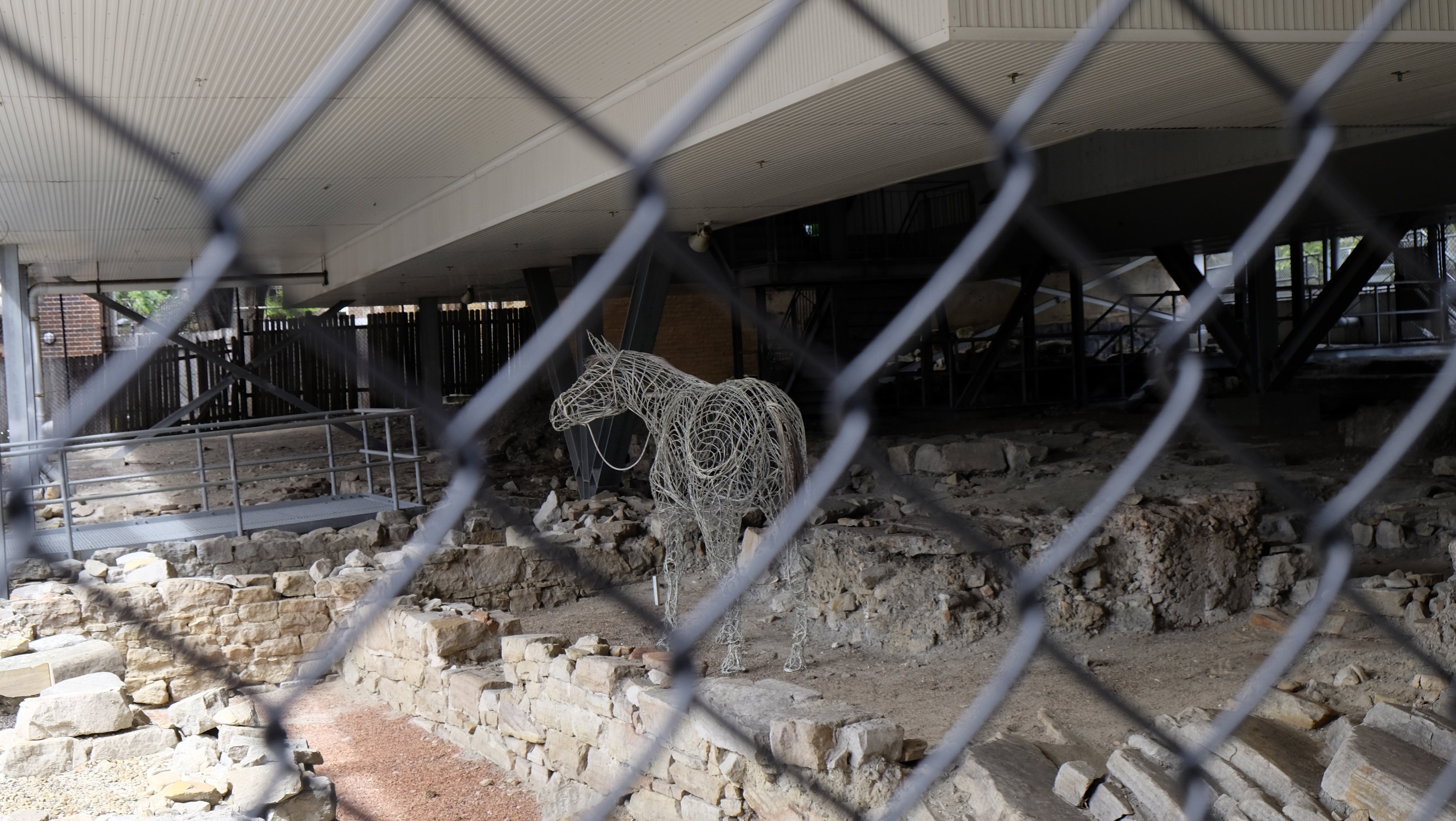
It was believed that Australian Aborigines began living in Sydney during the Paleolithic period around 30,000 years ago. However during an archaeological dig, stone tools and remnants of ancient campfires were discovered believing to date back 45,000 or 50,000 years ago. Suffice to say, humans have settled here quite a long time.
The modern history of the city began in 1700s with the arrival of British ships. Although there were previous sightings of the continent, it was James Cook’s arrival with the First Fleet in 1770 that put Sydney on the map. Captain Cook claimed the east coast for King George III and called it New South Wales. The British did nothing about their new acquisition for 18 years when it was decided to establish a colony of convicts in this far-flung corner of the earth. In no small measure, this was due to the American War of Independence preventing Britain from sending convicts to the American colonies.
The First Fleet brought over a thousand settlers including 778 convicts. Soldiers and prisoners worked to carve out a rough and ready settlement using European knowledge. They ignored the local people’s skills, the Aborigines who had lived there for so long. They were now being decimated by new European diseases. On several occasions the new settlement came close to starvation.
Under the governorship of Lachlan Macquarie (1810-1821), there was a conscious push to transform the penal colony into a city, and trade provided the main means of doing so. Free settlers began to arrive, convicts earned emancipation and the economy evolved driven by whaling, sealing and the lucrative wool trade. By the 1840s, approximately 35,000 people lived in the town and convict transportation had ceased.
Then came the gold rush. When gold was discovered in 1851 large number of immigrant miners poured into the city from Europe, North America and China. The population grew from 39,000 to 200,000 people 20 years later. Demand for infrastructure to support the growing population and subsequent economic activity led to massive improvements to the city’s railway and port systems throughout the 1850s and 1860s.
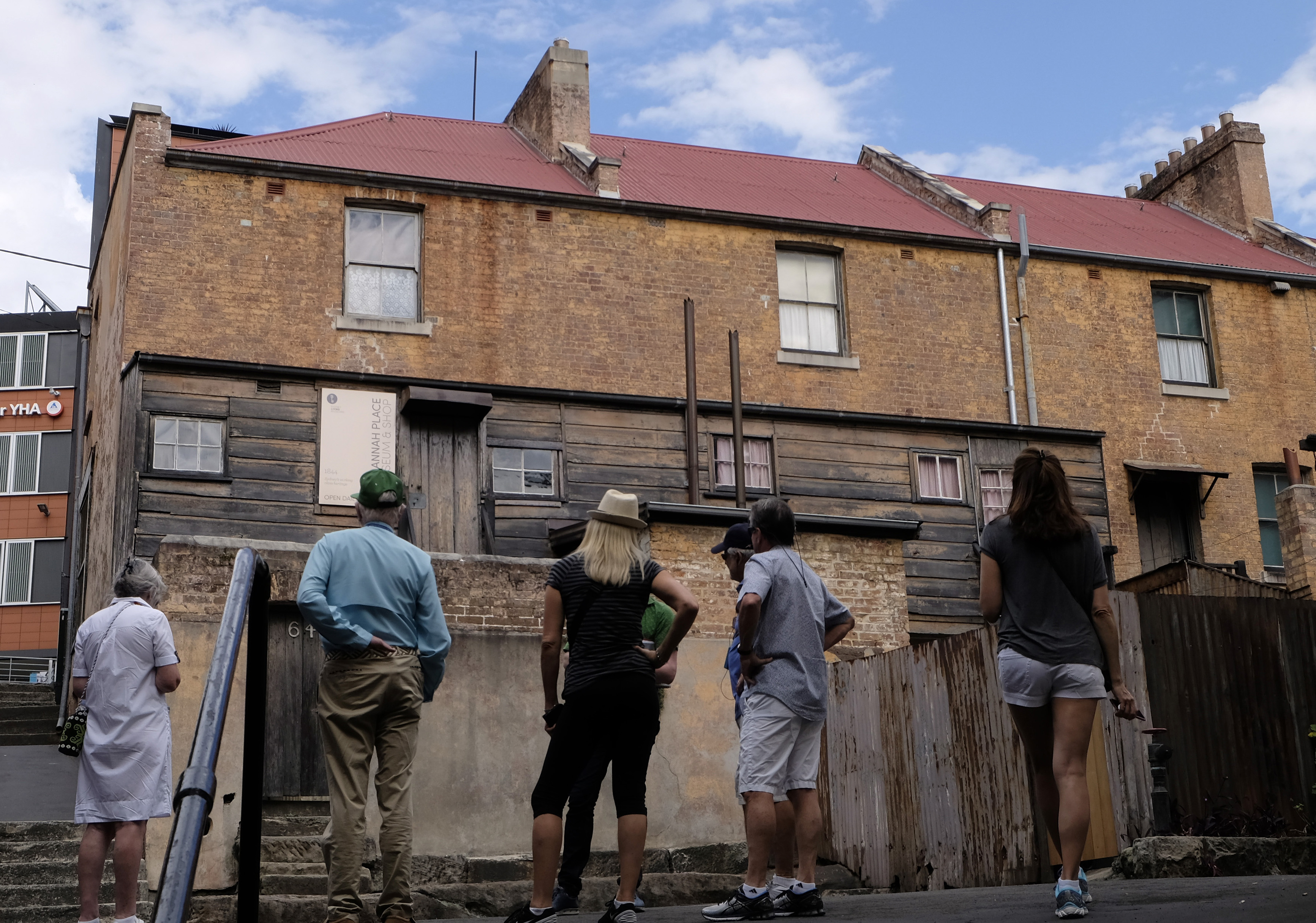
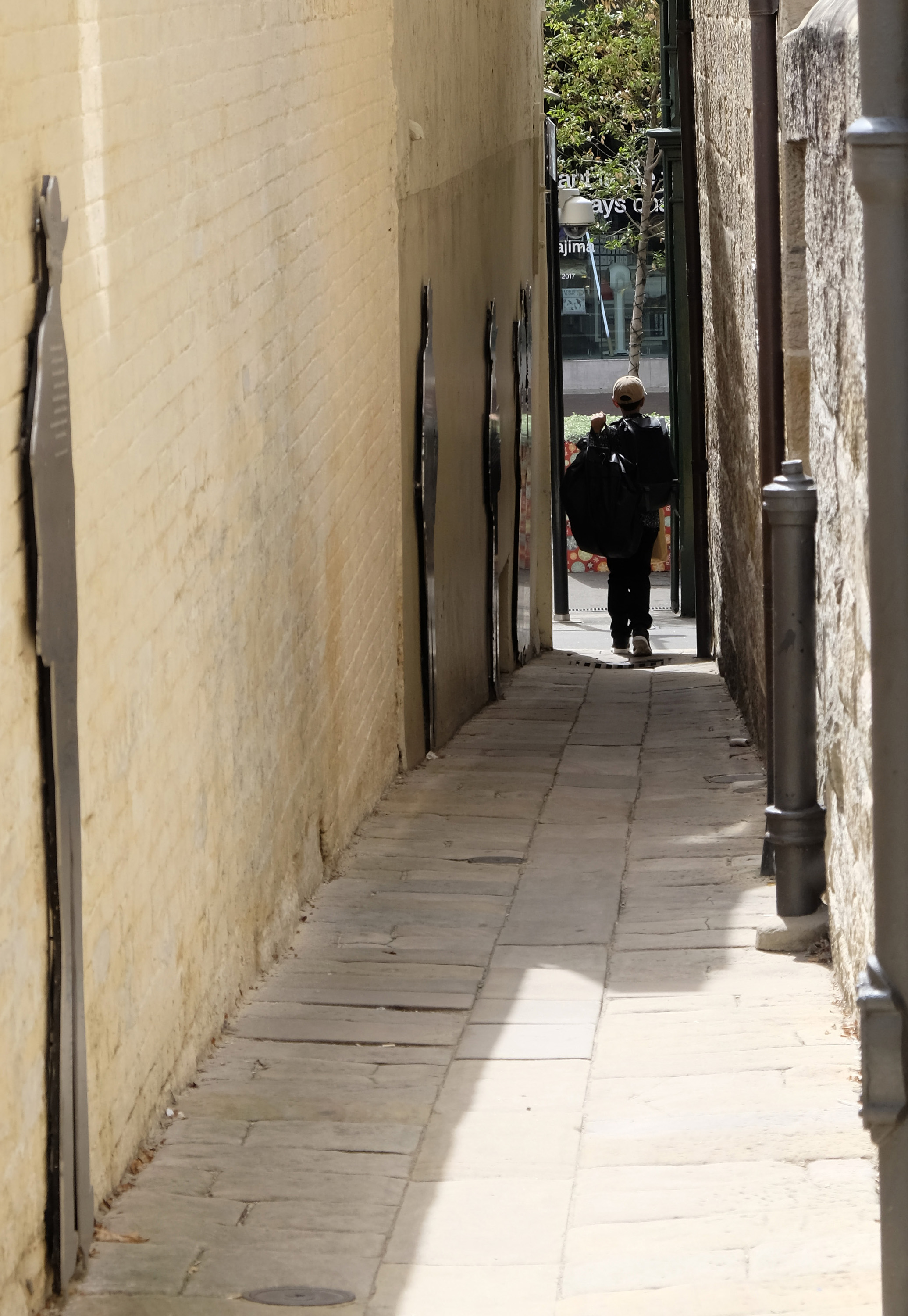
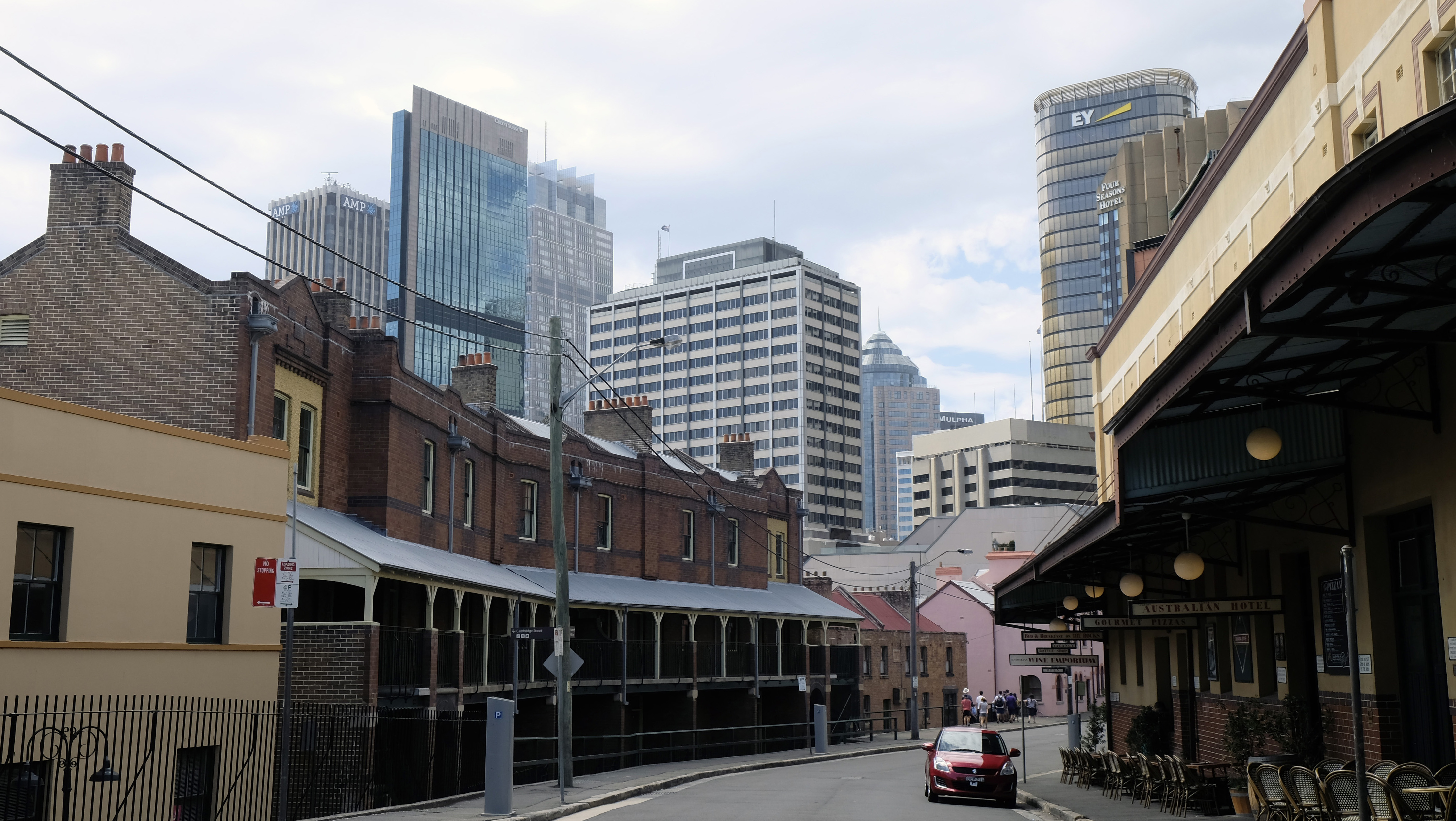
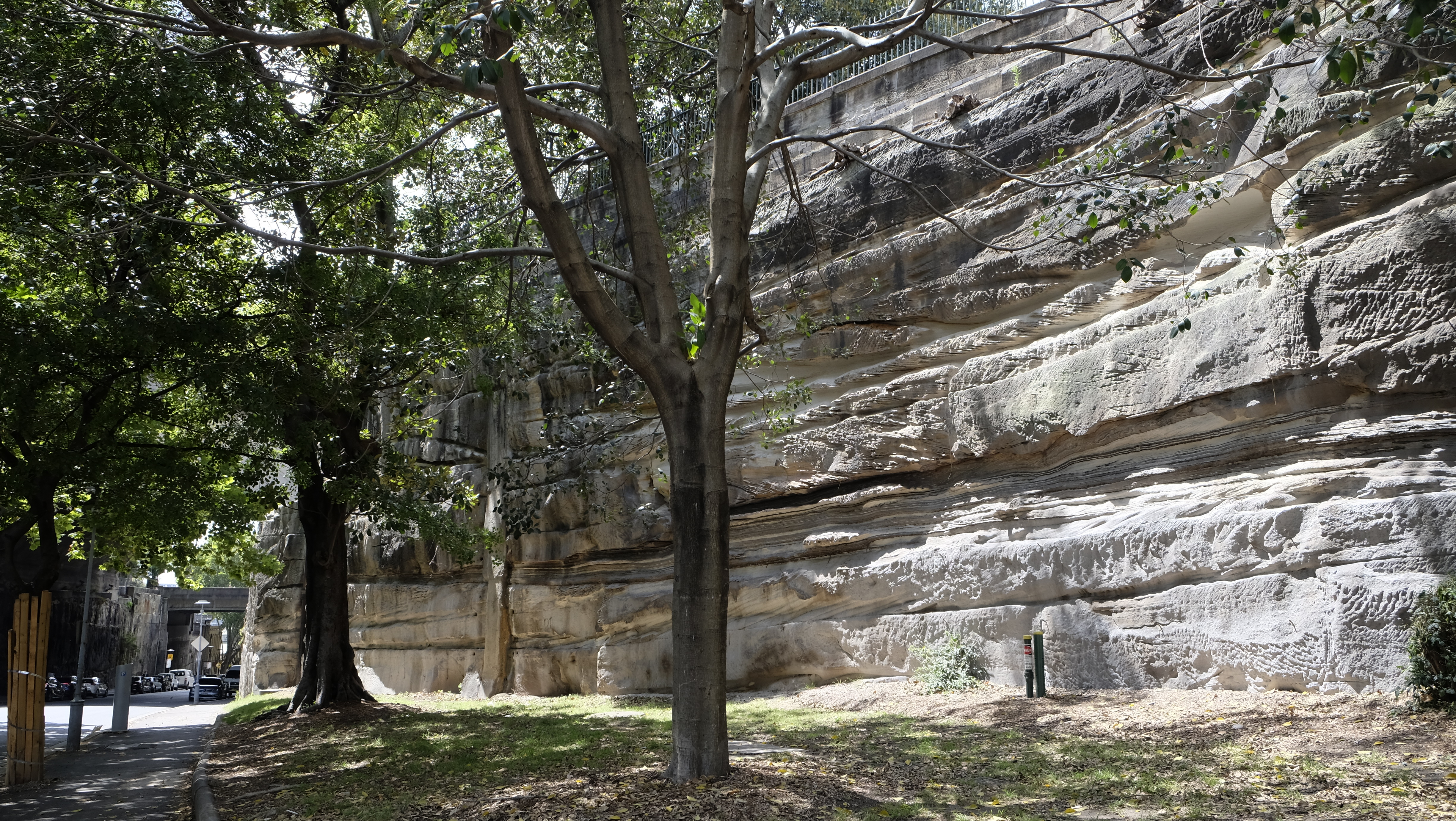
Exuberance in architecture is a legacy of these prosperous decades, with Victorian edifices being built to house a burgeoning society. The public symbol of this period of growth is the golden local Sydney sandstone used to build places such as Town Hall, the General Post Office and the rapidly multiplying offices of the civil service in the eastern side of the city.
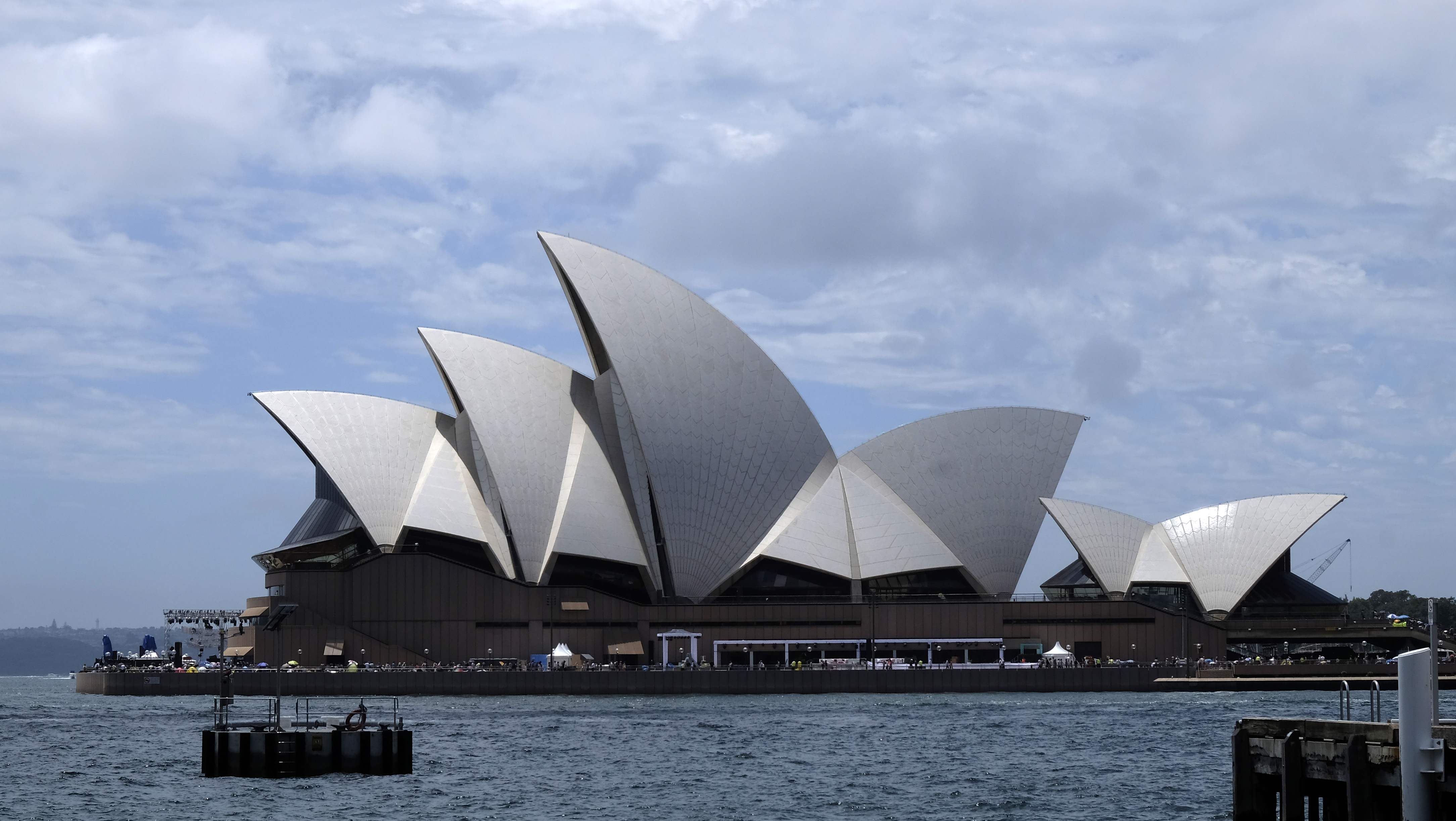
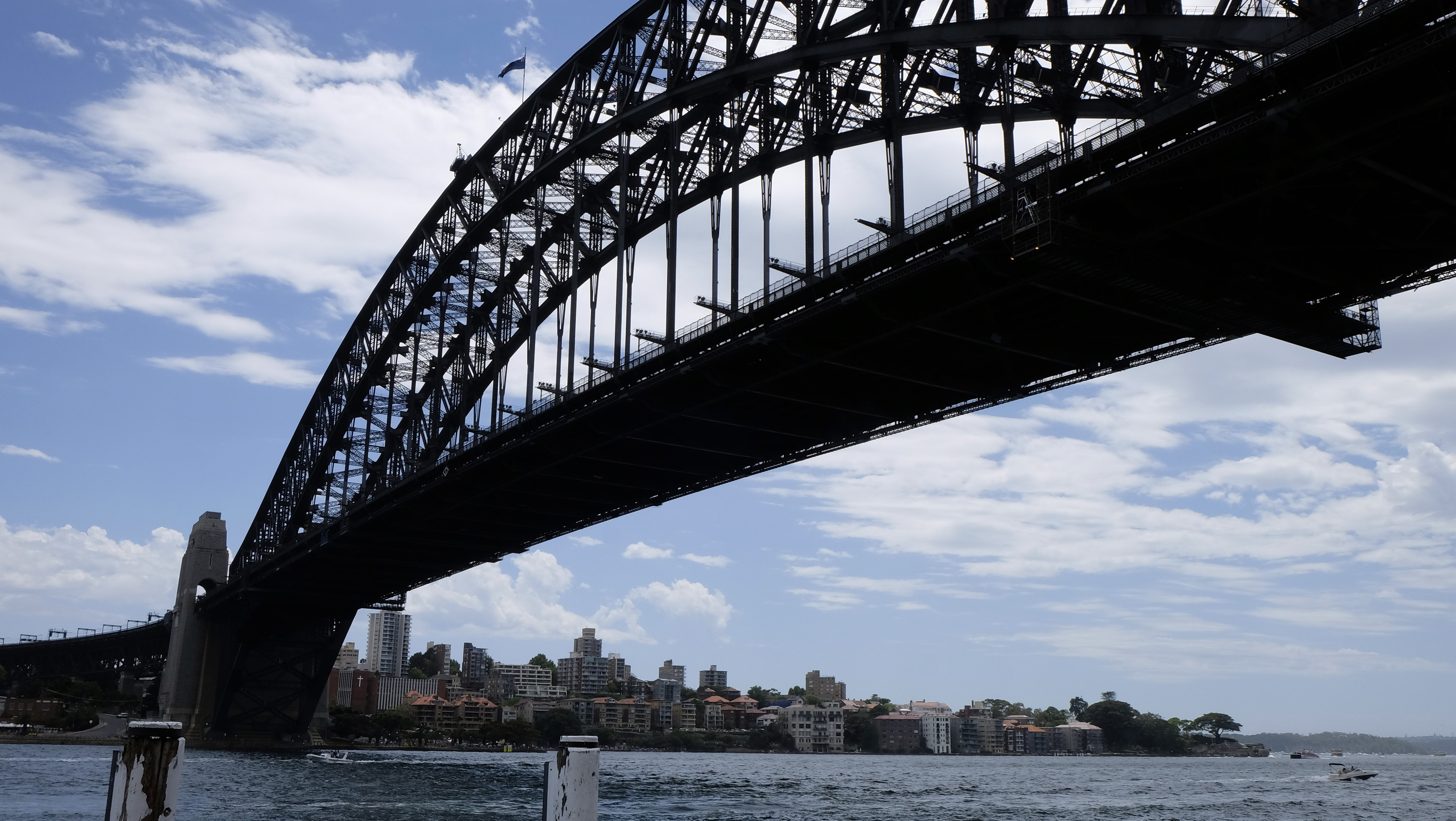
By the end of the 19th century Sydney was one of the largest cities in the western world, with a population of half a million people. While it did not maintain that position in the 20th century, the City’s harbor, enhanced by the Harbour Bridge and the Opera House, has made Sydney an instantly recognizable city worldwide.
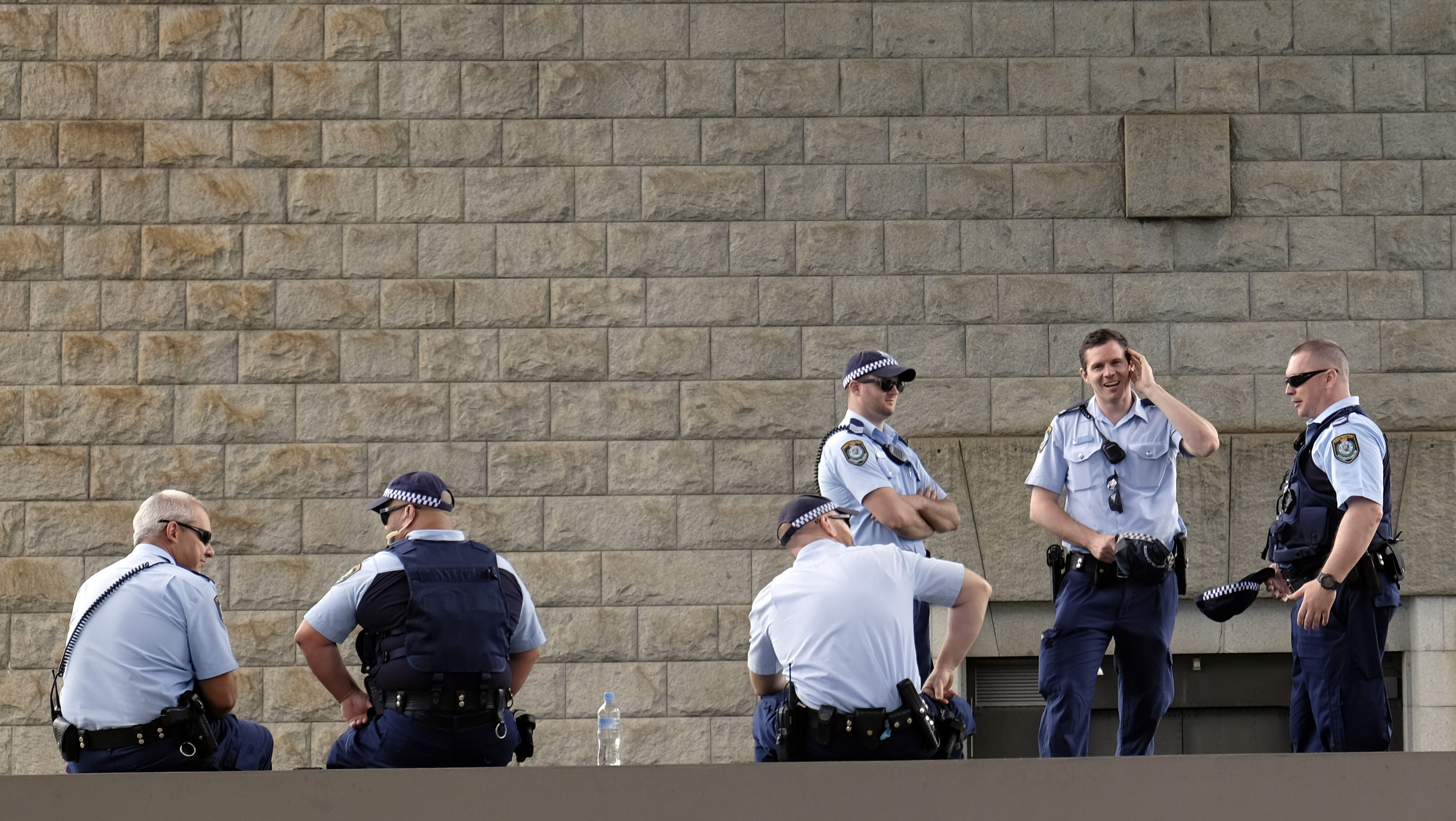
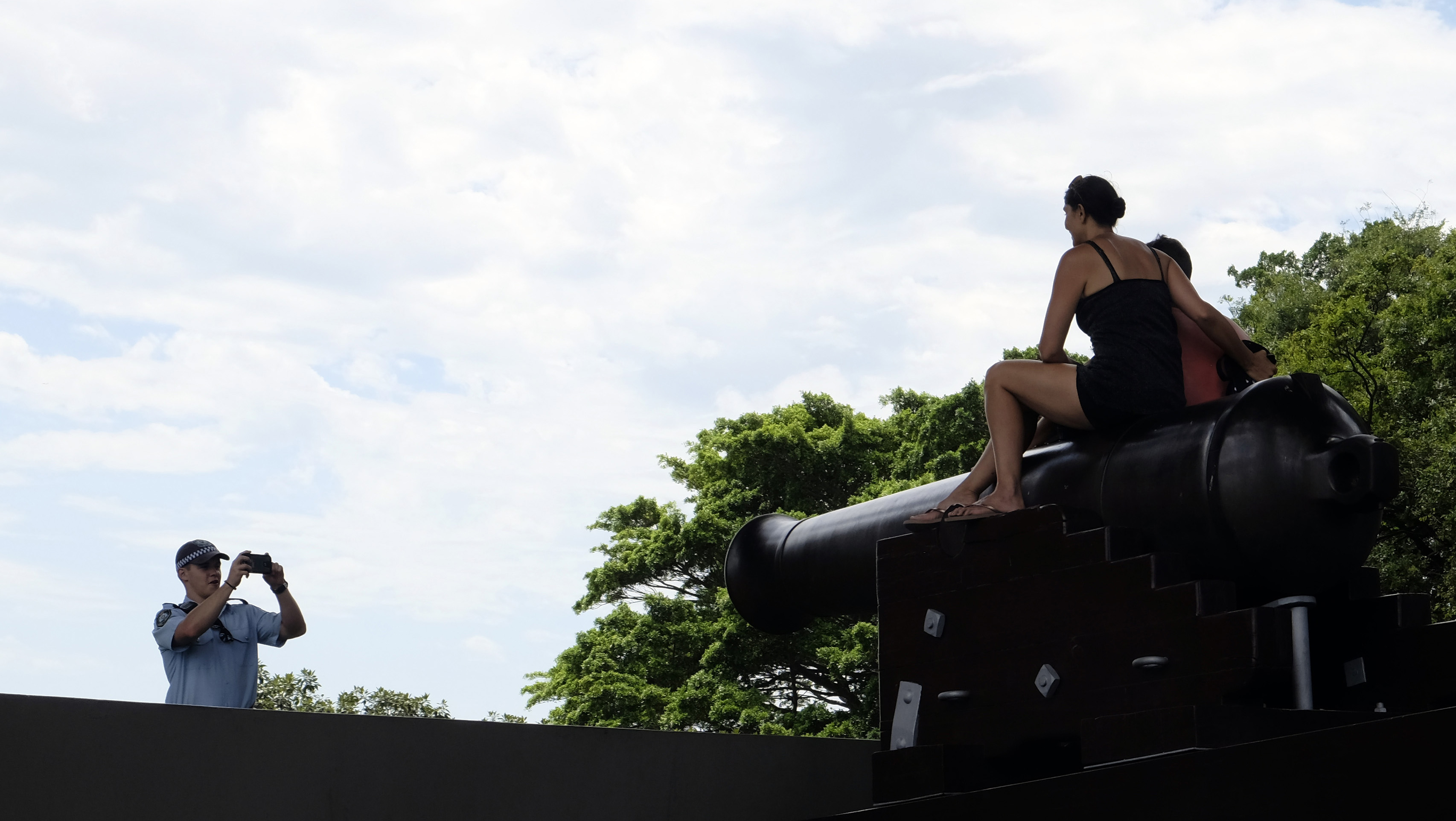
We were told the crime rate is low in Sydney because it is so well policed. There were certainly plenty of bobbies around town today.
Sorry Melbourne, in my opinion, Sydney is the better city. At least to visit.
Leave a Reply