Saturday, August 19, 2017 | Language: English | Currency: U.S. Dollar | Population = 8,830
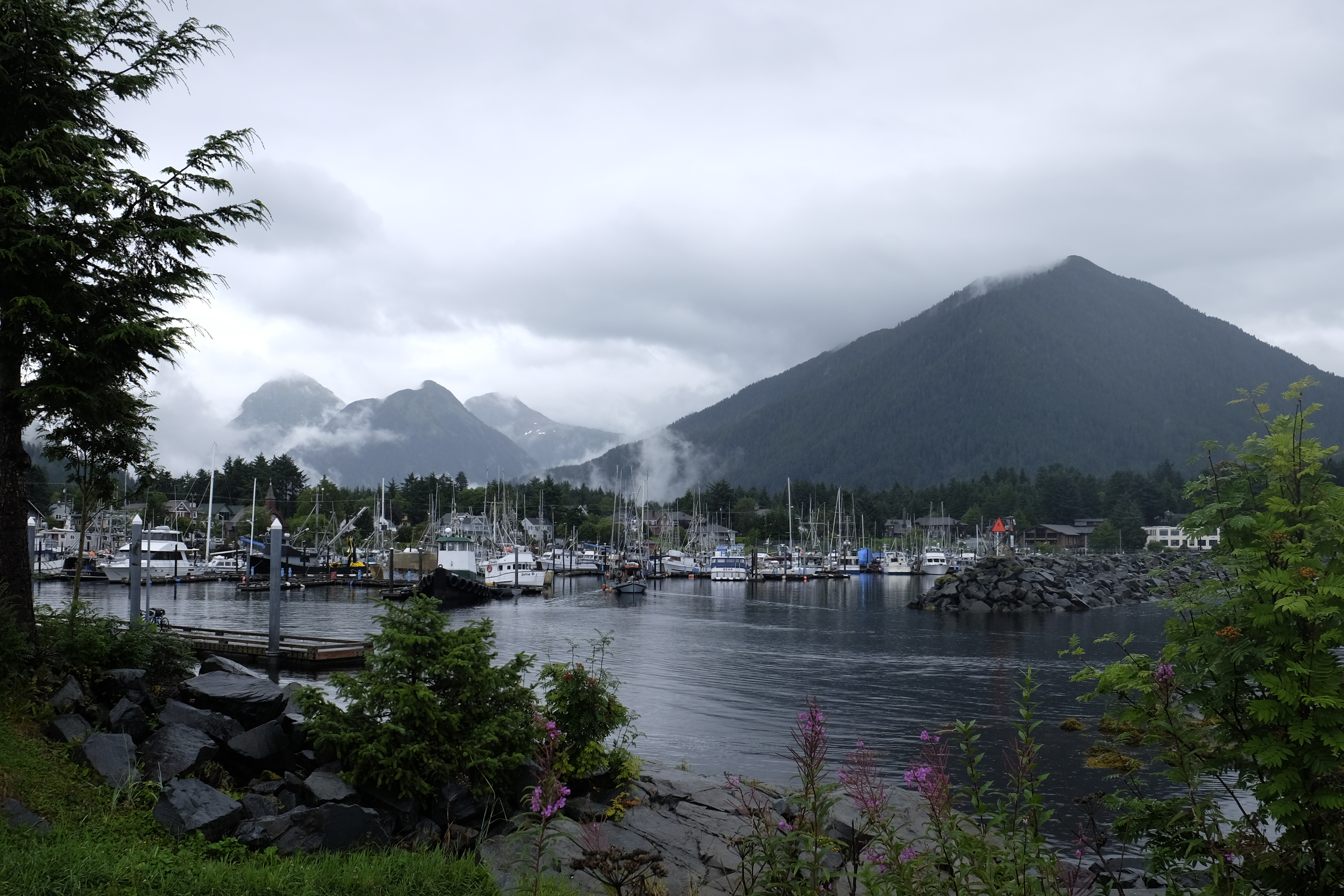
According to the tourism website, Sitka is thought to be the most beautiful of all the southeastern Alaskan cities. However, the reason we chose to embark in Sitka was they had a nonstop flight from Seattle.
Sitka is not connected to the mainland and is a four-day ferry ride from Washington. That means every delivery needs to come by barge which creates a high cost of living. That cannot be why people choose to live here.
The climate in Sitka is mild but really rainy. They receive 10’ (yes, I mean feet) of rain a year. Last year they received only 1′ of snow, a somewhat typical year. The weather can’t be why people choose to live here.
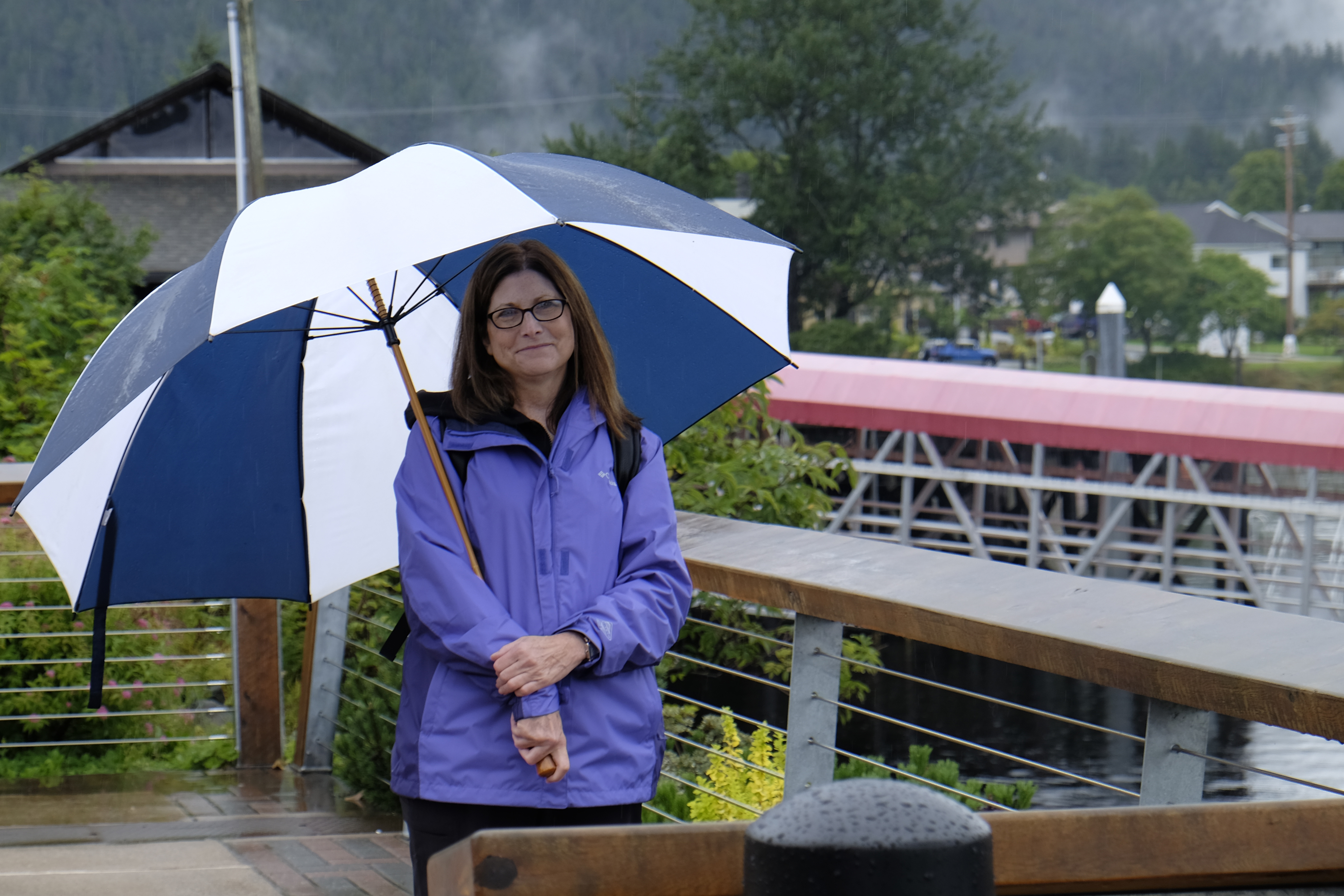
The actual land area is nearly 3,000 miles, making it the largest city in Alaska – a fact that takes some getting used to once you realize that Sitka only has two stoplights.
Civic engagement is higher than average, the crime rate is lower than average and the quality of schools is a 7 out of 10. It was voted one of the Top Ten Small Towns in 2016. That, combined with sweeping, majestic vies of the Pacific Ocean, must be why almost 9,000 people choose to call Sitka home.
Before it was called Sitka, the borough was named New Archangel. With a unique blend of Russian and Tlingit (natives) culture, Sitka’s past remains a tangible part of its present. Russian fur traders eventually overpowered the Tlingit, establishing a new settlement by Alexander Baranov, the governor of Russian America. Although most of the Russians returned to their homeland after the purchase of Alaska by the United States in 1867, their legacy remains visible. The Russian Orthodox Church still has 89 active parishes in native villages throughout Alaska thanks to the foresight of Bishop Innocent Veniaminov who translated scriptures from Russian, allowing indigenous people to worship in their native language.
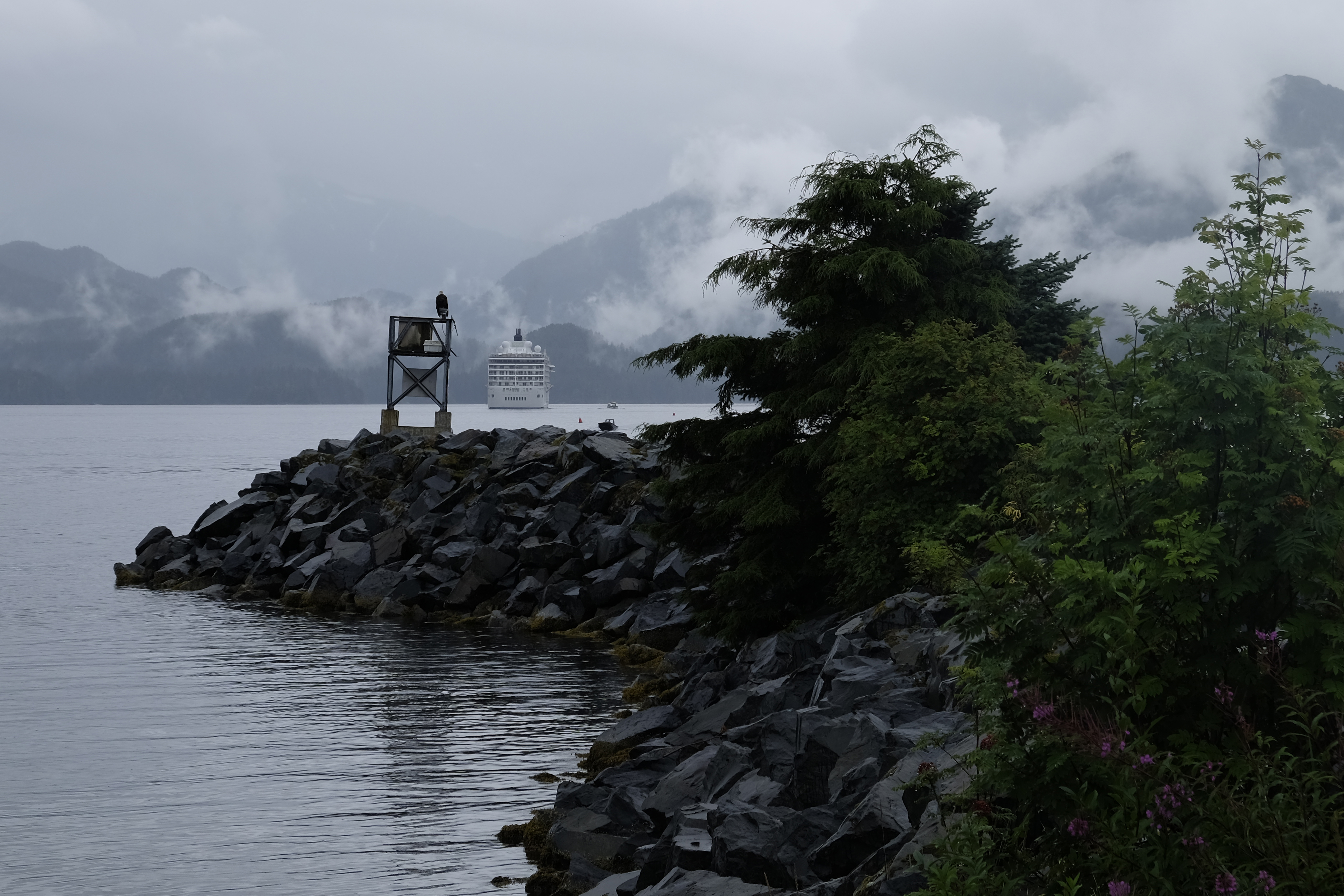
Residents of Sitka also have a sense of humor, being placed in the annals of epic April Fools tricks.
On the morning of Monday April 1, 1974 residents awoke to a bright, clear day. They could see right across Sitka Sound to Kruzof Island, where the familiar sight of Mount Edgecumbe, a volcano dormant for 400 years, loomed. But today something was different about the view. A menacing plume of black smoke was rising from the crater. It looked like the volcano was preparing to blow.
Concerned residents spilled out of their homes onto the streets to gaze up at the volcano. Calls poured into local authorities. The Coast Guard commander radioed the Admiral in Juneau who ordered a chopper be sent out to investigate.
As the Coast Guard pilot approached Mt. Edgecumbe, the plume of smoke grew in size. Finally, he was right above it and peered down into the crater. At first, he could not believe what he was seeing. He looked more closely, and then he laughed. Stacked in the cone of the volcano, burning with a greasy flame, was a huge pile of old tires. And spray-painted in the snow beside the tires, in 50-foot-high black letters, were the words “APRIL FOOL.”
The fake eruption of Mt. Edgecumbe was the work of a local prankster, 50-year-old Oliver “Porky” Bickar. The idea to ignite the volcano had occurred to him in 1971. He collected 70 old tires that he kept in an airplane hangar. But he had to wait three years until the visibility conditions were just right for the prank.
When he woke that morning on April 1, he looked out his window and could see right across the sound. So, he looked at his wife, Patty, and said, “I have to go do it today.” She replied, “Just don’t make an ass of yourself.”
The prank succeeded beyond Porky’s wildest dreams. News of it got picked up by the Associated Press and ran in papers around the world. Alaska Airlines included the prank in their ad campaign the following year. According to local legends, when Mount St. Helens erupted six years later, a resident wrote to Porky, “this time you’ve good too far.”

Leave a Reply