Sunday, December 15, 2019 | Phnom Penh, Cambodia | Language: Khmer, French and English widely spoken | Population: 1,501,725 | Currency: Cambodian Riel
It is essential for first time visitors to Cambodia to learn about the Pol Pot regime and pay respect to those lost in the Khmer Rouge revolution. We visited Toul Sleng Genocide Museum and Cheung Ek, the best-known “Killing Field.” Although this atrocity happened during my lifetime and I knew very little about this history. During the four-year reign of terror more than two million Cambodians were tortured and died. I do recall Angelina Jolie tried to bring it to light when she produced the movie, First They Killed My Father, with her Cambodian son Maddox. But I did not understand the full story of this horrific genocide. It was quite sobering.
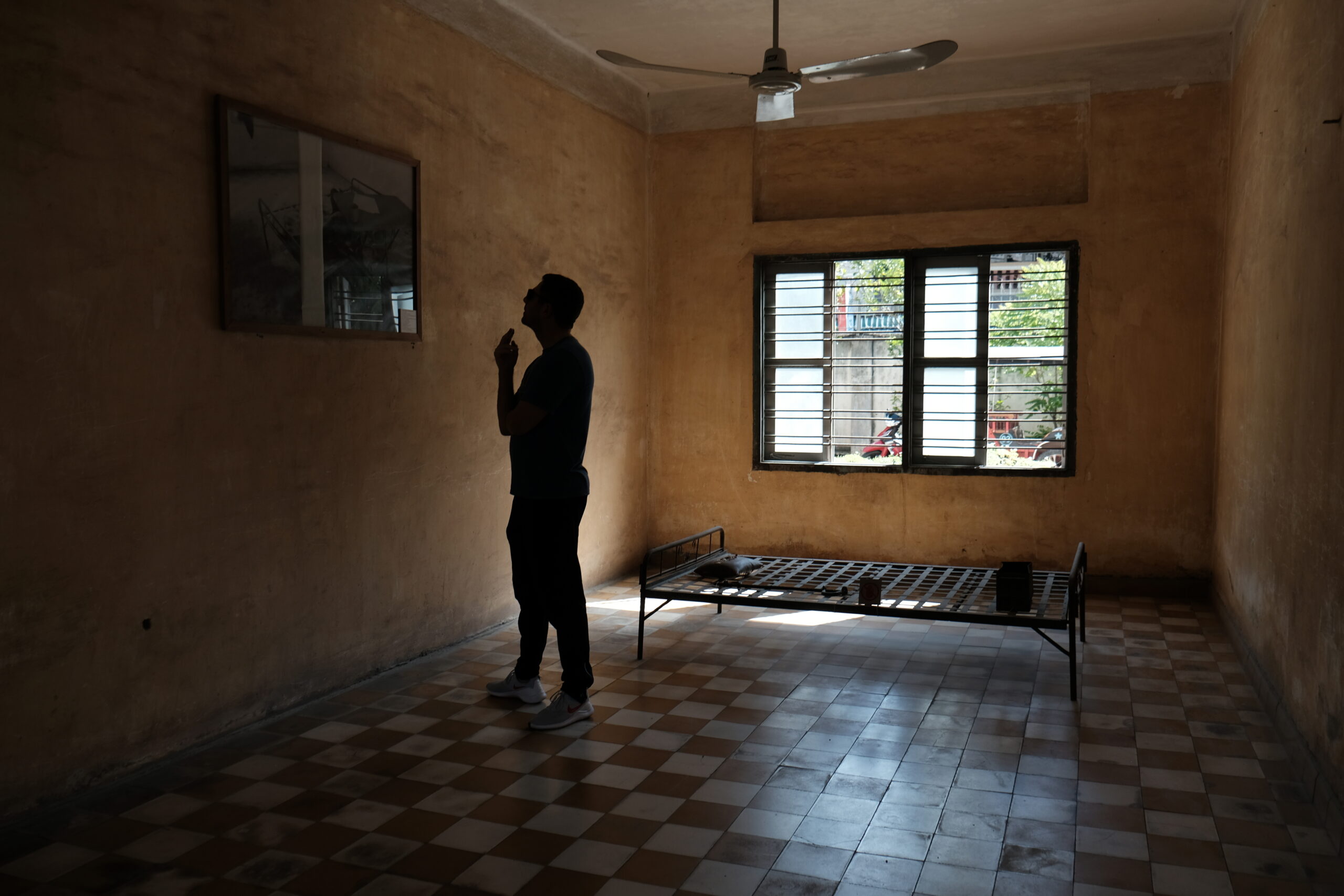
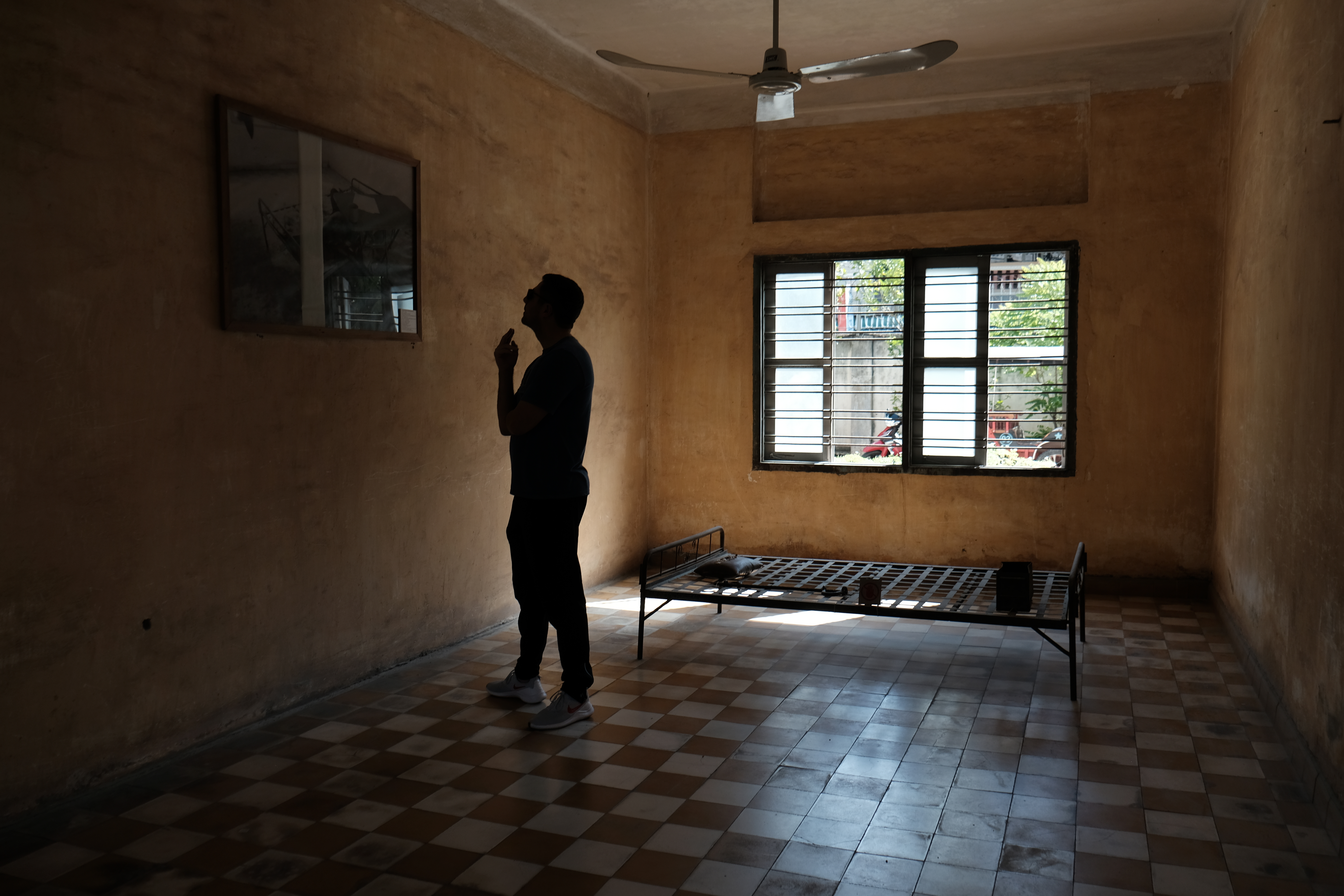
During the Pol Pot regime, Toul Sleng, formerly a high school, was converted into a detention center known as Security Prison 21 (S-21). Between 1975 and 1978, some 20,000 people held at S-21 were taken to the killing fields of Choeung Ek. Like the Nazis, the Khmer Rouge leaders were meticulous in keeping records of their barbarism. Each prisoner who passed through S-21 was photographed, sometimes before and after torture. The museum displays include room after room of harrowing B&W photographs; virtually all the men, women and children pictured were later killed. You can tell which year a picture was taken by the style of number-board that appears on the prisoner’s chest.
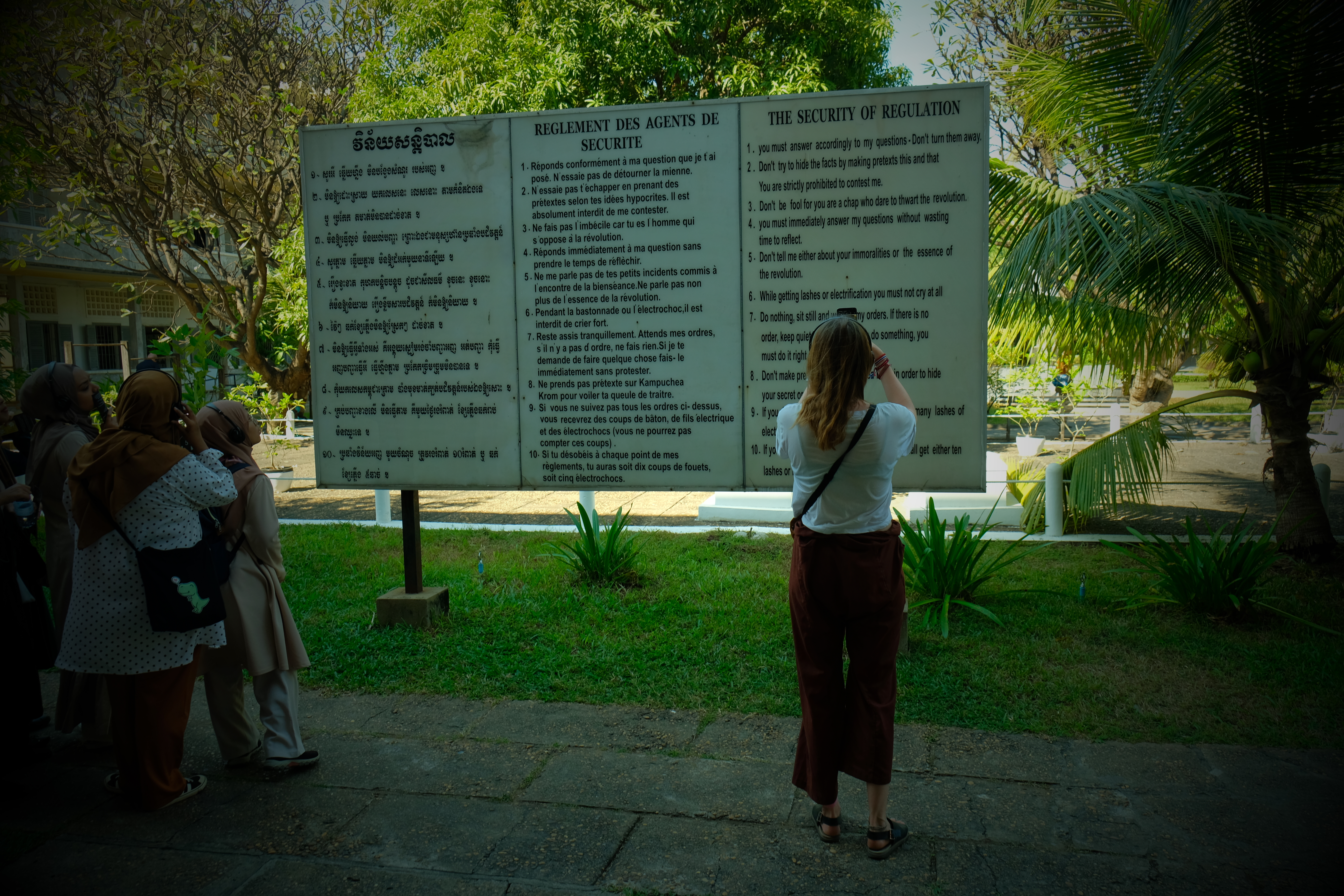
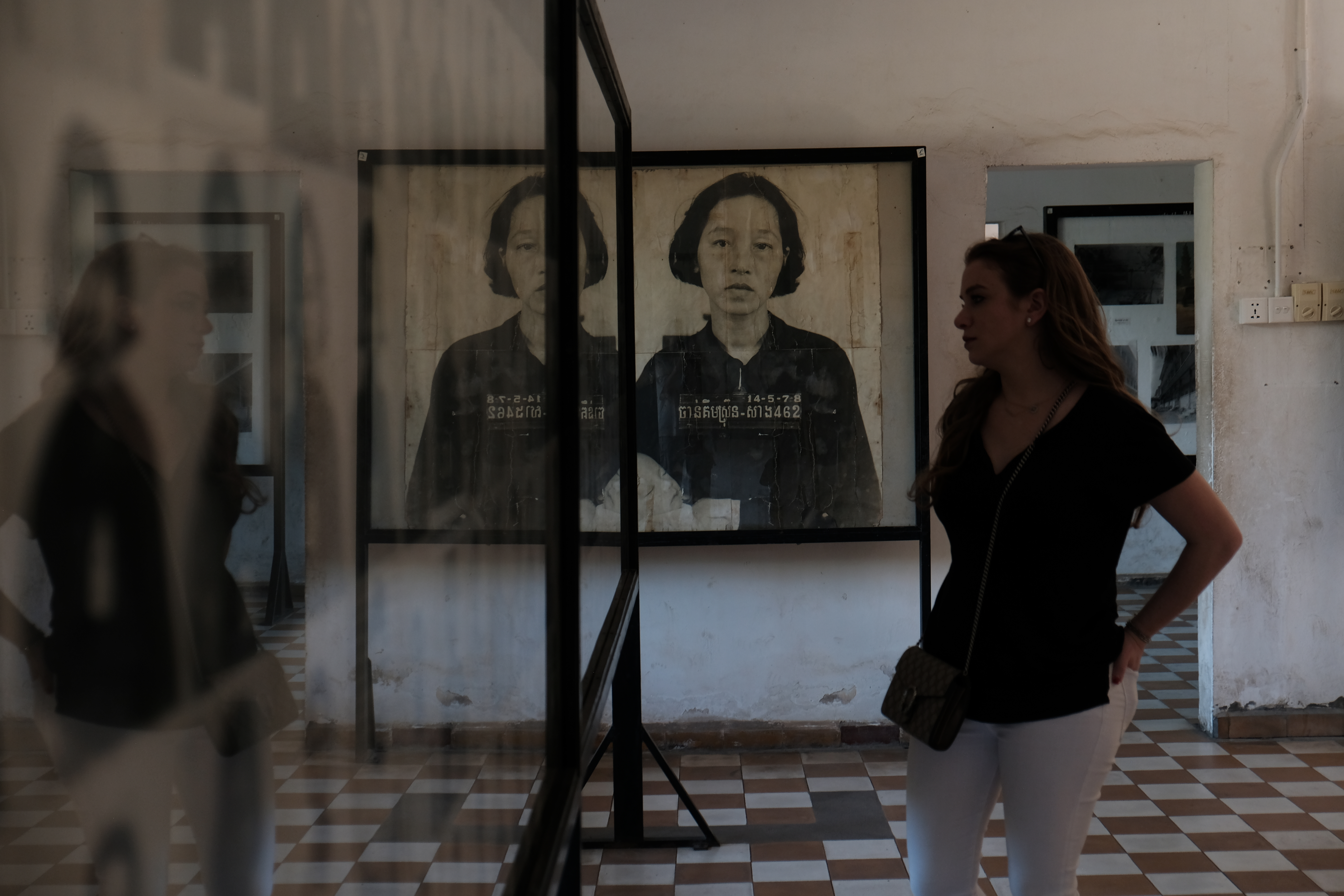
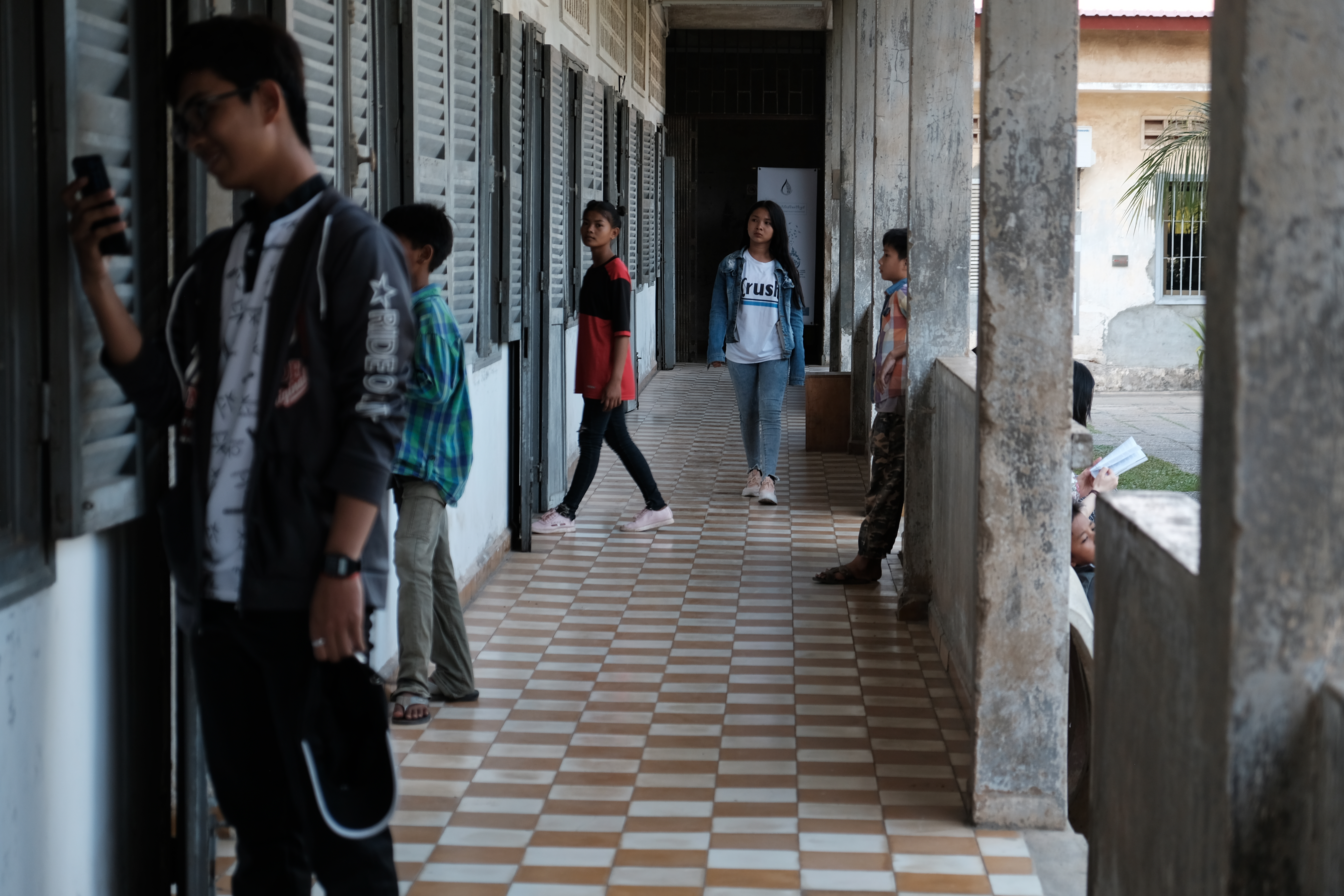
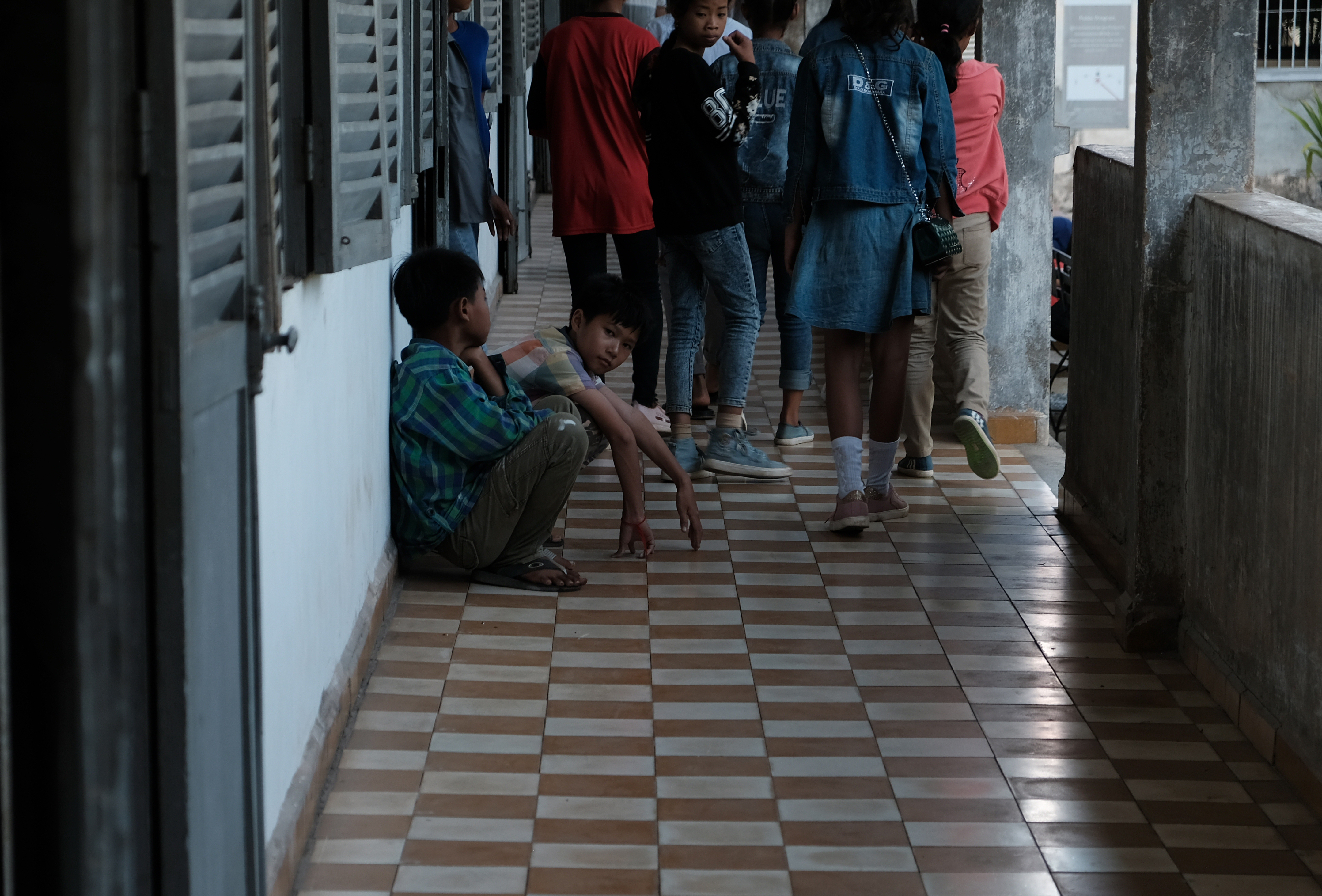
As the Khmer Rouge ‘revolution’ reached ever greater heights of insanity, it began devouring its own. Generations of torturers and executioners who worked here were in turn killed by those who took their places. During early 1977, S-21 claimed an average of 100 victims a day.
When the Vietnamese army liberated Phnom Penh in early 1979, there were only seven prisoners alive at S-21, all of whom had used their skills, such as painting or photography, to stay alive. Fourteen others had been tortured to death as Vietnamese forces were closing in on the city. Photographs of their gruesome deaths are on display in the rooms where their decomposing corpses were found. Their graves are nearby in the courtyard. Two of the survivors, Chum Mey and Bou Meng, are still alive, and often spend their time at S-21 promoting their first-hand accounts of their time in the prison.
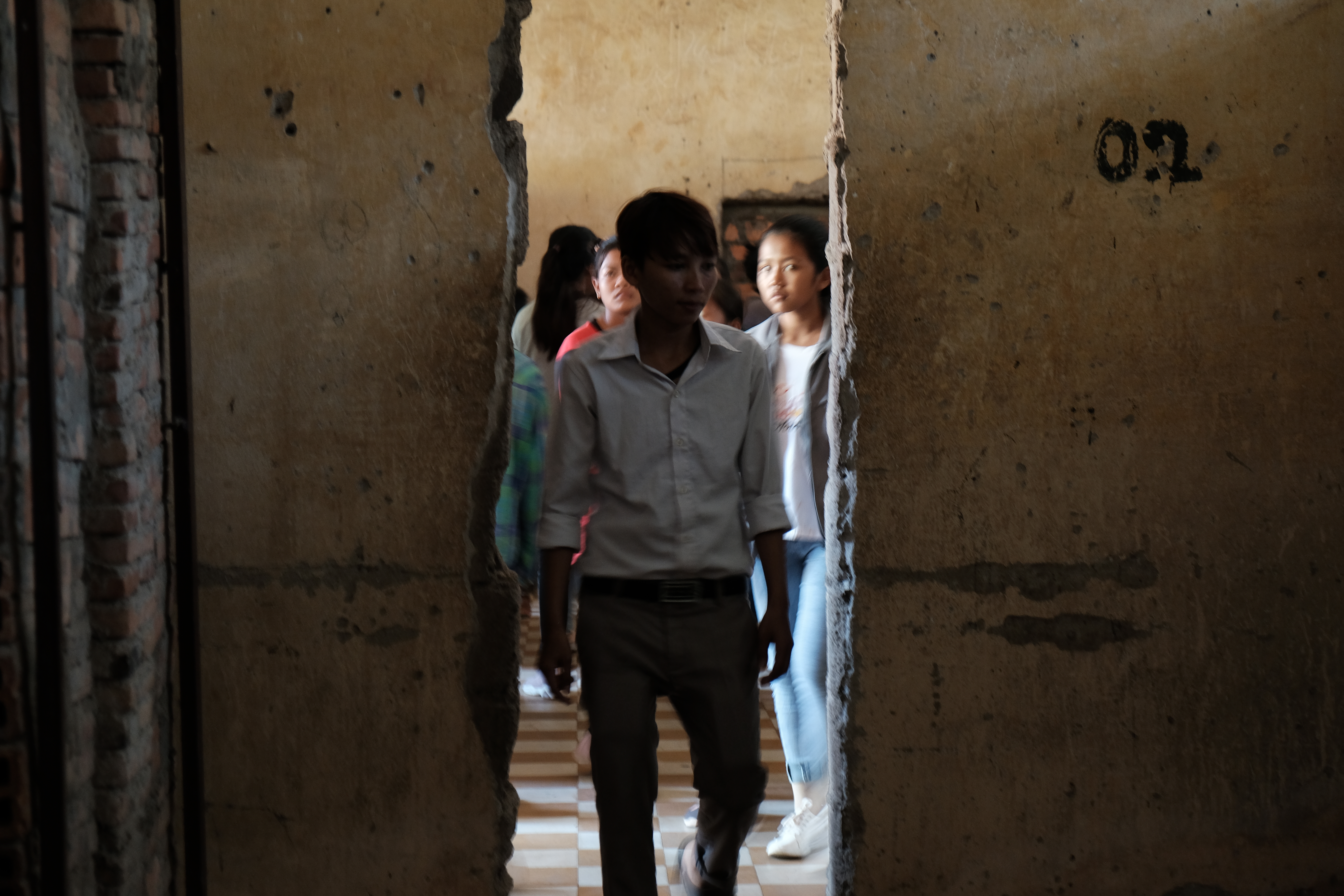
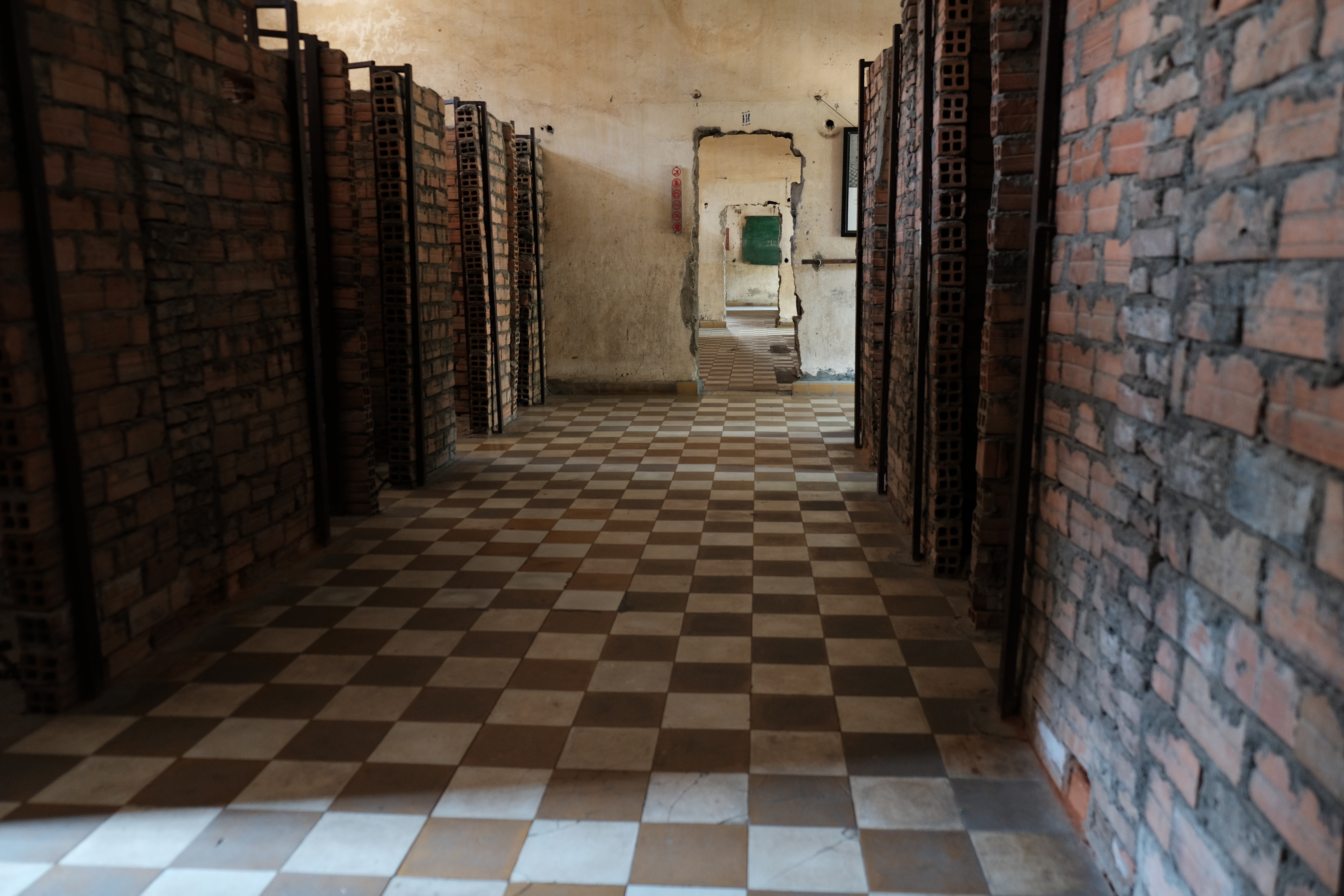
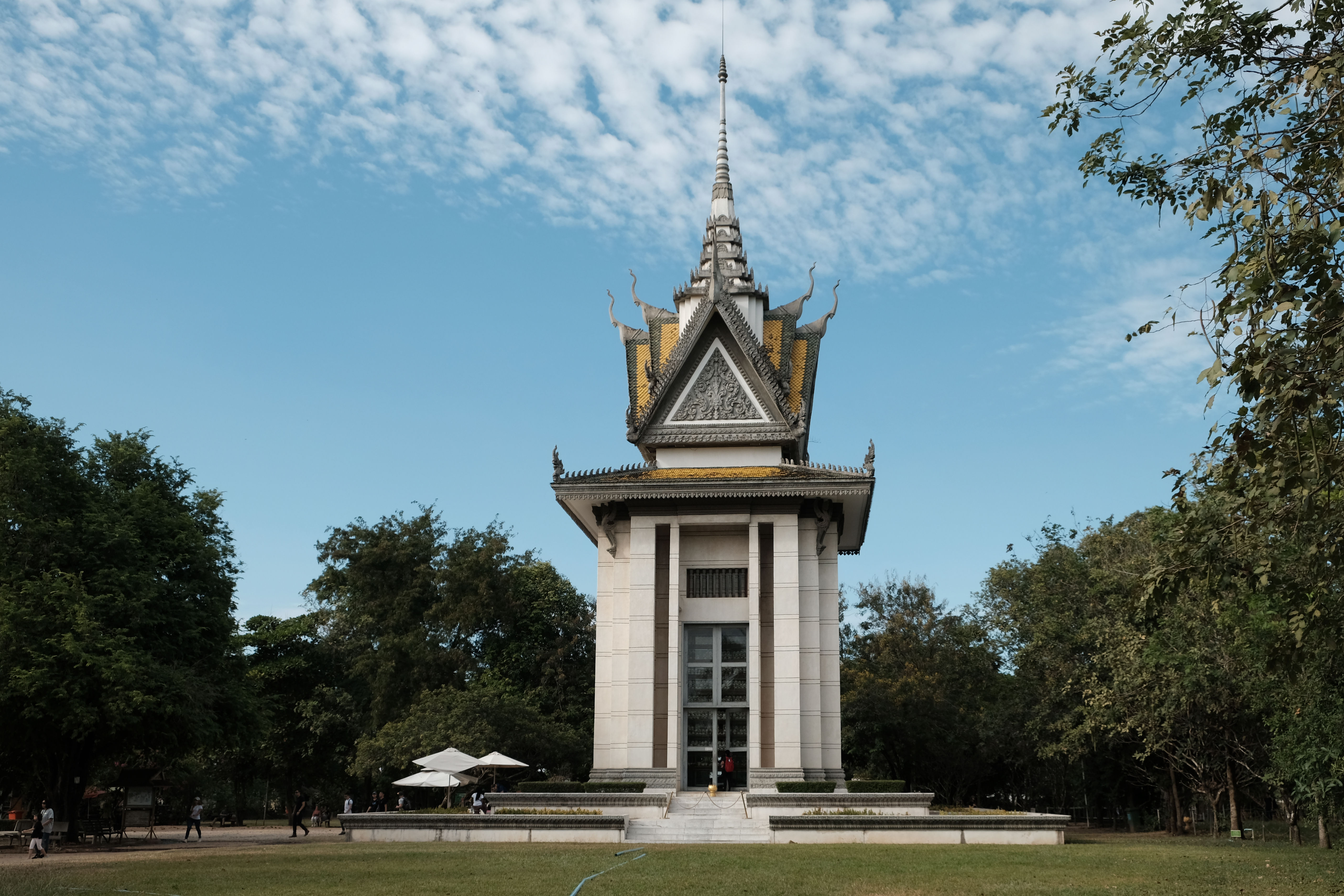
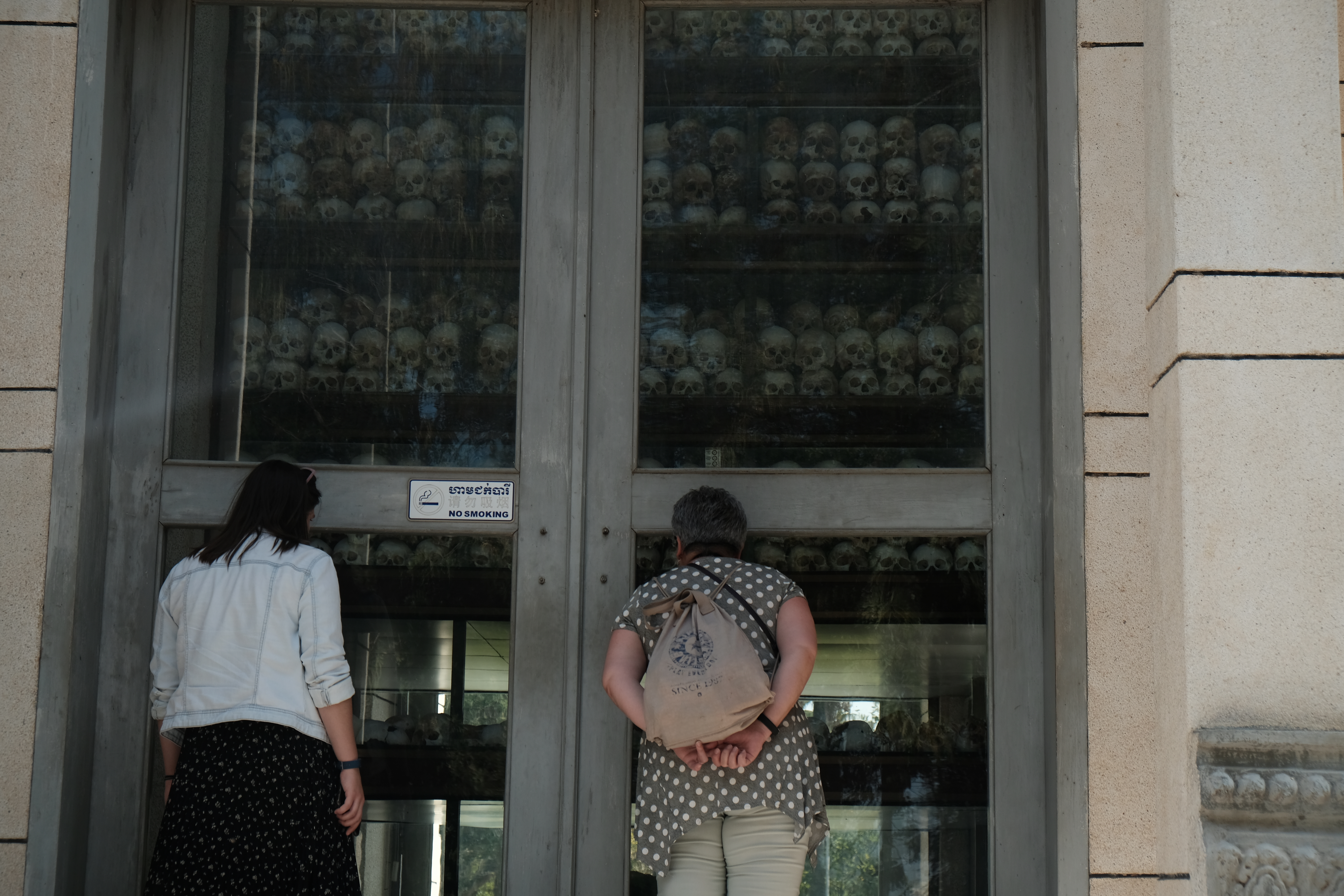
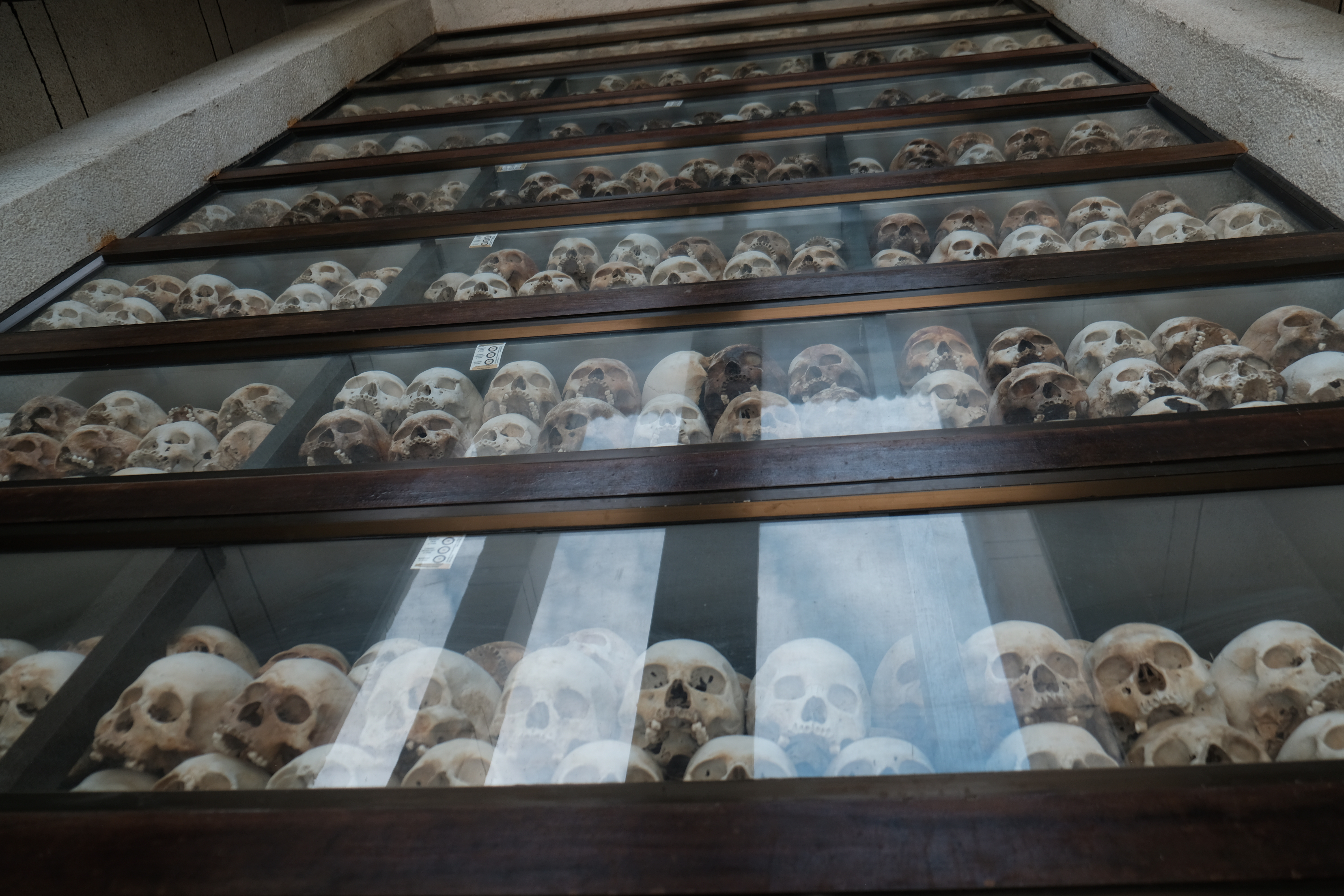
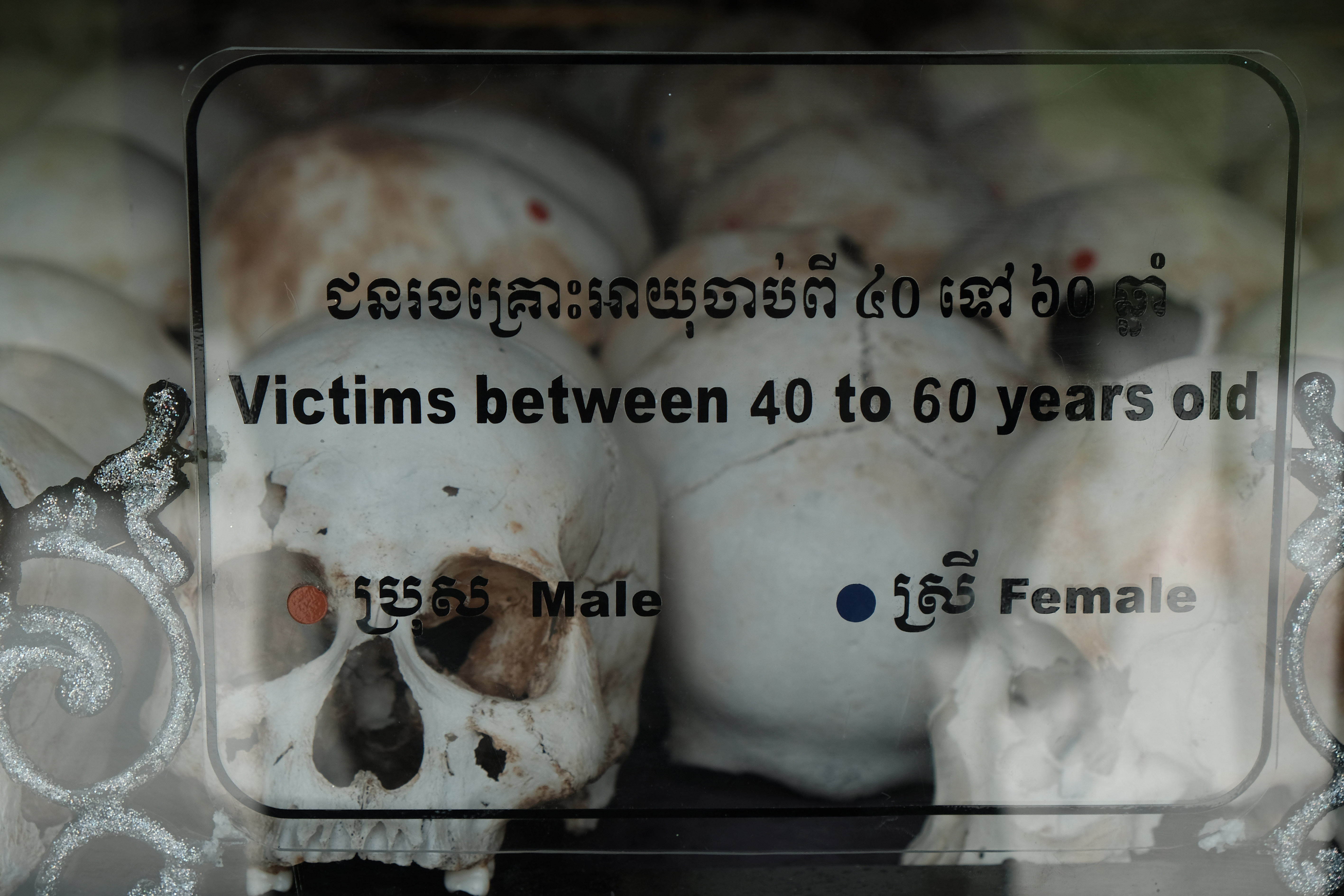
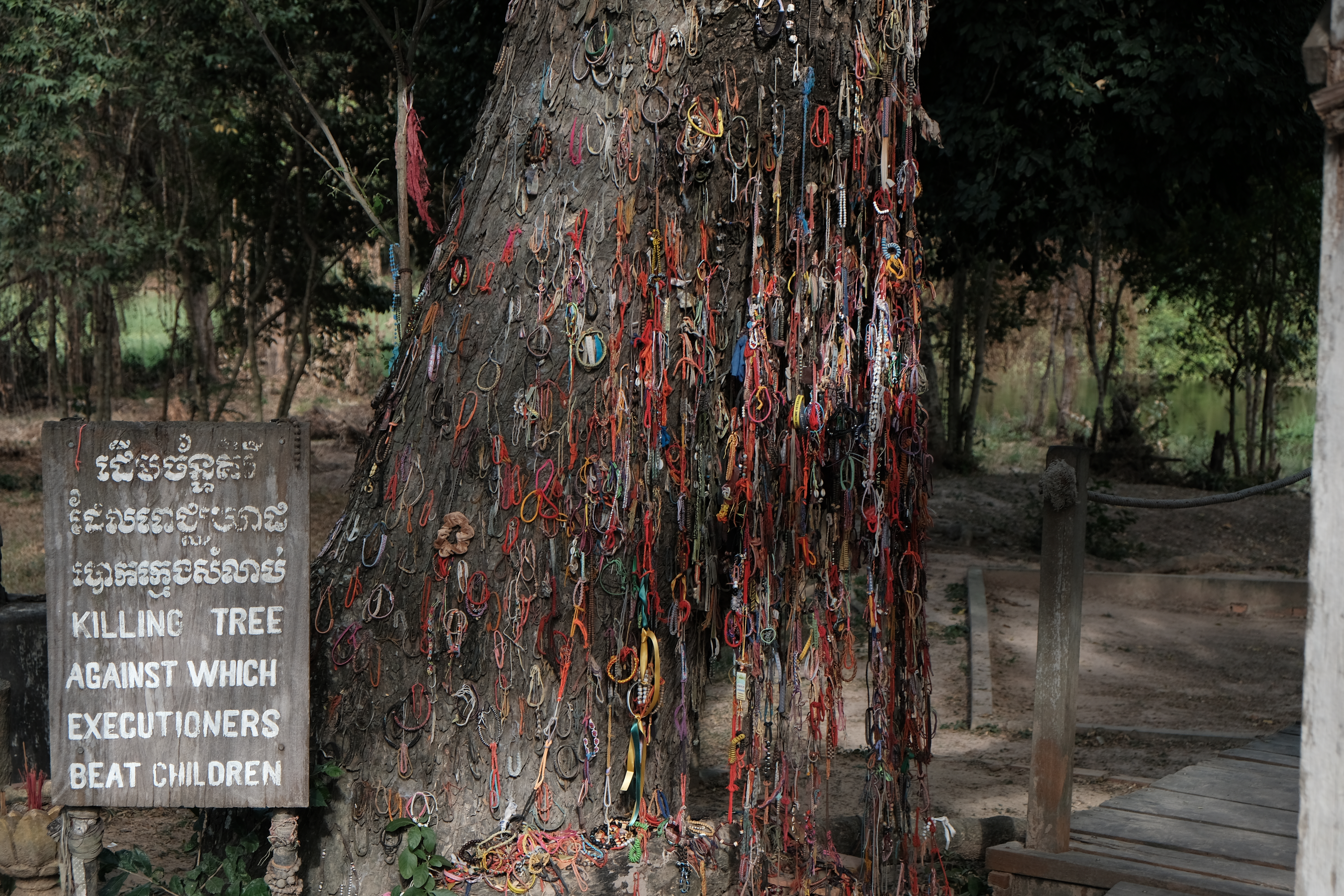
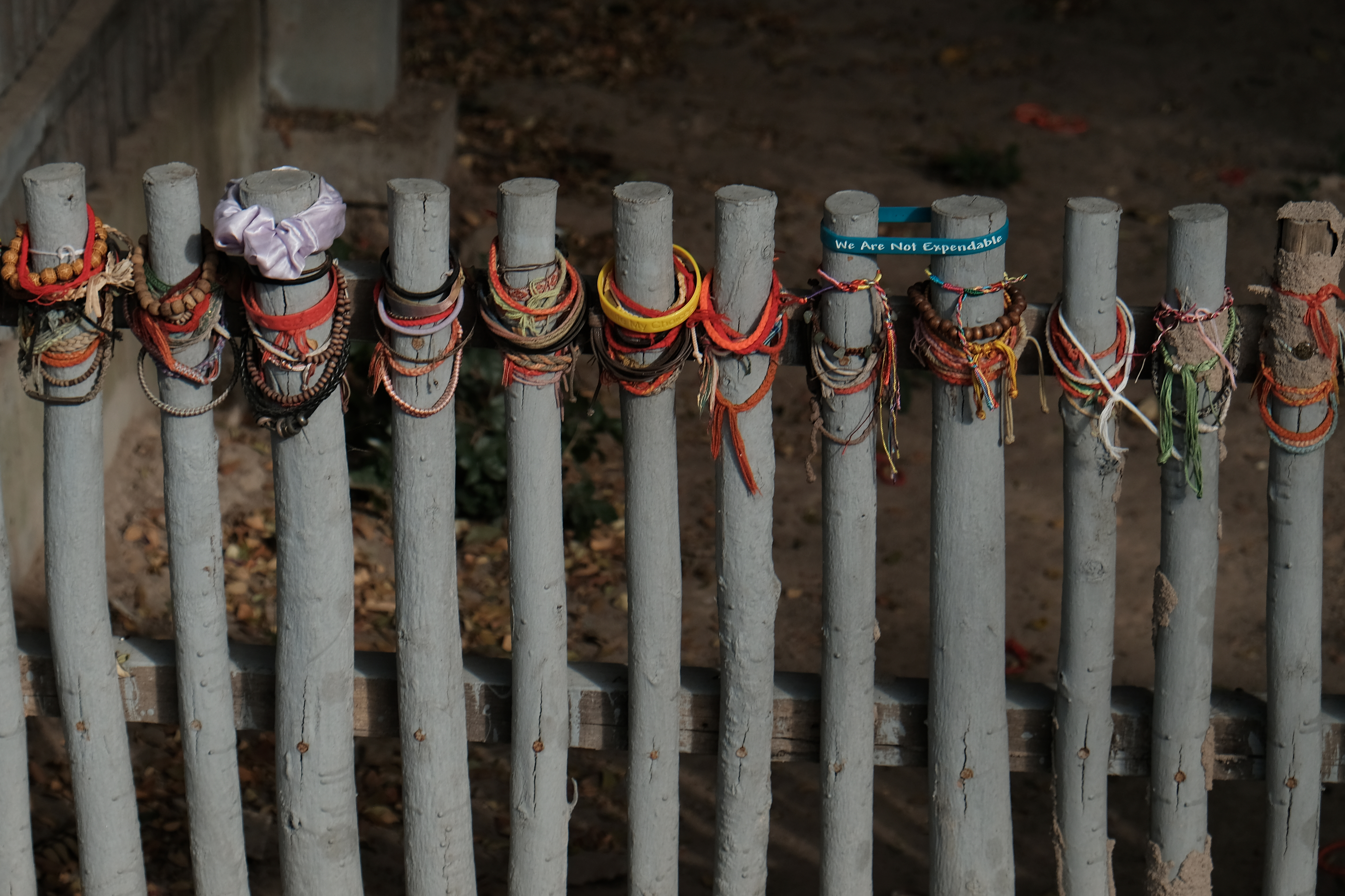
We continued to Cheung Ek, a Chinese Cemetery before it became the Khmer Rouge’s best-known Killing Field. The remains of almost 9,000 bodies have been excavated from mass graves in this area. Today Cheung Ek is a memorial site for Cambodians and visitors from all over the world to pay their respects to those lost. More than 8,000 skulls, arranged by sex and age, are visible behind the clear glass panels of the Memorial Stupa, which was erected in 1988.
Leave a Reply