Next up – Vietnam. The first thing that comes to mind is war, specifically the Vietnam War. Although I lived during it, I never completely understood it. So, I set out to learn. The first thing surprised me, although it should have been obvious, it is known as the American War in Vietnam.
During thousands of years Vietnam has been ravaged by imperial dynasties and divided by civil wars. They managed to fight off the invaders every time. Although the American War was only one of many the Vietnamese have fought, it is considered to be the most brutal.
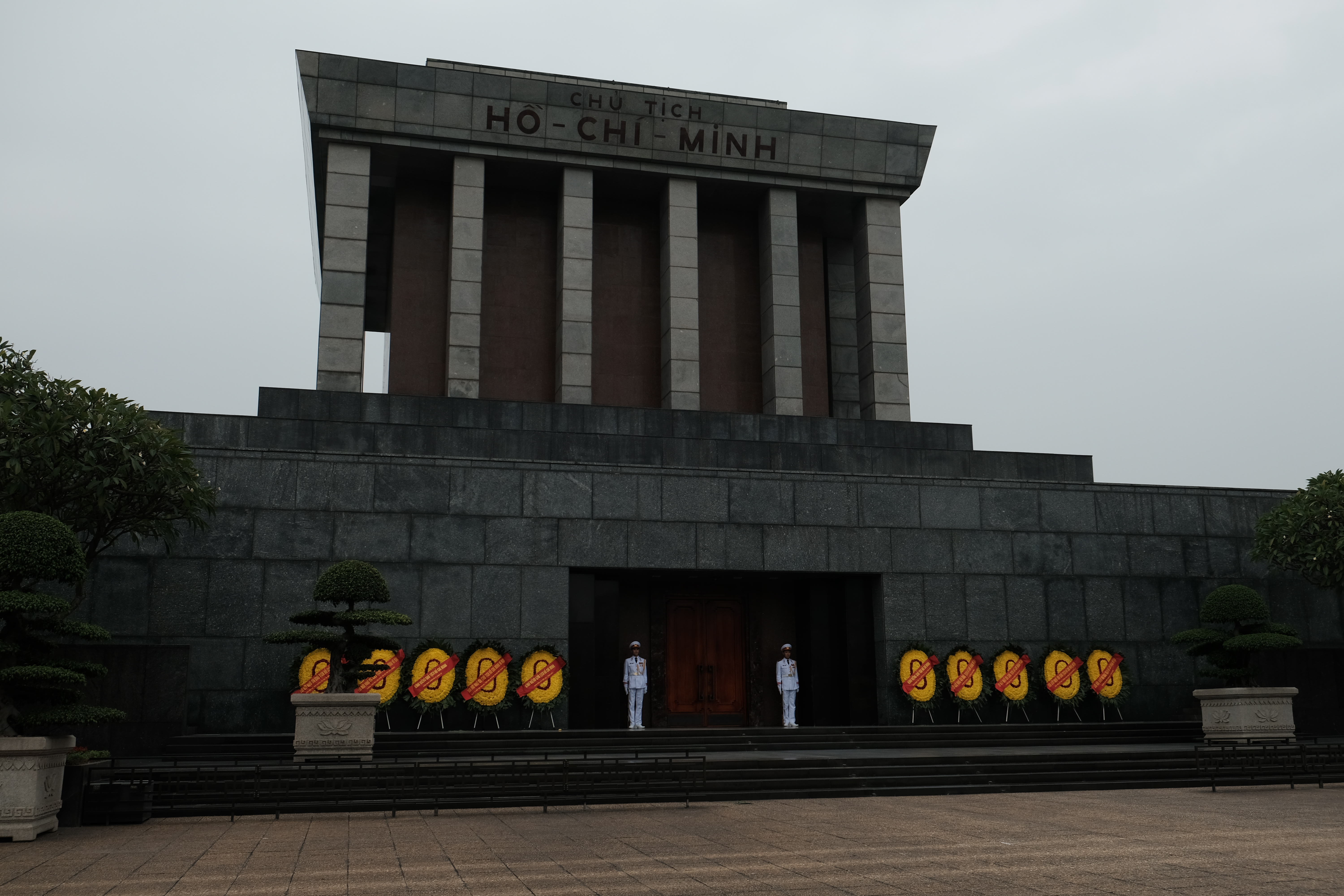
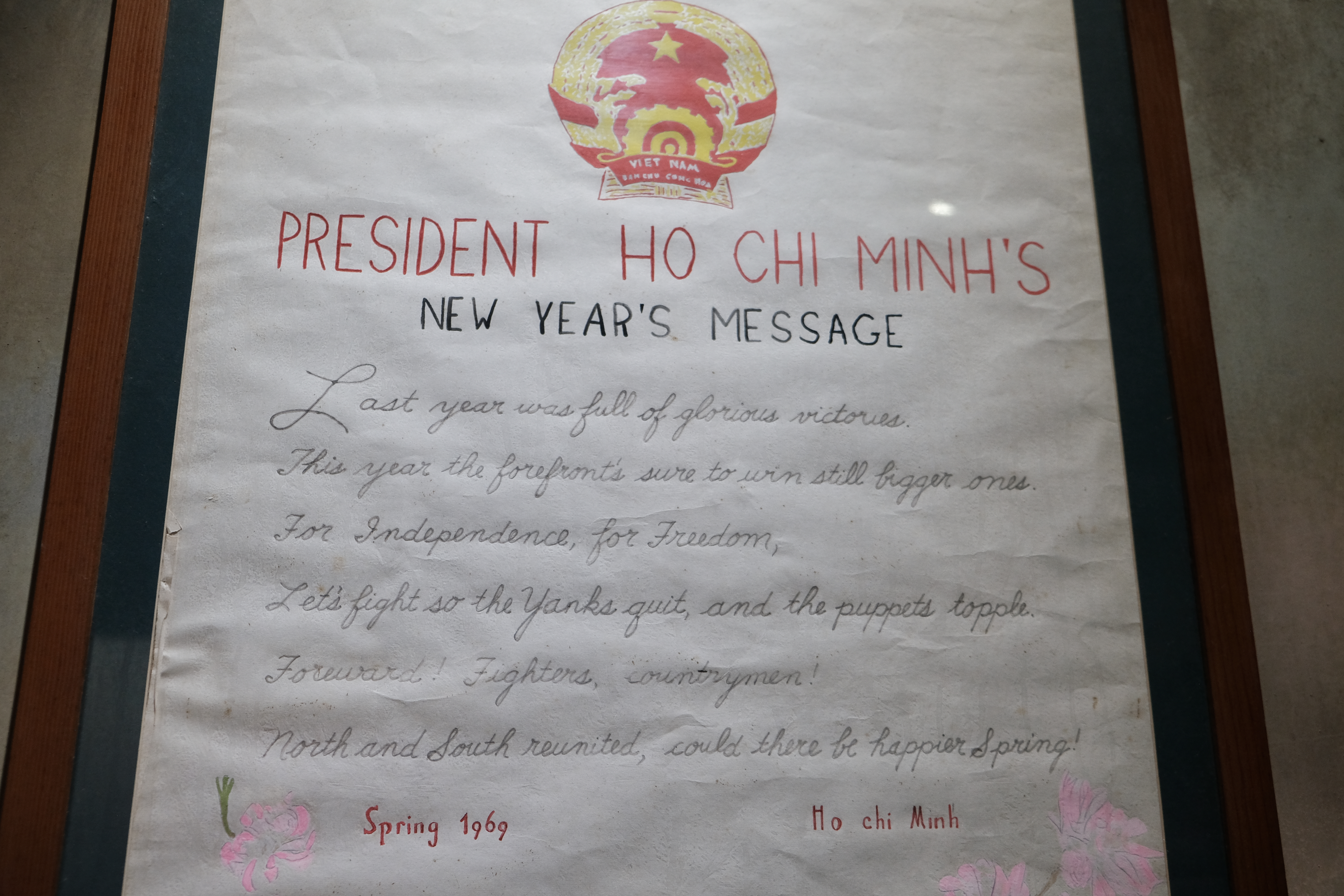
Here’s an abbreviated account of what I learned. From 1883 to 1945 Vietnam was ruled by the French. During World War II, Japanese forces invaded Vietnam. To fight off both the Japanese occupiers and the French administration, political leader Ho Chi Minh (inspired by Chinese and Soviet communism) formed the Viet Minh, the League for the Independence of Vietnam. Following its defeat in WWII, Japan withdrew its forces leaving the French in control.
In 1945 Vietnam declares independence from France. Neither France nor the United States recognizes this claim. President Truman aids France with military training and equipment. Soon after, the Communists in North Vietnam, led by Ho Chi Minh, start fighting for control of the country.
In 1949 Vietnam signs the Geneva Accords and divides Vietnam into two countries at the 17th parallel. North Vietnam (now known as Viet Cong) is led by the Communists; South Vietnam is owned by the French and supported by the United States. The French continued to fight to keep control but eventually gave up in 1954. The United States, hoping to stop the spread of communism, stayed and continued to fight.
In 1954, the North (with help from South Vietnamese rebels) tries to overthrow the South and re-unite the country. Thus, begins the Vietnam conflict. President Eisenhower sends more aid and military advisors.
Working under the “domino theory,” which held that if one Southeast Asian country fell to communism, many other countries would follow, President Kennedy increased U.S. aid, though he stopped short of committing to a large-scale military intervention. By 1962, the U.S. military presence in South Vietnam had reached some 9,000 troops, compared with fewer than 800 during the 1950s.
After President Kennedy’s assassination in November 1963, there was a great deal of political instability in South Vietnam. This persuaded President Johnson to ask Congress to further increase U.S. military and economic support. In March 1965, Johnson made the decision — with solid support from the American public — to send U.S. combat forces into battle in Vietnam. By June, 82,000 combat troops were stationed in Vietnam, and military leaders were calling for 175,000 more by the end of 1965 to shore up the struggling South Vietnamese army.
At that time, the Viet Cong has 35,000 troops in South Vietnam. The number of American troops peaks at 543,000 by 1969. Anti-war sentiment in America grows stronger as the troop number increases. That’s the part I clearly remember as a child.
The North Vietnamese launch a massive surprise attack during the 1968 festival of the Vietnamese New Year, called Tet. The attack hits 36 major cities and towns in South Vietnam. Both sides suffer heavy casualties, but the offensive demonstrates that the war will not end soon or easily. American public opinion against the war increases, and the US begins to reduce the number of troops in Vietnam.
Then, later that same year, more than 500 women, children and elderly men were massacred by U.S. forces in the village of My Lai in South Vietnam. It became known as the most horrific incident of violence committed against unarmed civilians. Killing civilians during war is considered a war crime. It was reported than many of the young girls and women were raped and mutilated before being killed. U.S. Army officers covered up the carnage for a year before it was reported in the American press, sparking a firestorm of international outrage. The brutality of the killings and the official cover-up fueled anti-war sentiment and further divided the United States over the Vietnam War. When the United States bombed Vietnam with napalm, that only furthered the increasing resentment.
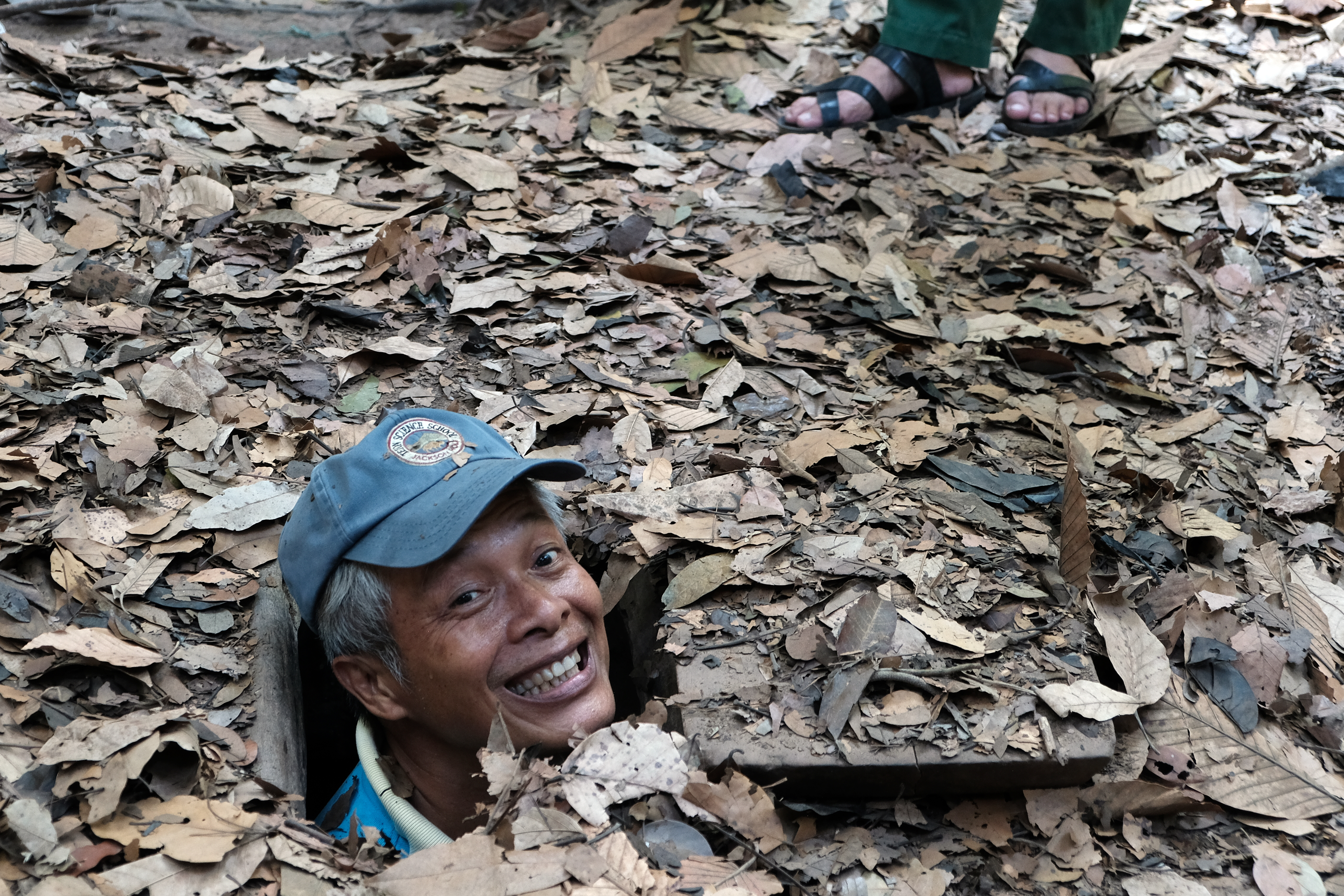
North Vietnamese guerrilla forces used the Ho Chi Minh Trail, a network of jungle paths and mountain trails, to send supplies and troops into South Vietnam.
In January 1973 a cease-fire is arranged after peace talks. In March, President Nixon ended the American involvement in the war and the last American troops leave. He ended the military draft that same year. Fighting begins again between the North and South, but the United States does not return.
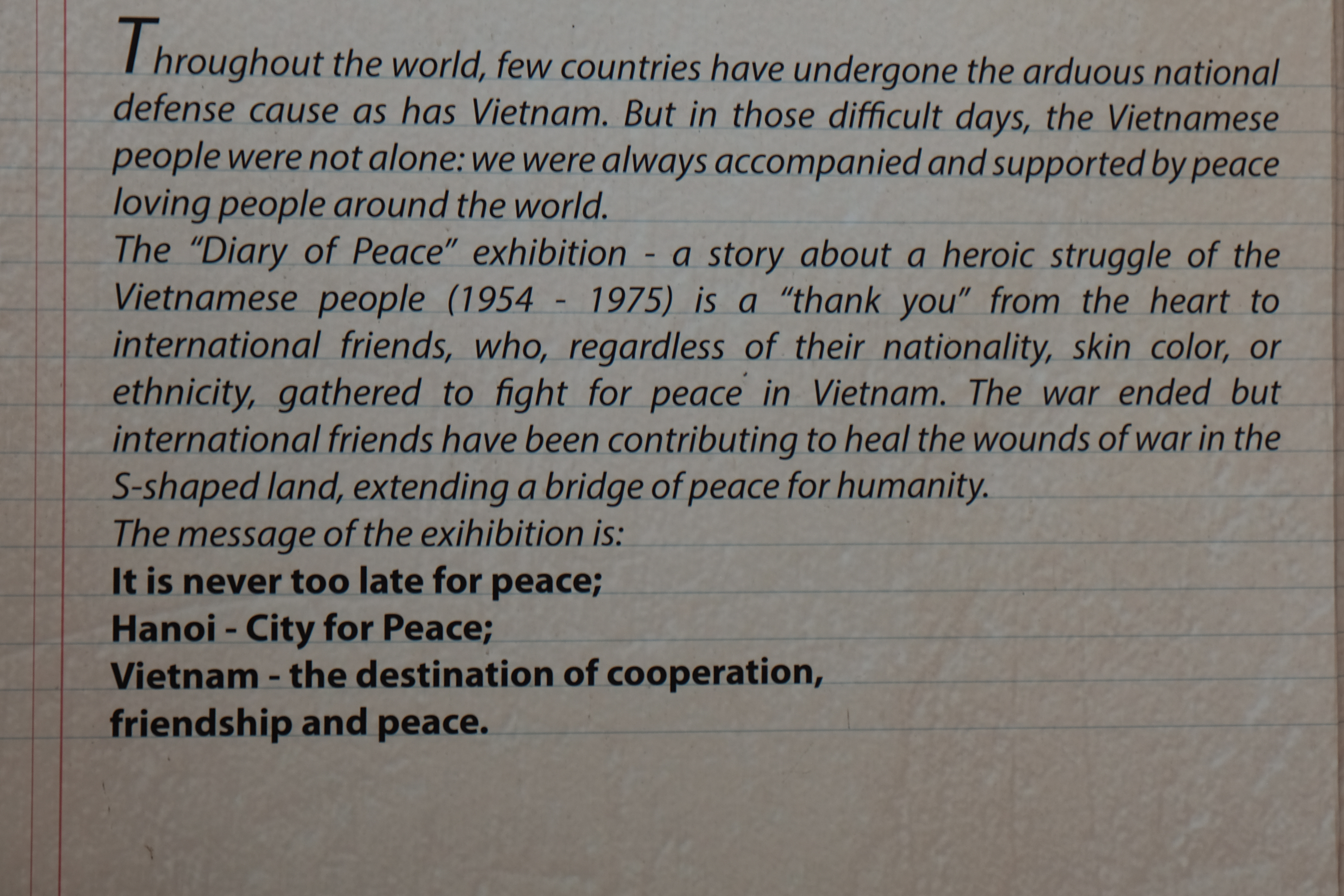
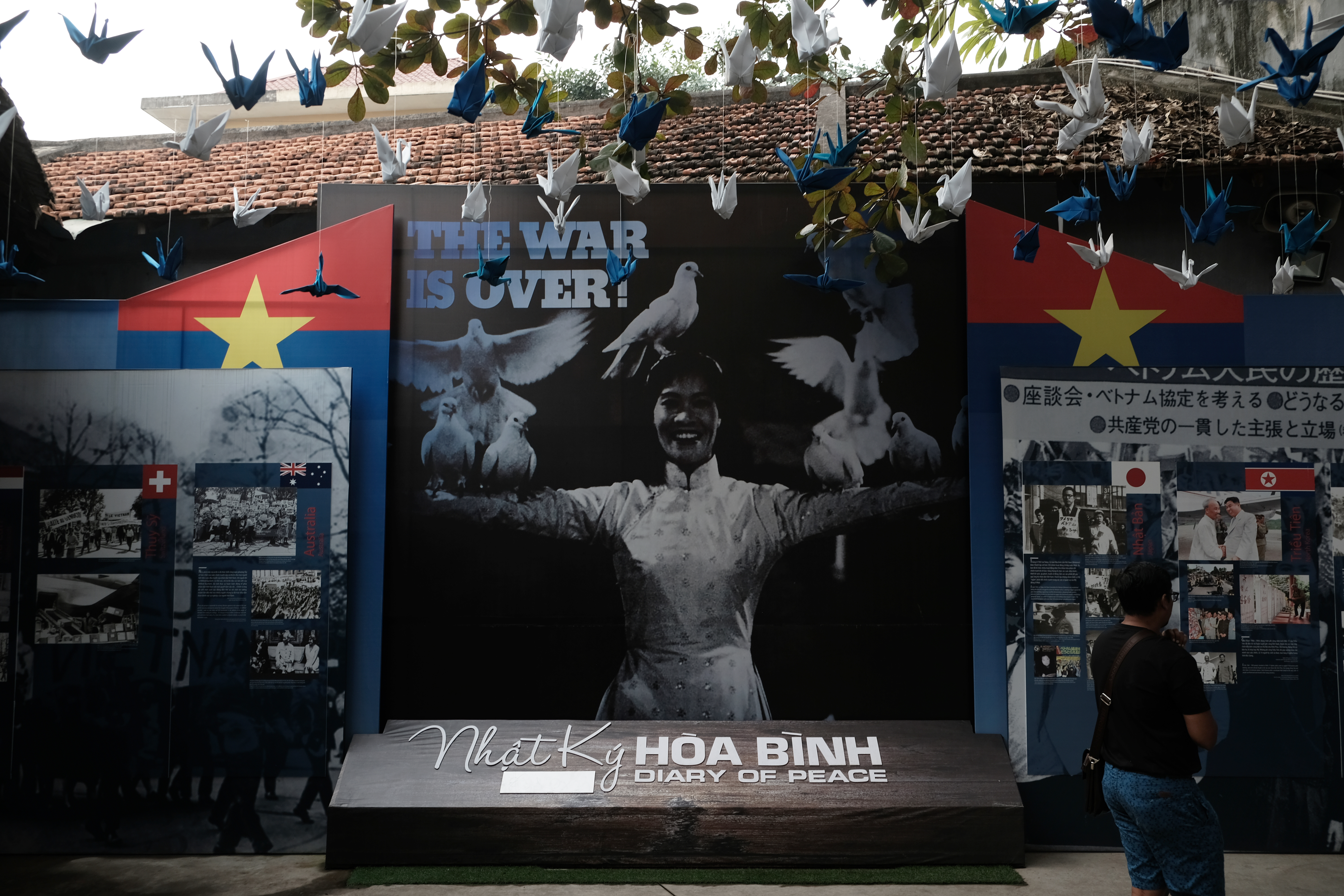
Two years later, on April 30, 1975, South Vietnam surrendered as a North Vietnamese tank drove into the South’s Presidential Palace in Saigon (now called Ho Chi Minh City). Finally, the Vietnam conflict ends. The North and South are re-joined as one country. An estimated 800,000 to 3 million Vietnamese (over half were Vietnamese civilians) and over 55,000 Americans had been killed.
Vietnam, officially the Socialist Republic of Vietnam, is one of just five communist countries still in existence. The other four are China, Cuba, Laos, and North Korea.
Leave a Reply