Wednesday, 23-24 March 2016 / Language still Spanish, currency still Euro
We approach the harbor of Arrecife, our last island, in late afternoon. True to the name of Lanzarote’s capital city (Arrecife means “reef” in Spanish), a variety of islets and reefs flank the coastline and port entrance. Lanzarote is the easternmost of the Canary Islands about 78 miles from the coast of Morocco and Western Sahara.
Wanting to venture into town for dinner, we choose La Tegala. Although we make an 8:00 pm reservation (known as 20:00 here), we find we are first to arrive for dinner. After all we are in Europe.
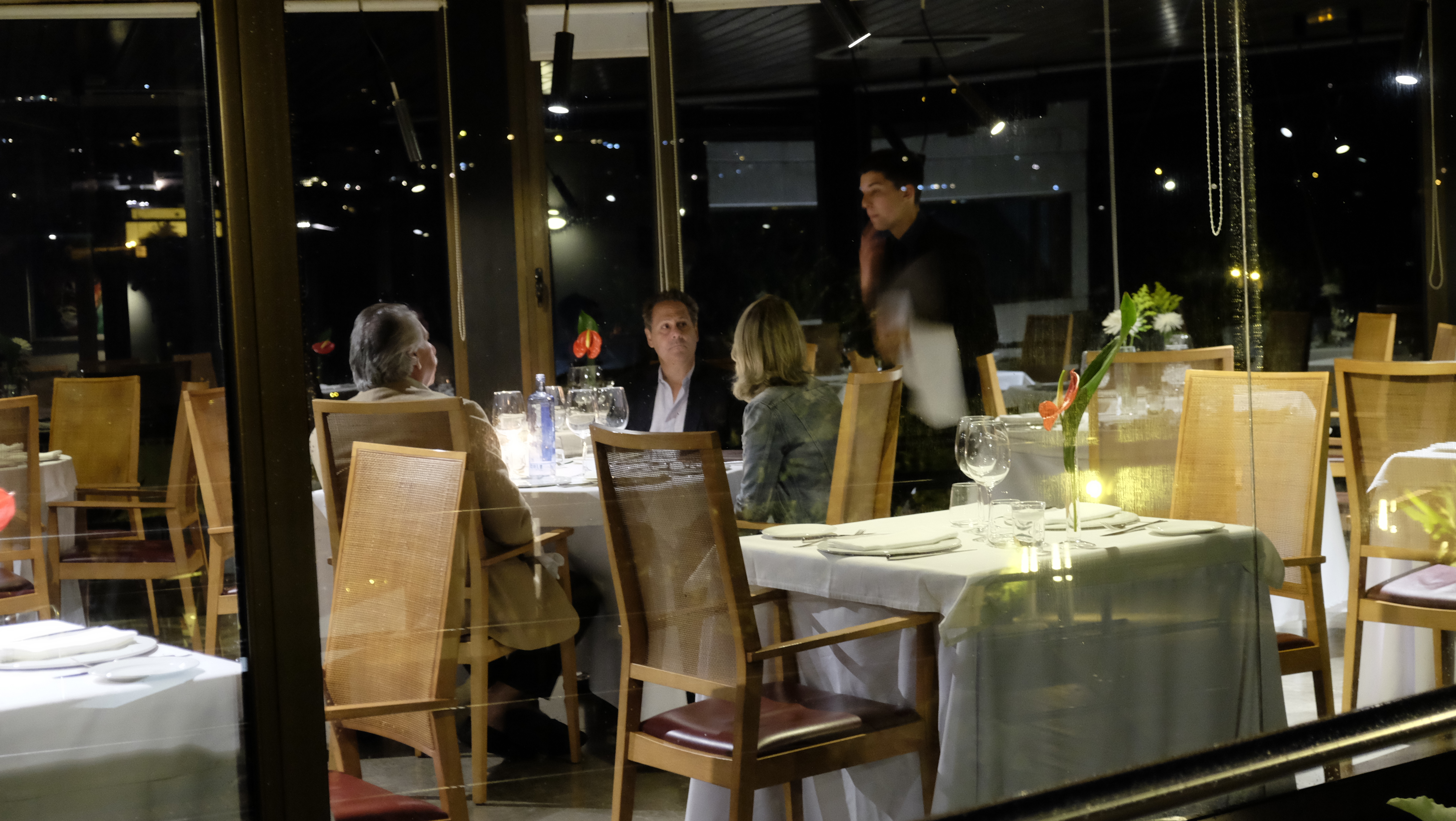 “La Tegala’s menu focuses on Canarian-Spanish cuisine prepared with traditional methods, also known as “slow foods” where stews (a Canarian staple) are cooked for more than 14 hours bringing out the richer flavors. Focused on locally sourced ingredients, the seasonal menu runs the gamut from light and refreshing fare to heartier comfort foods. Guests also enjoy the elegant surroundings that are a combination of a 200-year-old cottage and a newly designed avant-garde building which was awarded a regional architectural prize.” And boy did it deliver as promised, quite an enjoyable and memorable meal.
Next up, a winery tour. On the way to the vineyards, we were teased by driving around a camel sculpture.
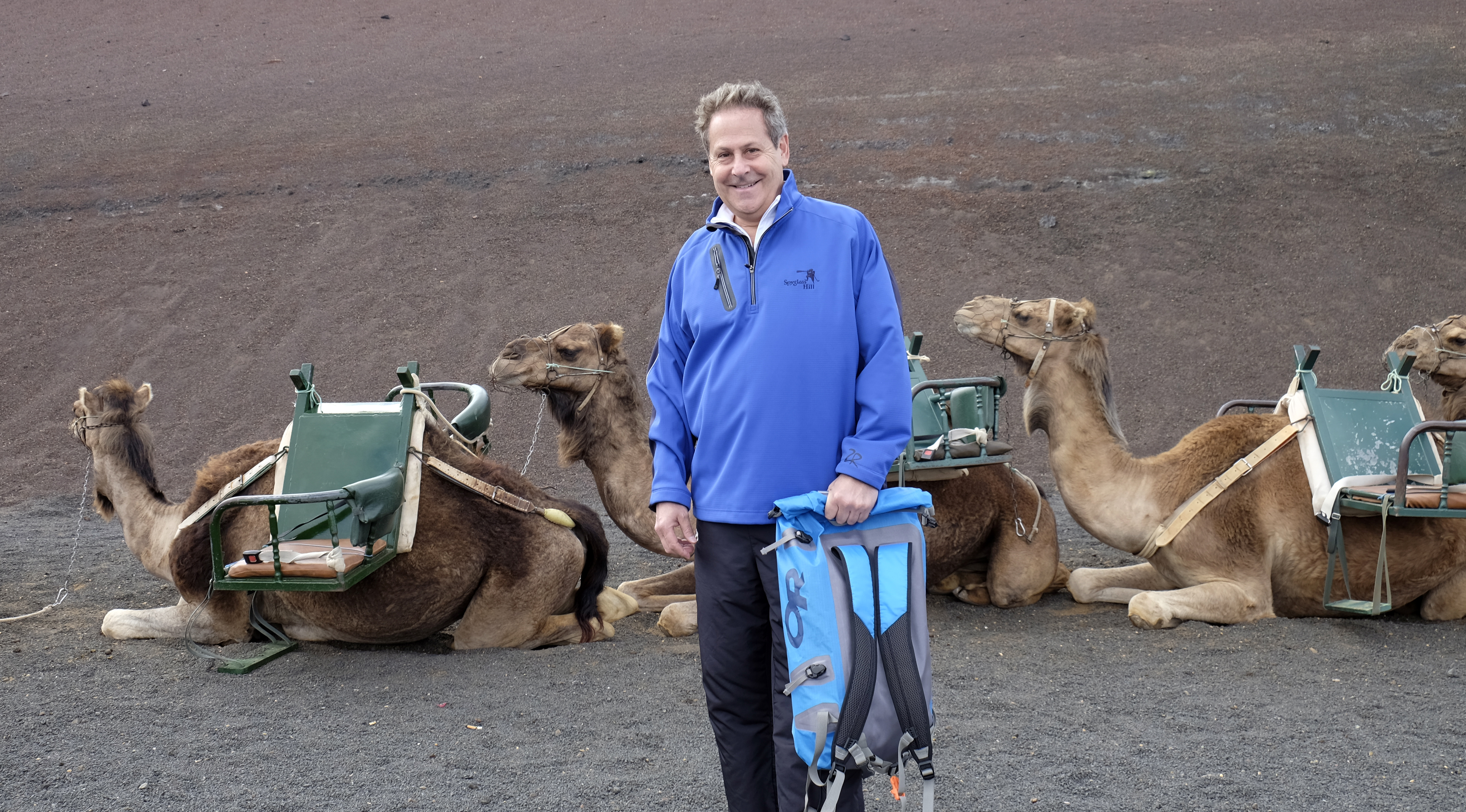
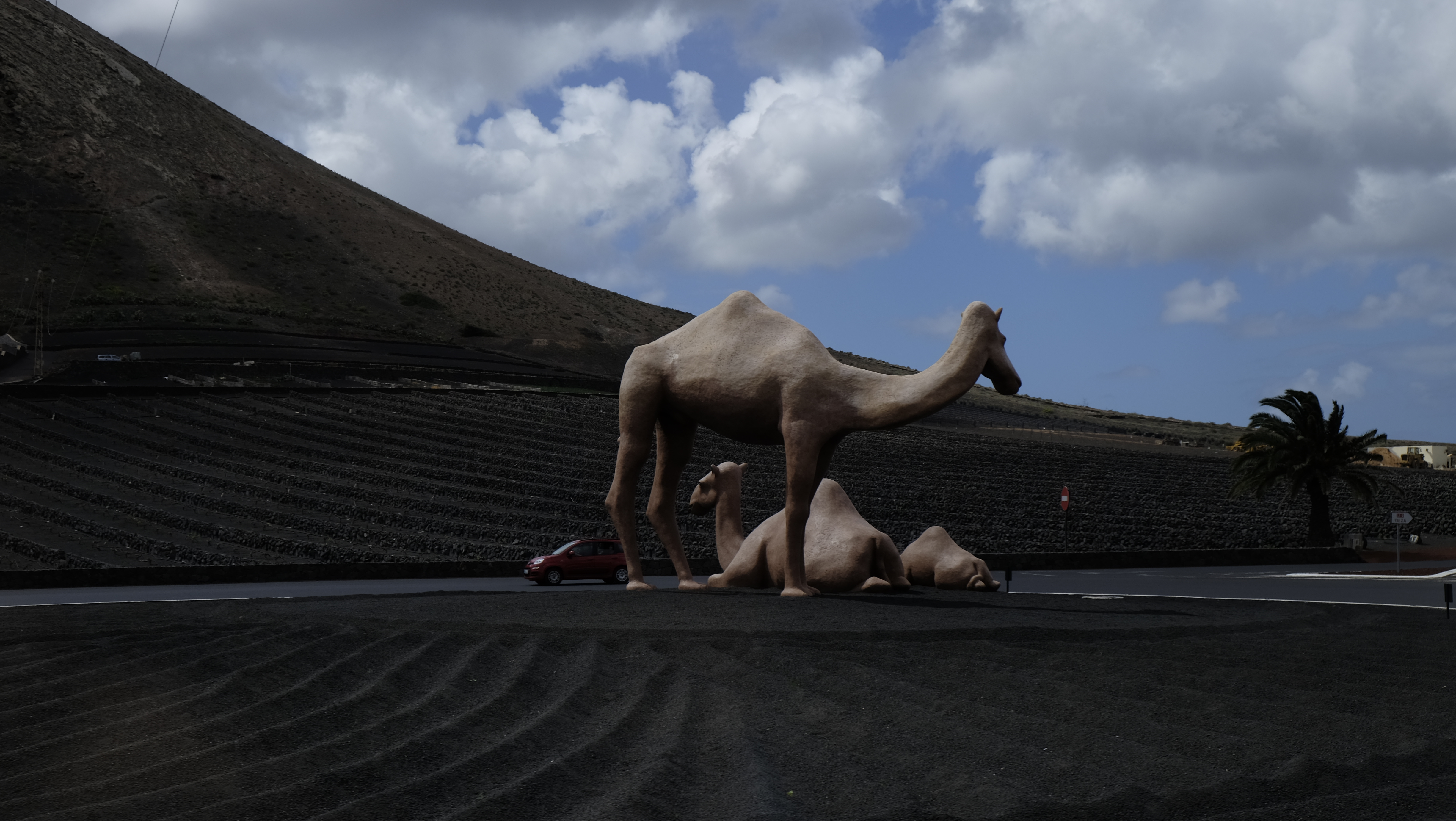 But to our delight, we were rewarded with an unscheduled stop at the national park, Paroque Kacional Timanfaya, giving us a chance to see the real thing.
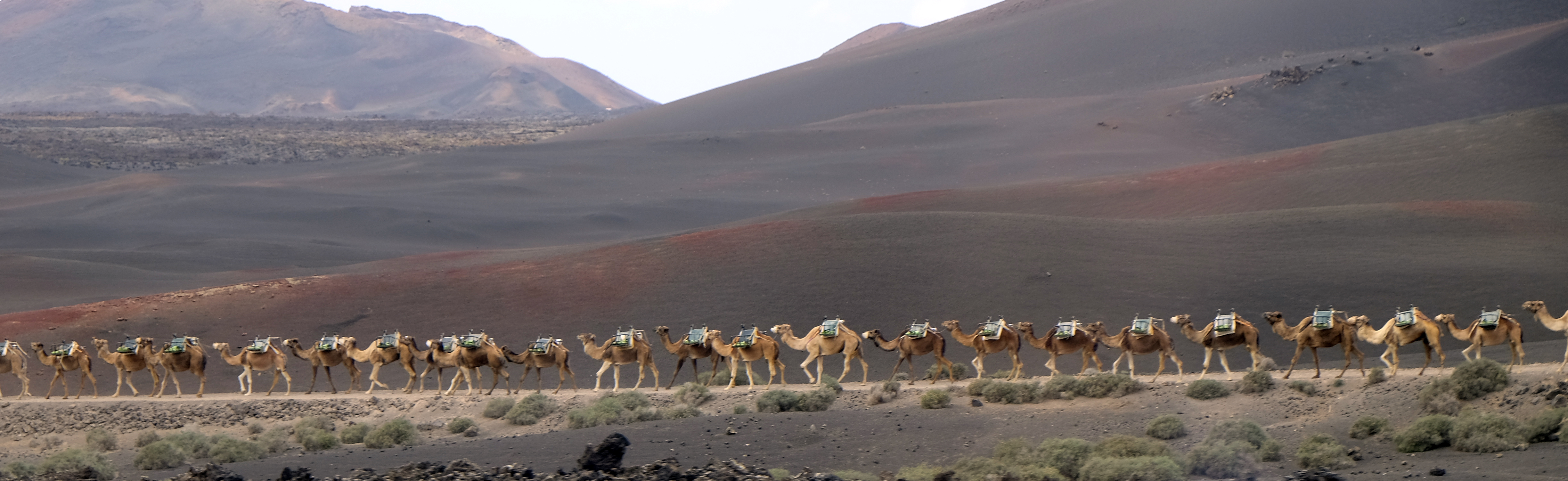
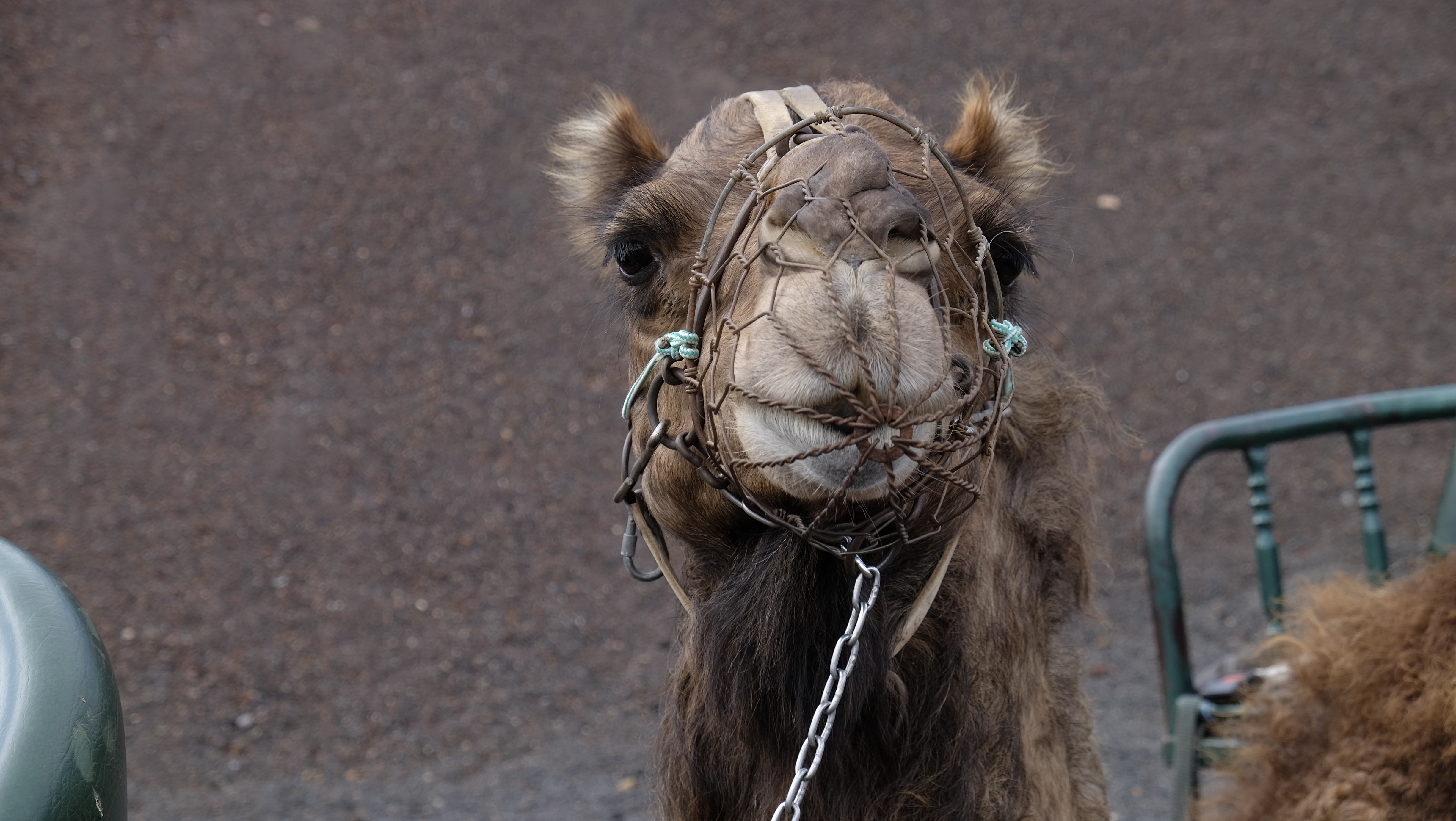
The park is a monument to the untamable force of nature. The island emerged about 15 million years ago from volcanic eruptions. The most massive recorded eruptions, from 1730 to 1736, spewed rivers of fire and clouds of black ash creating this unusual landscape. There are 36 volcanoes on the island, one of which still remains active. The dry climate and lack of erosion means that the volcanic landscape appears much as it did after the eruptions.
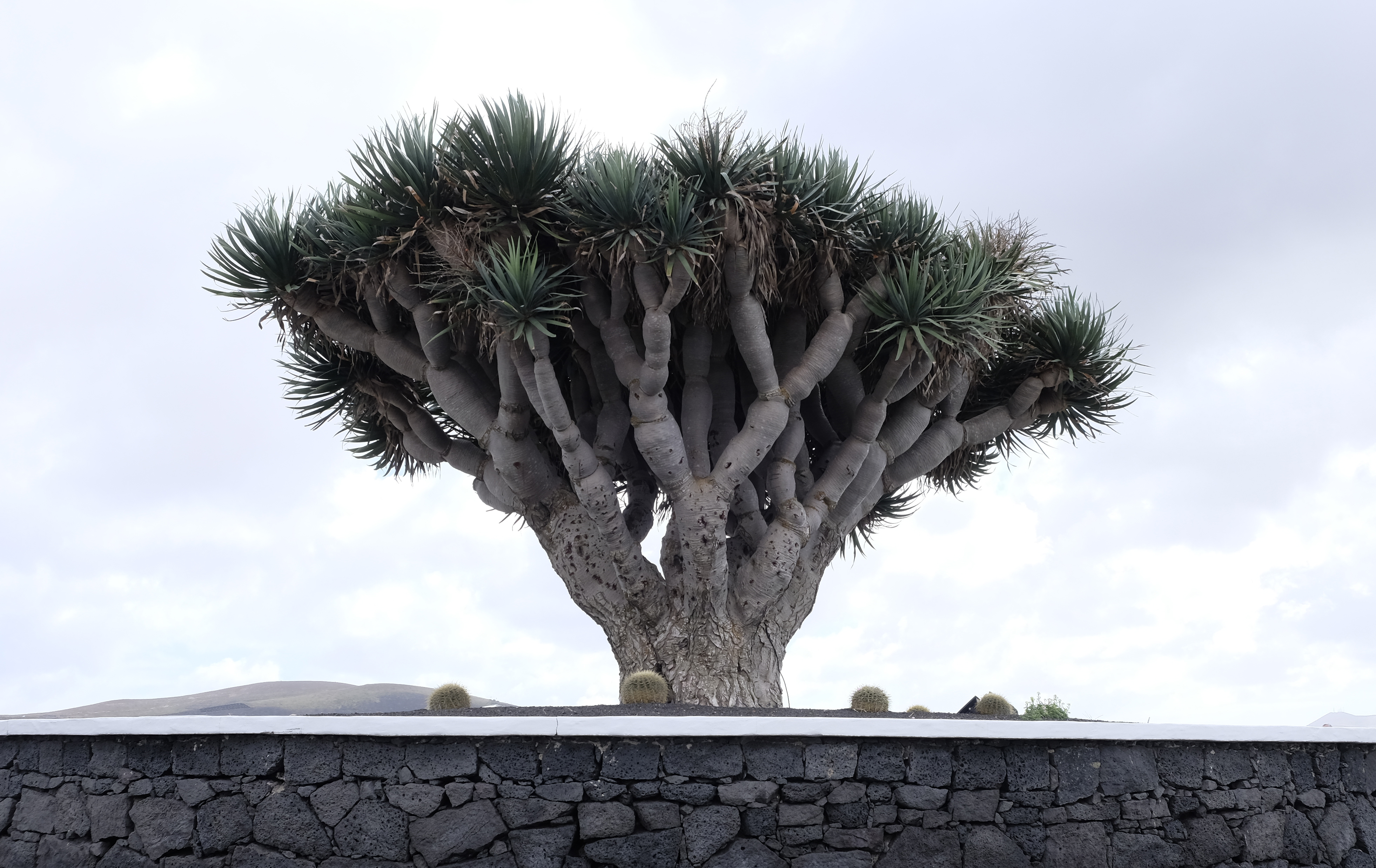
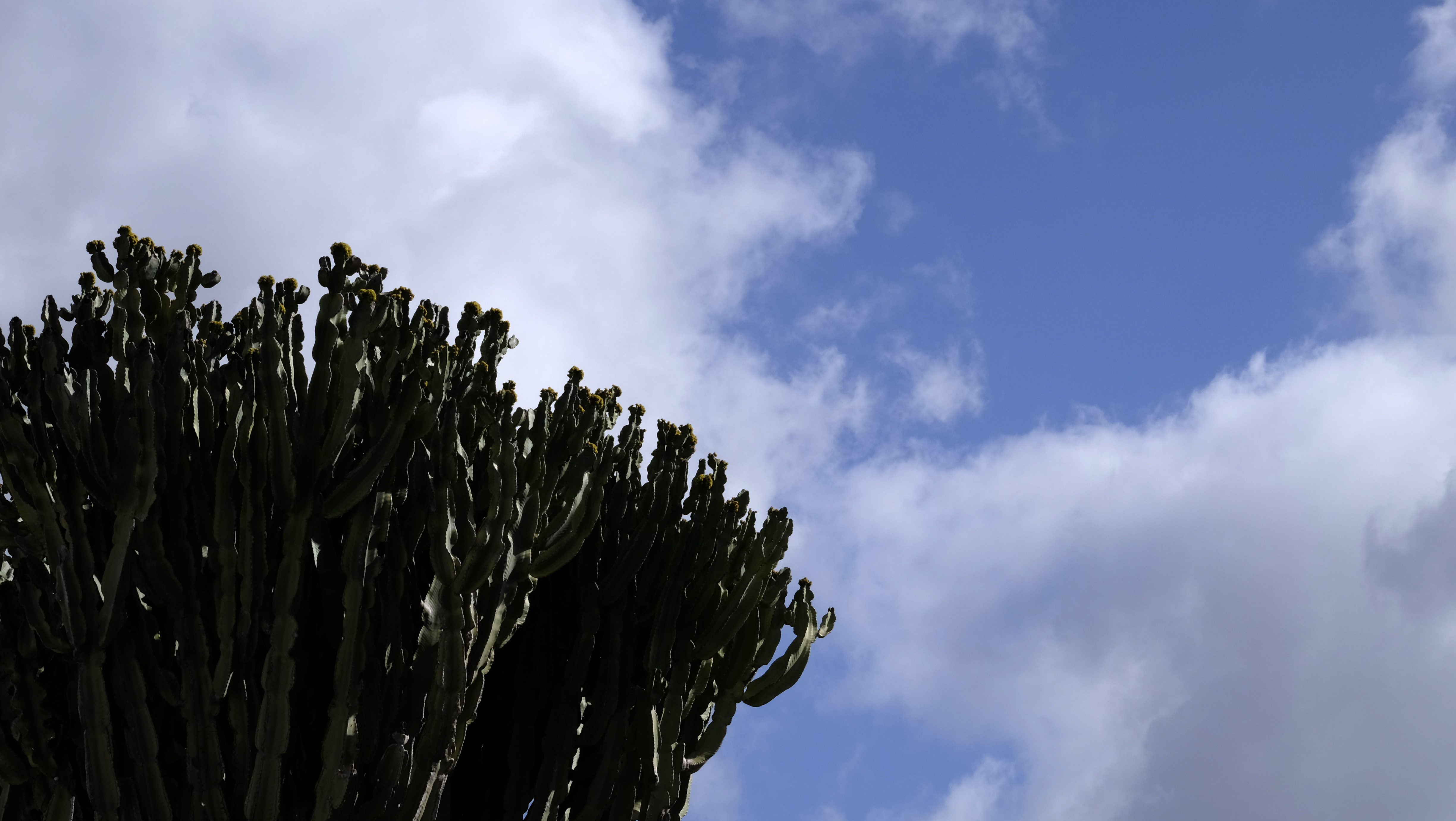
Lanzarote’s interior looks right out of a science fiction movie. In fact, Planet of the Apes, When Dinosaurs Ruled the Earth, Journey to the Center of the Earth, Moby Dick and Doctor Who were all filmed here. They say that NASA showed the astronauts of Apollo 17 photos of the park’s lunar landscape to prepare them for the moon. Without sighting the occasional palm tree of massive cactus, you would think you were on another planet.
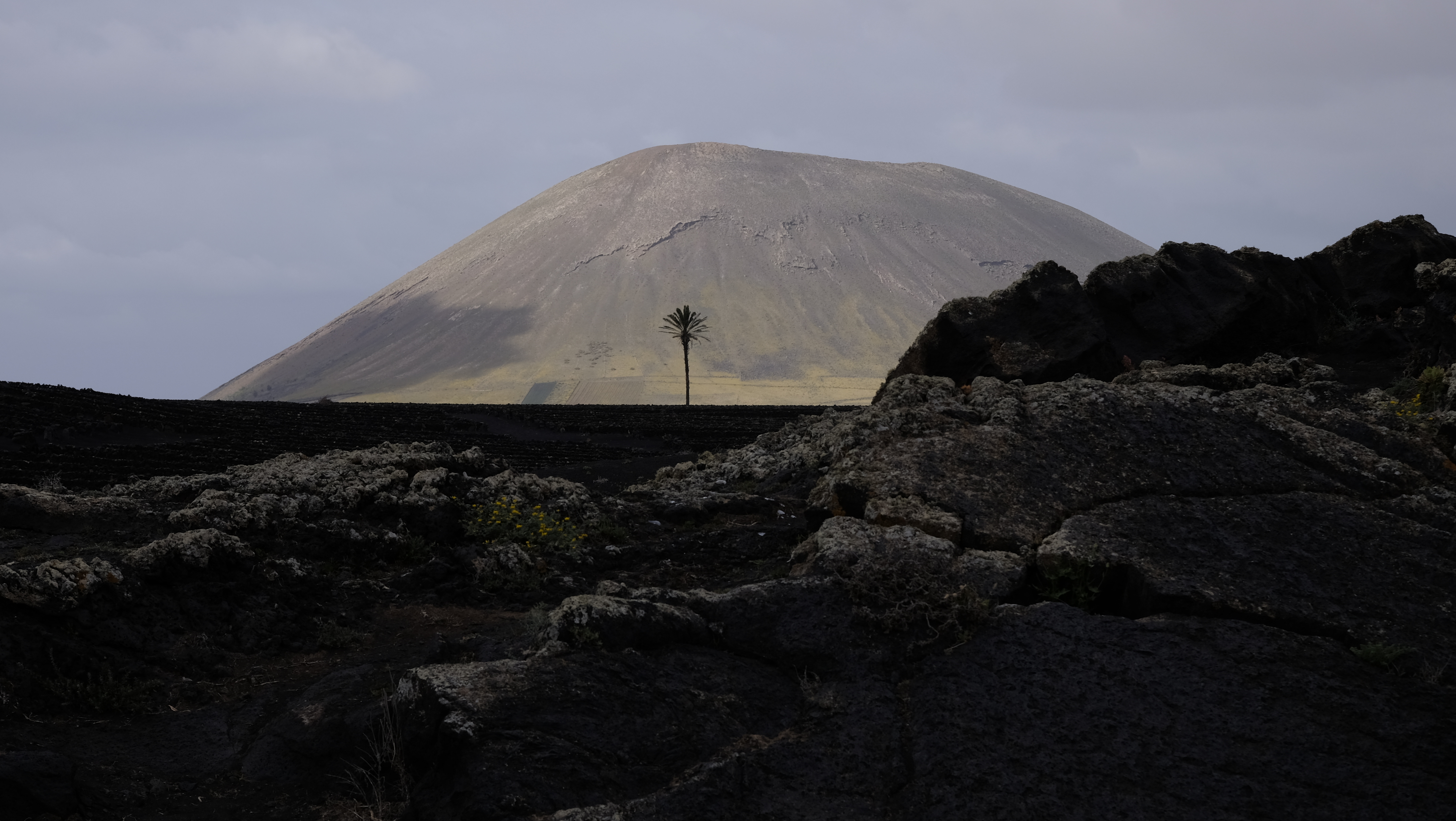
We continued on to the wine-making region, La Geria in Lanzarote’s interior. The 18th century eruptions covered around a third of the land in thick black lava and ash and destroyed the island’s traditional agricultural crops. Forced to innovate, residents devised revolutionary farming methods, which are exclusive to the region and well suited to grape growing. Wine producers dig wide holes or ditches, approximately 10’ wide and 8’ deep, to enable vine roots to reach down below the layer of ash.
Ash is particularly suited to water retention, essential in this desert environment. Vines are protected from strong coastal winds by semi-circular, handmade stone walls. This makes mechanization impossible, so all harvesting and pruning is done by hand and vine density and yields are low. Their motto is “Esencia de Volcan en tu copa” which translates to the essence of volcano in your cup.
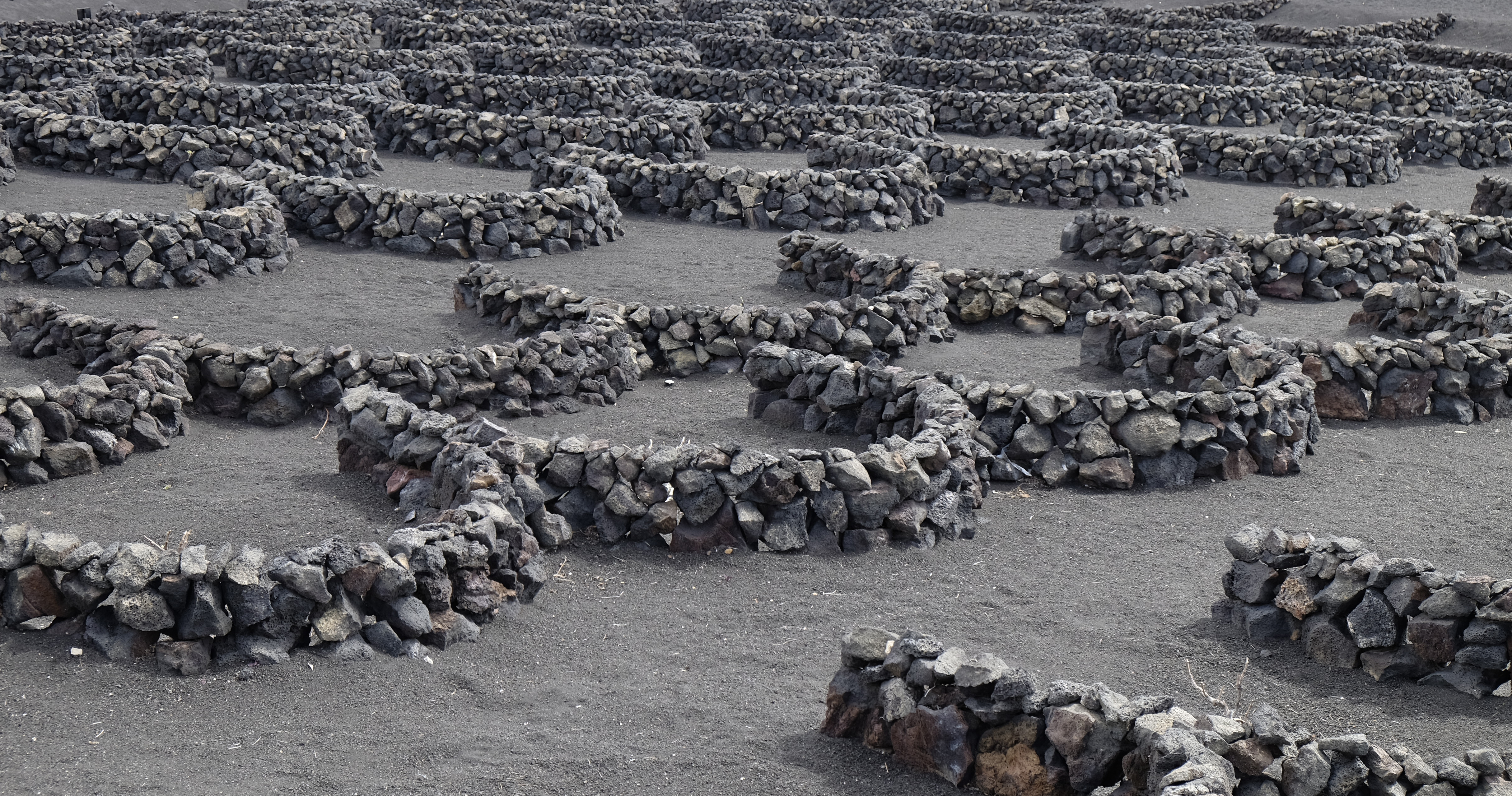
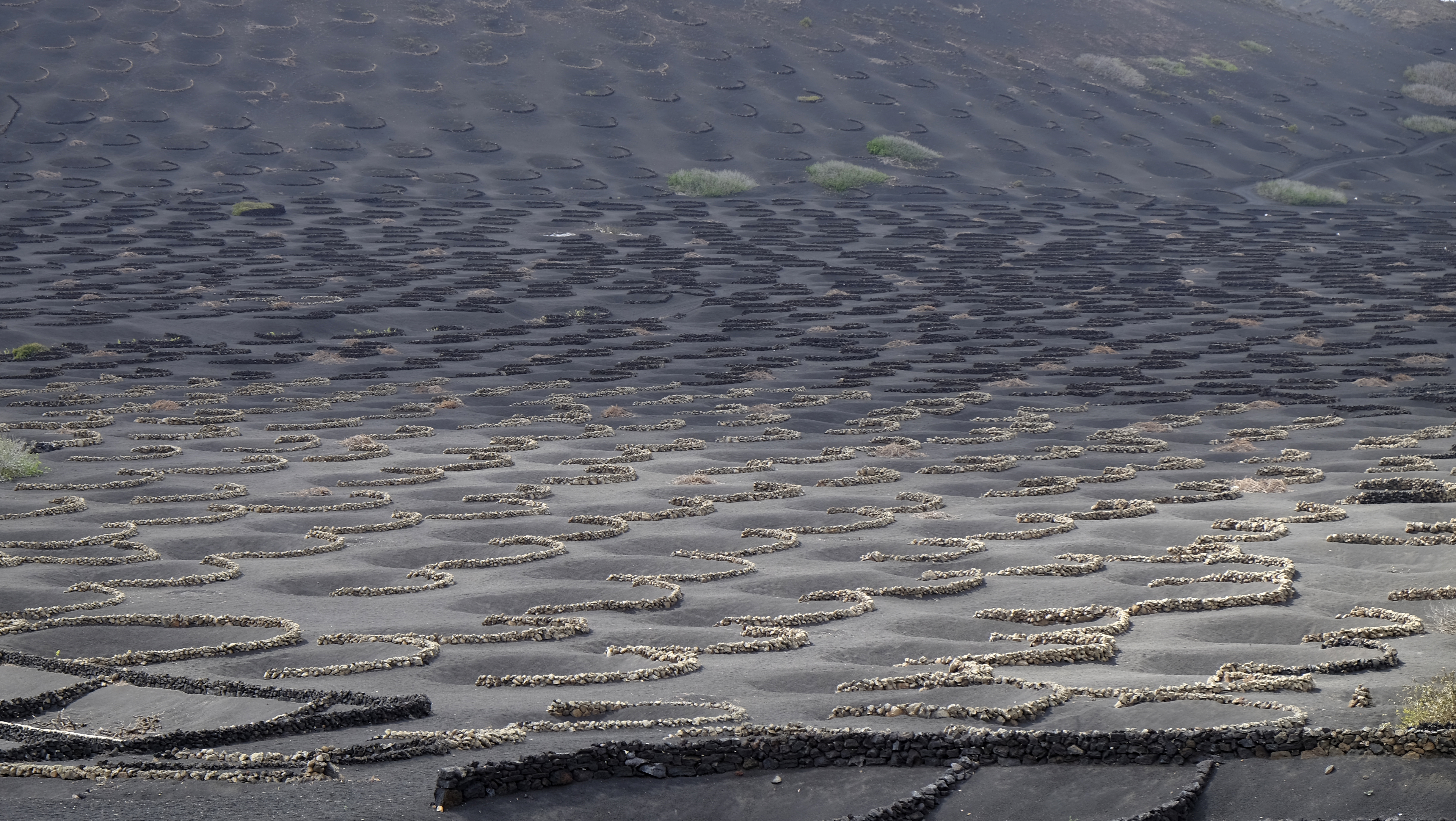
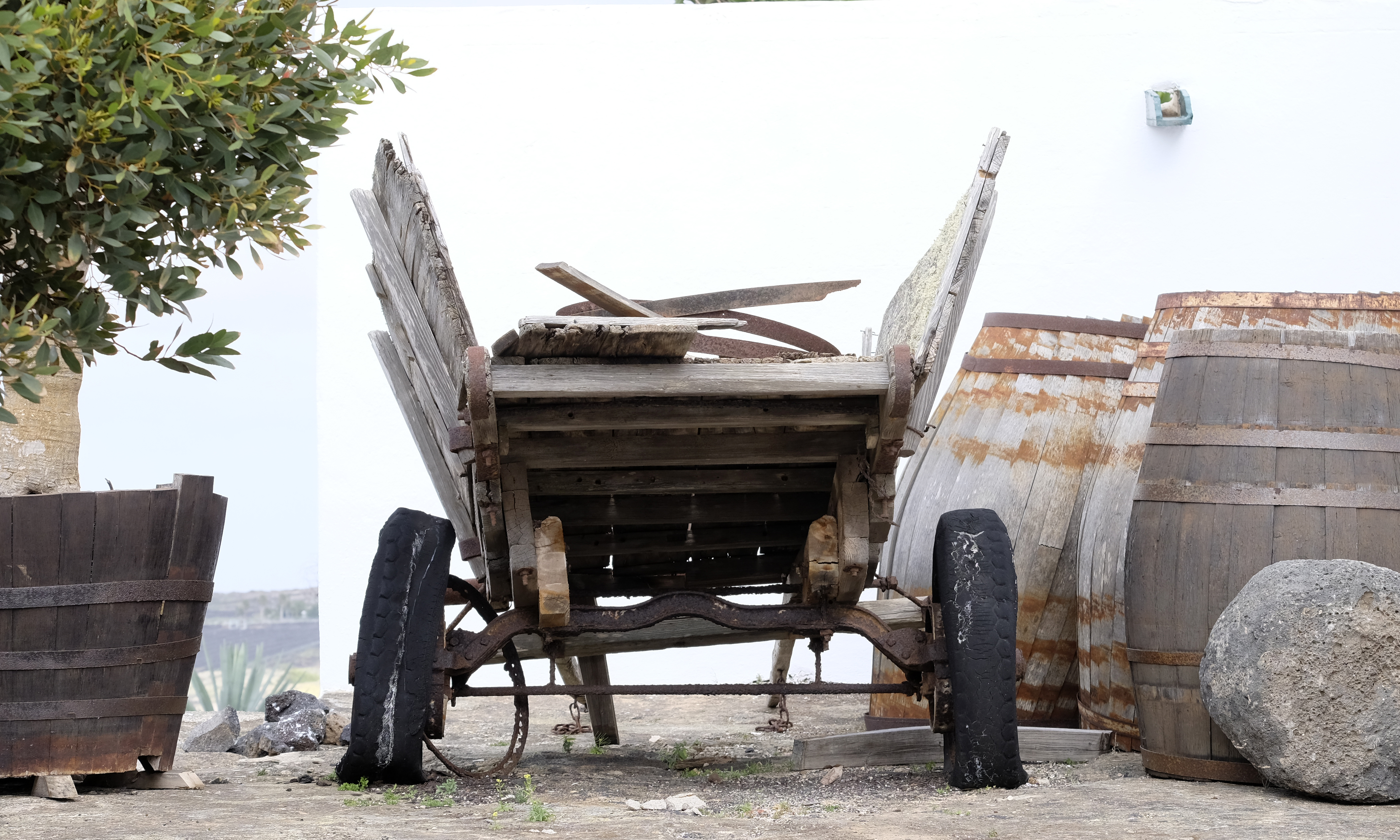
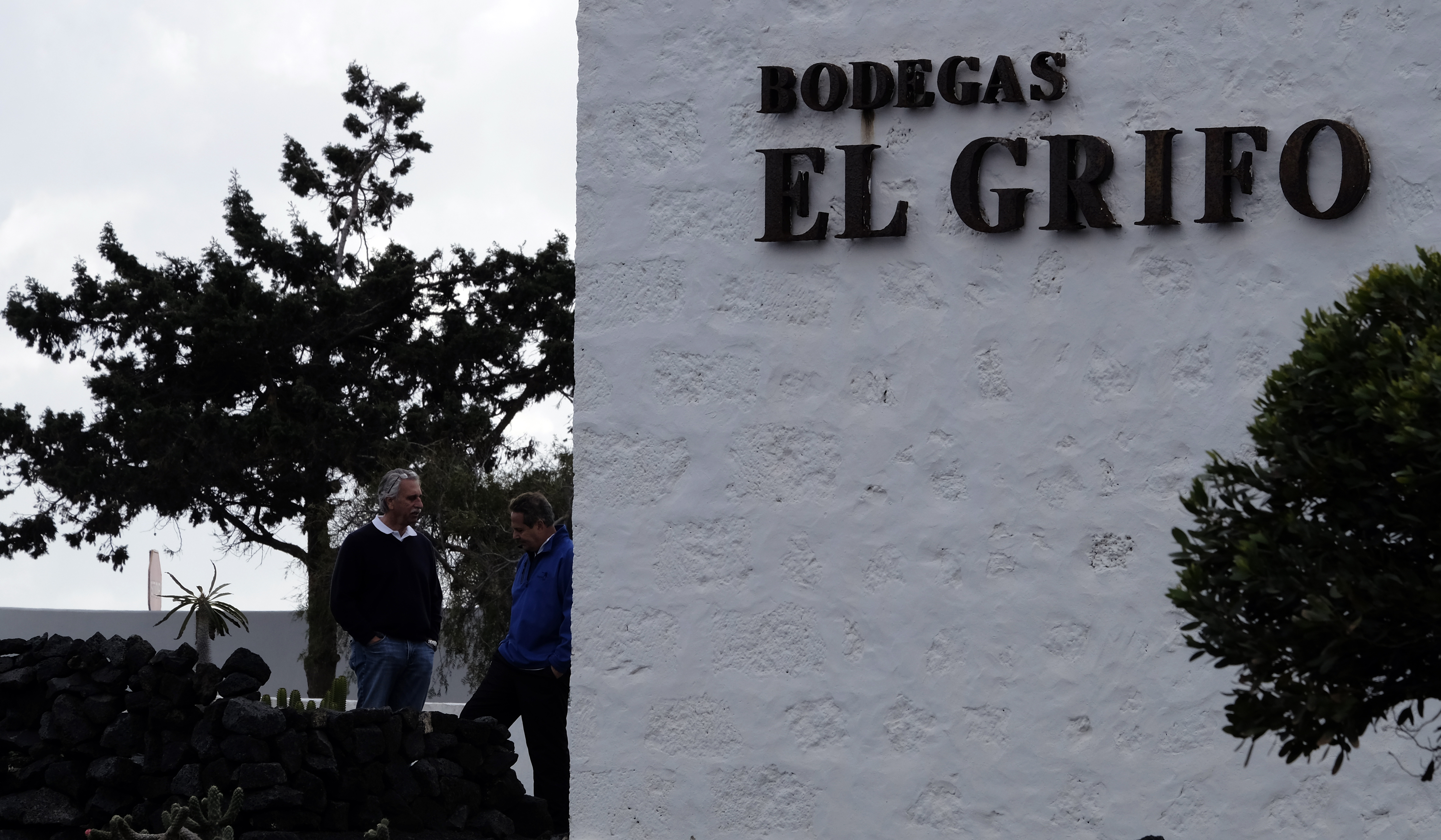
We examined the color, we sniffed the fragrance, we swirled the wine, we tilted the glasses, we sipped and then we bought bottles to bring home at Bodega La Geria; Bodegas Rubicon, known for award-winning Muscatels, Roses and Malvasias; and Bodegas El Grifo, the oldest winery in the Canary Islands and one of the oldest in all of Spain.
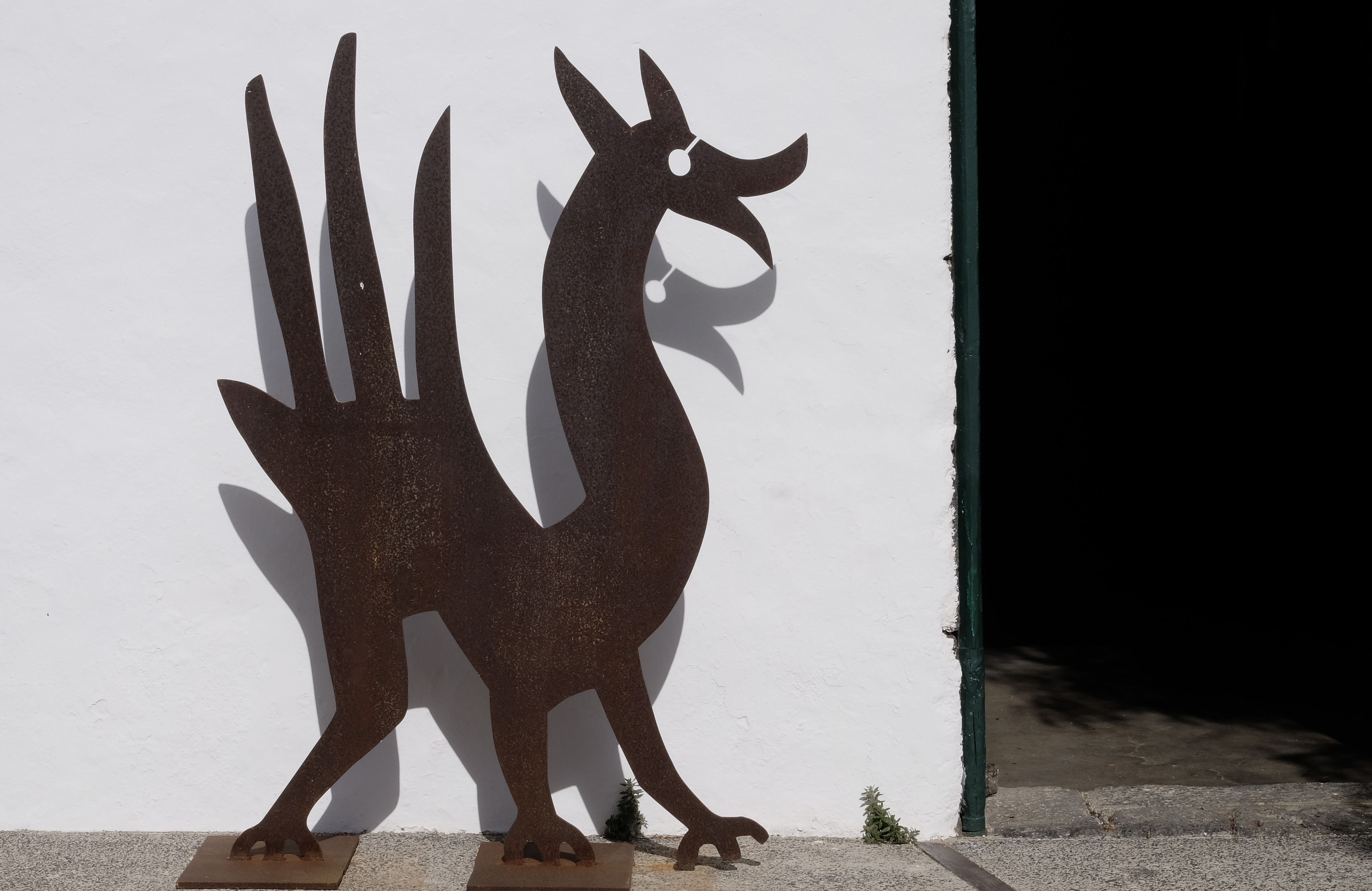
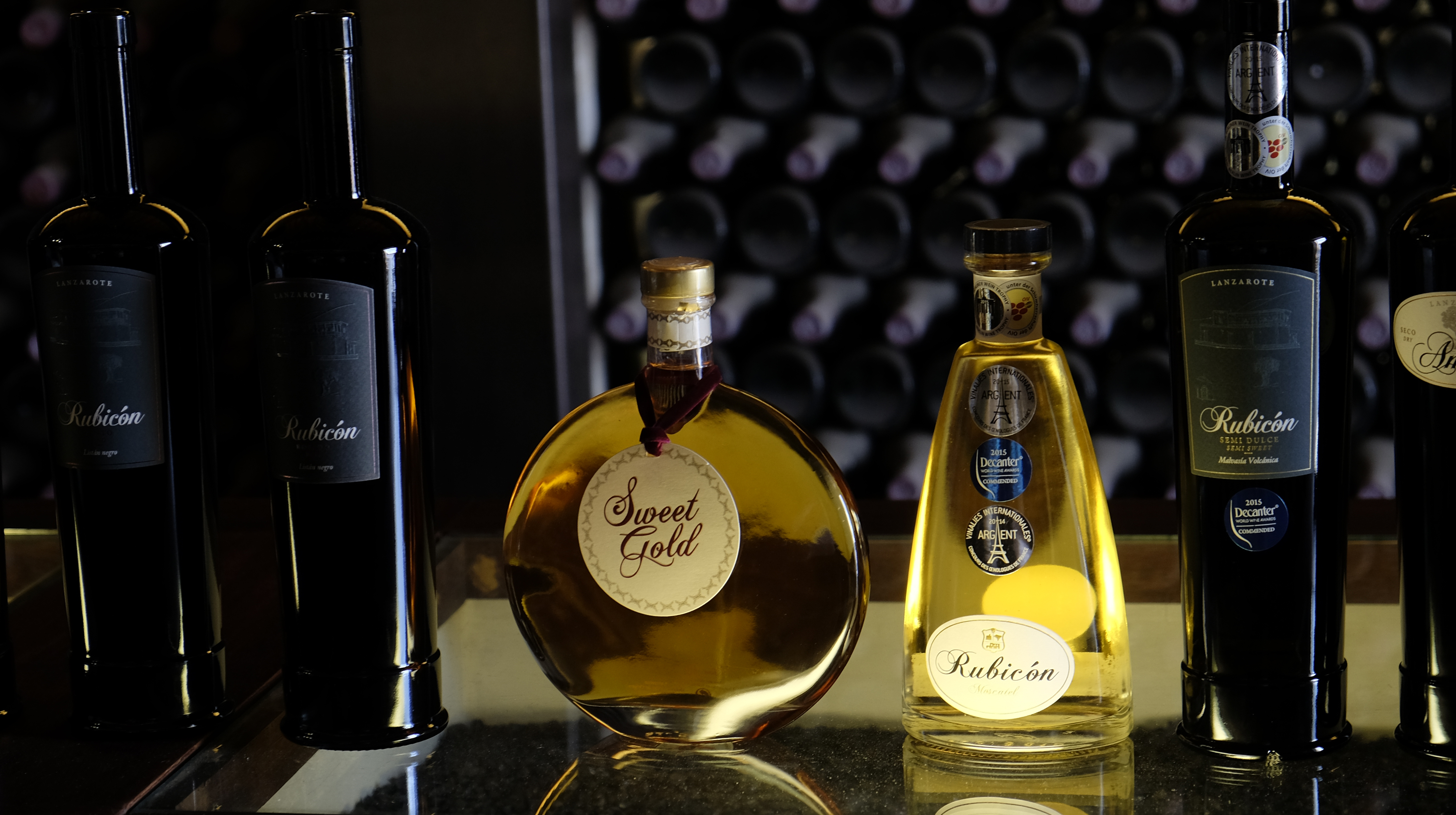
 Fun Fact – Shakespeare was known for his love of the sweet fortified wine produced on Lanzarote from the Malvasia grape. He referred to it as “Canary” and he was inspired to include it in his writing. It is not known if he actually visited the islands himself, but 20 million litres of Malmsey was imported into London during the 15th century via the world trade routes before a dispute ended the import.
“O knight, thou lackest a cup of canary. When did I see thee so put down?” –“Twelfth Night,” Sir Toby Belch

Leave a Reply