Saturday, 26 March 2016 / Language: Arabic and Berber, French is often used for business, government and diplomacy / Currency: Moroccan Dirham
Morocco is my first foray in Africa and marks my sixth continent (North America, South America, Europe, Asia, Antarctic and now Africa). We plan to go to Australia at the end of the year and thus will become members of the seven continents club.
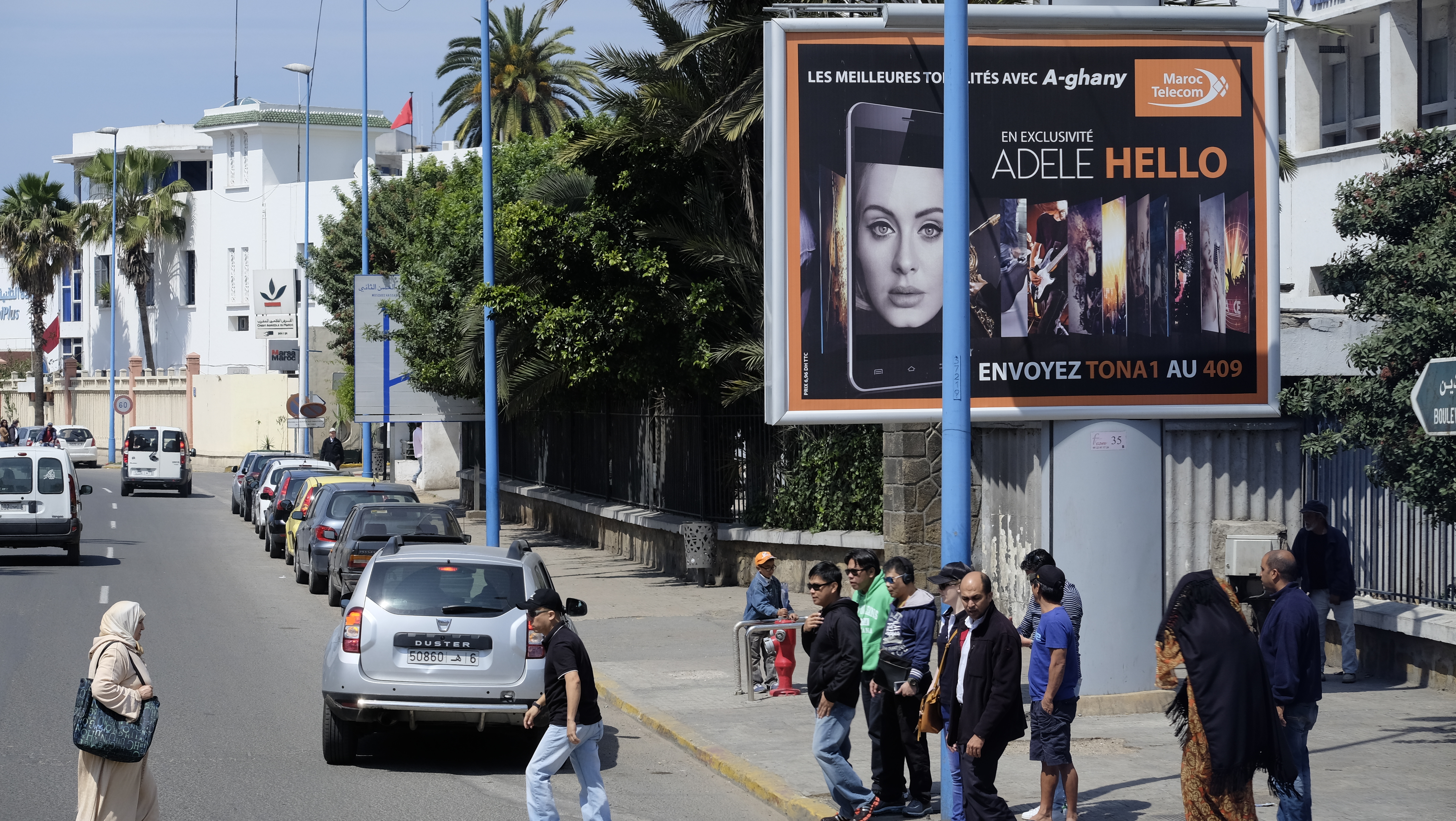
Although we are in Africa, Morocco is far from a safari adventure you may imagine. We start in Casablanca, almost universally referred to as ‘Casa.’ It is Morocco’s largest city and the country’s main port which translates into quite a few gritty and industrial-looking neighborhoods. 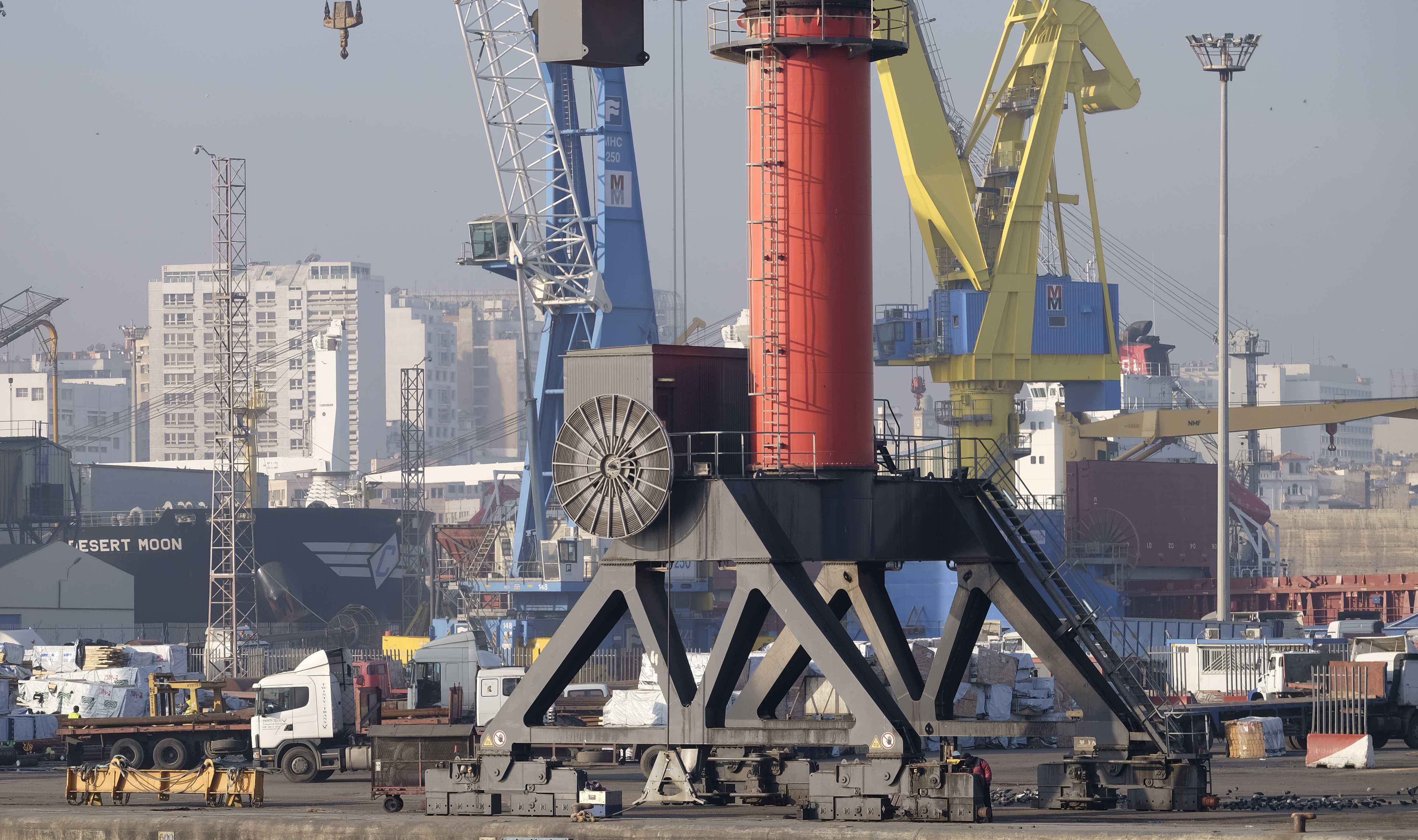 Before any one is allowed to disembark there is a full face-to-face immigration inspection required by every passenger and crew member on board. This the strictest security we have faced to enter any port. Once we are cleared we take an excursion to see the highlights of Casa.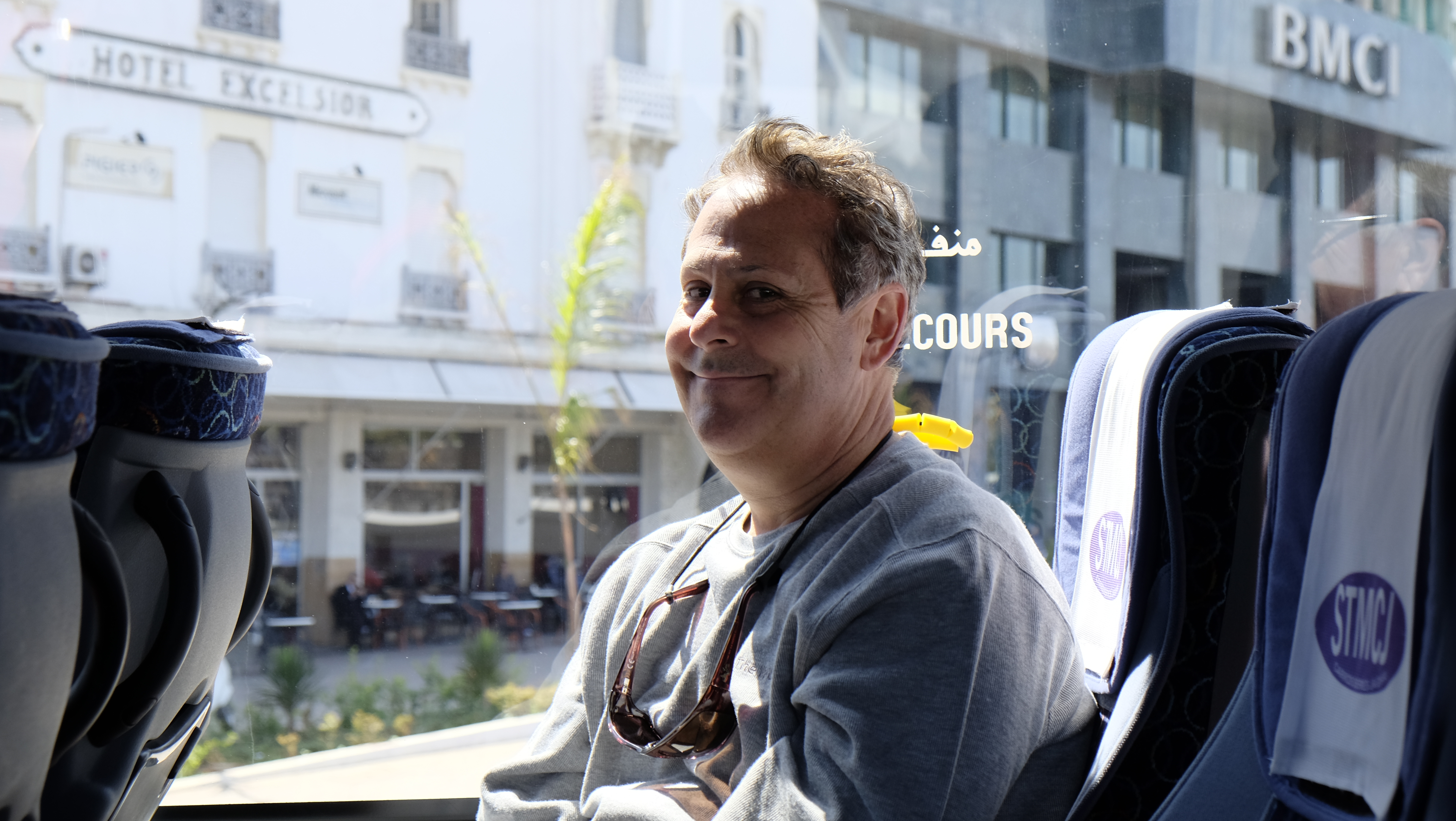
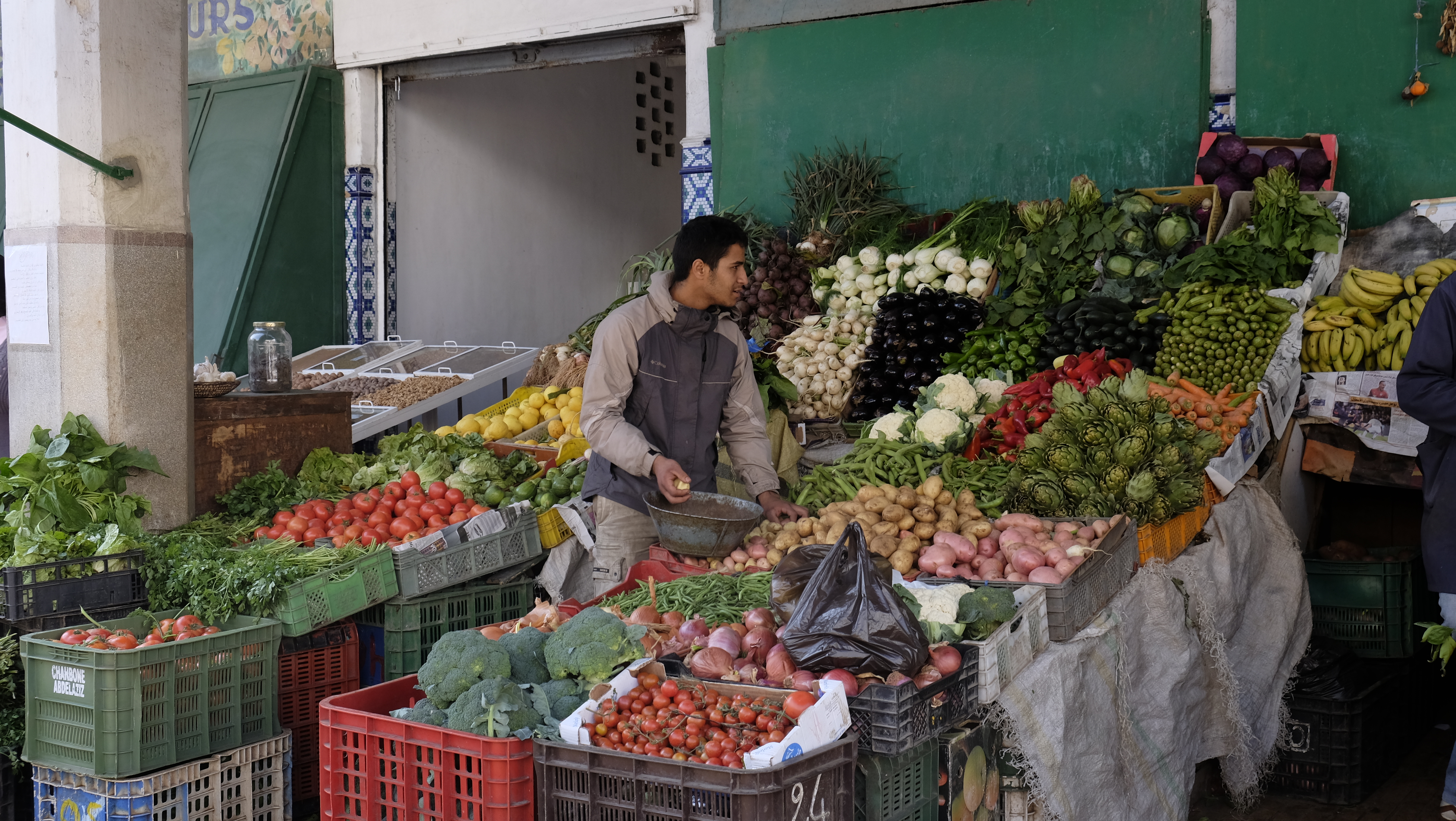
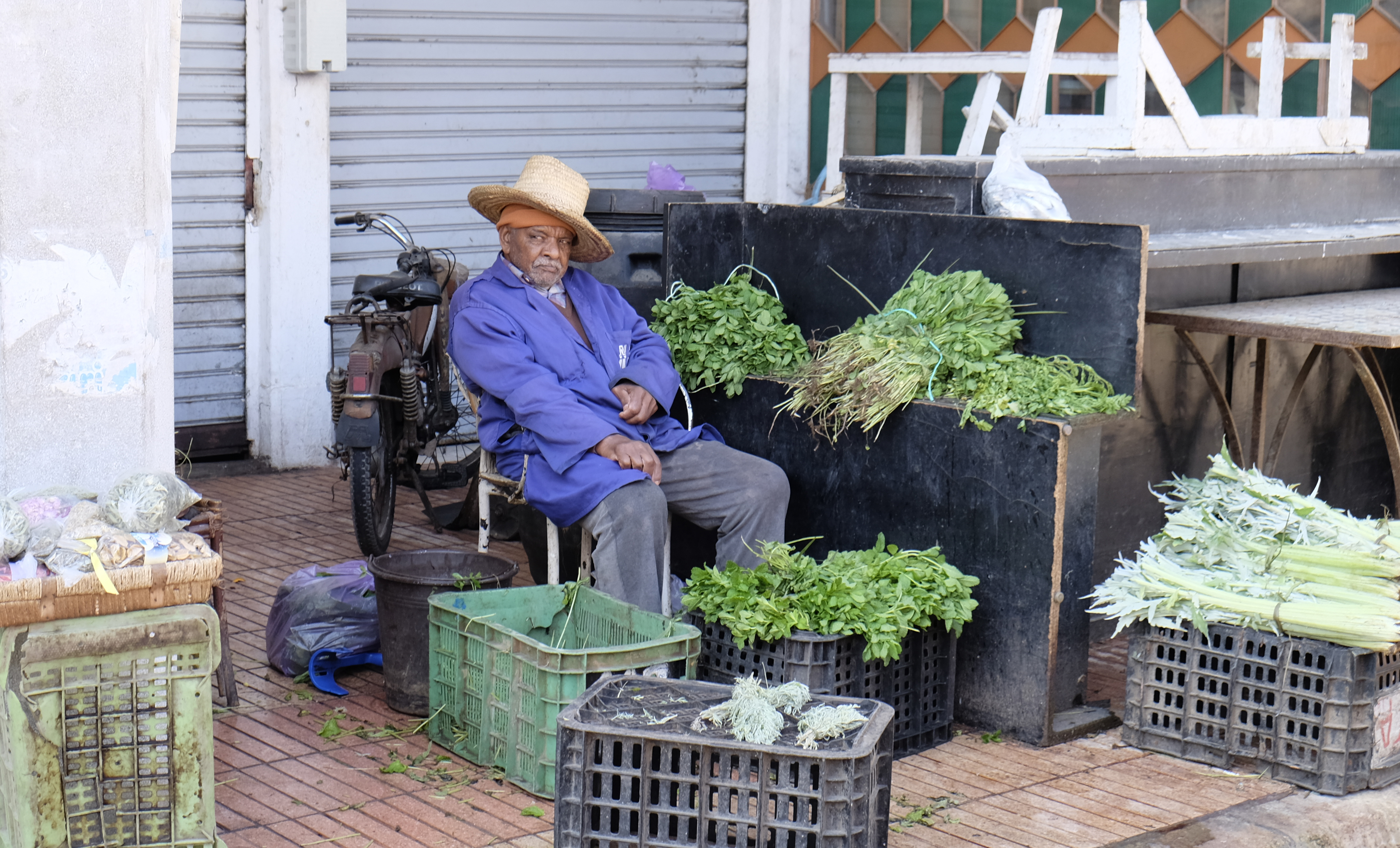
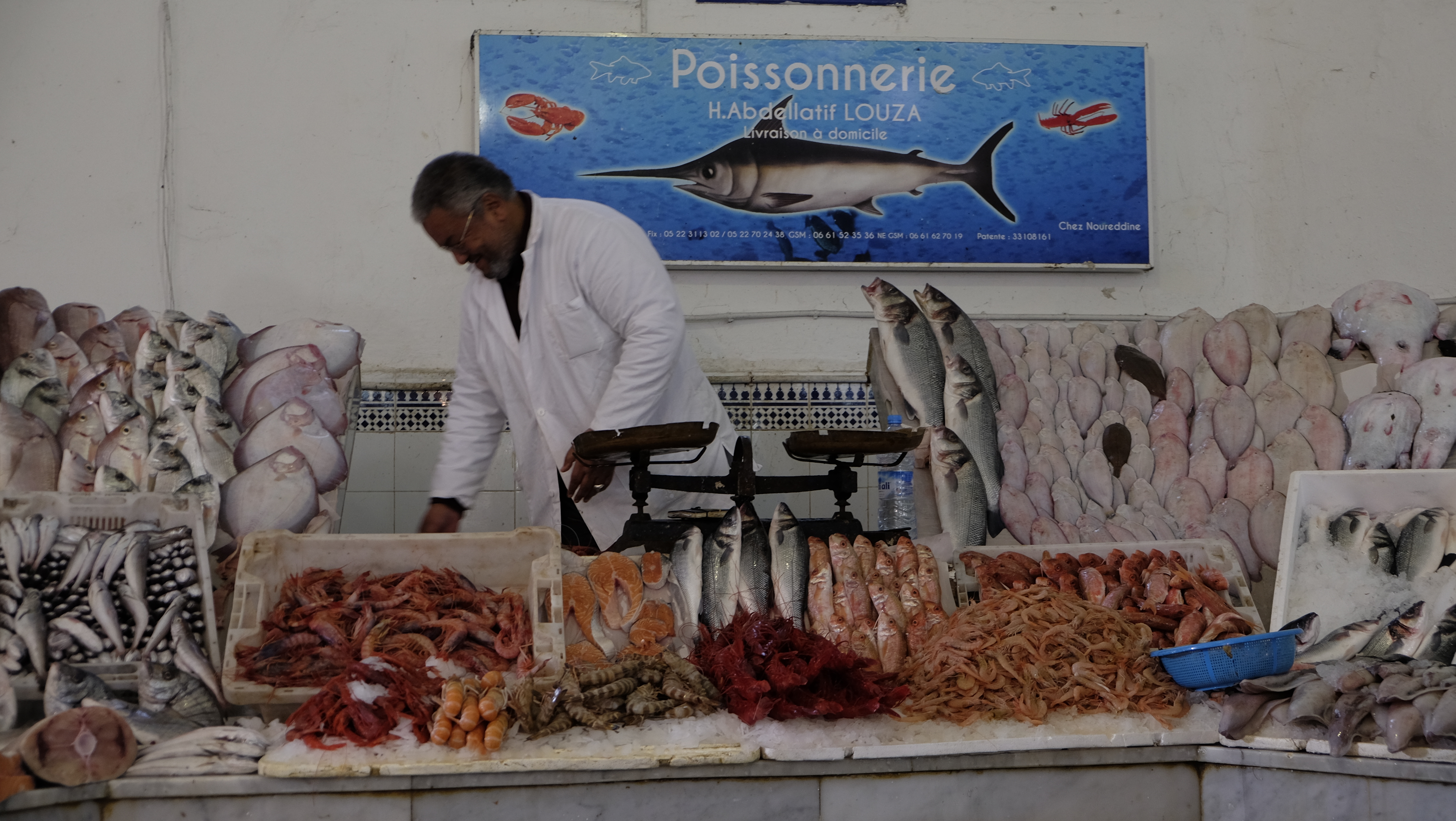
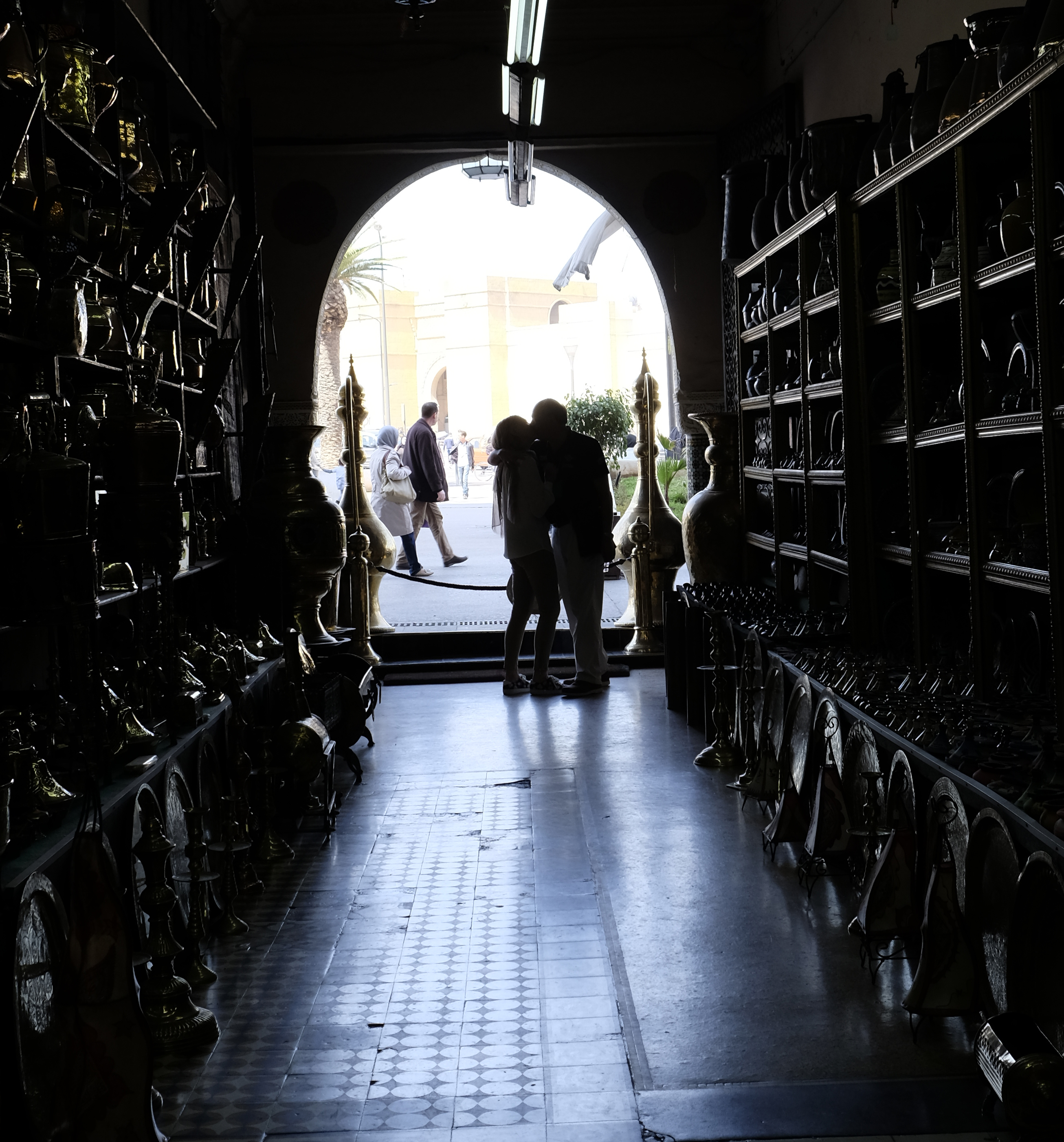
We begin with a bus ride to the lively Central Market, a maze-like tumble of alleyways with authentic tradesmen selling flowers, fish, produce, meat, nuts, dates, shoes, silver, leather and anything you can imagine. Of course, there is plenty selling argan oil, the traditional Moroccan elixir for most everything. It’s a shame our guide passed through so quickly, it was really a photographer’s heaven, but not a place to get separated from the group. 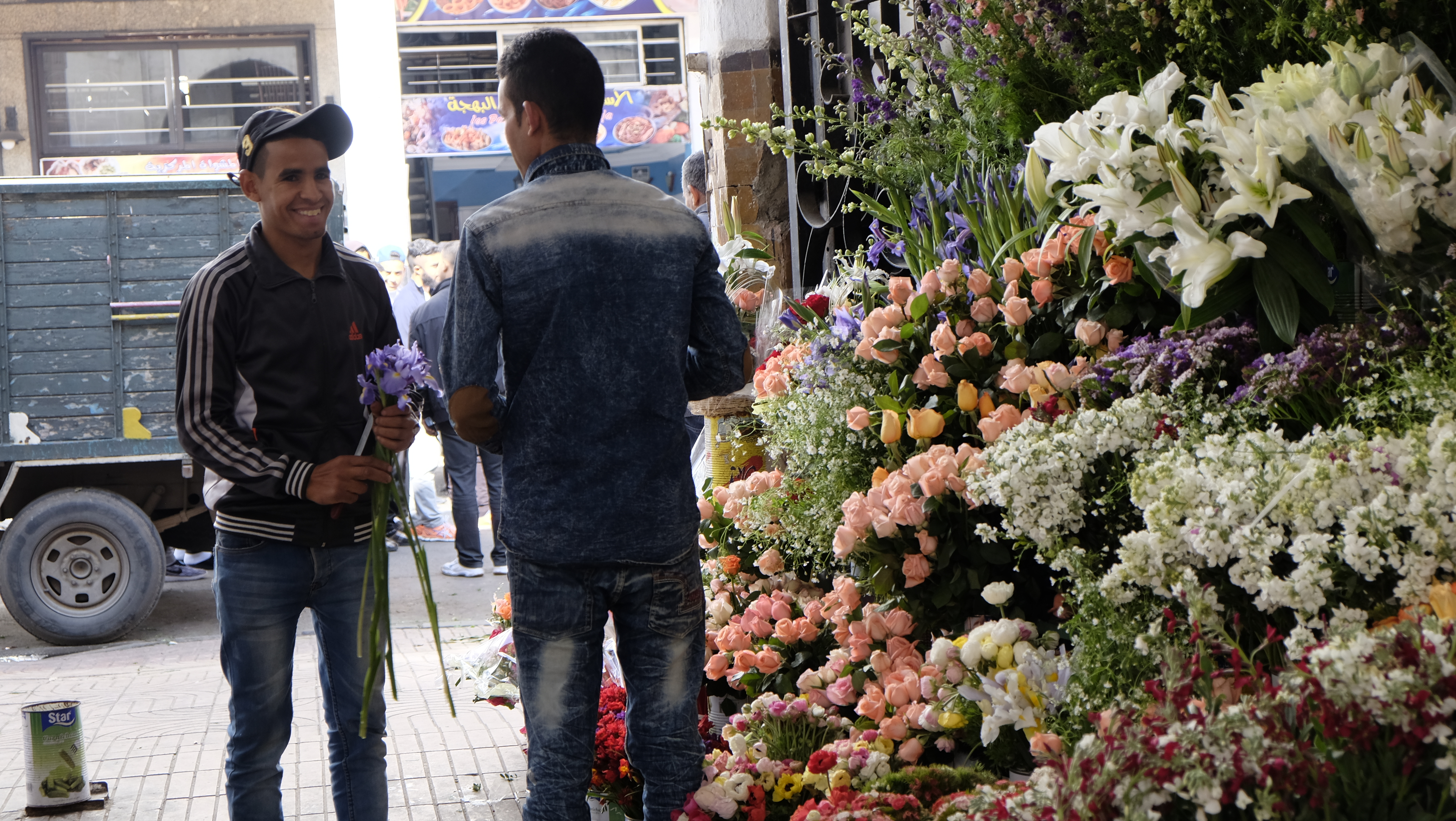
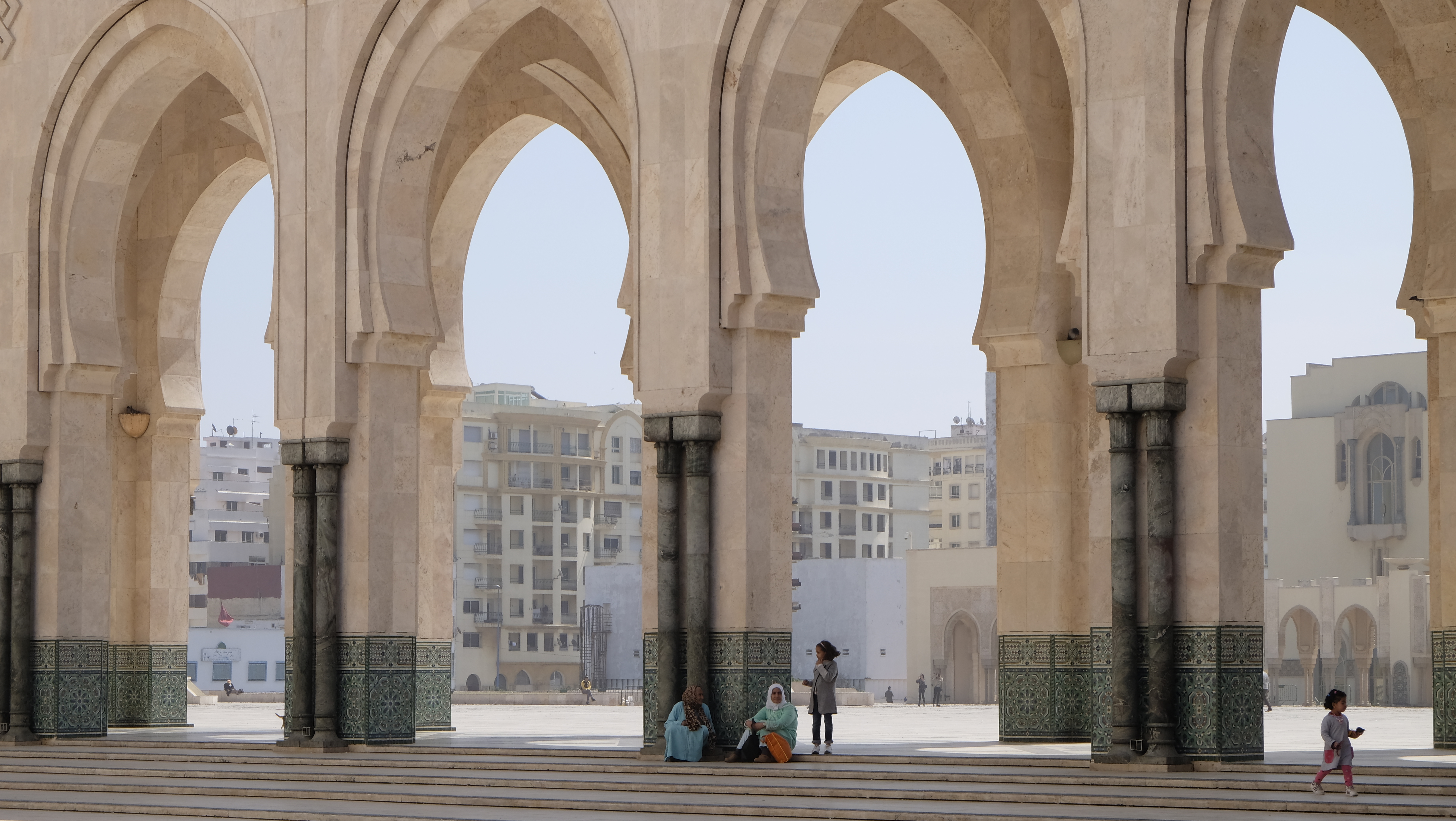
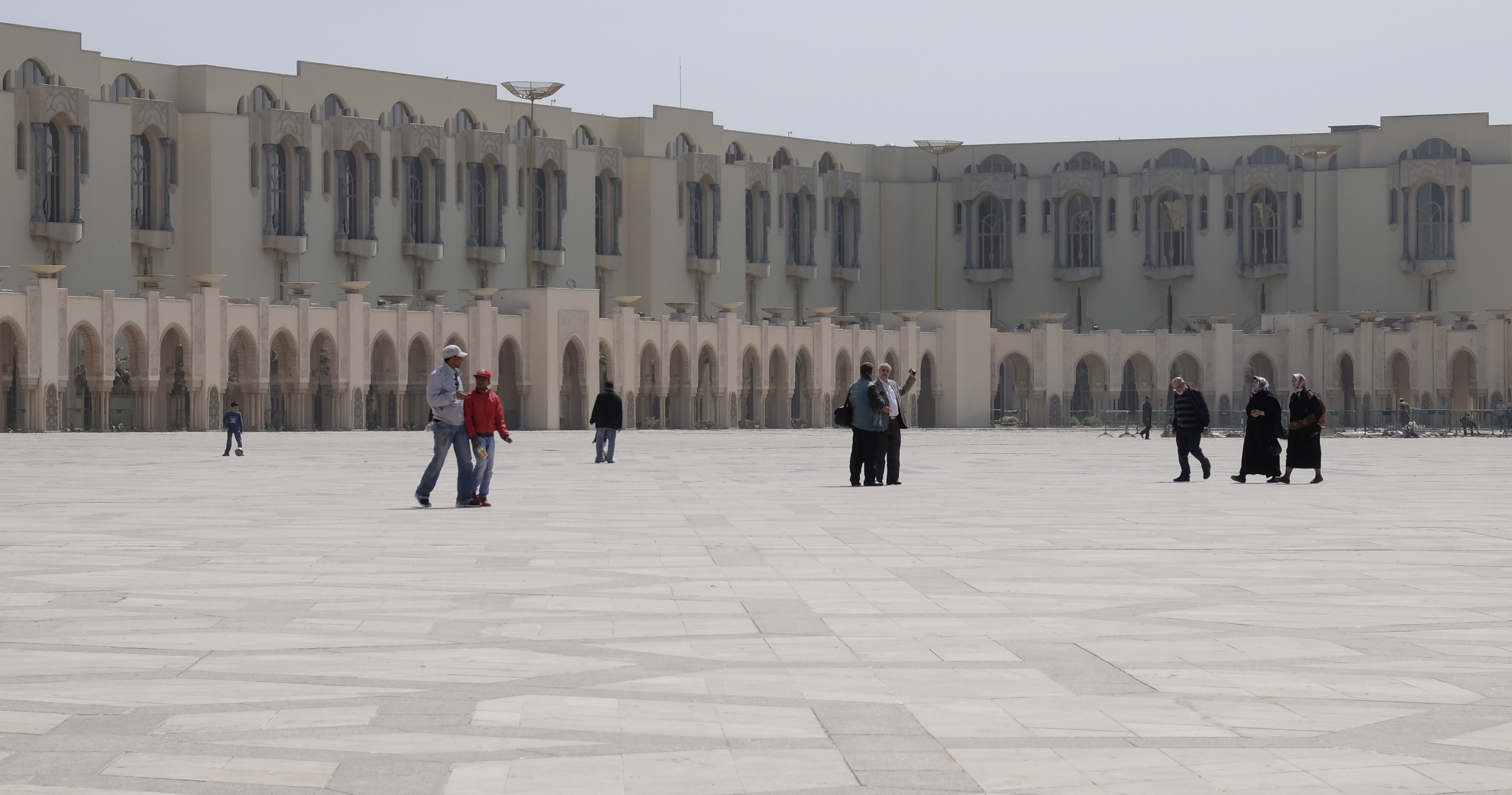
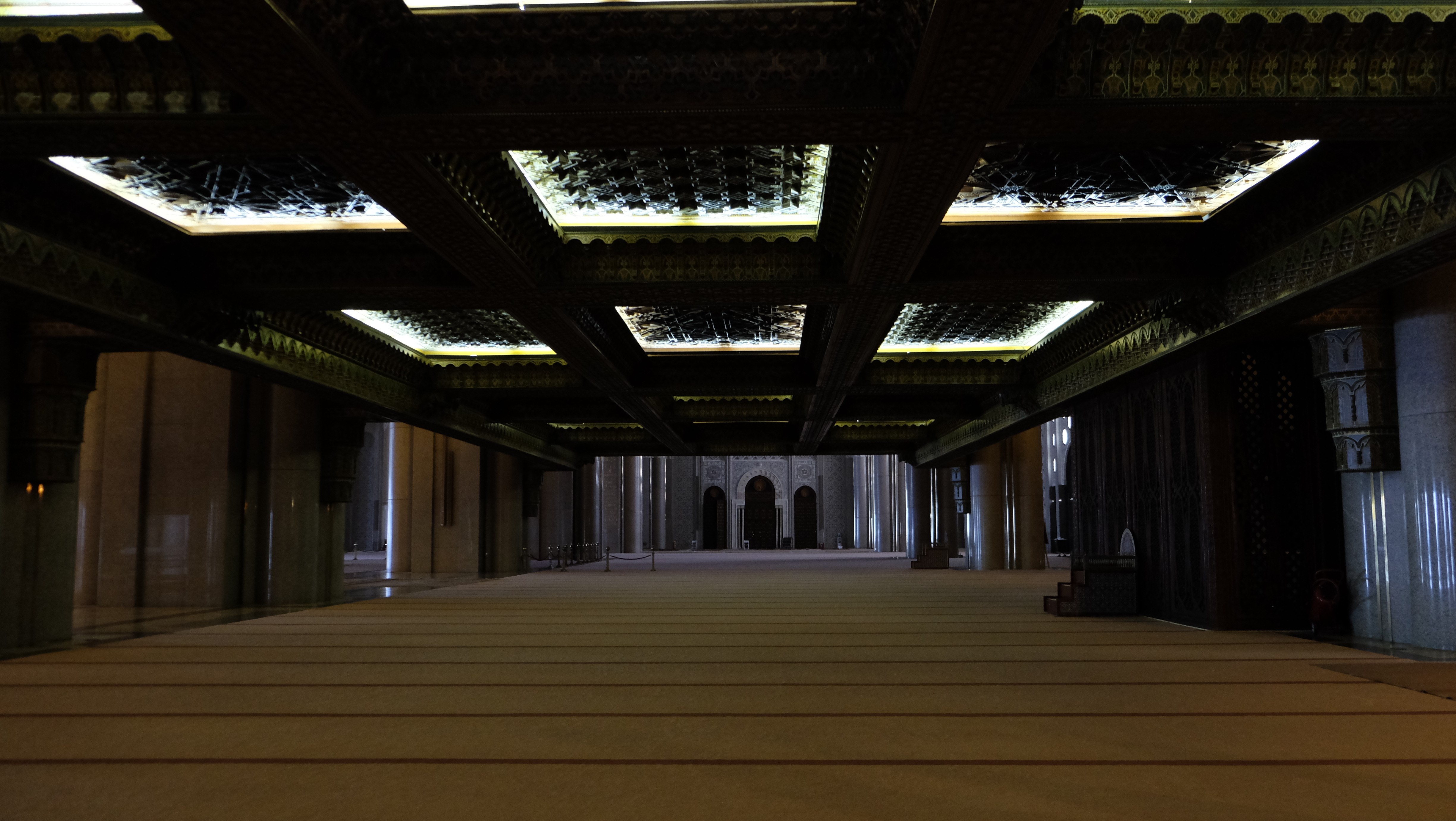
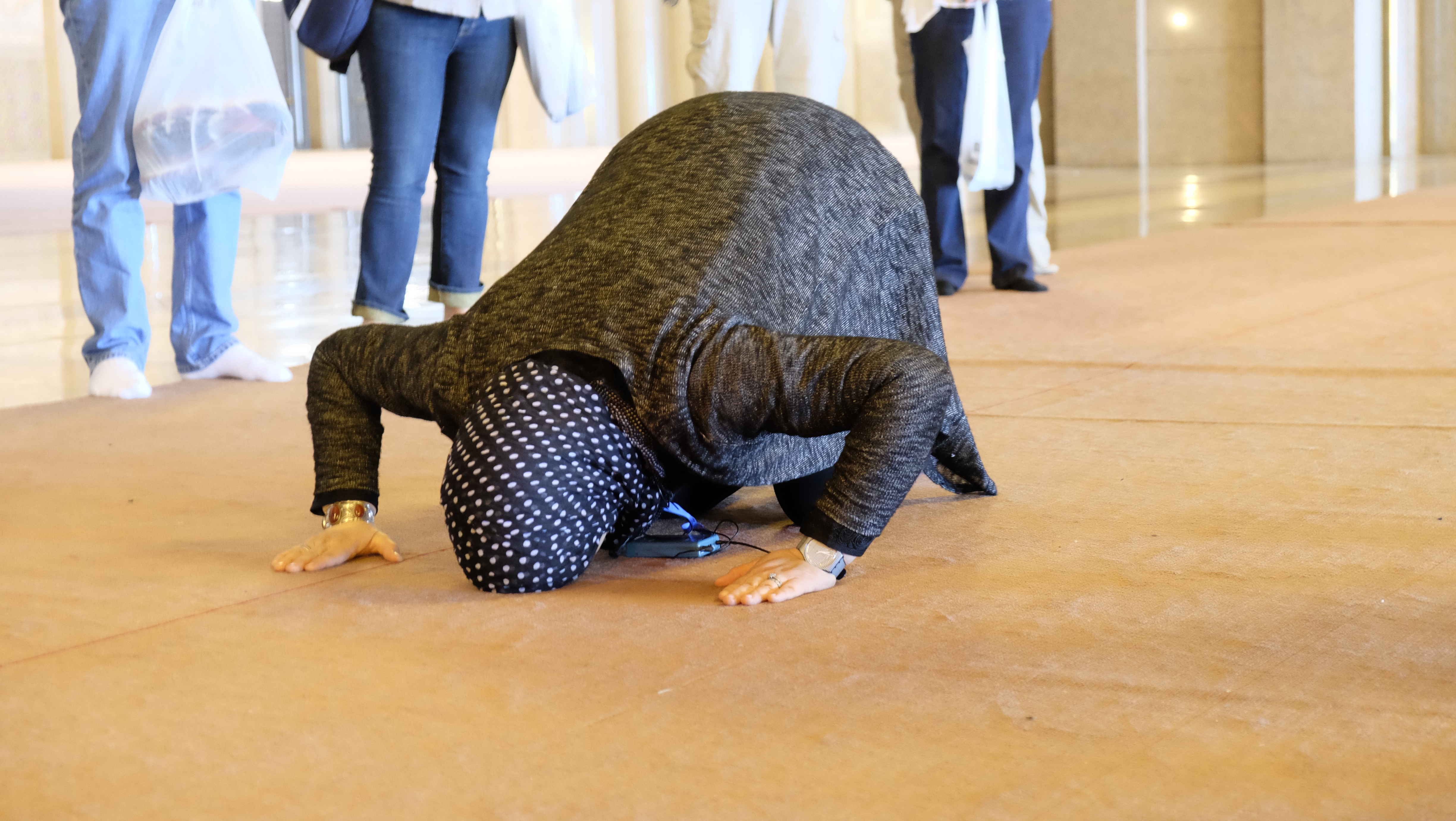
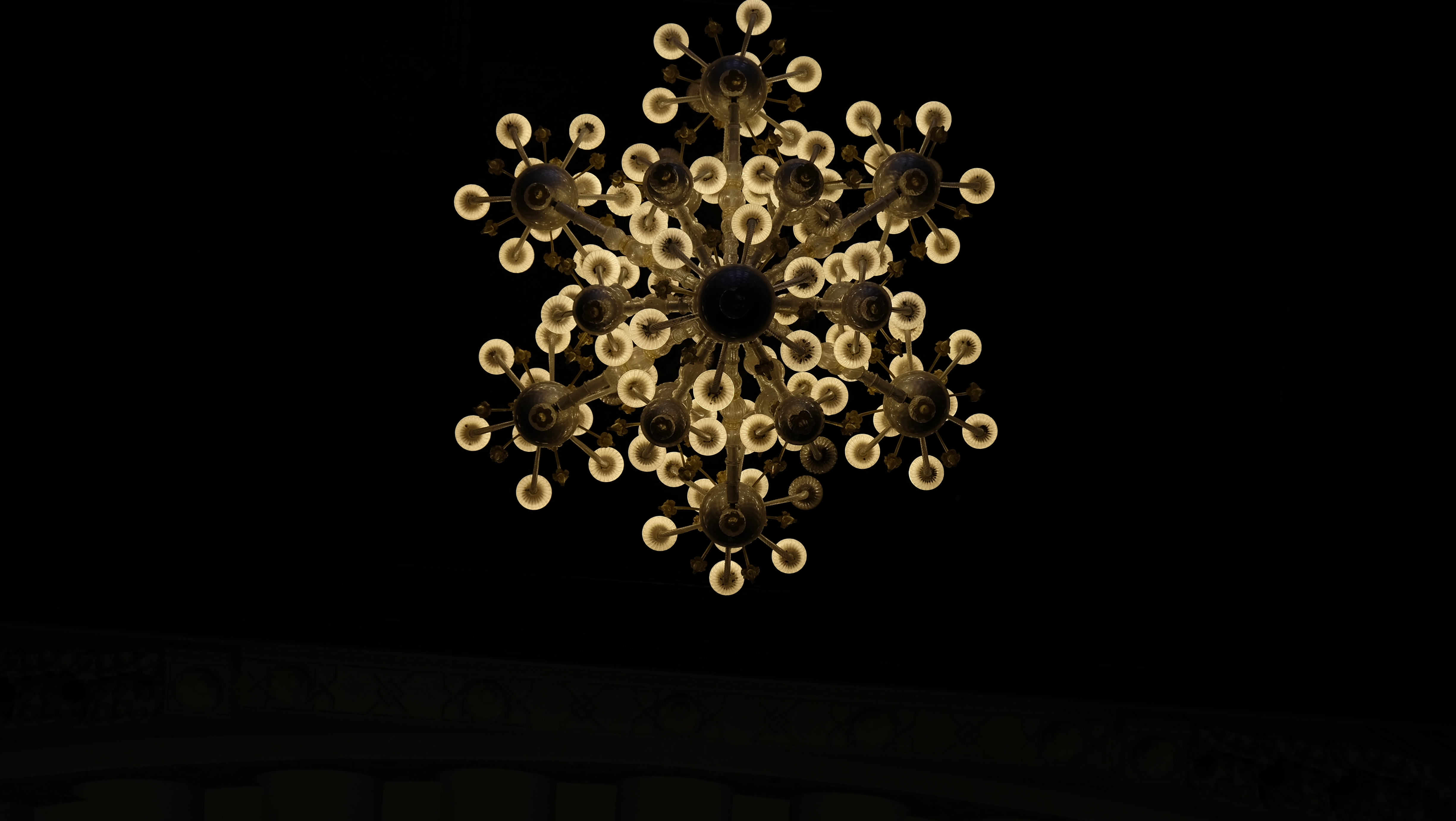
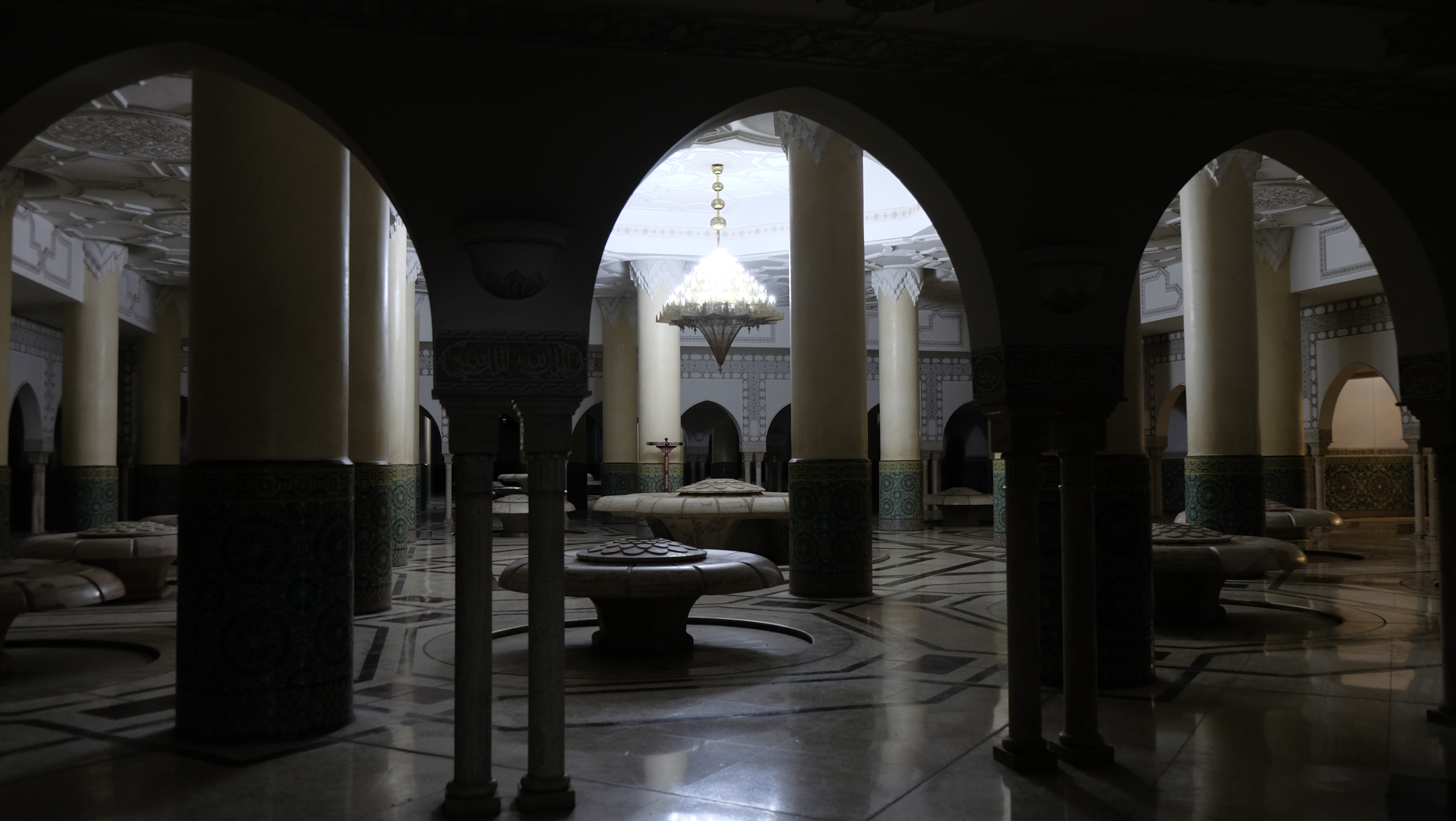
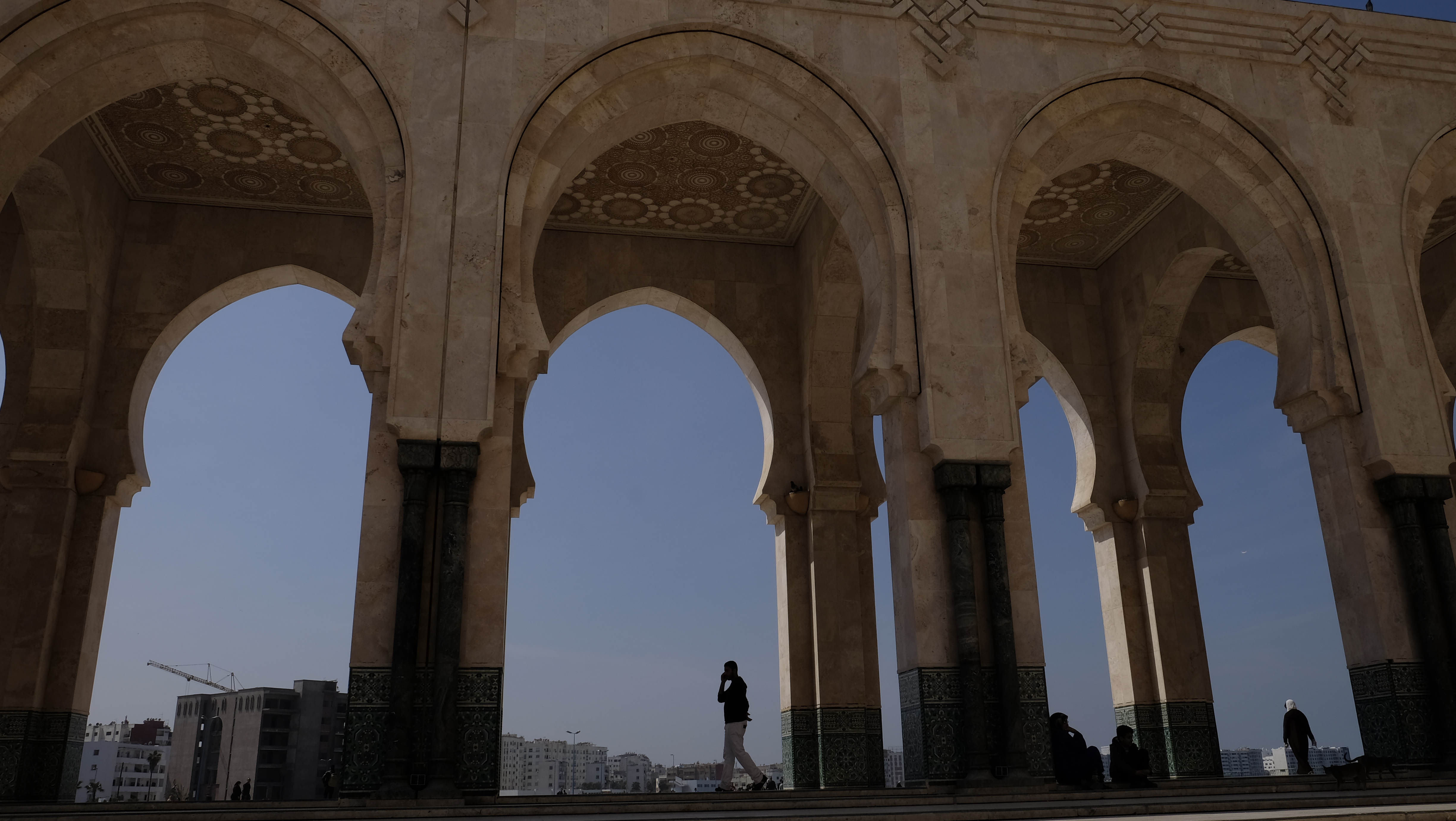
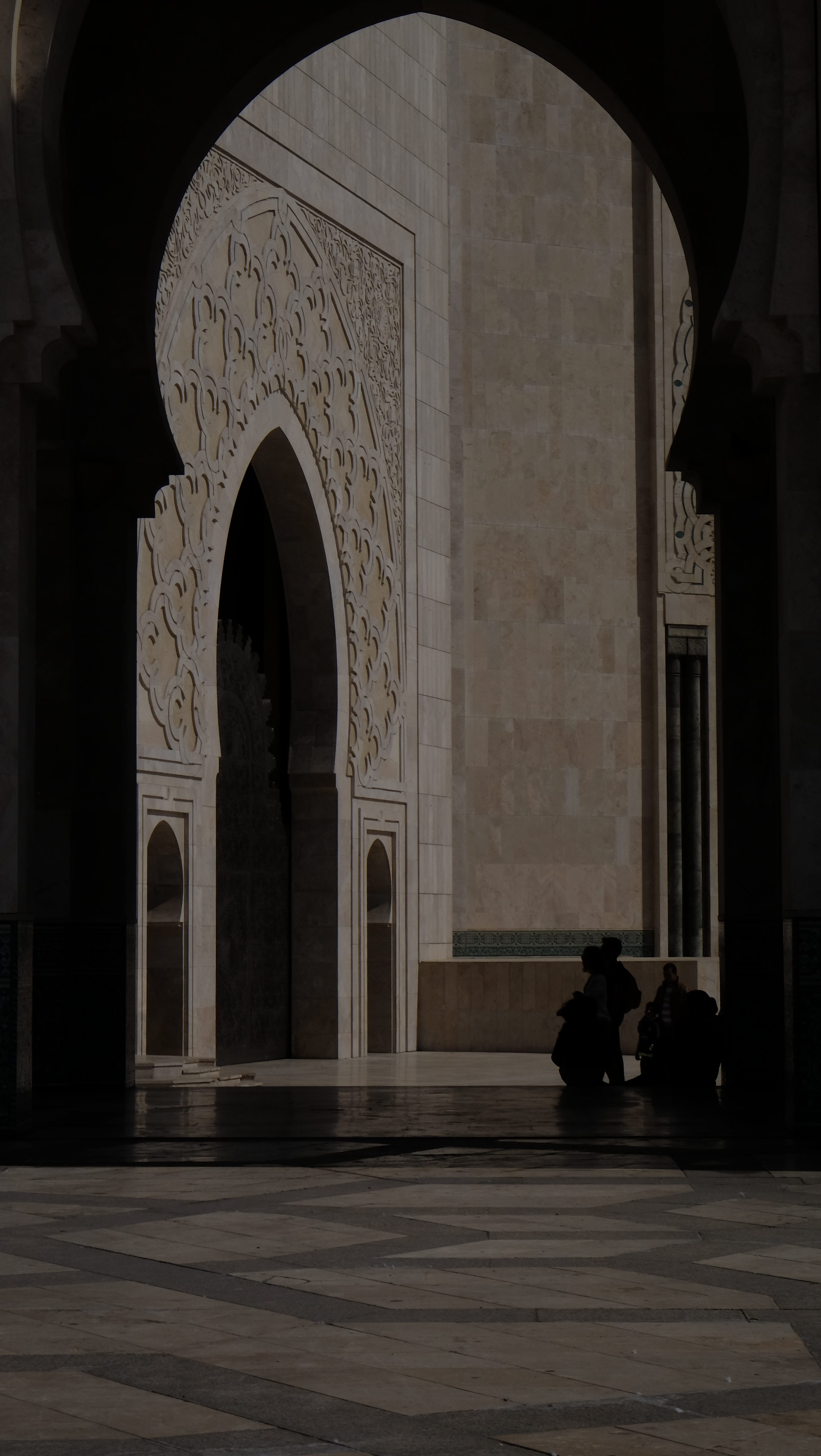
Next up, Casablanca’s most famous landmark. On the shoreline, just beyond the northern tip of Casablanca’s Medina (Old City), the Hassan II Mosque sits where it dominates the entire city. Finished in 1993, it is the second largest mosque in the world with the world’s tallest minaret. It took 6,000 craftsmen over 50 million man-hours to build the mosque, conceived by French architect Michel Pinsea. The prayer hall holds 25,000 worshippers while the courtyard can fit another 80,000. The minaret, the tallest in the world at 690 feet, is visible day and night for miles around. Intricate mosaics, frescoes, beautifully carved and painted wooden ceilings, plaster work and massive columns are revealed during our guided tour, a rare opportunity for non-Muslims. 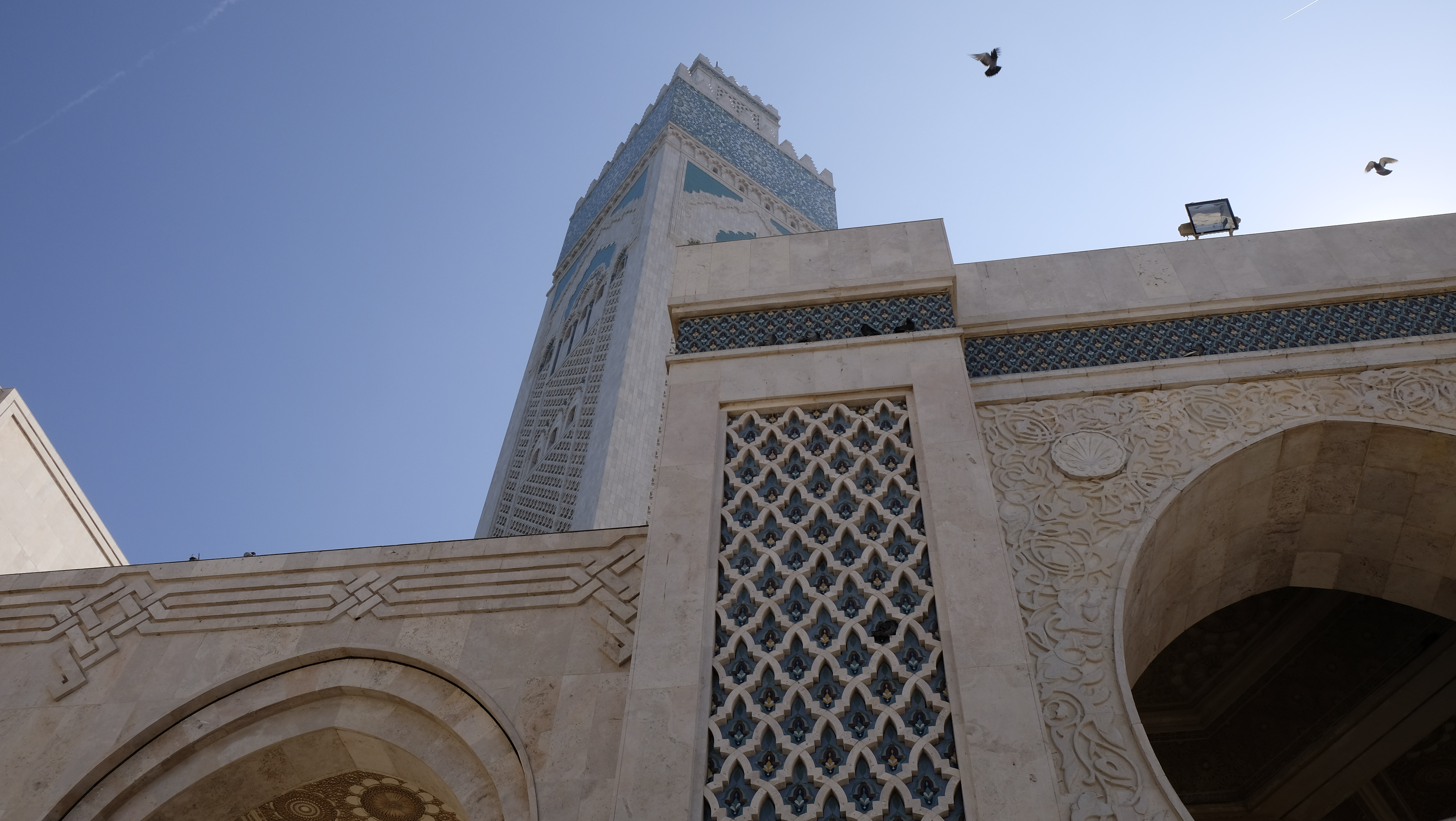
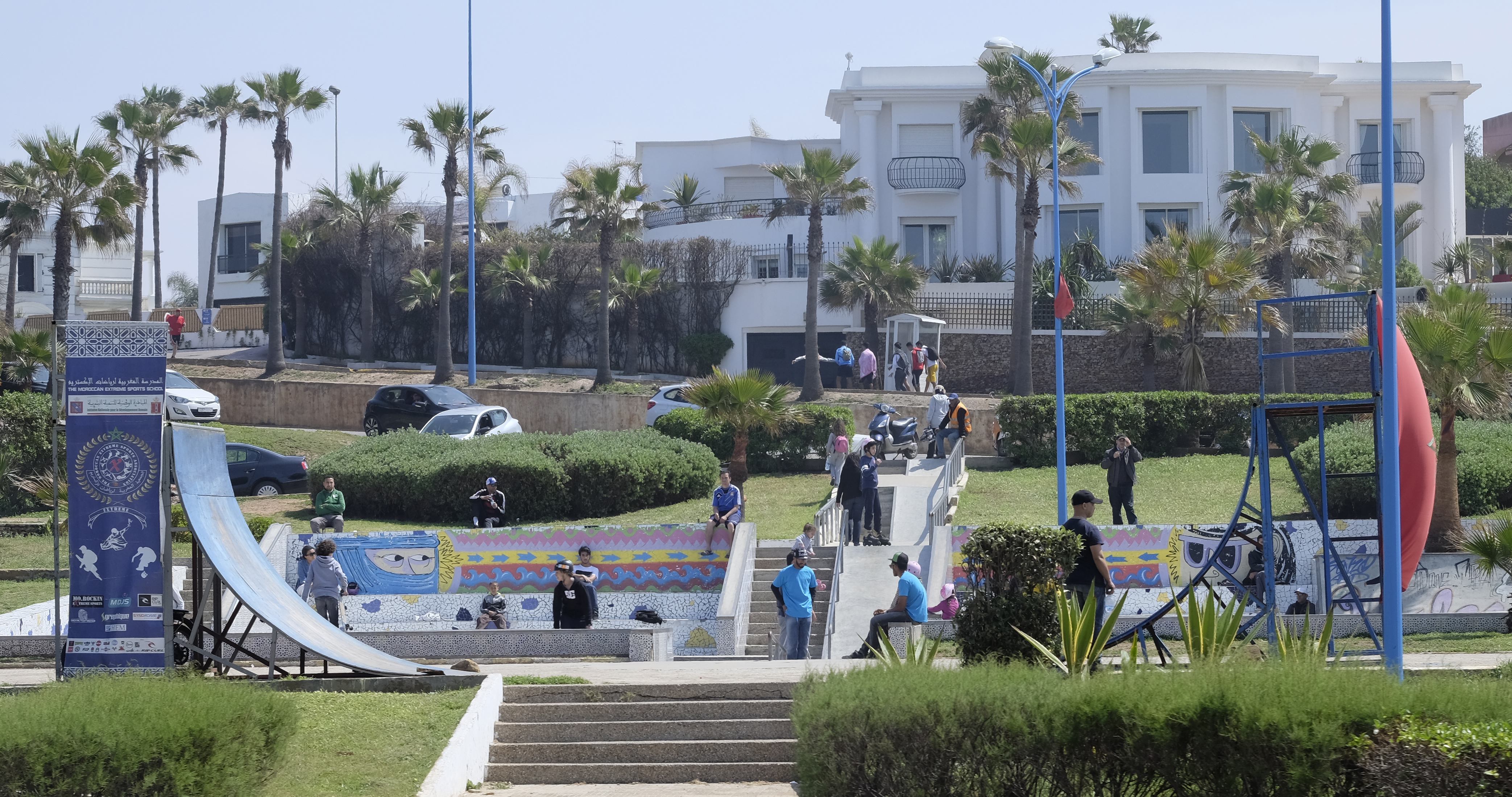
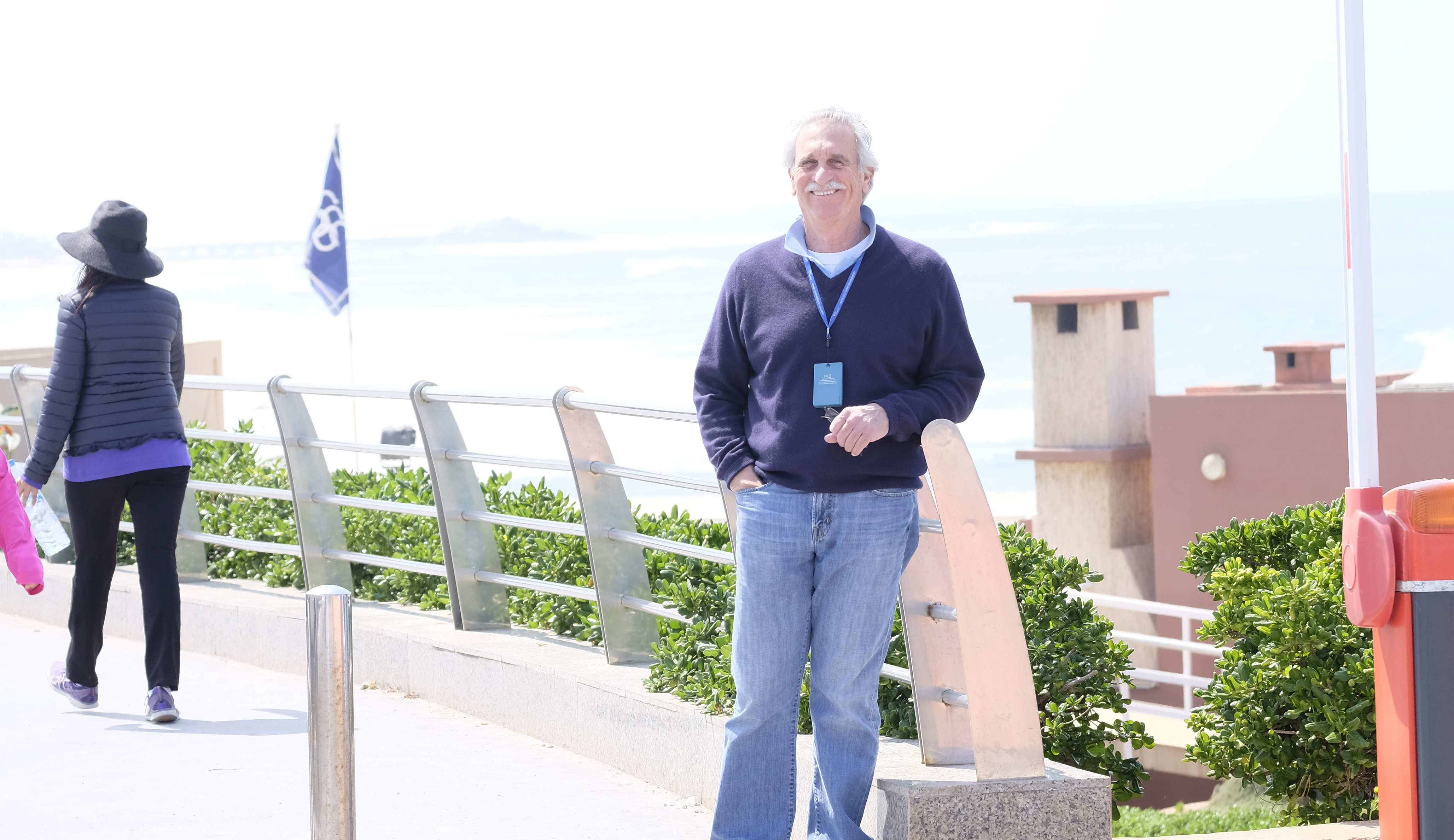
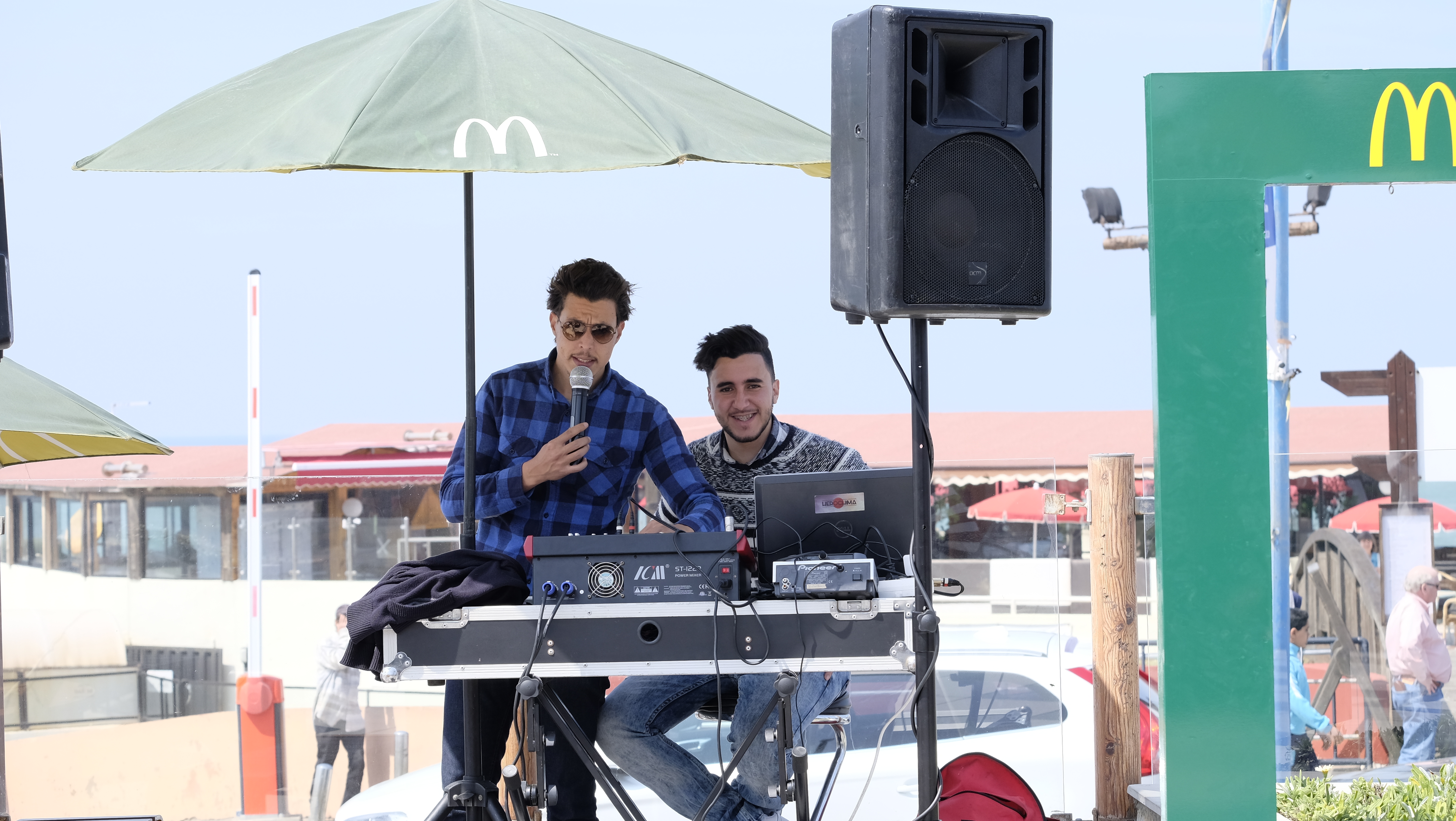
As we continue to Corniche, the beachfront district (sometimes referred to as the South Beach of Morocco) we passed through the residential areas of Anfa and Ain Diab. The beachfront is crowed with restaurants, nightclubs, locals and tourists. Even the McDonalds was by the water and had DJs spinning records for the crowd. We paused at La Table du Miami for traditional mint tea and Moroccan pastries.
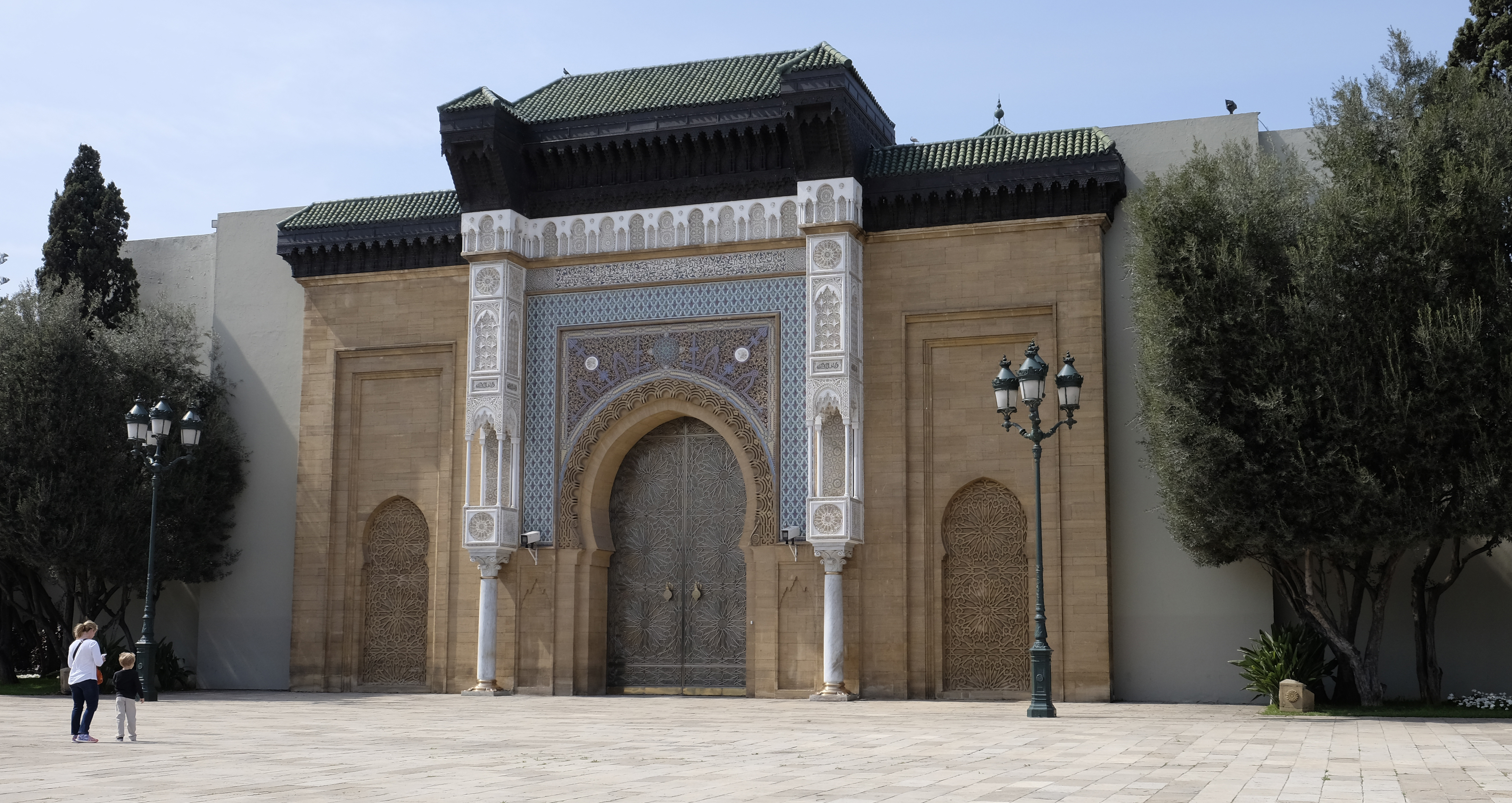
 Proceed to Habous Quarter, the relatively modern medina built by the French in the 1930s. We toured the exterior of the Royal Palace, tourists are never allowed inside. The King has a palace in almost every city in case of a royal visit. This palace was grand with an enormous open square at the front, a surplus of guards (we were strictly forbidden to snap of photo of anyone in uniform) and an intricately-detailed exterior.
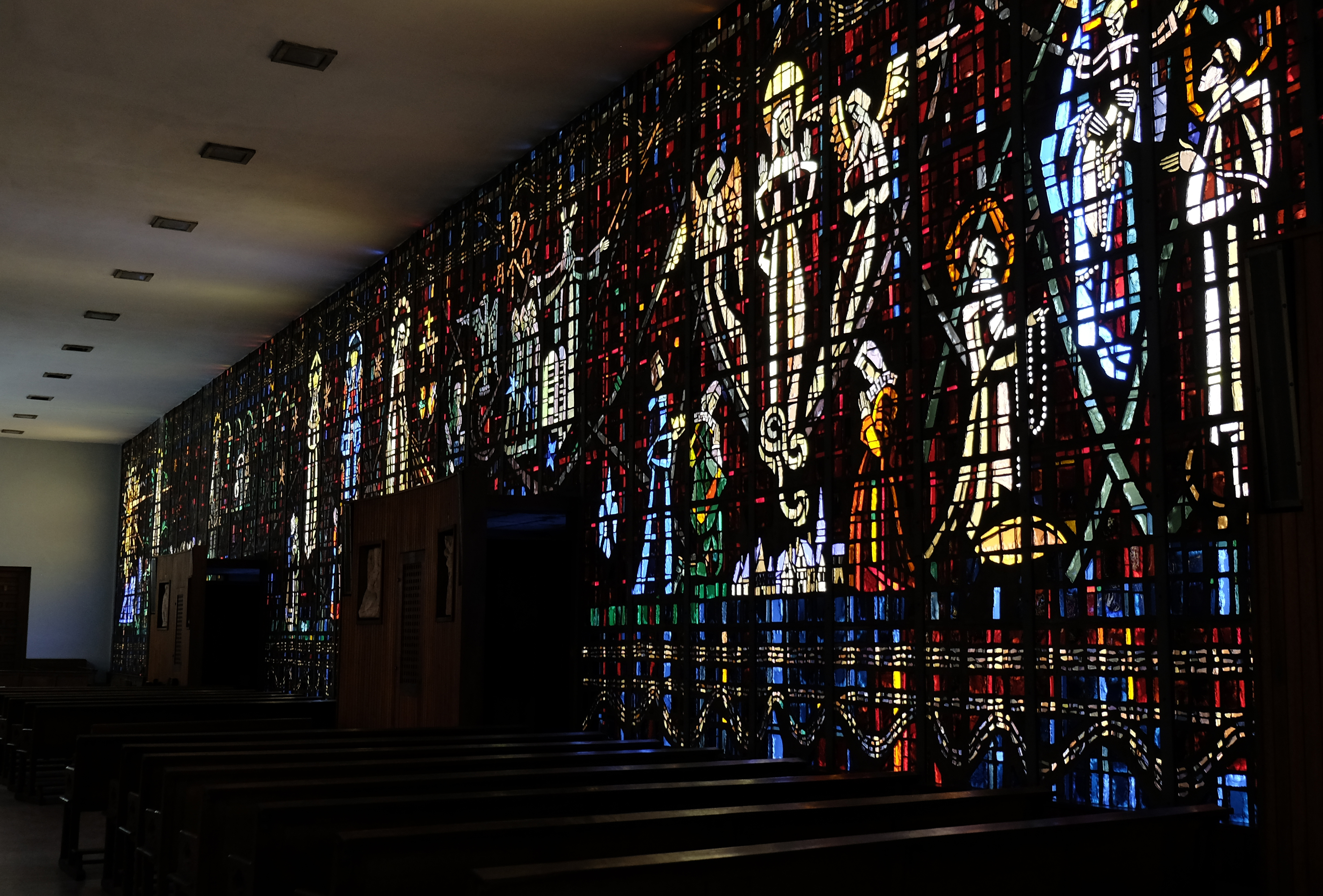
  Touted as one of the city’s best churches, which is comical since there are only two Catholic churches in the city, we stopped at Notre Dame de Lourdes. A creation of the famous French artist Gabriel Loire built in the 1950s, it is praised for its beautiful stained glass window.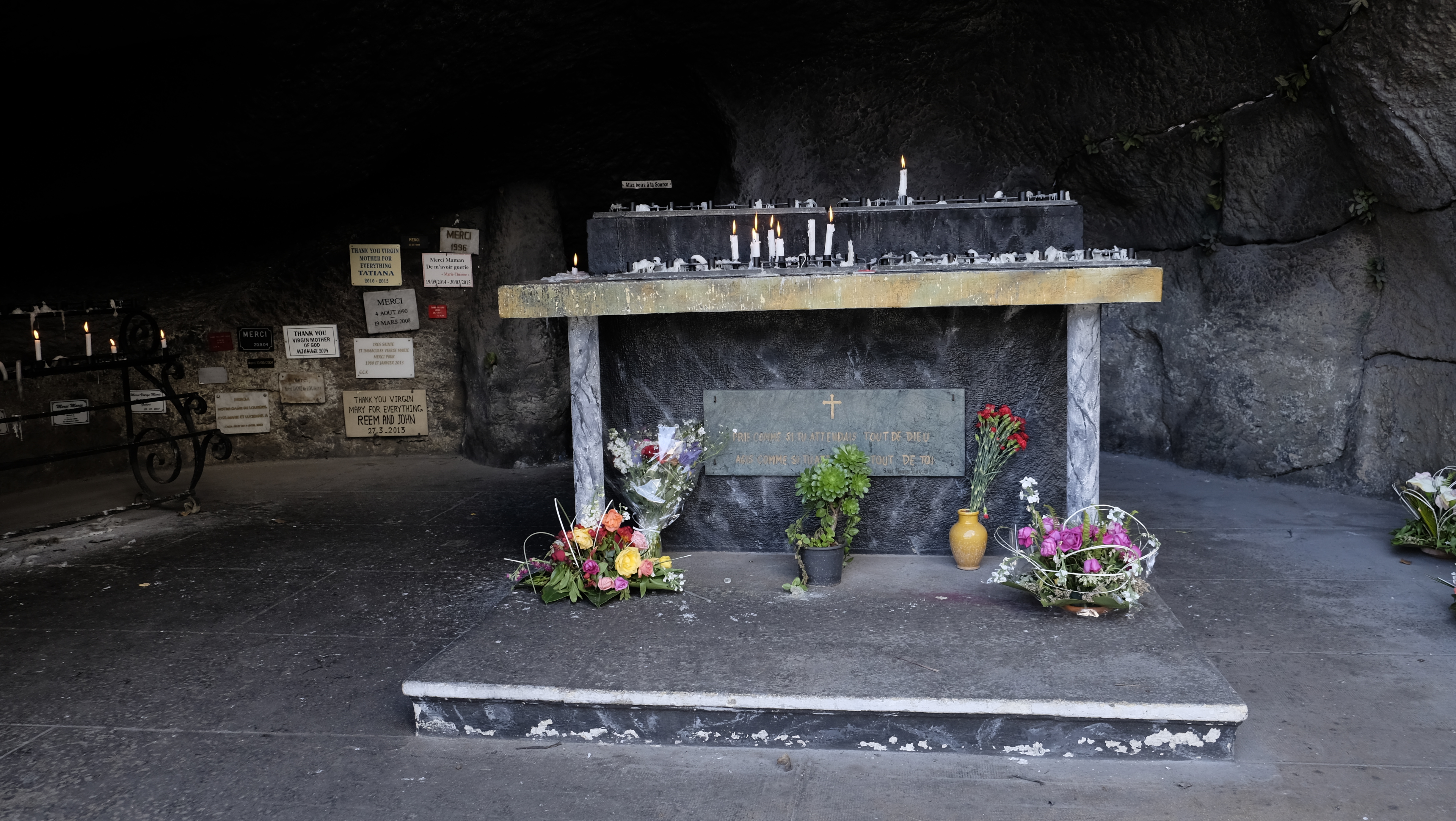
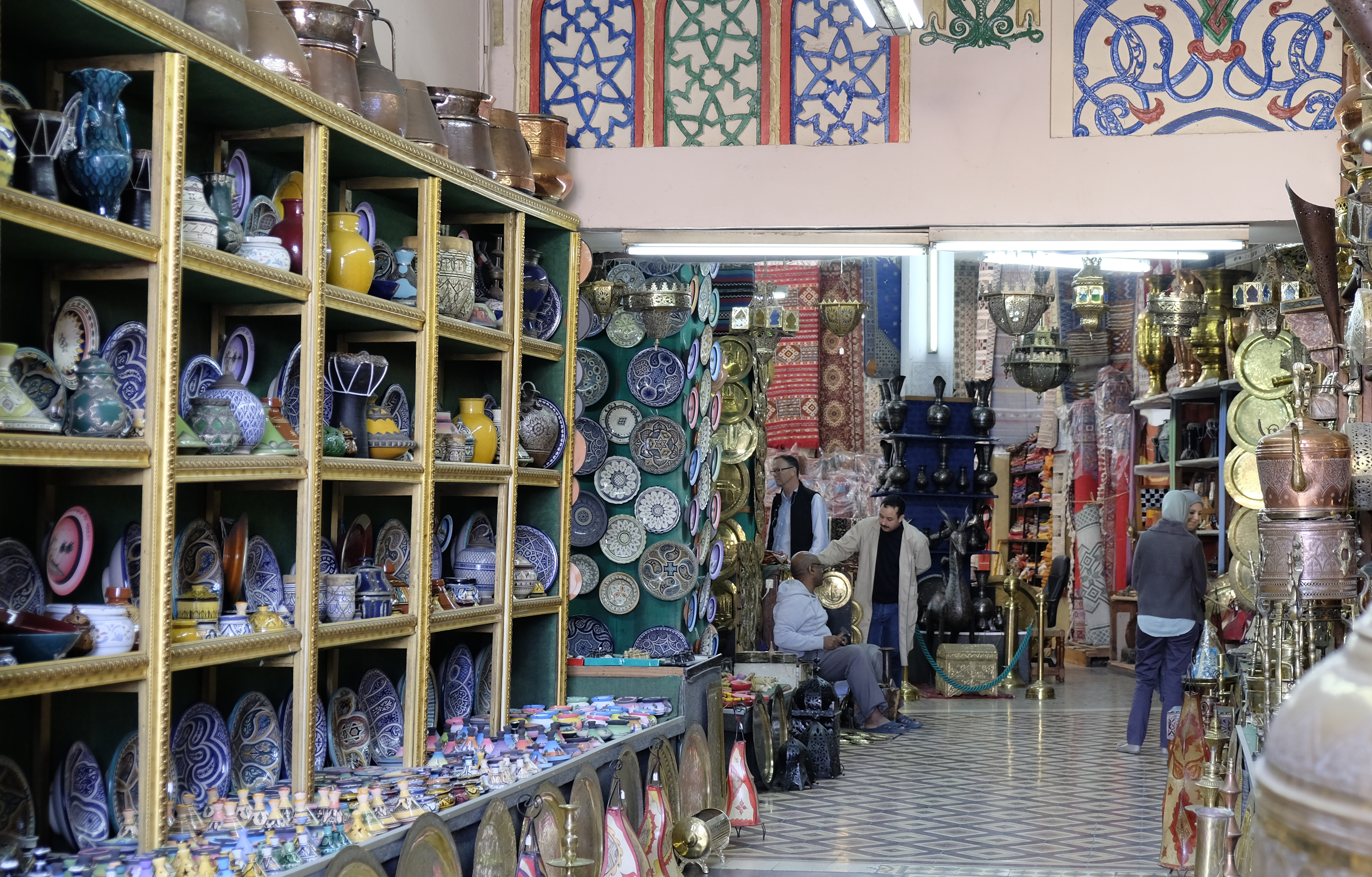
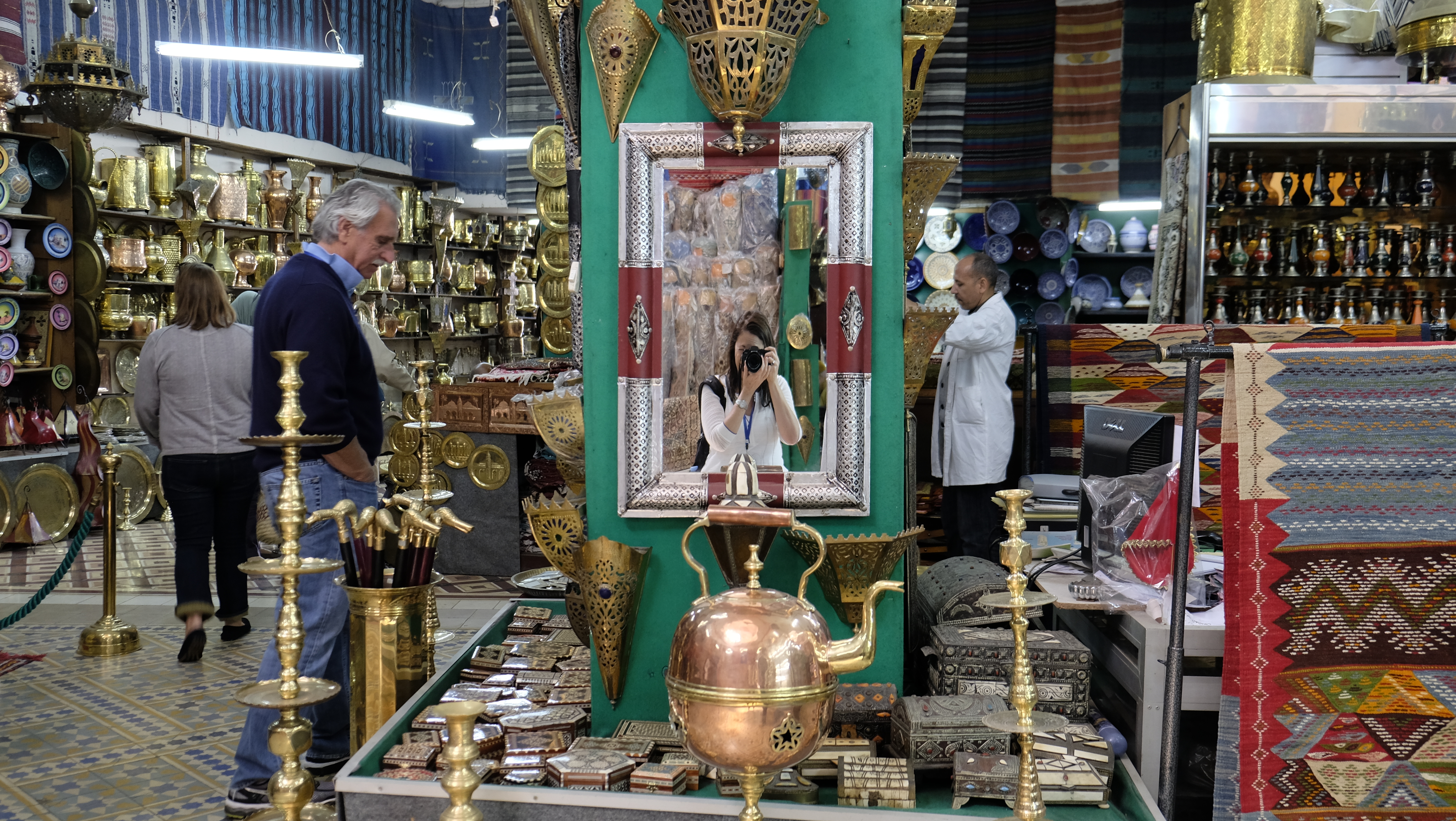
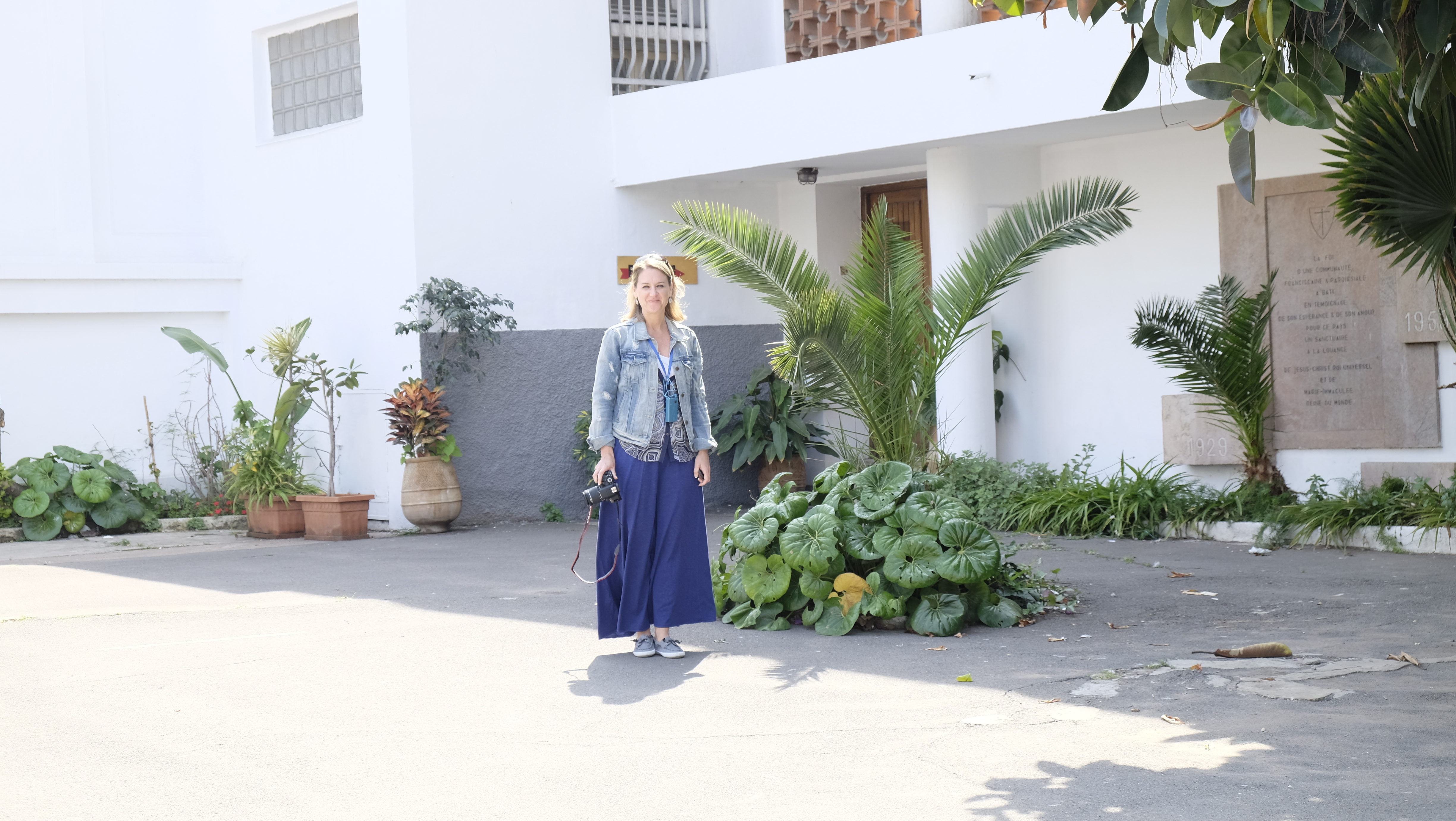 The Quartier Habous is an almost toy-town version of a traditional medina with neat rows of streets and shop stalls. The district was built by the French in the 1930s as an attempted solution to the ongoing housing shortage. It marries the best of traditional Moroccan architecture with modern facilities and French ideals.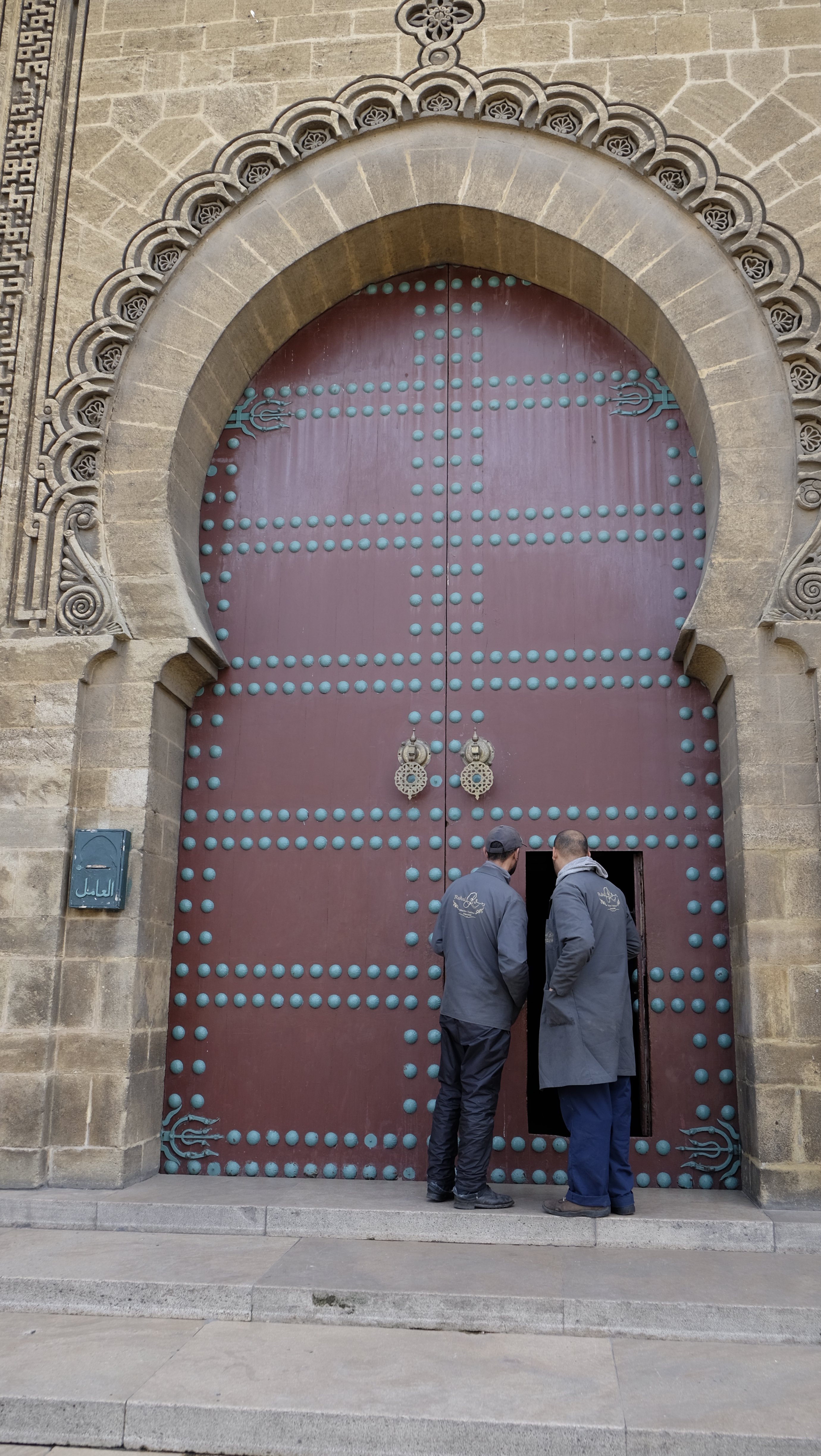
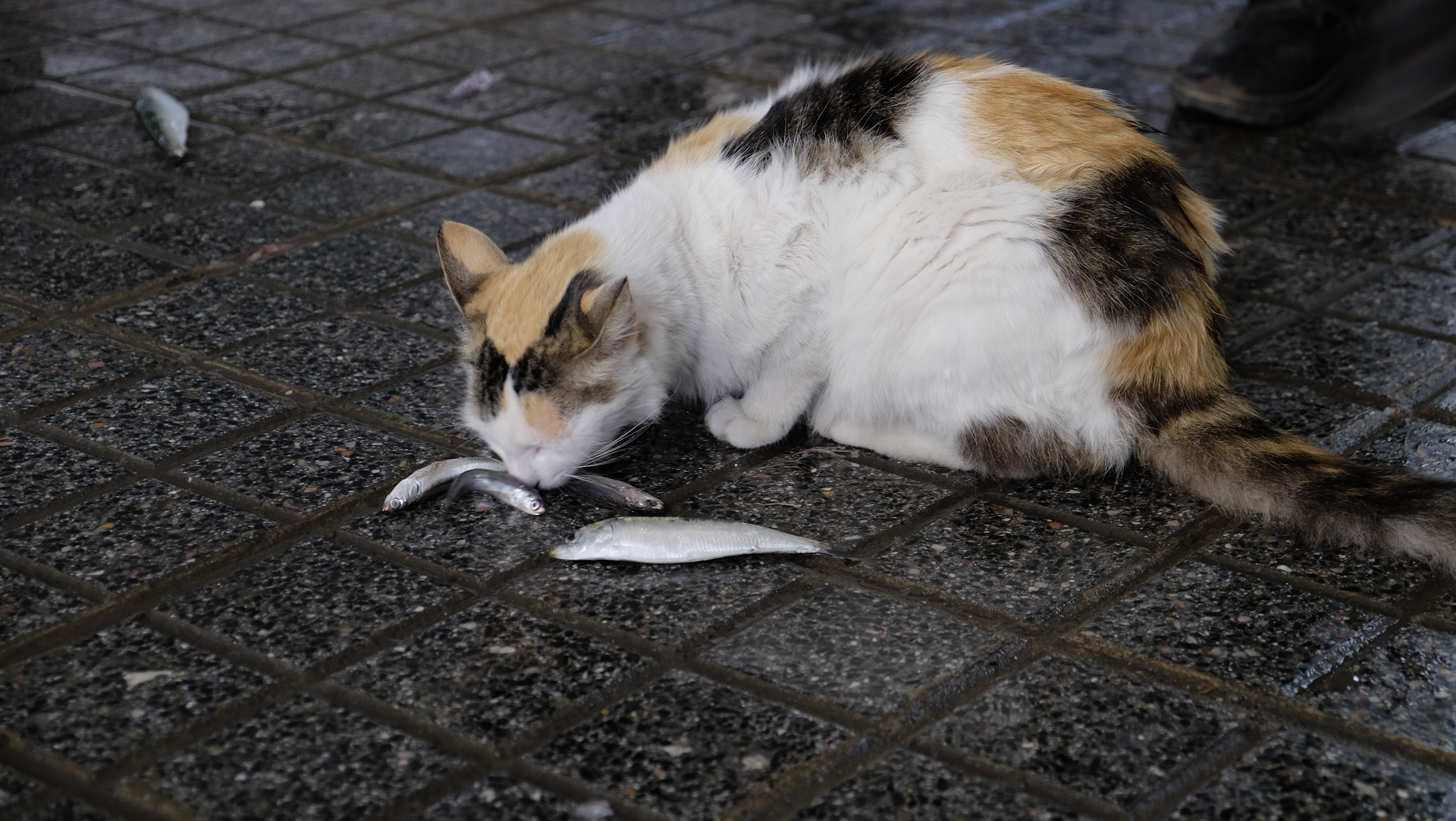
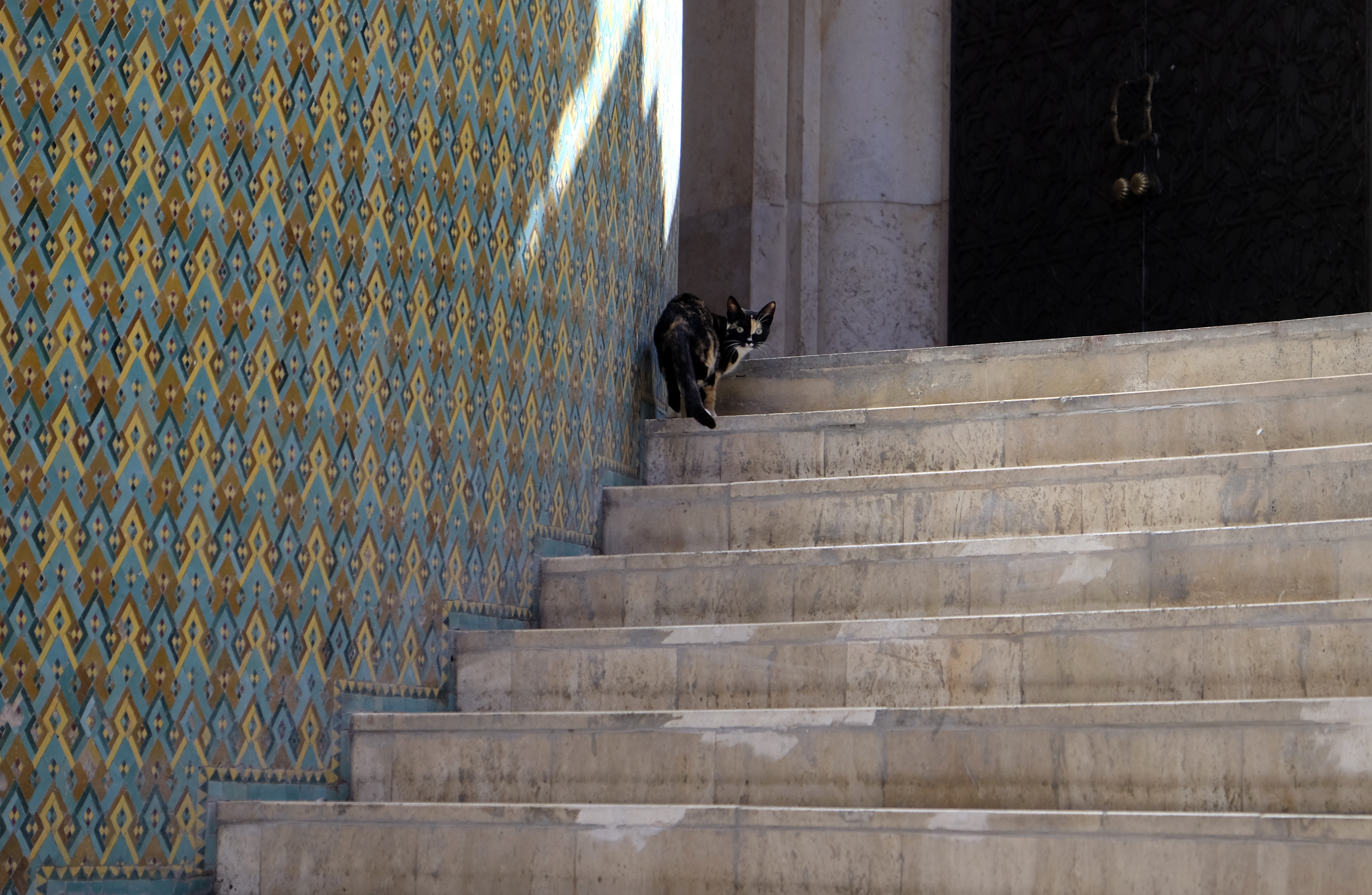
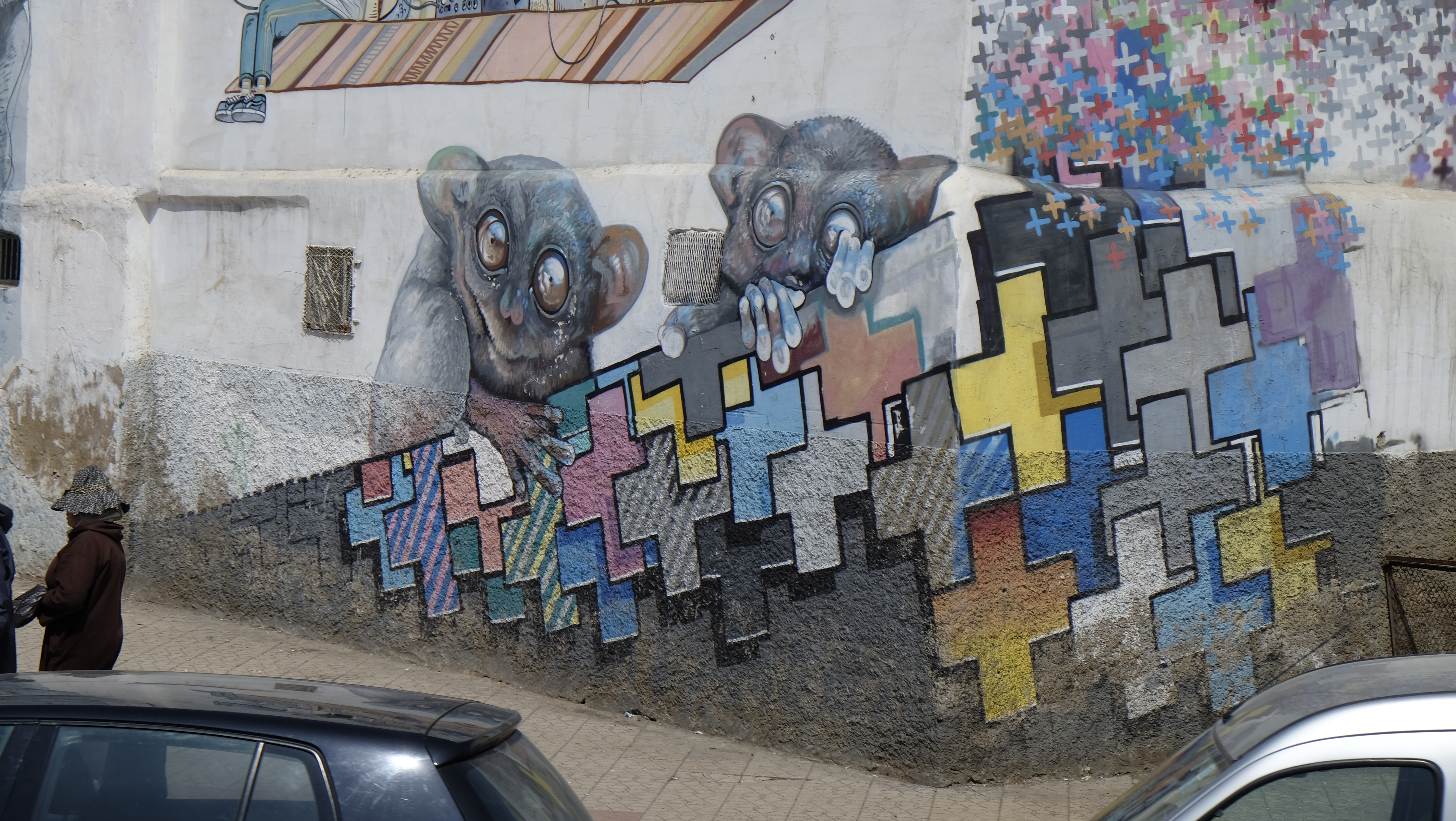
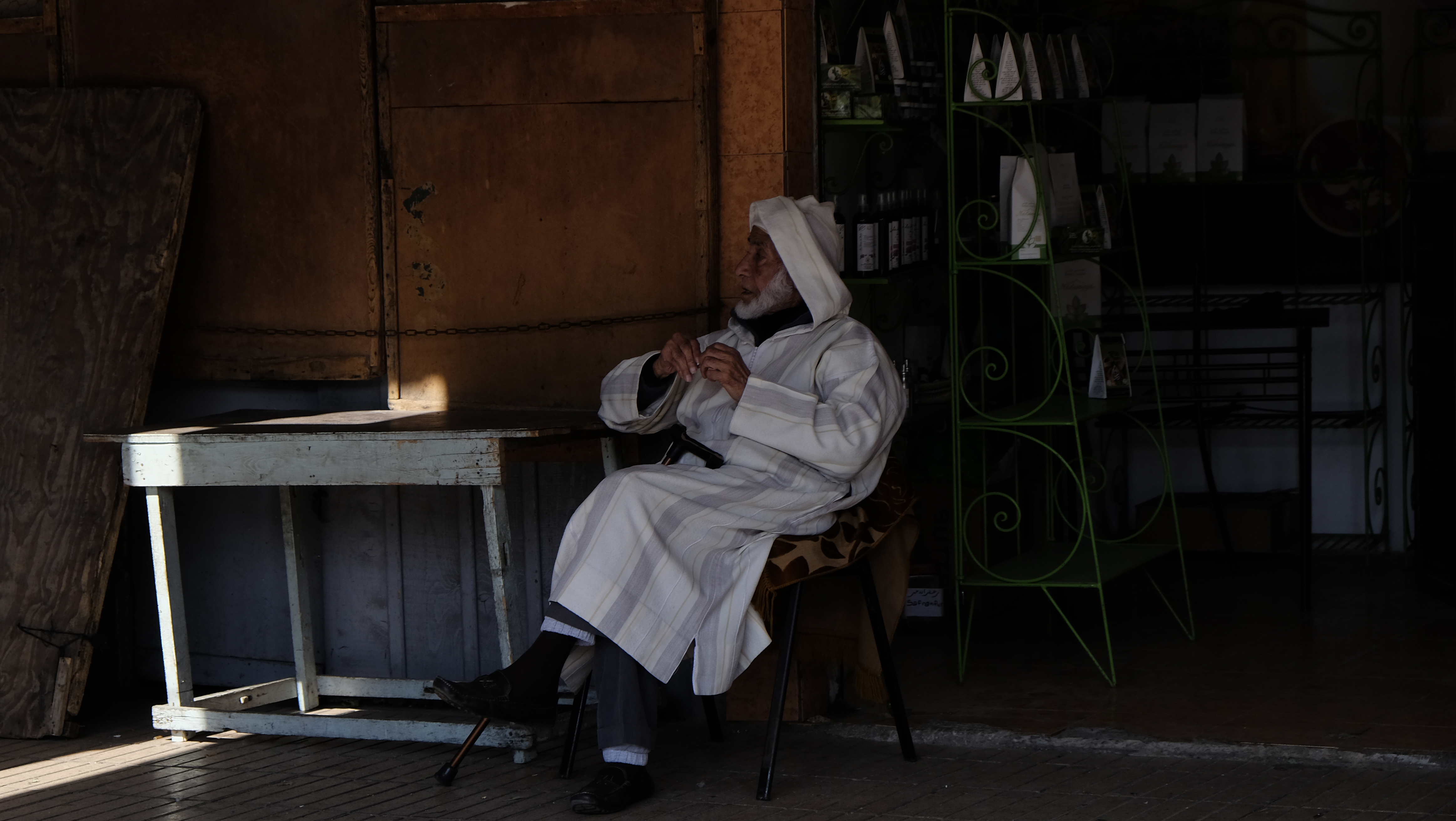
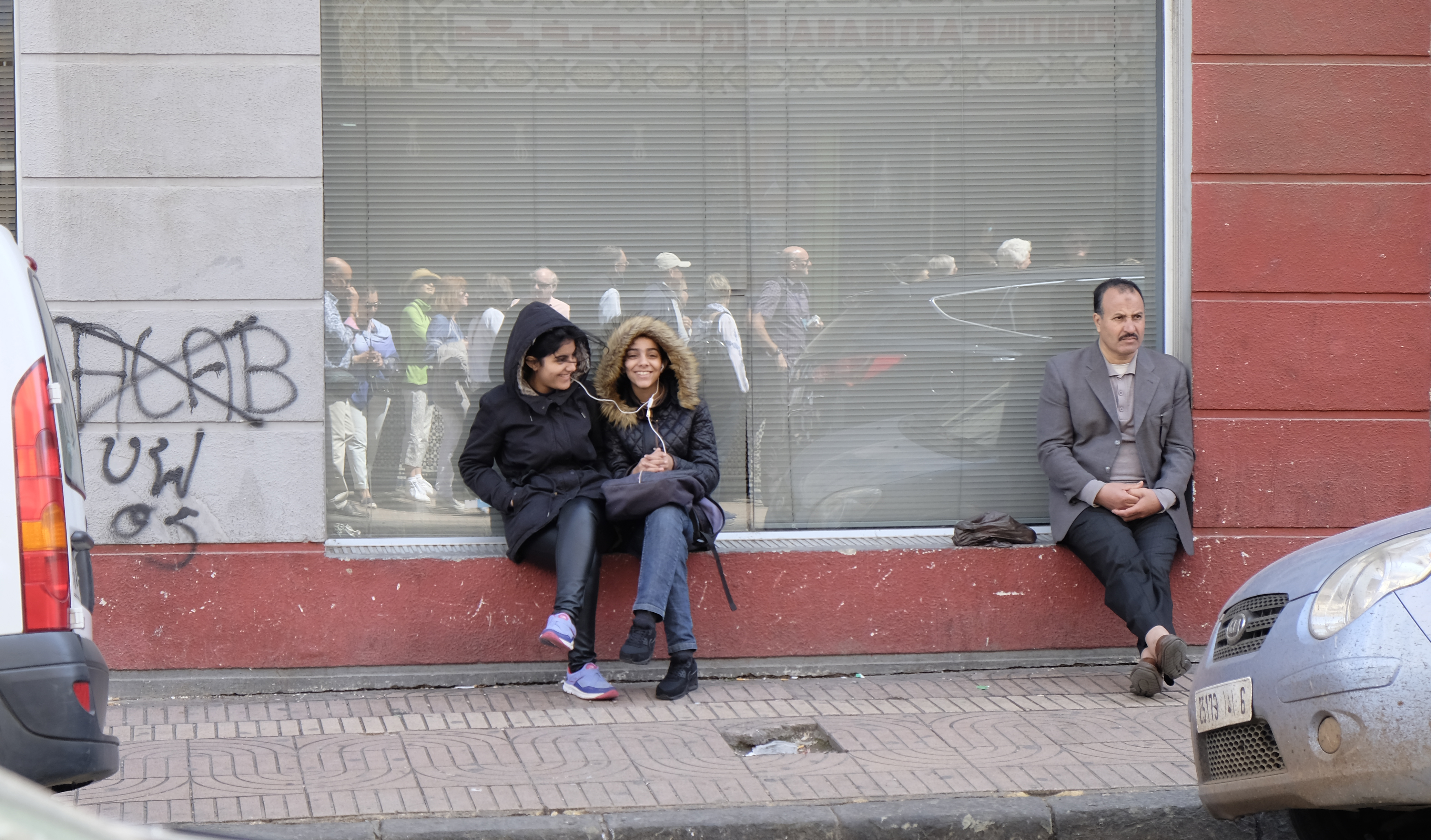
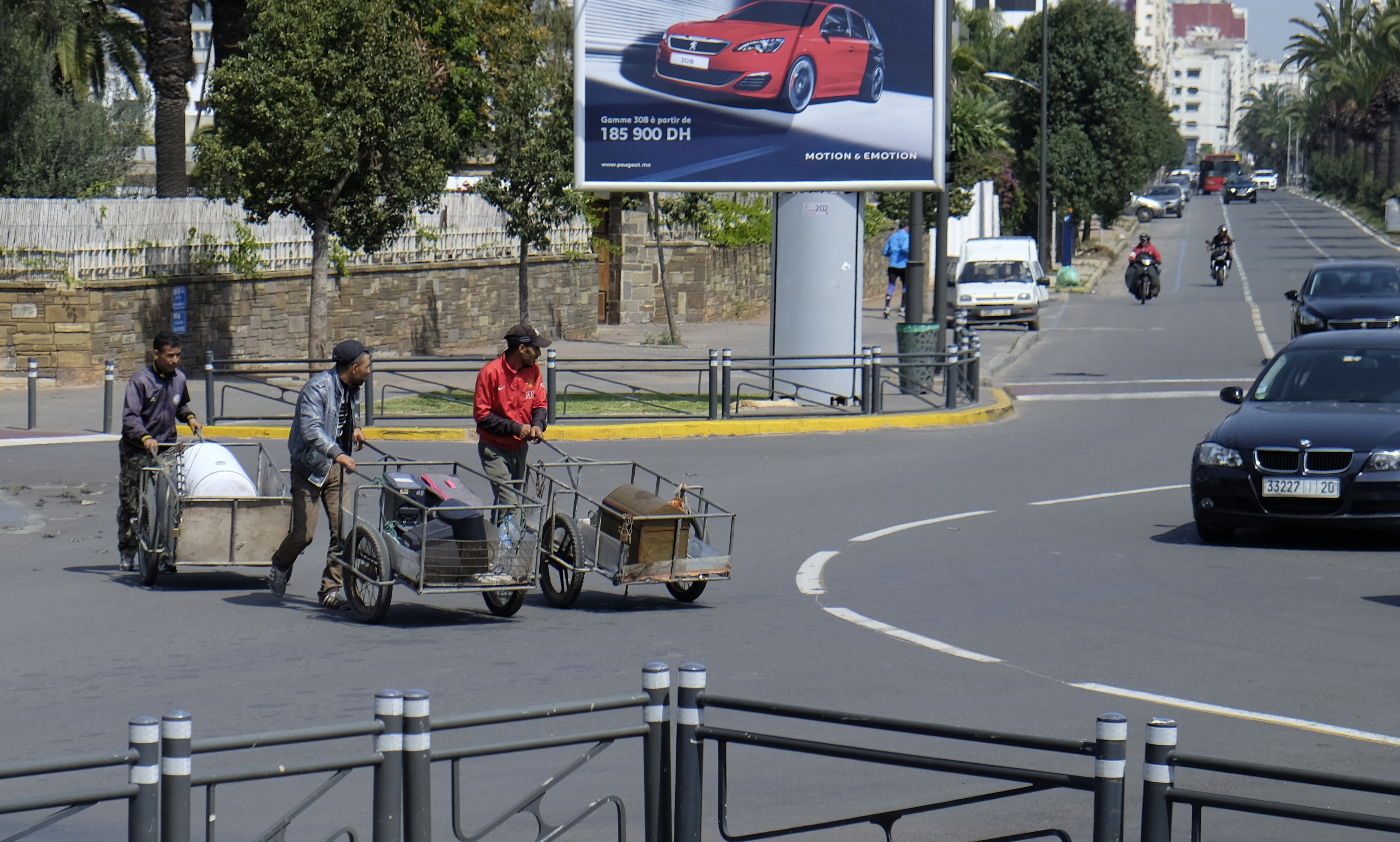
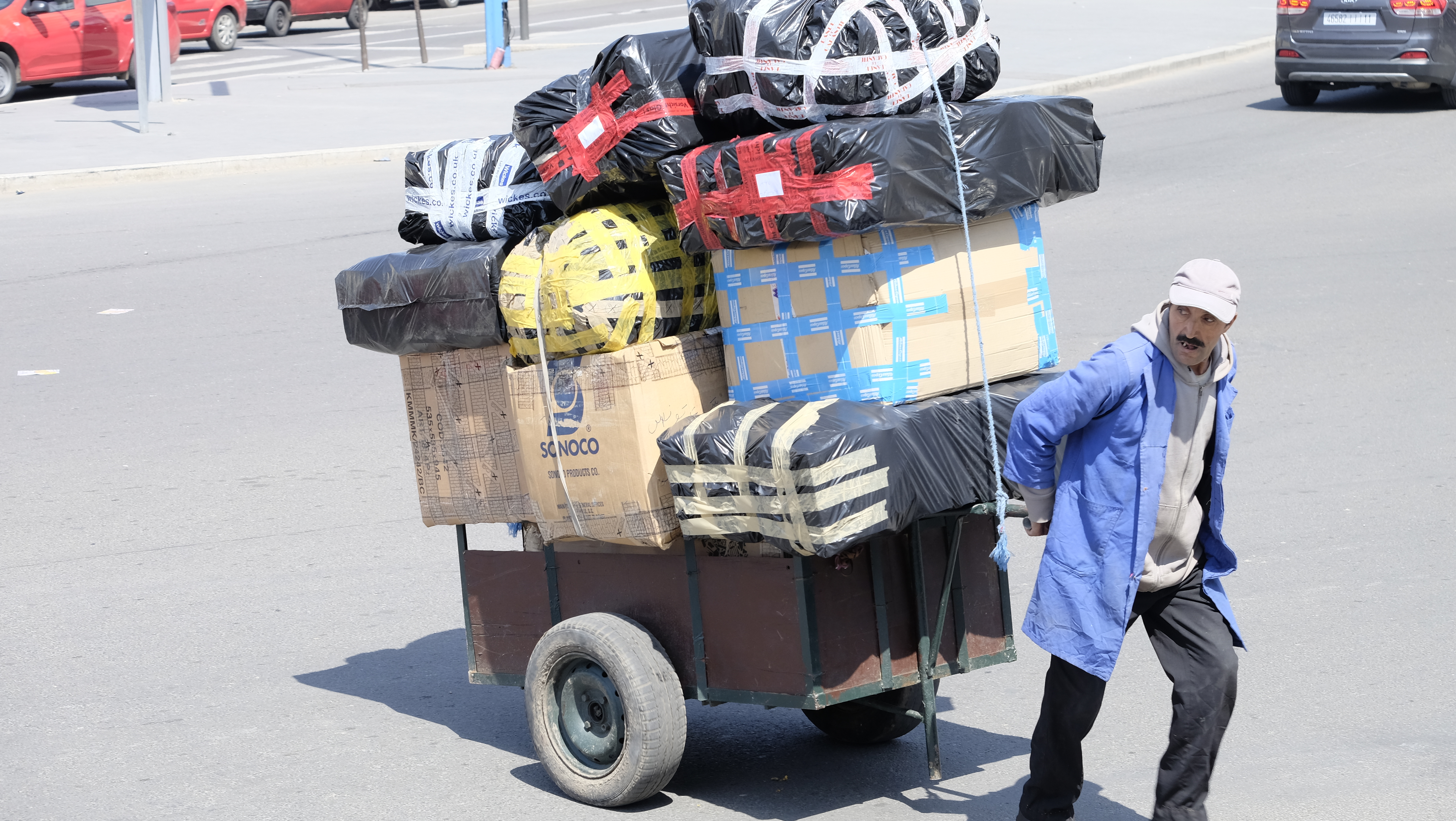
I found Casablanca to be full of contradictions. It is home to wide boulevards, well-kept public parks, fountains and well-preserved colonial buildings, but it is also fringed by large shanty towns and simmering social problems. I also discovered that it was perfect for silhouettes, doorways, people watching and a love of their cats.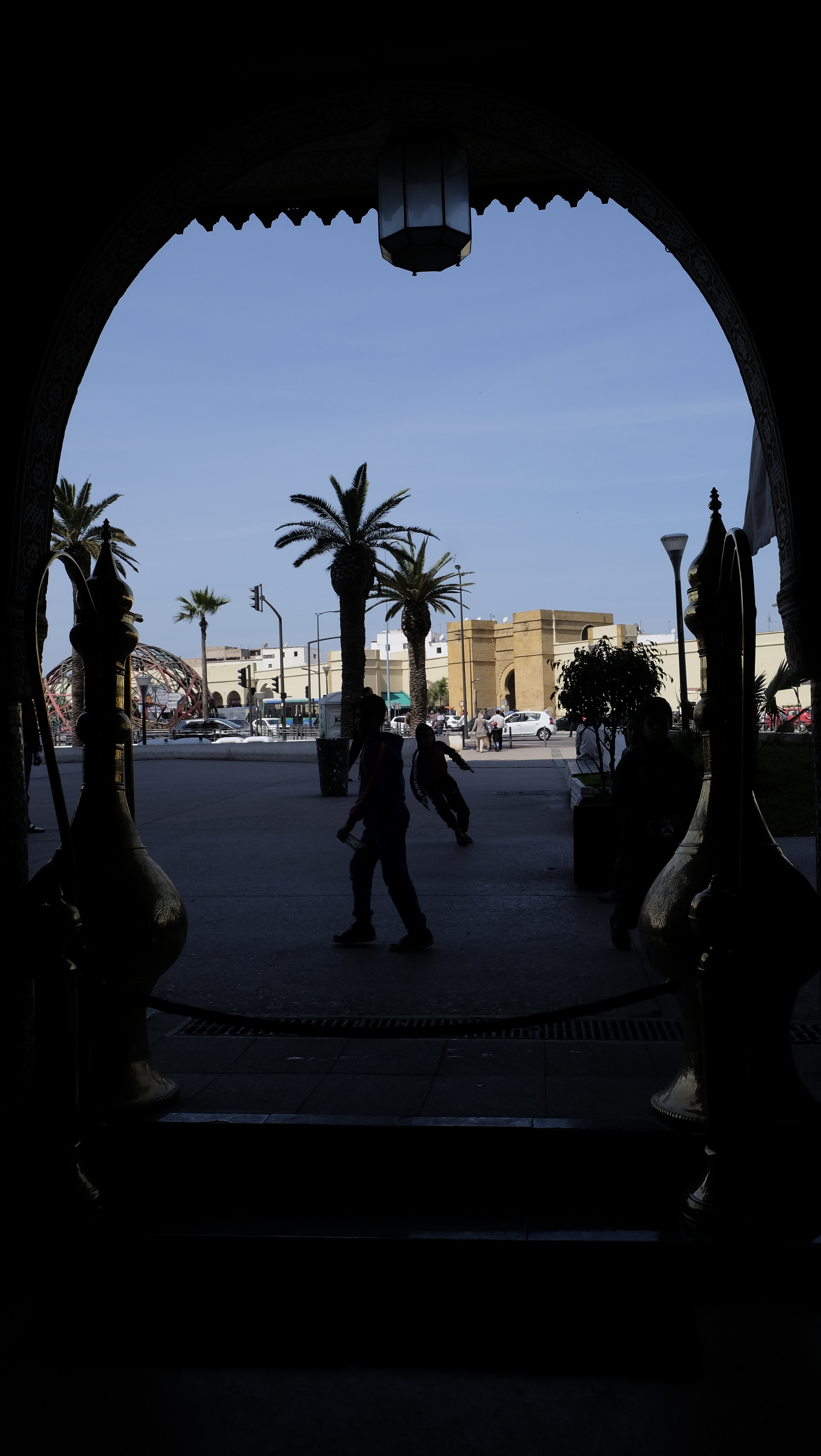

Leave a Reply