Sunday, June 12, 2016 | Language: still Russian | Currency: still Rubles
We were treated to a visit to the Fabergé Museum at Shuvalov Palace, the youngest museum in the city, prior to the official opening time.
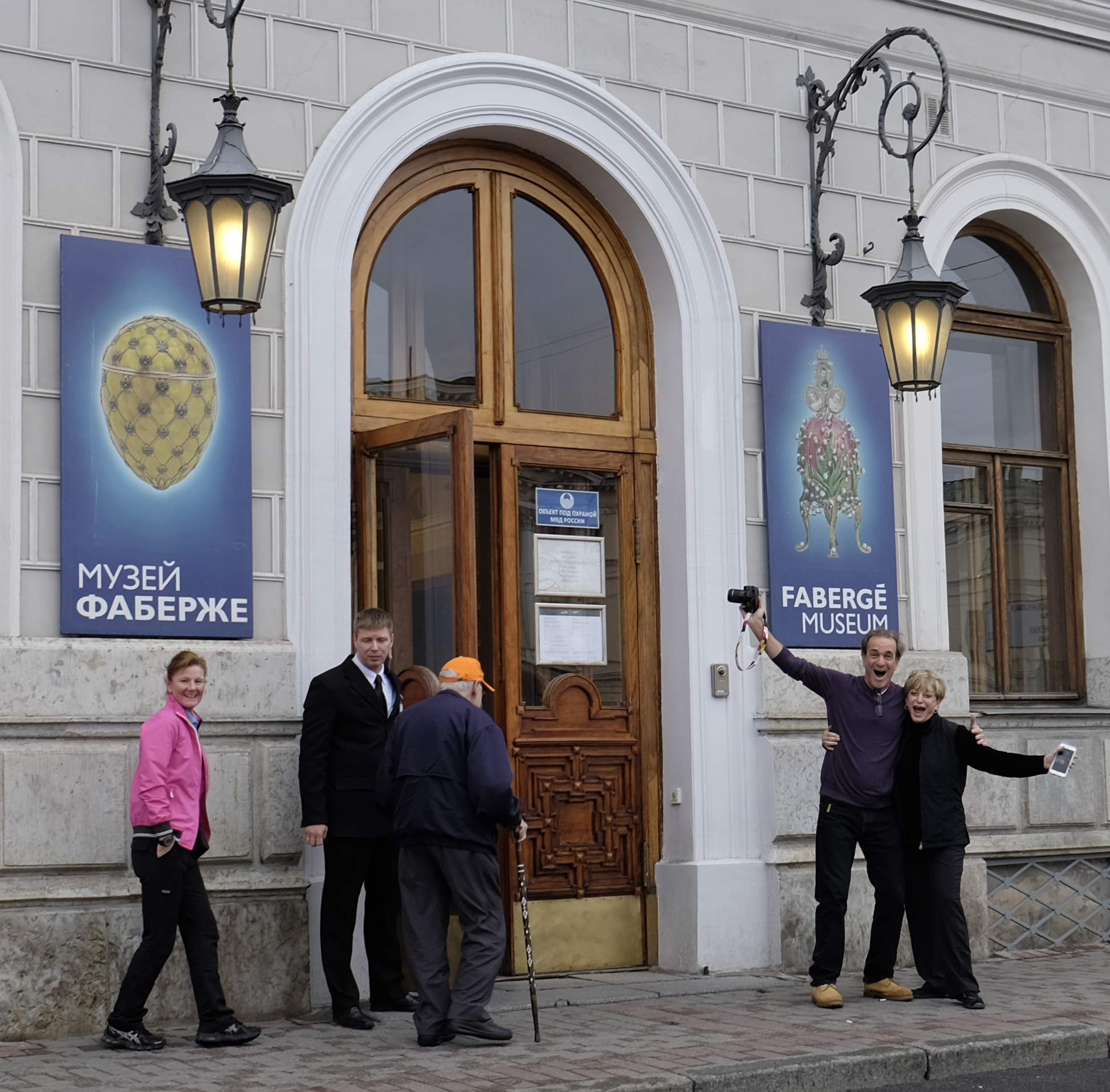 The House of Fabergé, founded in 1842, manufactured a wide range of items, from unique pieces made by order for the Russian royal family to mass-produced jewelry, silver utensils and gemstone carving sculptures.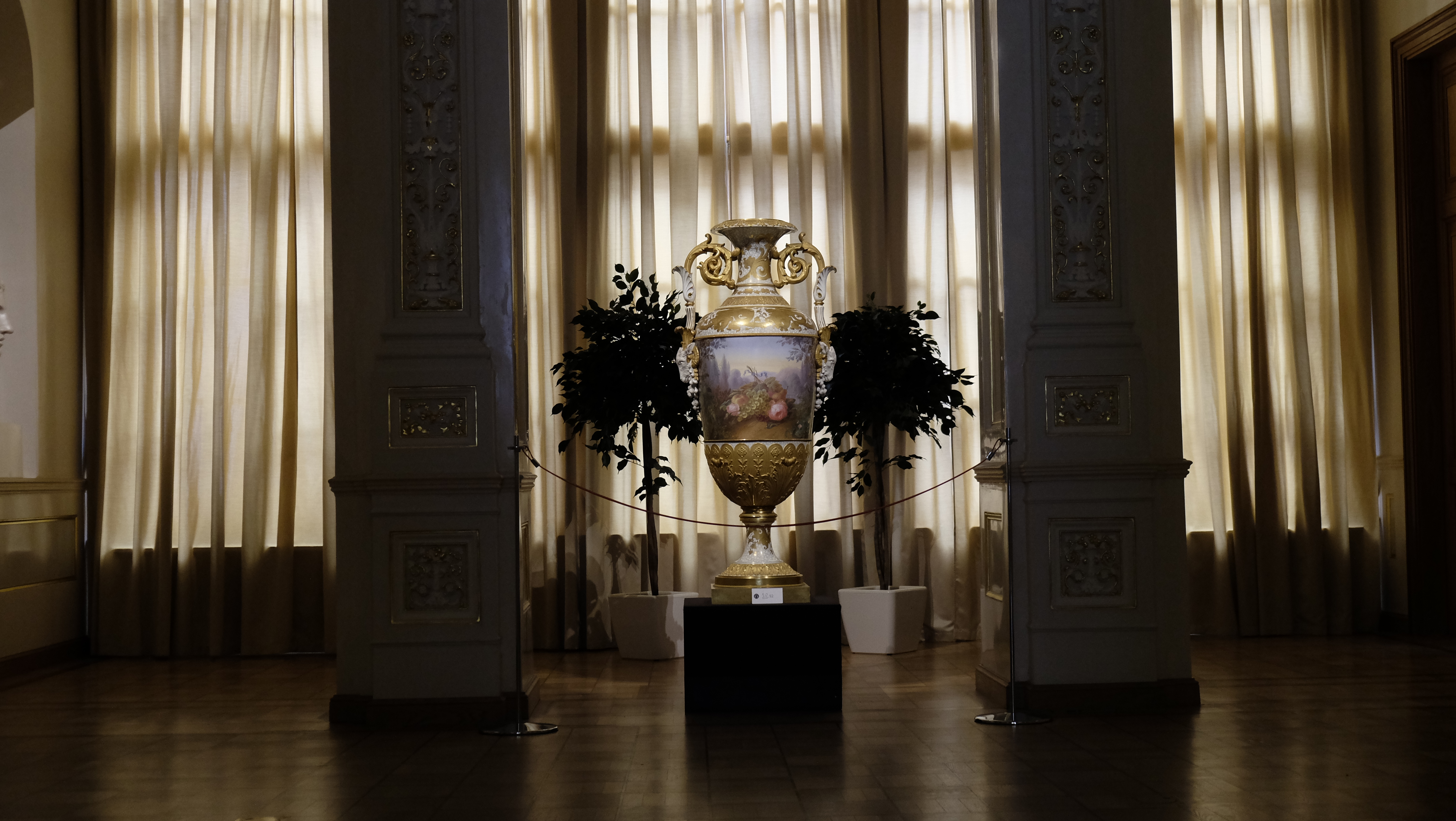
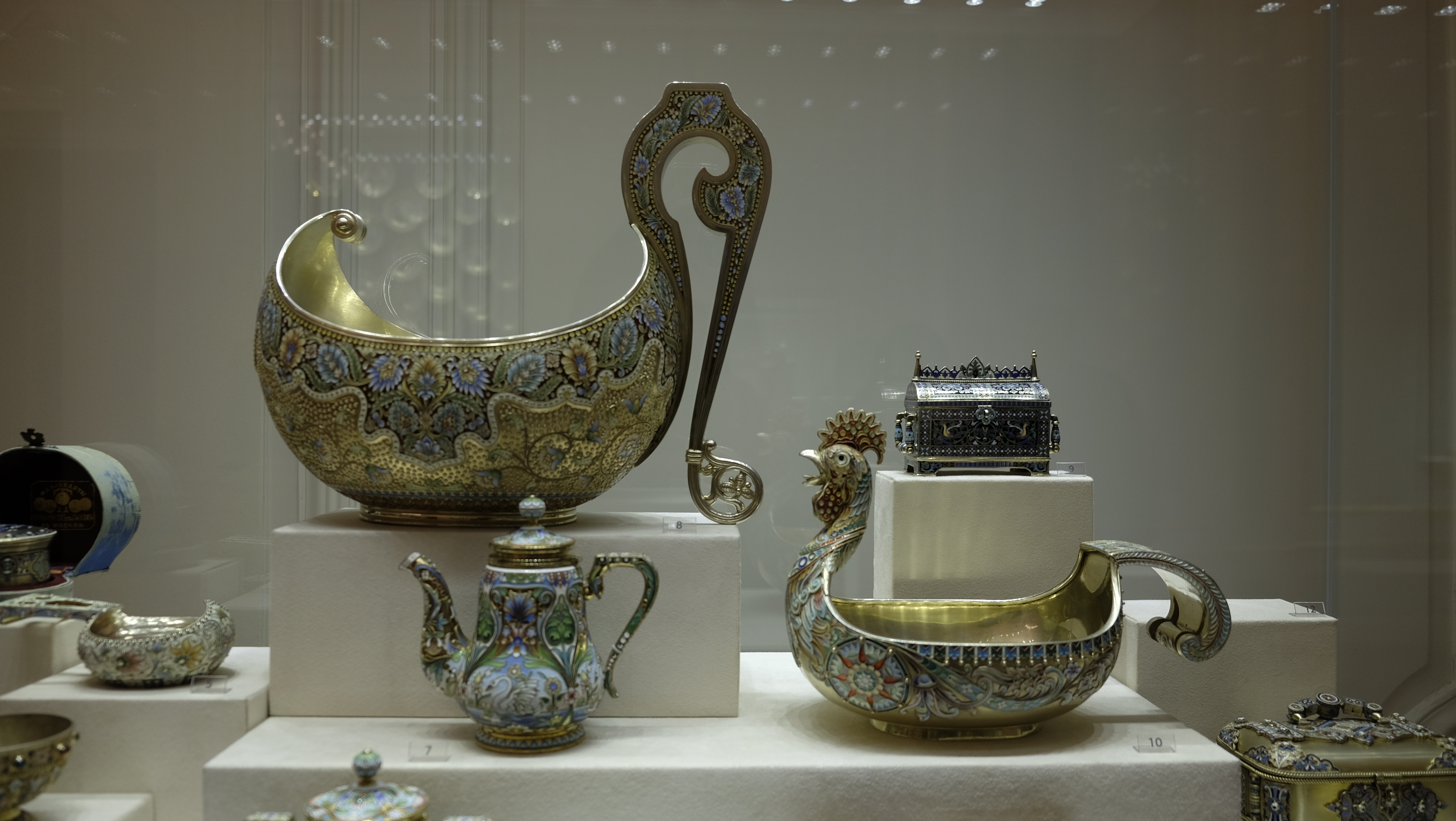
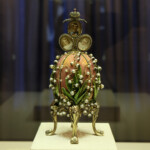
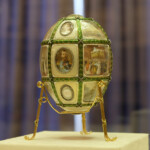
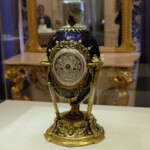
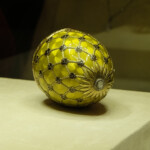
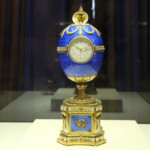
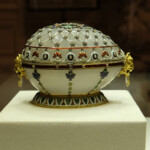
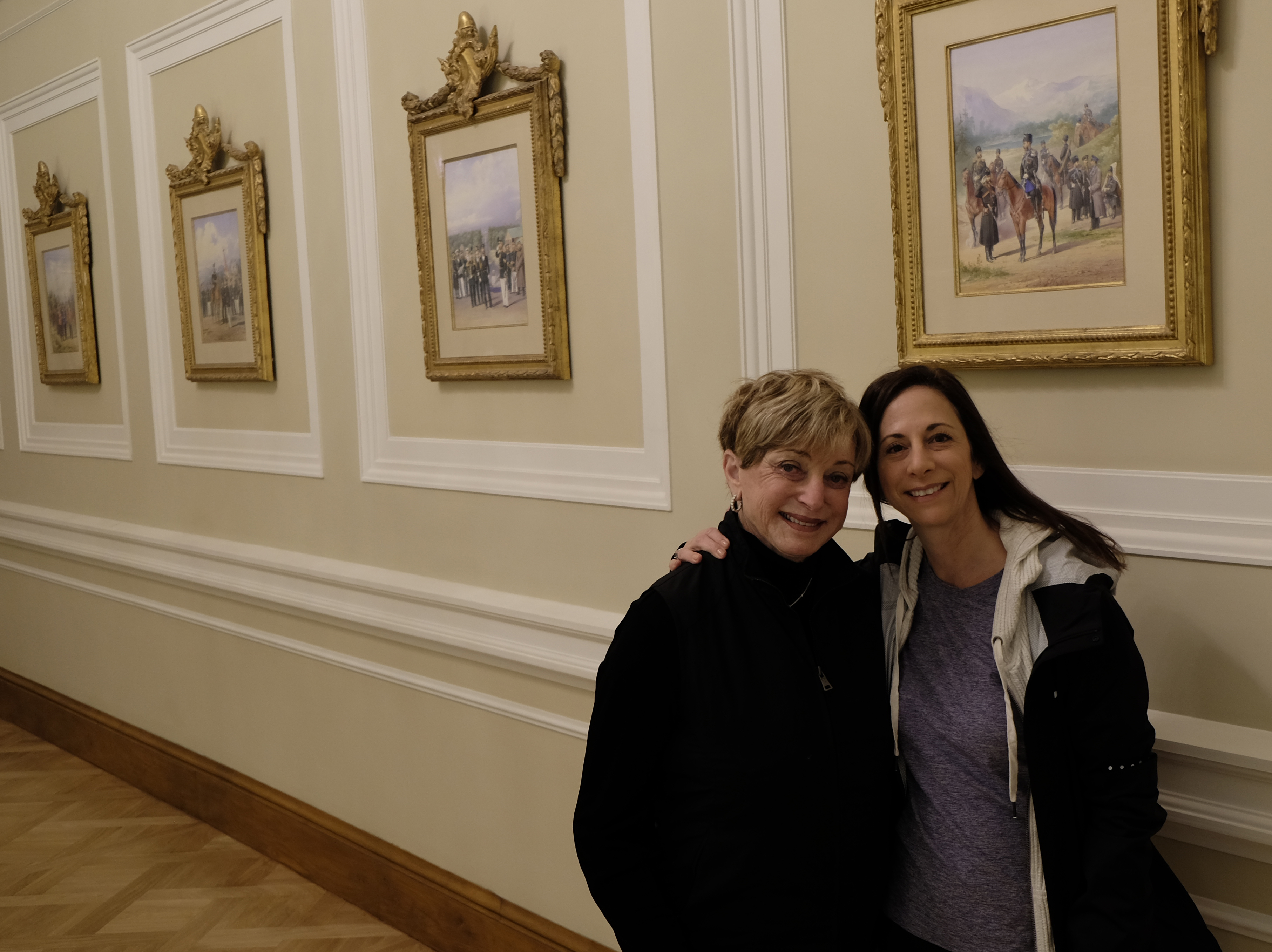 The peak of the creative work of Carl Fabergé, who headed the family business in 1872, is considered to be his Easter eggs with surprises inside, made to the order of the last Romanovs. The museum’s collection has nine Fabergé Imperial Easter eggs, which is the second largest collection in the world. It is just a single egg less than Moscow’s Kremlin Armory.
The House of Fabergé created 50 Imperial eggs altogether. Each one of them took a year’s worth of work, starting just after Easter and was barely finished by Holy Week a year later. Carl Fabergé personally delivered each new Easter masterpiece to the Tsar. Each new egg was striking for its novelty, the originality of its composition and its virtuoso jewelry work.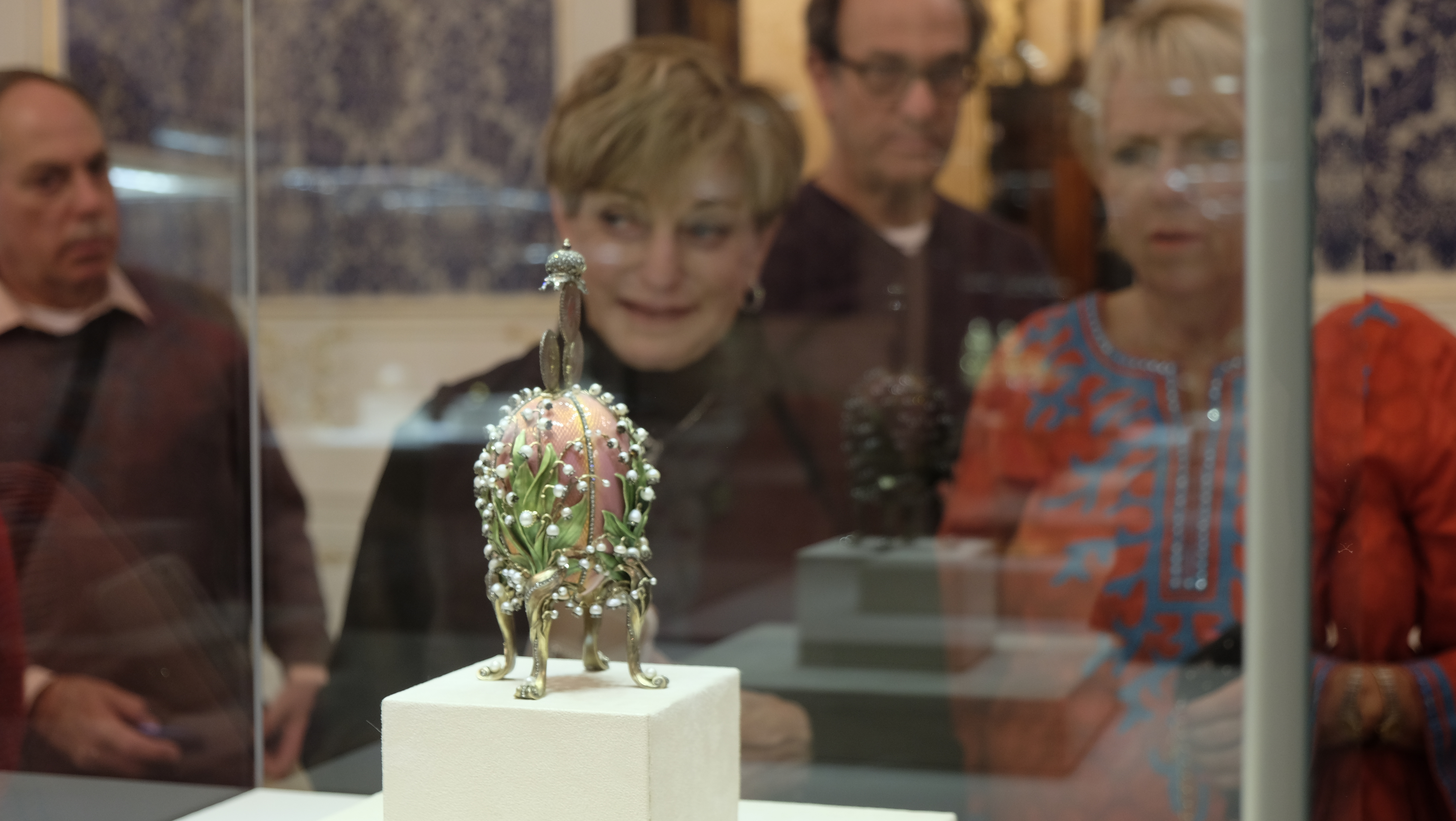
Leave a Reply