Still Sunday, June 12, 2016 | Still Russian and Rubles
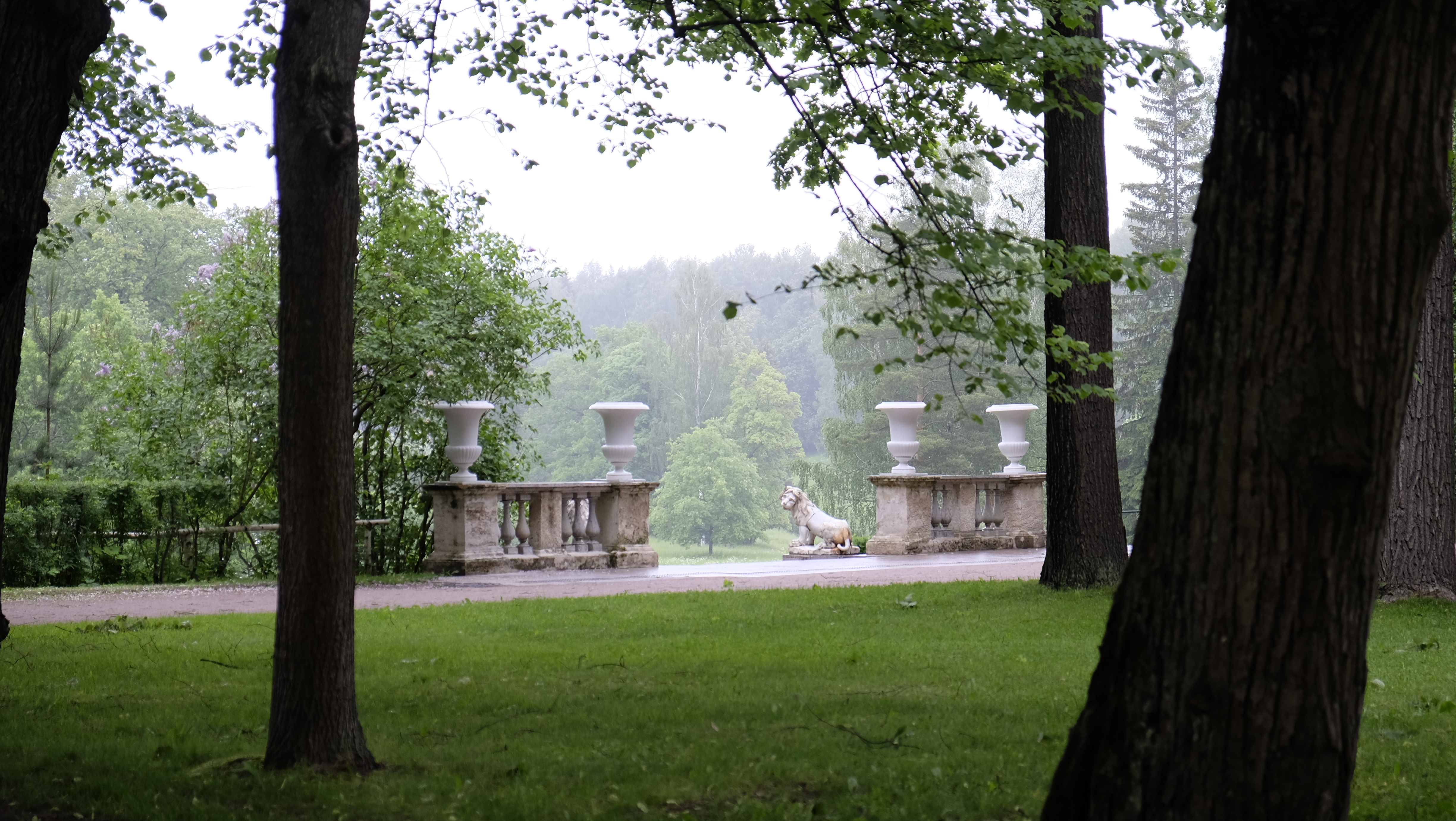
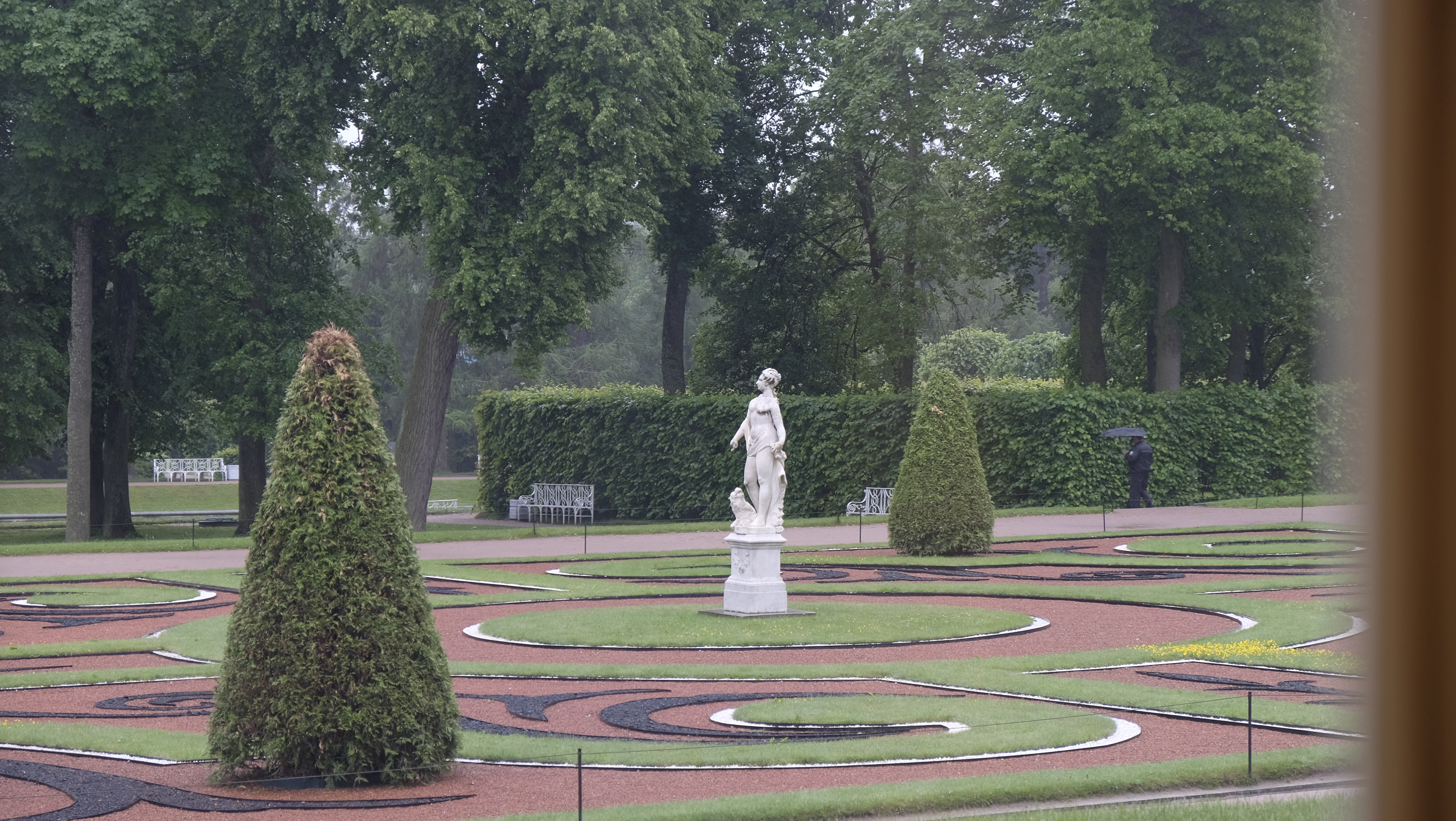
This afternoon we delved deeper into the Romanov legacy during visits to the royal estates of Catherine I and that of her son, Paul. Russian tsars and empresses spent winters in the Winter Palace (now the main building of the Hermitage), while during summer they lived in their summer residences with magnificent palaces, surrounded by beautiful large parks.
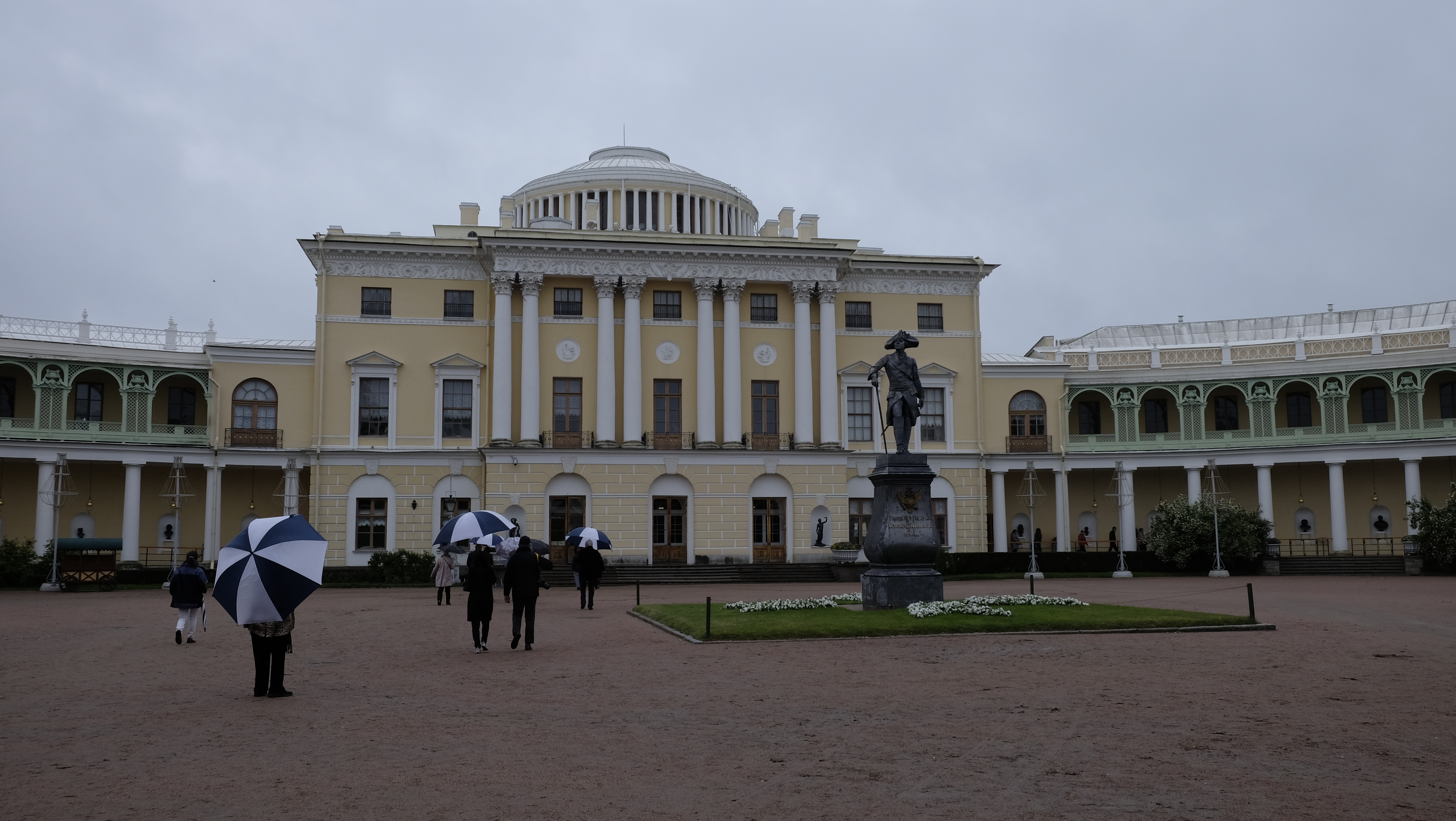
Paul’s Palace (Pavlovsk in Russian) is the name of the city and the name of his summer residence, a gift from his mother upon the birthday of his first child Alexander in 1777. Paul was the somewhat neglected son of Catherine because she considered him a rival to the throne after the death of her husband Peter III. Shunted aside by her in favor of his son Alexander, Paul was anxious to assume the title of Tsar. Finally, in his 40’s, Catherine died and he became Tsar. Paul was in a hurry to make up for lost time and made many mistakes while trying to reshape Russia more in his own image. As a result, his reign only lasted 4 years, 4 months and 4 days before he was assassinated in his own bedroom in 1801.
After the assassination of Paul, the palace belonged to his widow, Maria. When the Russian revolution started in 1917, Paul’s Palace was opened as a state museum.
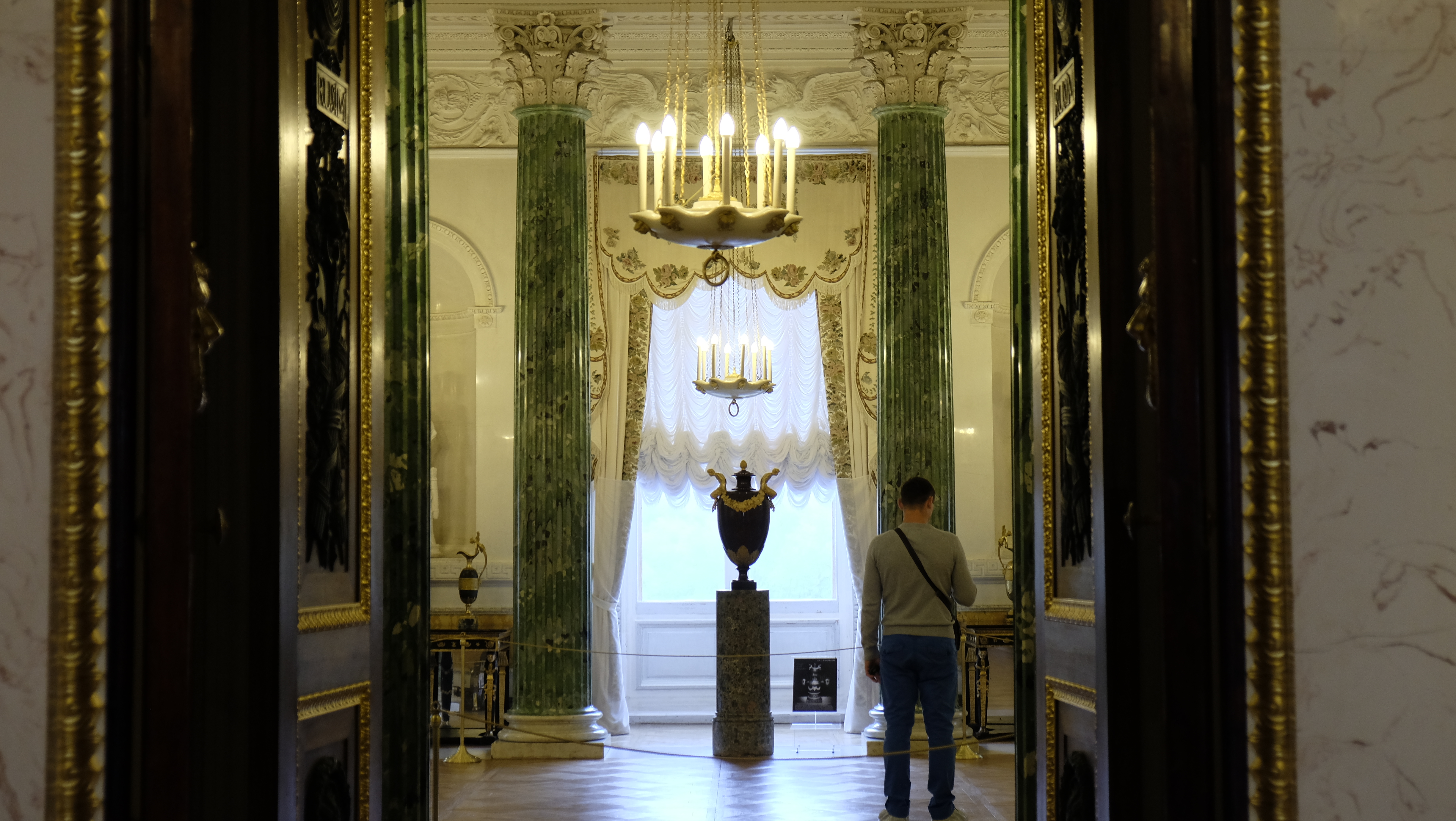
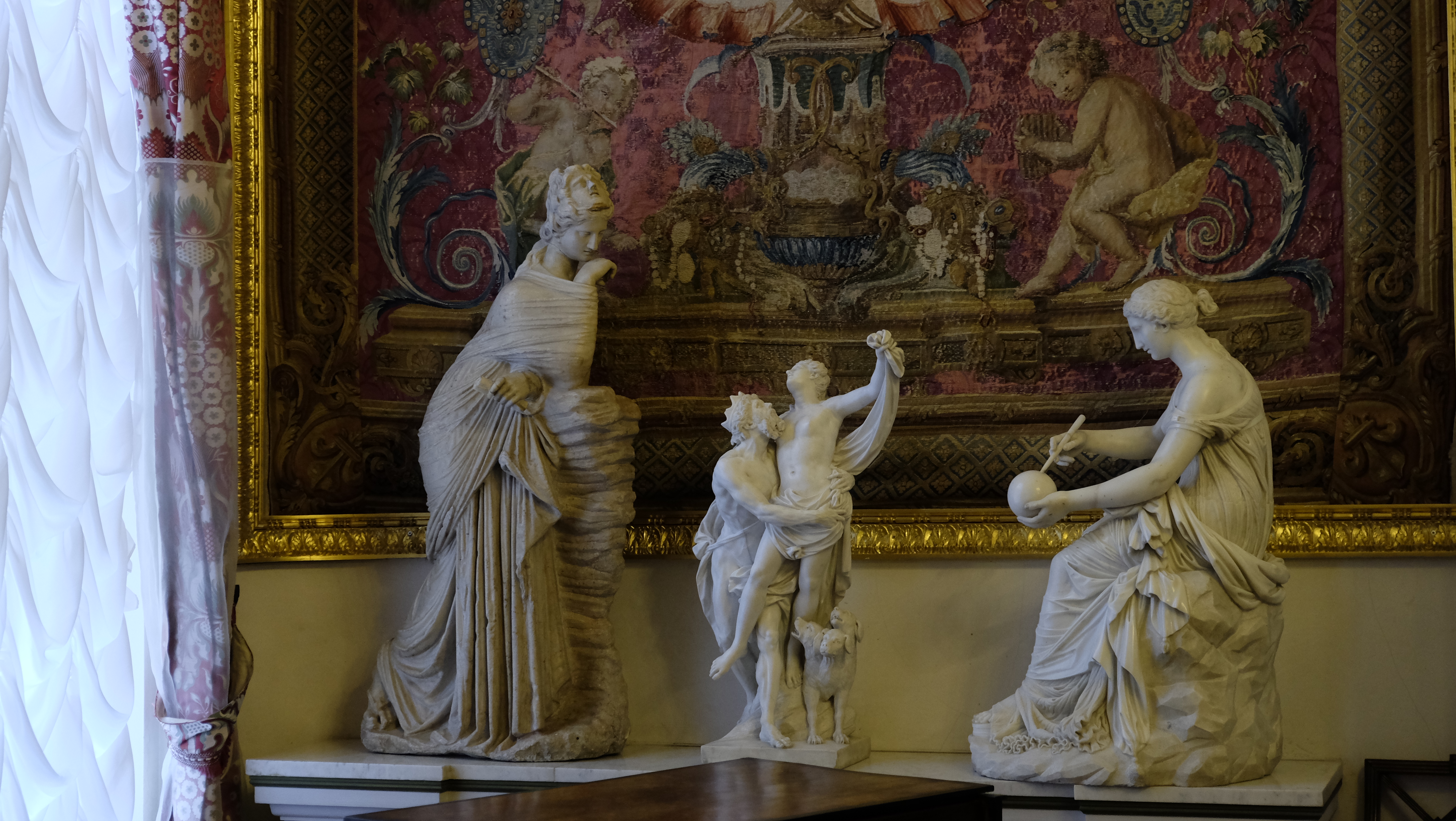
Pavlovsk was nearly destroyed by the Nazis in World War II. They used it as headquarters during the 900-day siege of Leningrad. Fortunately, the museum’s caretakers had worked around the clock to preserve as many of its treasures as they could. Hundreds of packing cases containing thousands of exhibits were removed to Siberia, dozens of marbles and bronzes were buried underground and the statues and stone vases were stowed away and walled up deep down in the basement. But the Nazis looted and destroyed much of what was left, cutting down 70,000 trees in the park alone. When finally forced to retreat by the Soviet army, they set the palace ablaze behind them.
Post-war restorations took several decades to complete but fortunately there were extensive blueprints available for all aspects of the estate so it was redone almost entirely faithful to the original design.
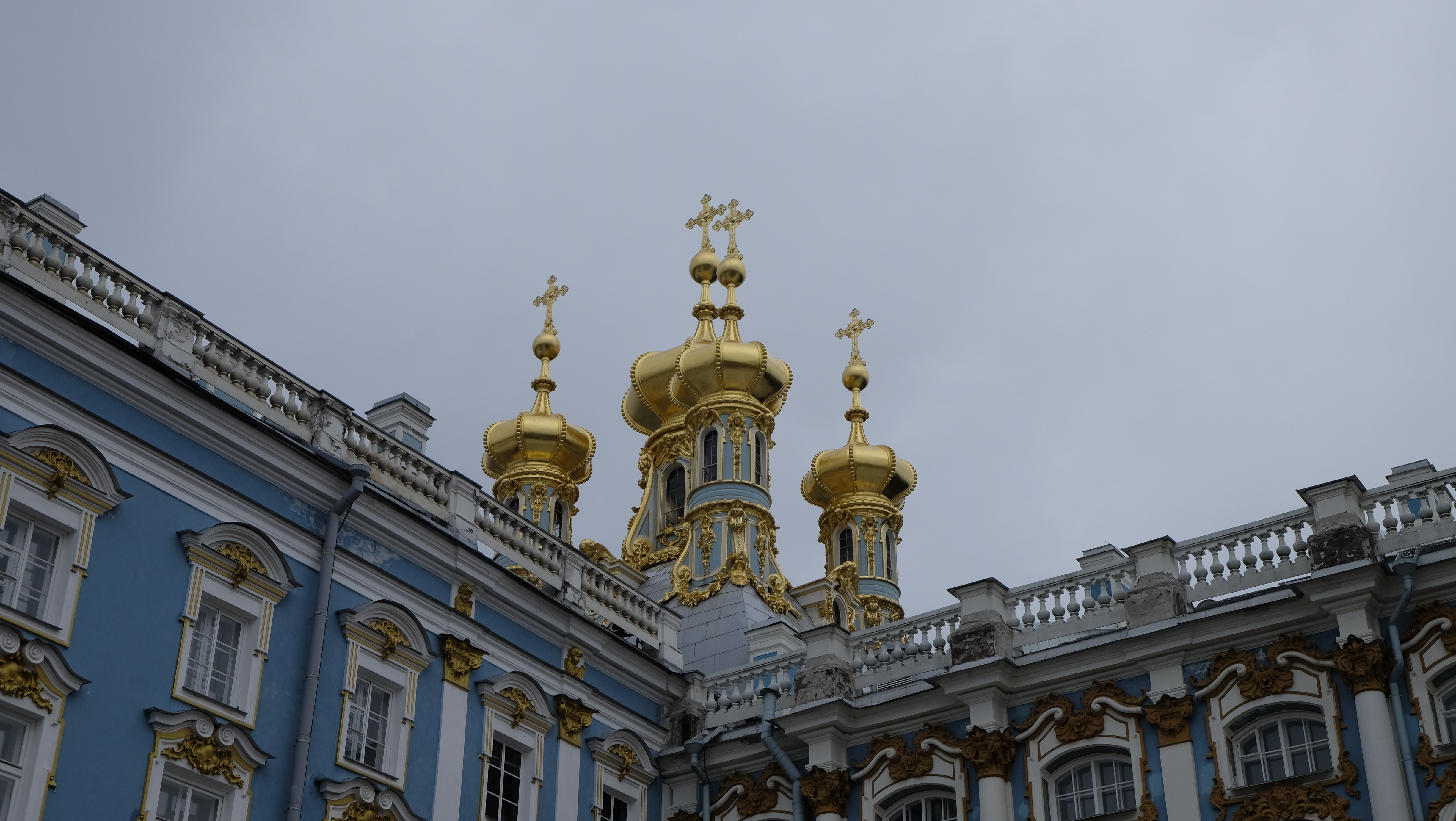
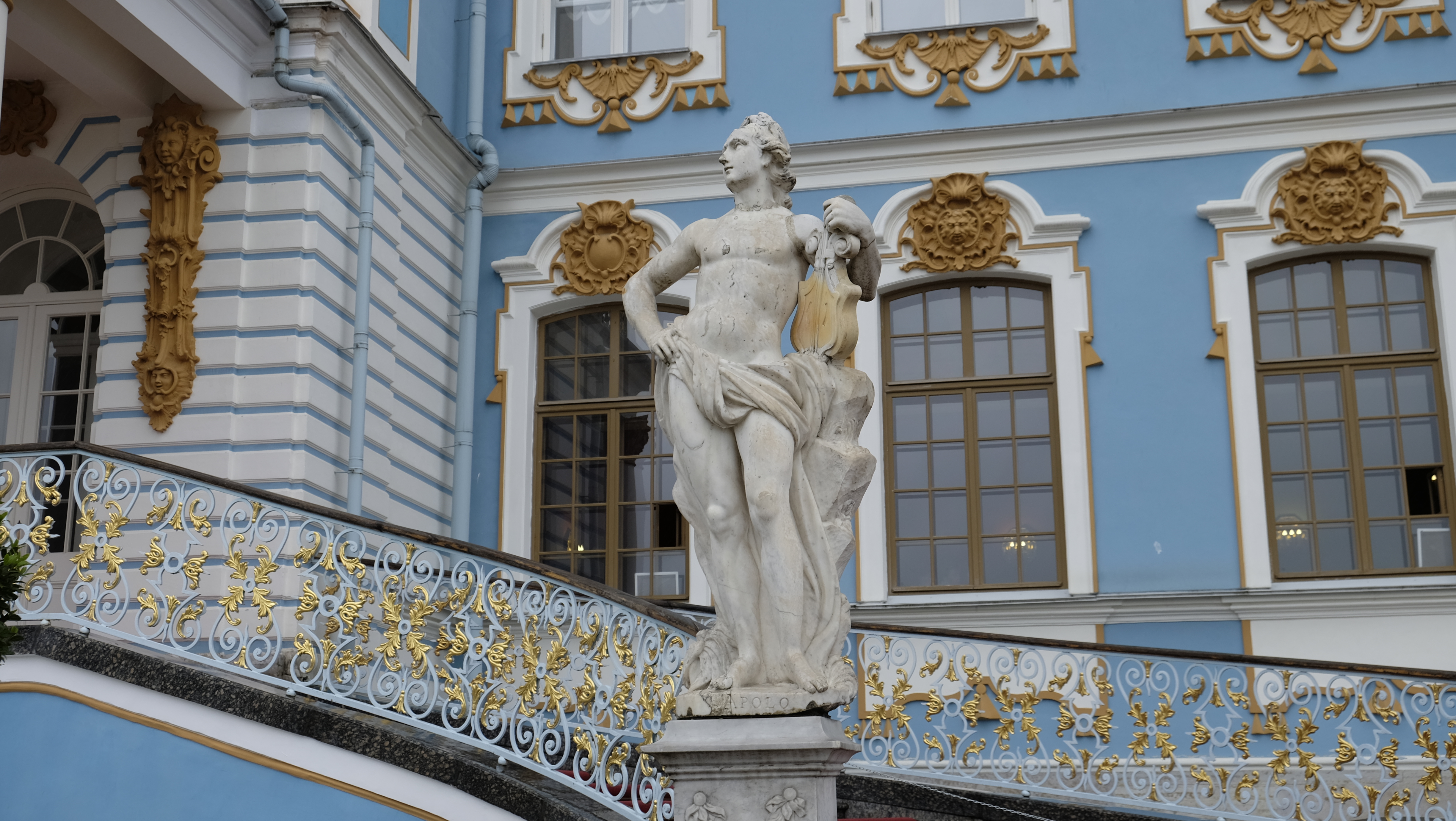
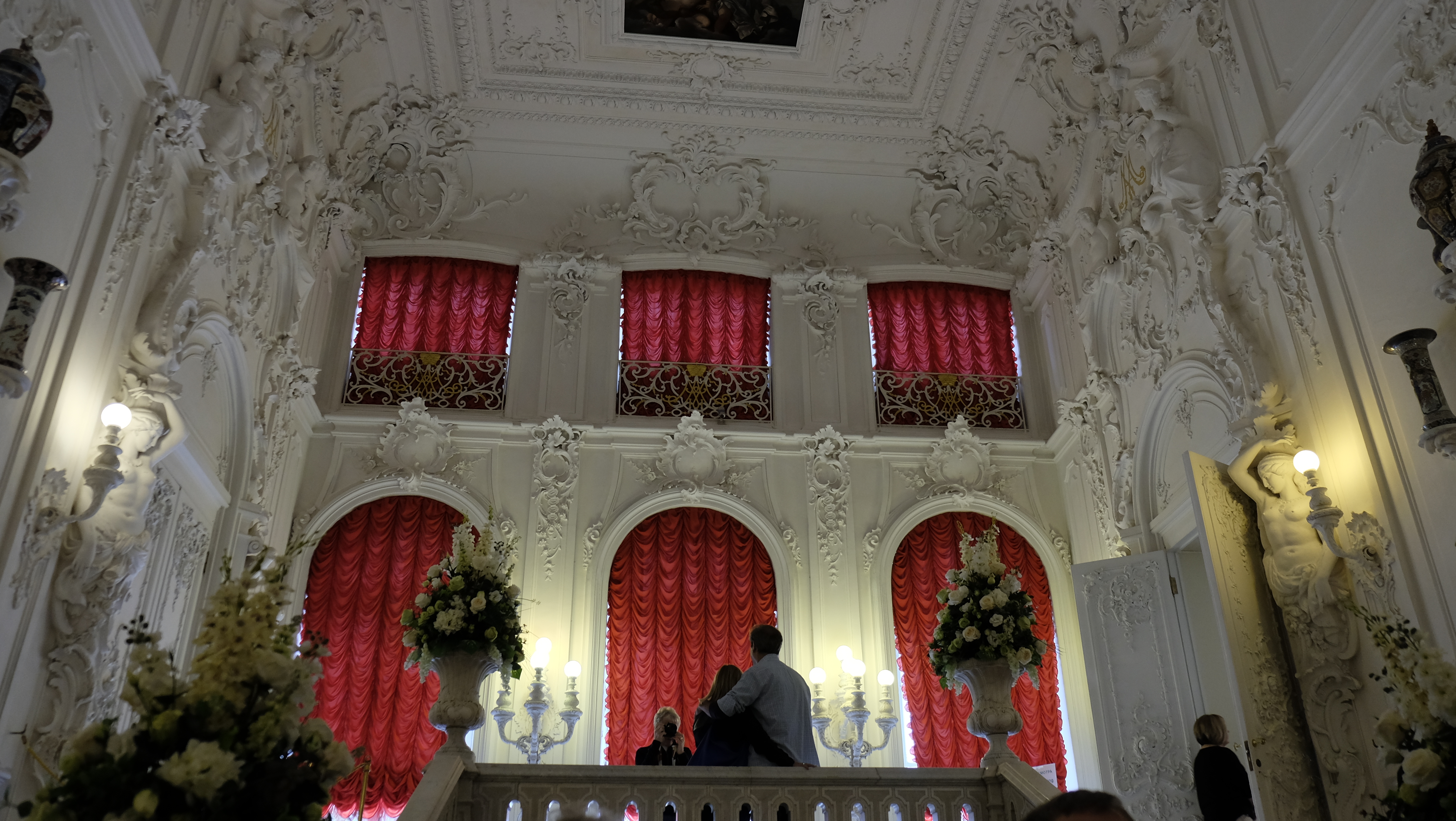
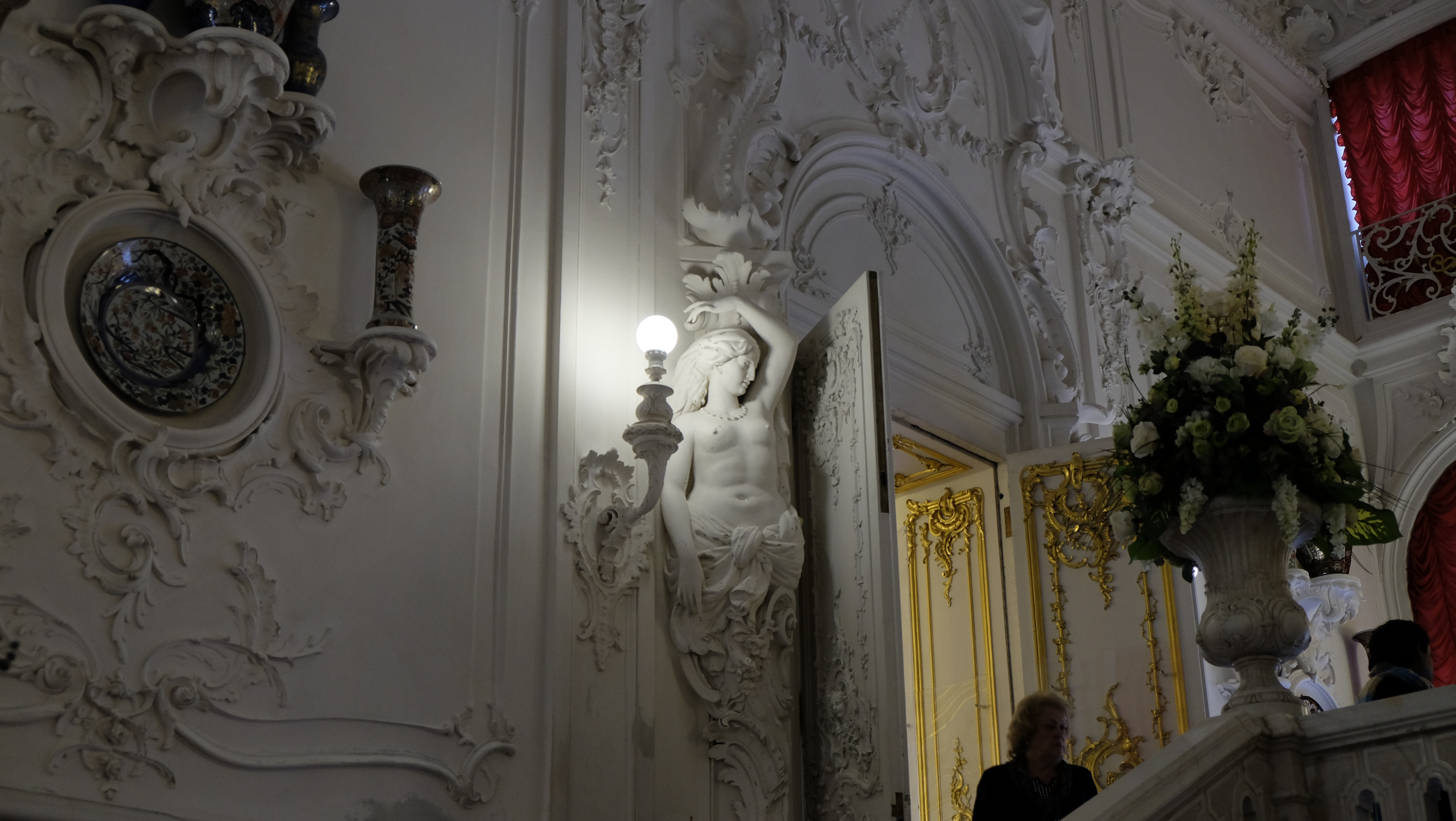
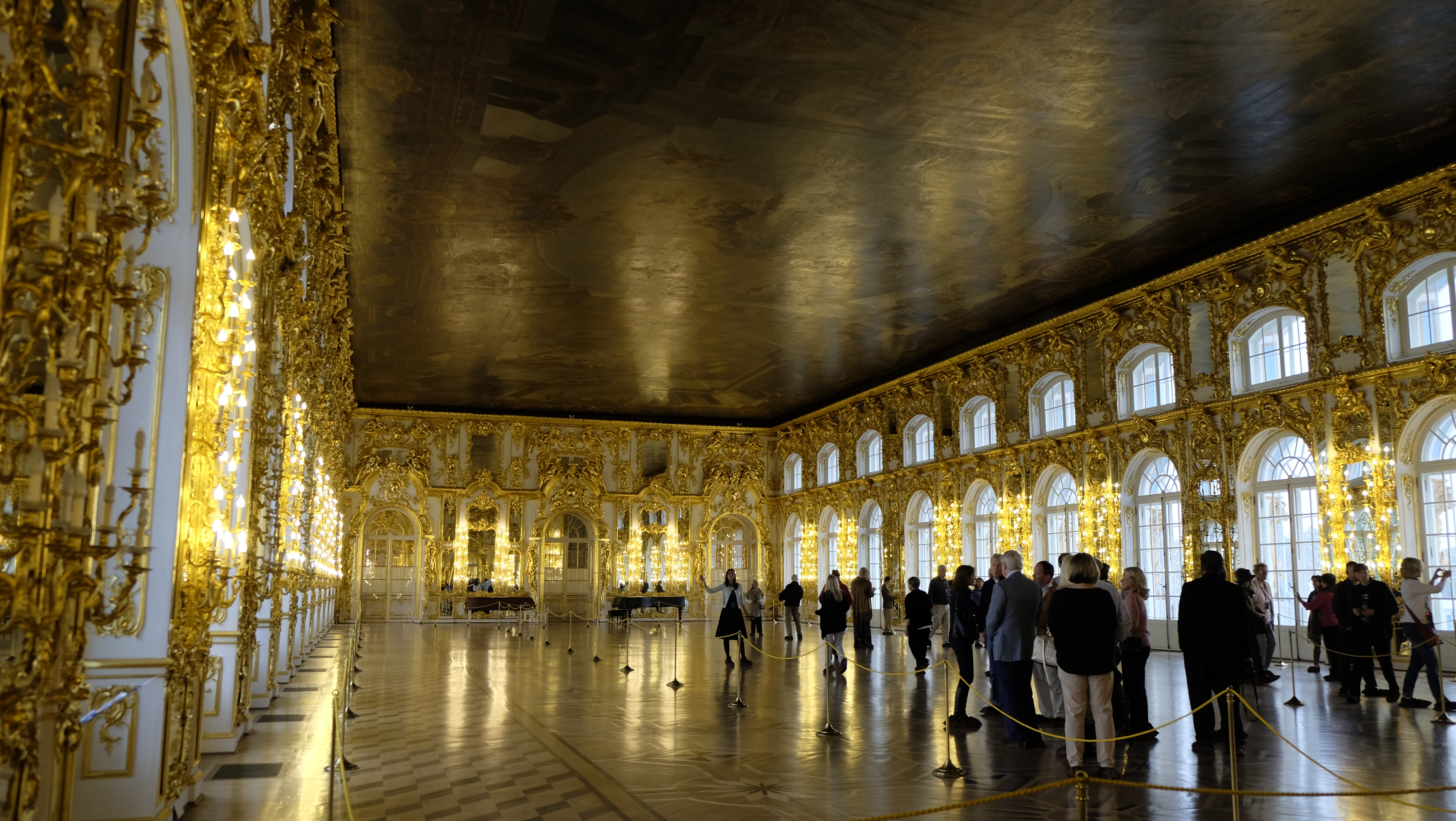
We continued on to the nearby Catherine Palace, originally constructed in 1718. After the death of Catherine I in 1728, the estate passed to her daughter Elizabeth who had more imperial ideas for the future of the palace and reconstructed the palace in a truly lavish and extravagant style. The Empress spared no expense for the construction and it was rumored that even the roof was made completely of gold.
But perhaps the most intriguing facet of the Palace is the mysterious Amber Room. For centuries the Amber Room, with six tons of amber panels, mosaic walls, parquet floors and mirrors, was a symbol of Tsarist prestige. But in 1941, disaster, in the shape of the invading Nazi army, struck. Because of their delicacy, the amber tiles that decorated the room could not be moved so the retreating Russians attempted to hide them rather than risk damage. They were papered over, covered in gauze and cotton wool before being boarded up. But the Russians’ gamble failed.
The Nazis found the treasure hidden in the walls and within 36 hours they dismantled the entire room, crated it up and sent it off to Königsberg Castle in Prussia. Here the trail goes cold. Today the Königsberg Castle lies in ruins, with no trace of the glittering treasure once concealed within. In February 2016 two German treasure hunters claimed to have found the panels in the Czech Republic. The Czechs rejected the claim, and for now, the search for the mysterious Amber Room continues.
The original room was reconstructed for the 300-year anniversary of St. Petersburg and is a shining treasure in Catherine Palace once again. No photography is allowed in the room to further the mystique.
Leave a Reply