Monday, June 13, 2016 | Language: Russian | Currency: Russian Ruble
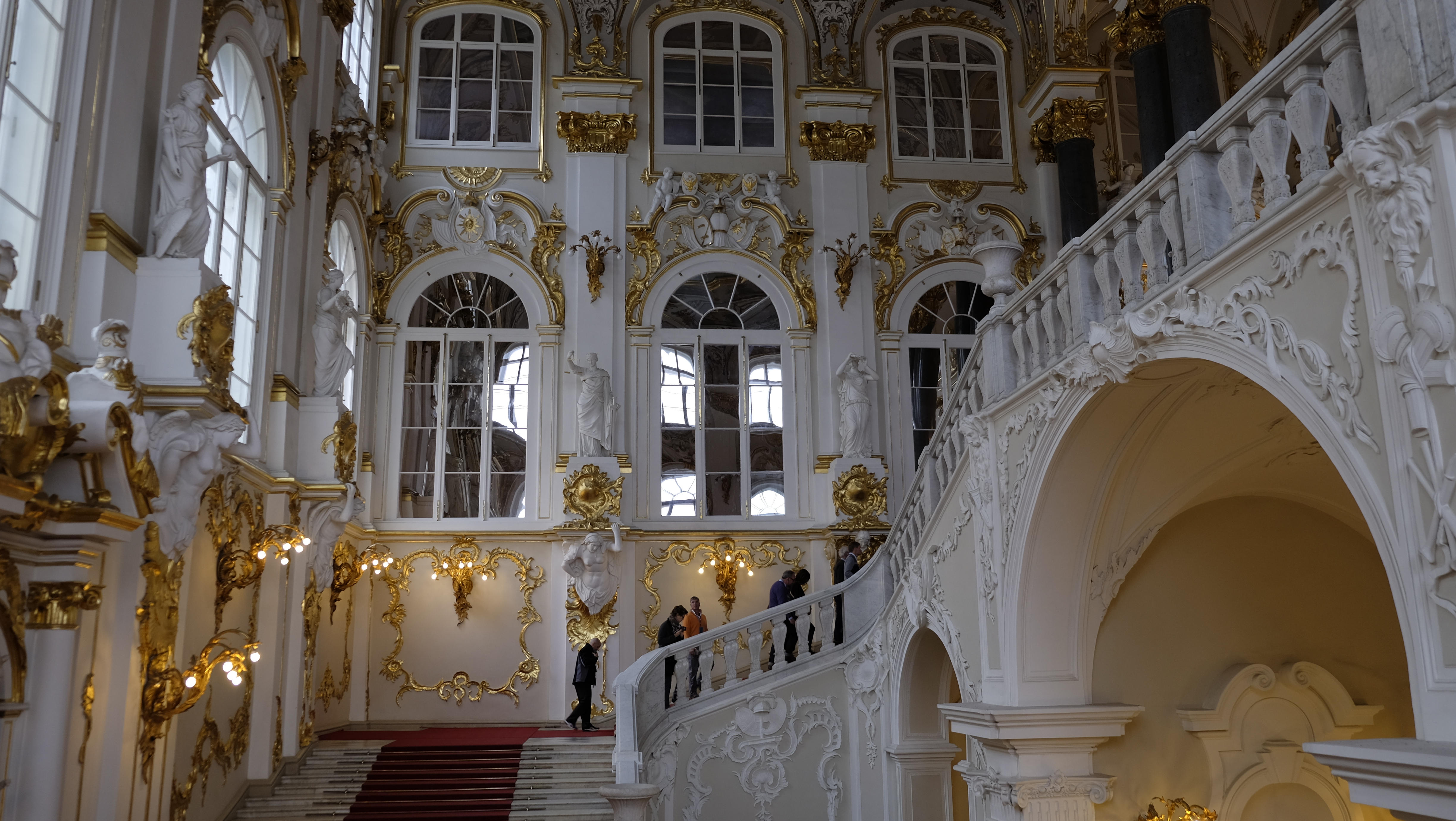
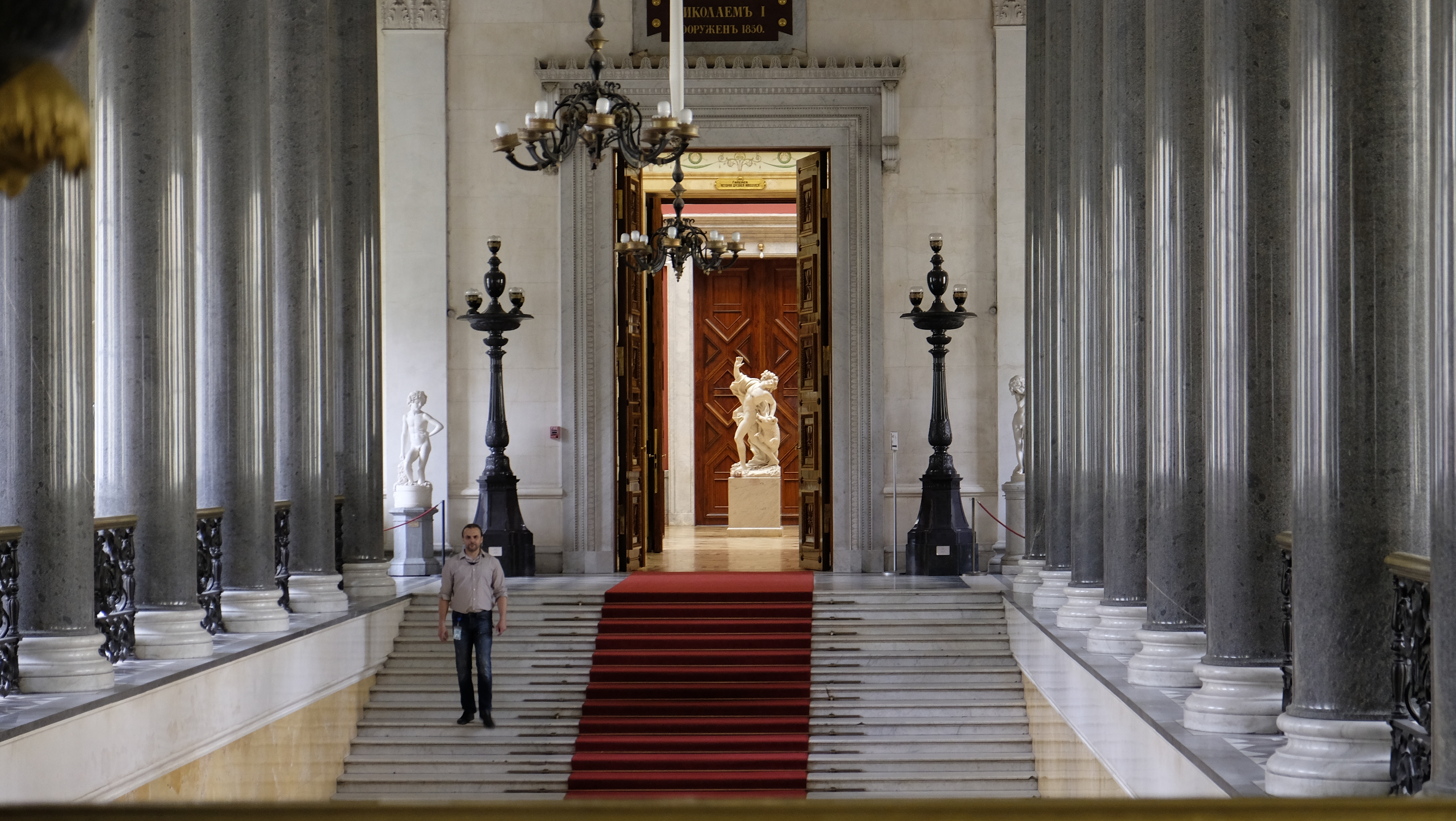
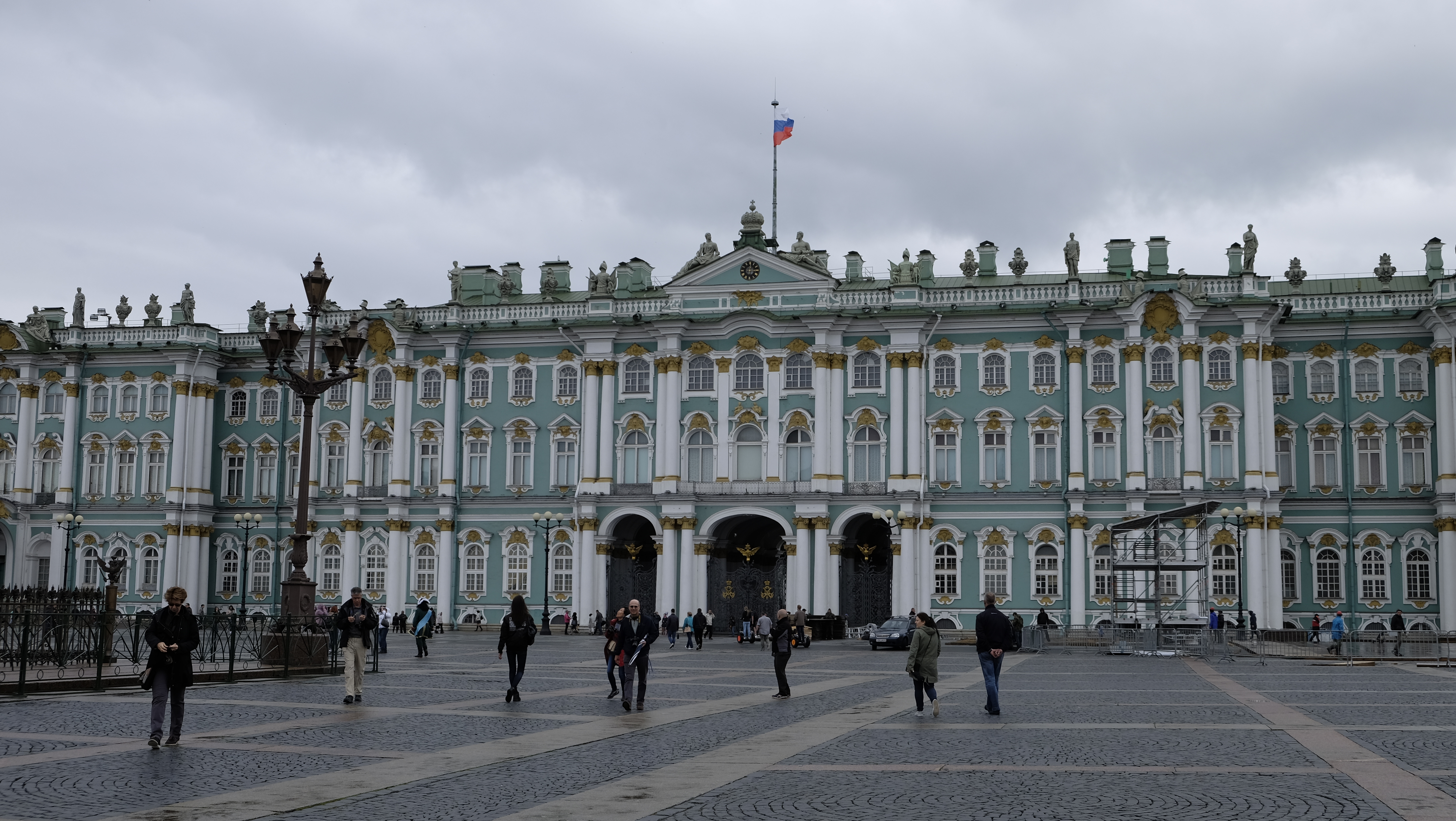
Our last day in St. Petersburg began with special access to the Hermitage Museum (normally closed on Mondays) which provided an opportunity to see a different part of the museum from our previous tour. 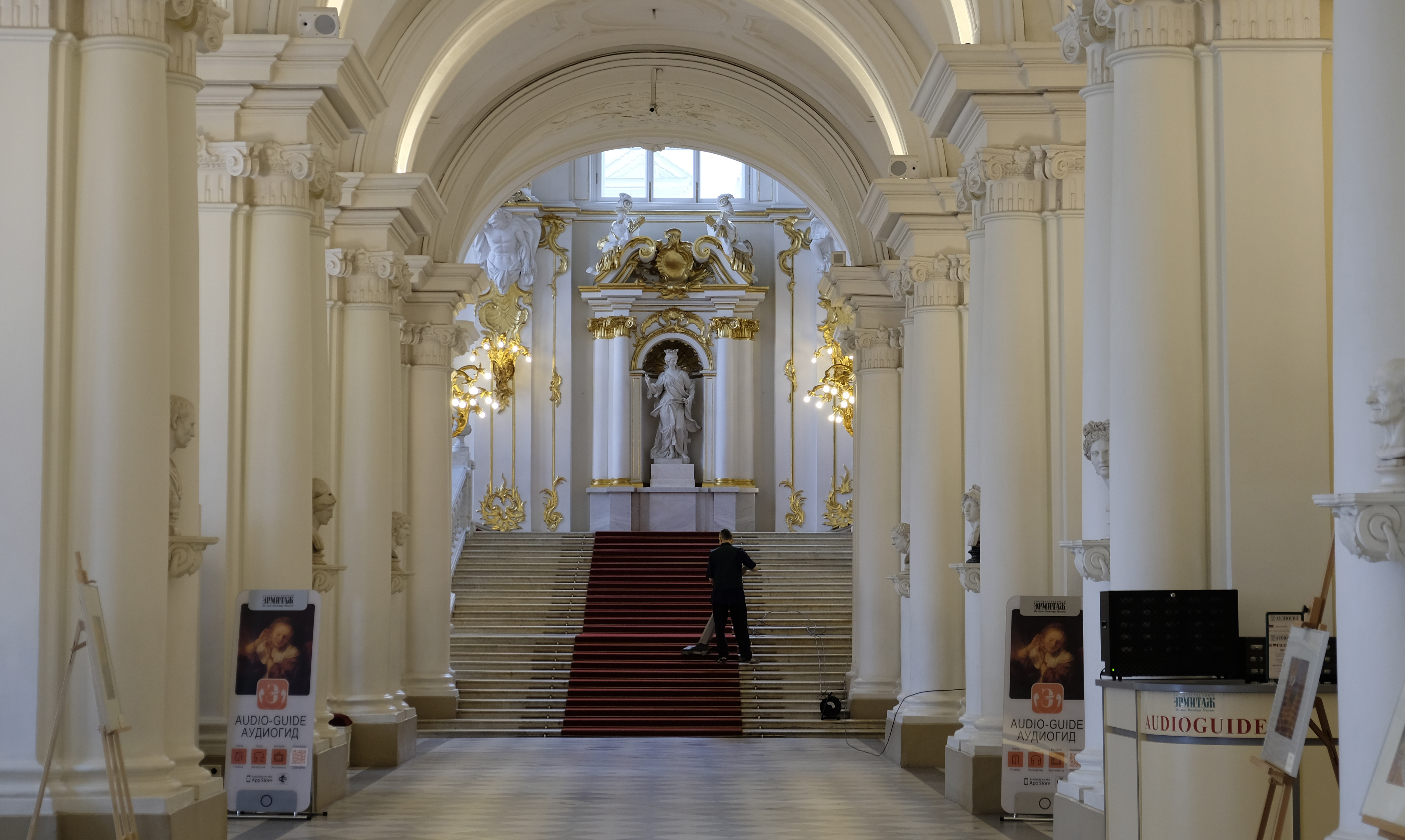 We began in the Winter Palace, entering by the impressive Jordan Staircase.
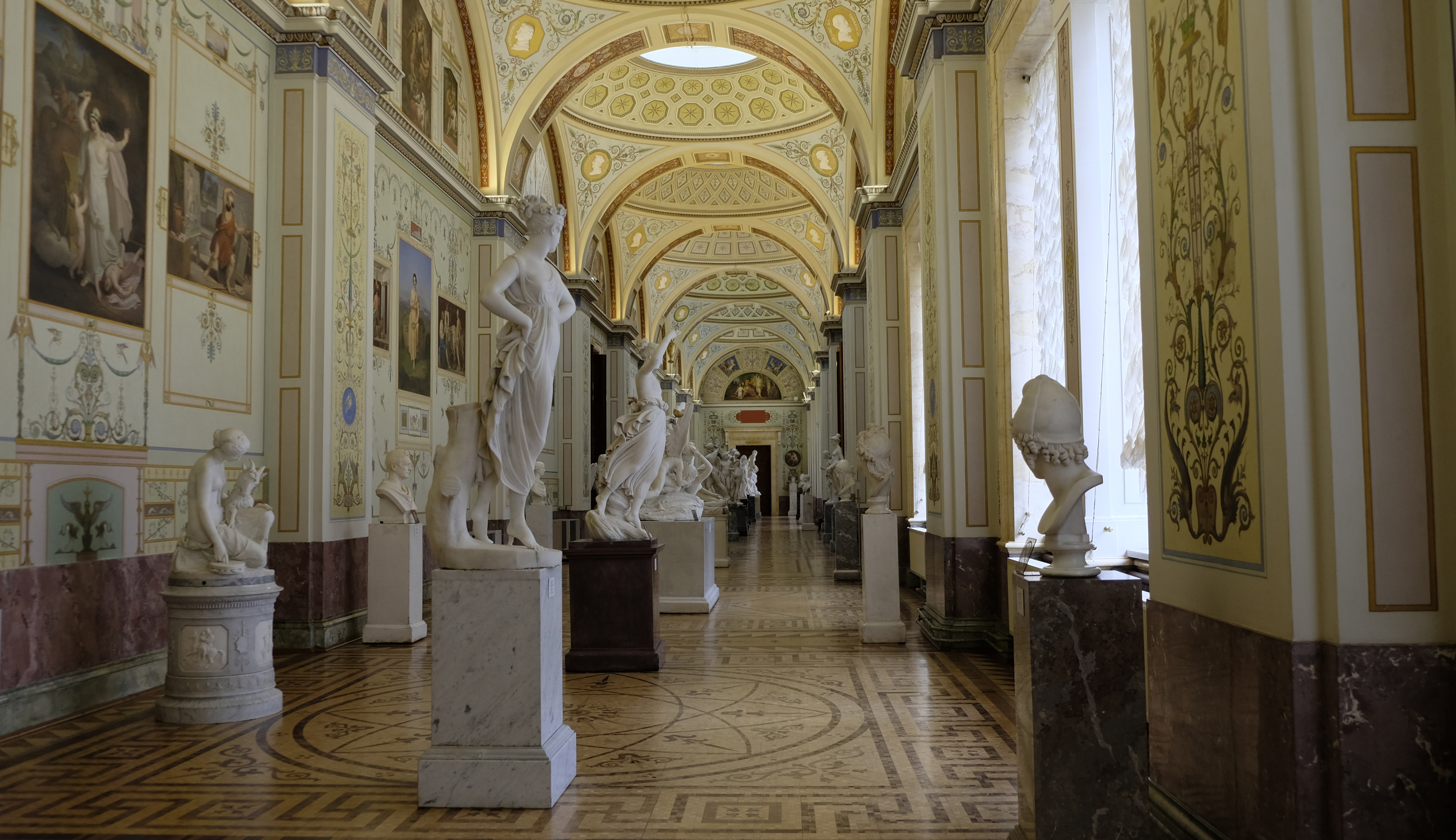
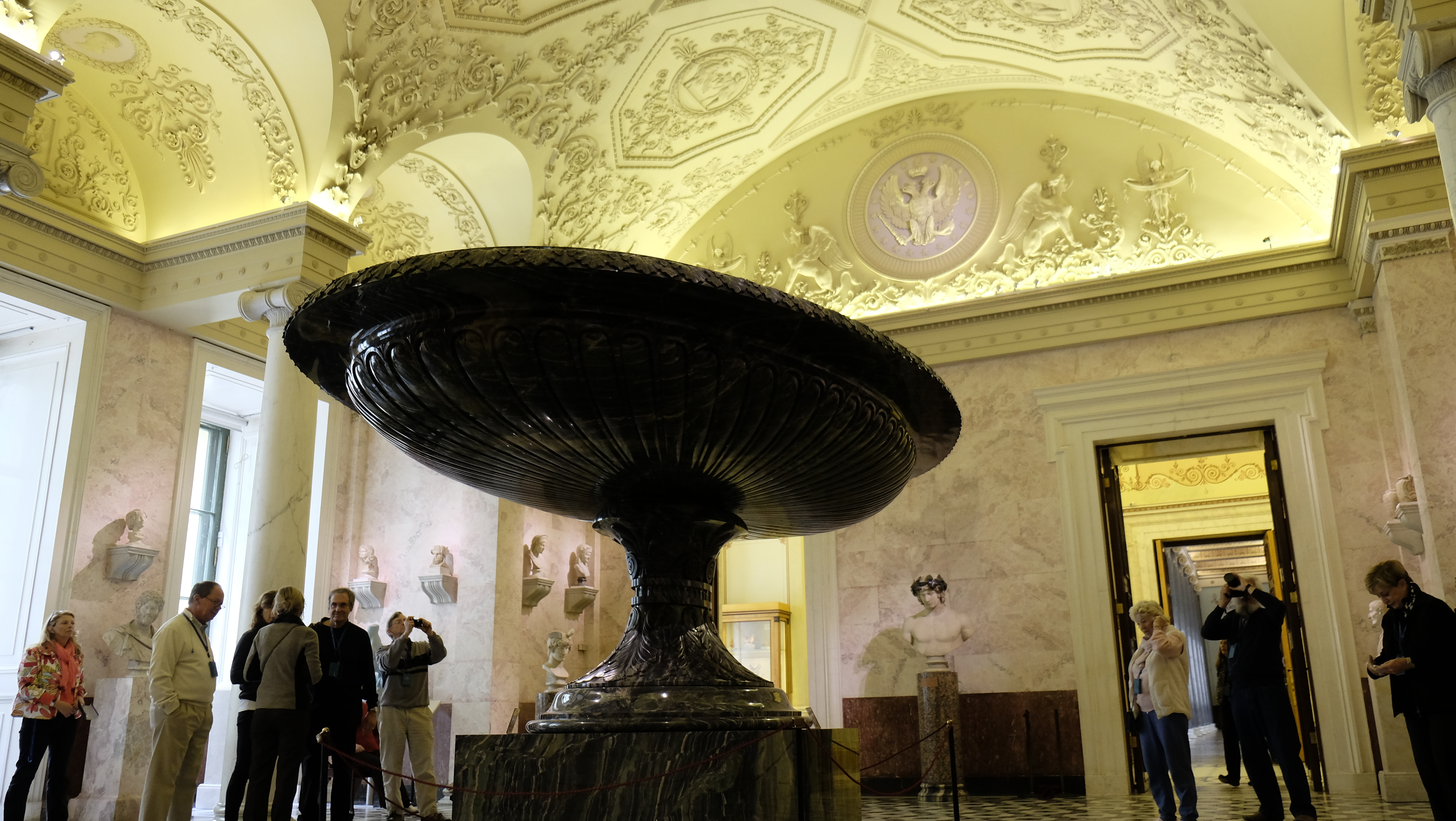
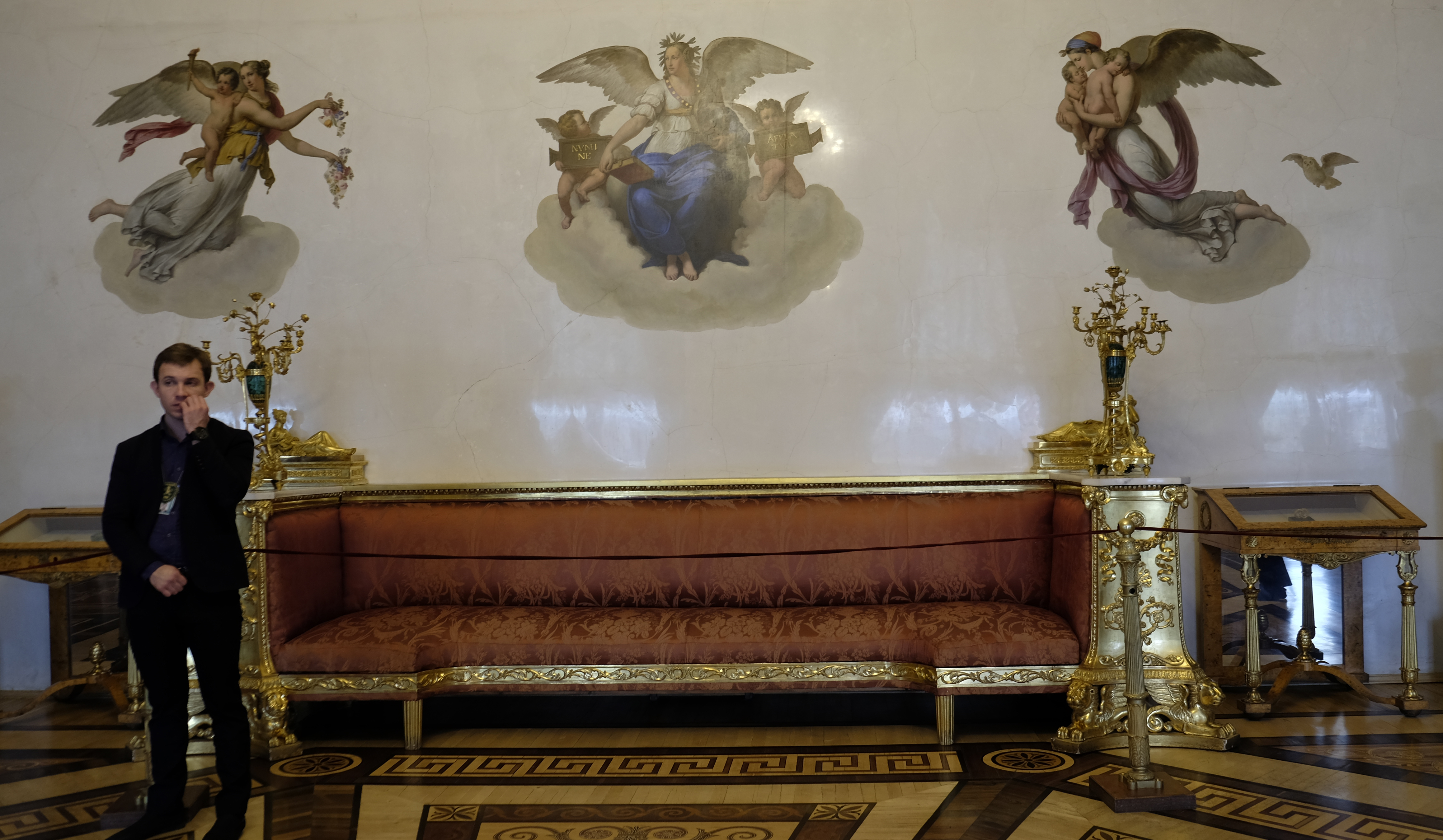
  Our adorable docent Anastasia, guided us through the Nicolas State Reception Hall, the Malachite Room, White Dining Room, Romanov Portrait Gallery, Nicolas II’s library, Crimson Boudoir and exhibit halls displaying works by German renaissance painters and French works from the 15th through 18th centuries. I believe Edie’s Fitbit calculated 10,000 steps just inside the museum.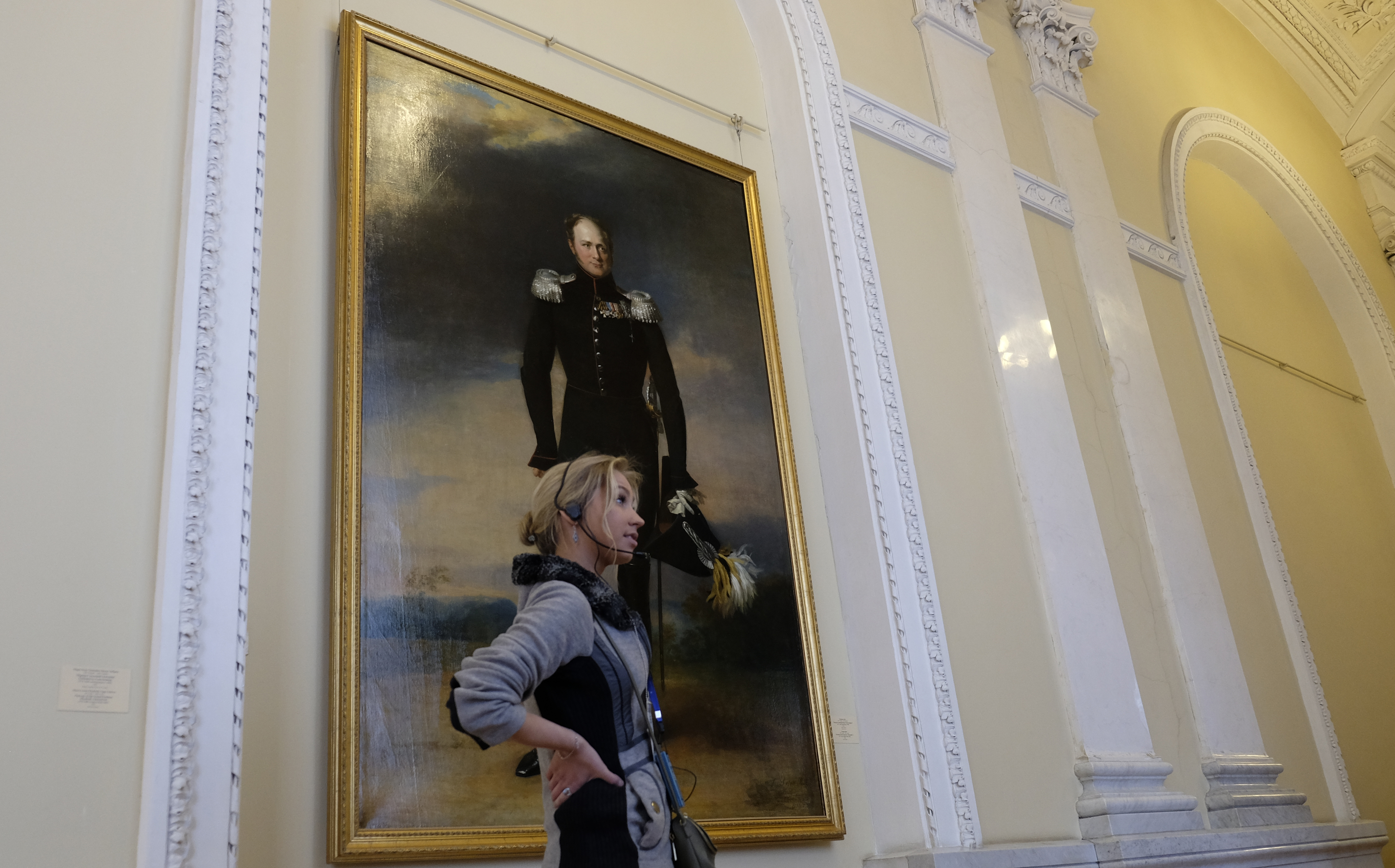
My favorite was the Rembrandt Room, displaying 23 works of Rembrandt Harmensz van Rijn (1606-1669) representing both the artist’s early and late periods. 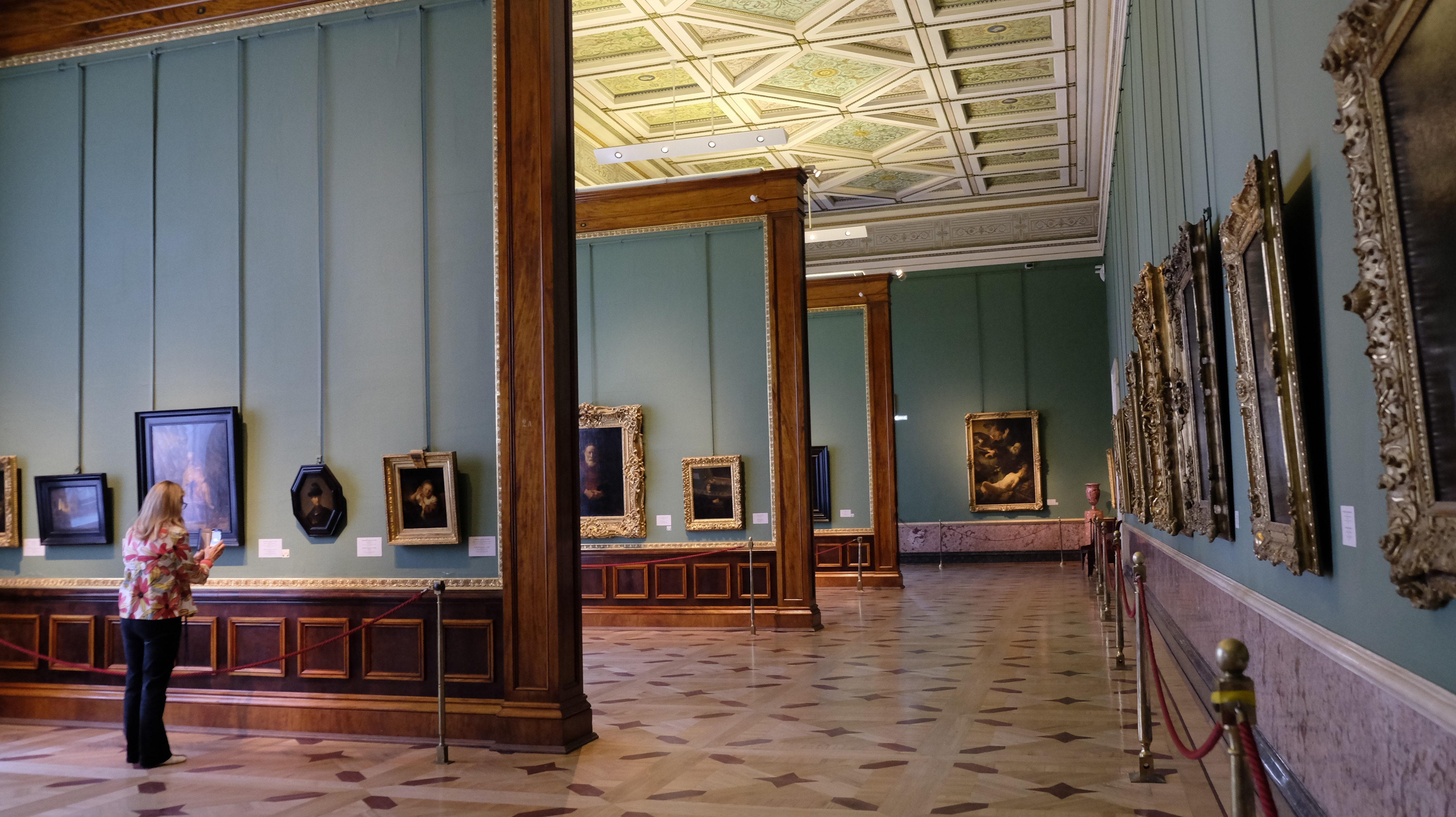
Two particular Rembrandts captured my eye – Portrait of an Old Man in Red, Circa 1652/54 on left and Portrait of an Old Jew, 1654 on right.
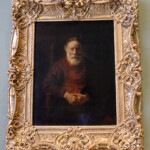
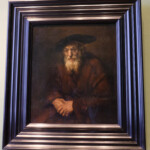
As described by the Hermitage: Portrait of an Old Man in Red, Holland, Circa 1652/54
In the 1650s Rembrandt turned increasingly to the depiction of aged men and women, seeking to bring out in these images the positive and eternal aspects of age and experience. The Old Man in Red is perhaps one of the best of these images of old men. His name is unknown, but Rembrandt’s interest in him was great: there is one more depiction of this man – An Old Man Sitting in an Armchair (National Gallery, London). The calm, simple pose of this man is in itself an indication of virtue. The facial features are noble and wise, and although the knotted hands are still, we can feel that they are shaking slightly. He has a kippah on his head which indicates that he is a Judaist. The storms of everyday life have not made this man complain of his fate, and spiritual calm has been the reward for his patience. Rembrandt applied the paint now in broad thick strokes, now using small translucent touches of colour, forming a varied texture. He made skilful use of light and colour to create a representation of the majesty of the human soul.
Next was the Diamond Room in the Treasure Gallery with a dazzling display of jewelry and other other items created for the Romanovs and their royal court by Fabregé and as well as other artists. No photographs were allowed to keep the allure of access in this room.
We left the Winter Palace and crossed the Palace Square to the east wing of the General Staff Building where the Hermitage’s superb collection of Modern European Art is housed.
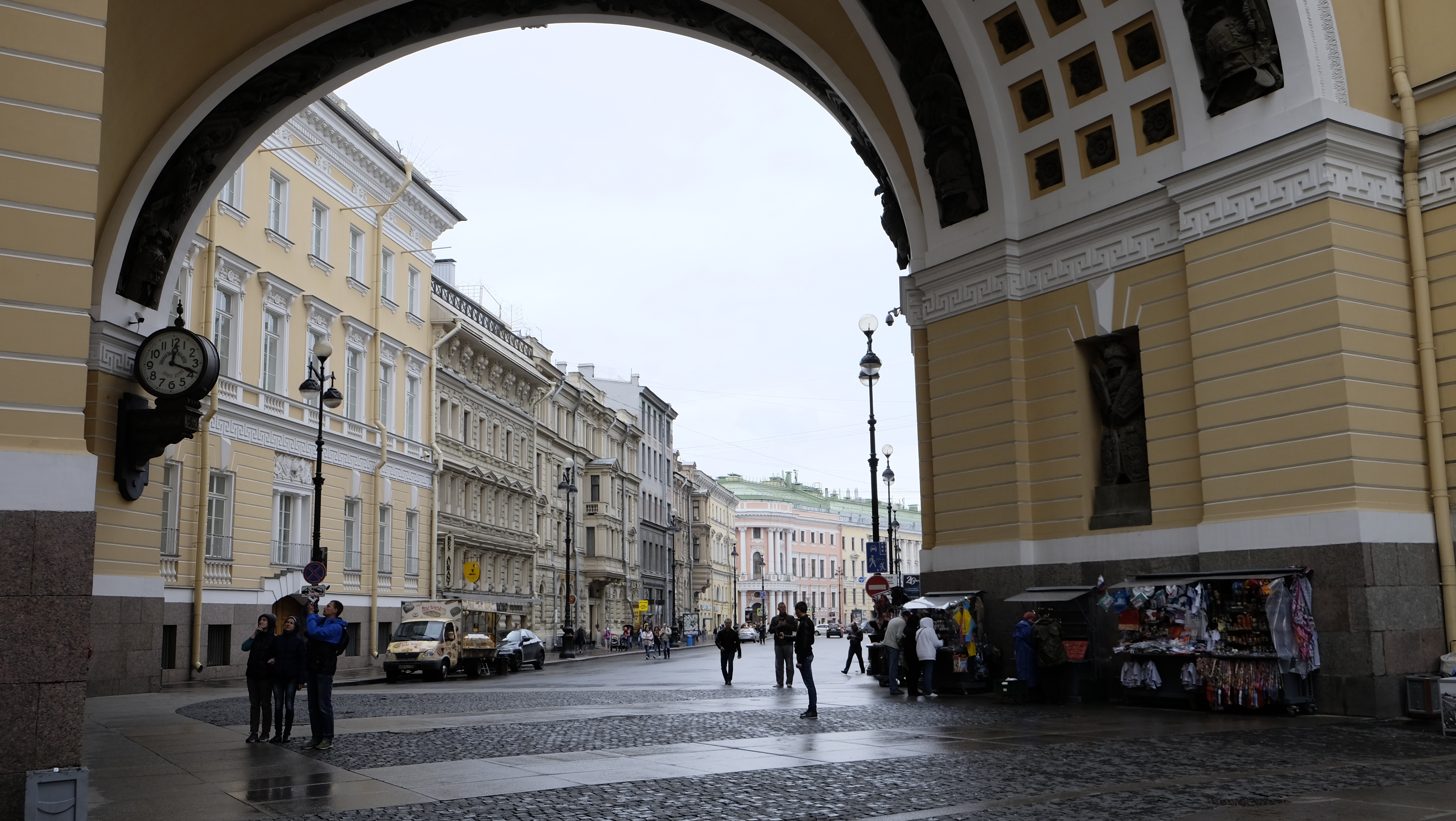
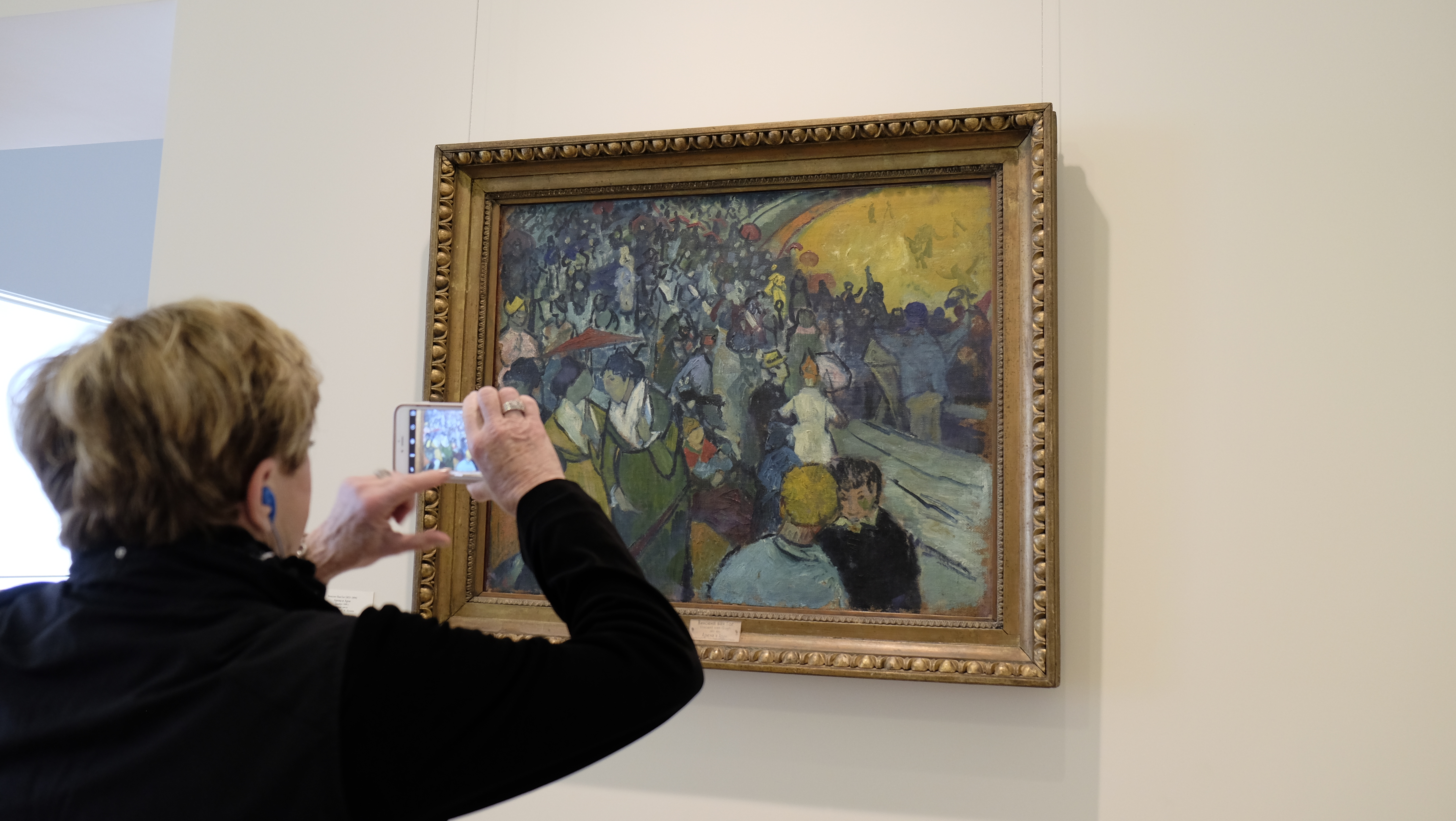
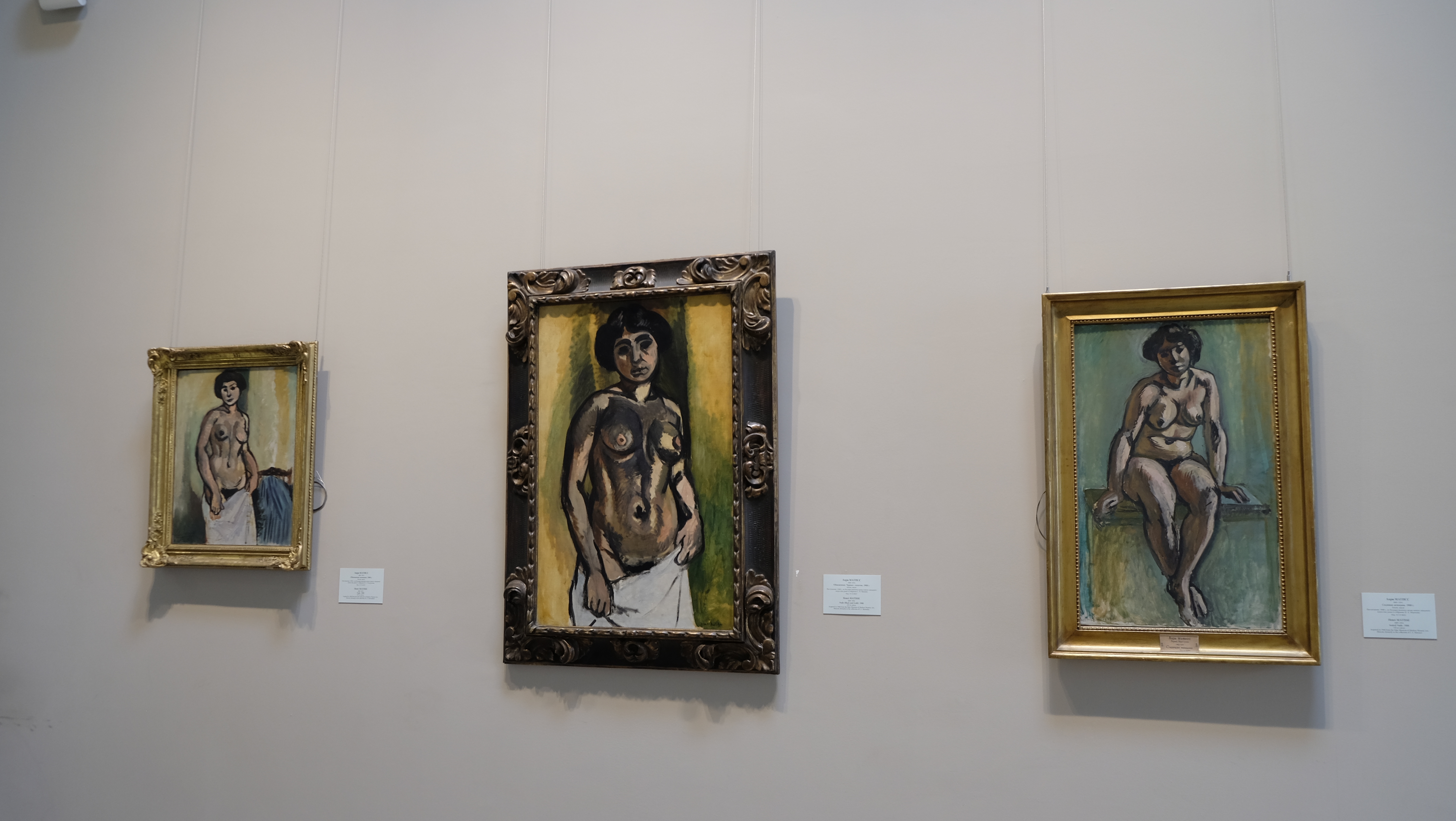
The bulk of the art is made up of French impressionist and post-impressionist paintings and is divided into those works received after the Revolution and art seized from Germany after World War II. The paintings taken by the Soviet Union from German private collections were widely believed to have been lost as they remained a strictly guarded state secret until after the regime fell in 1991.
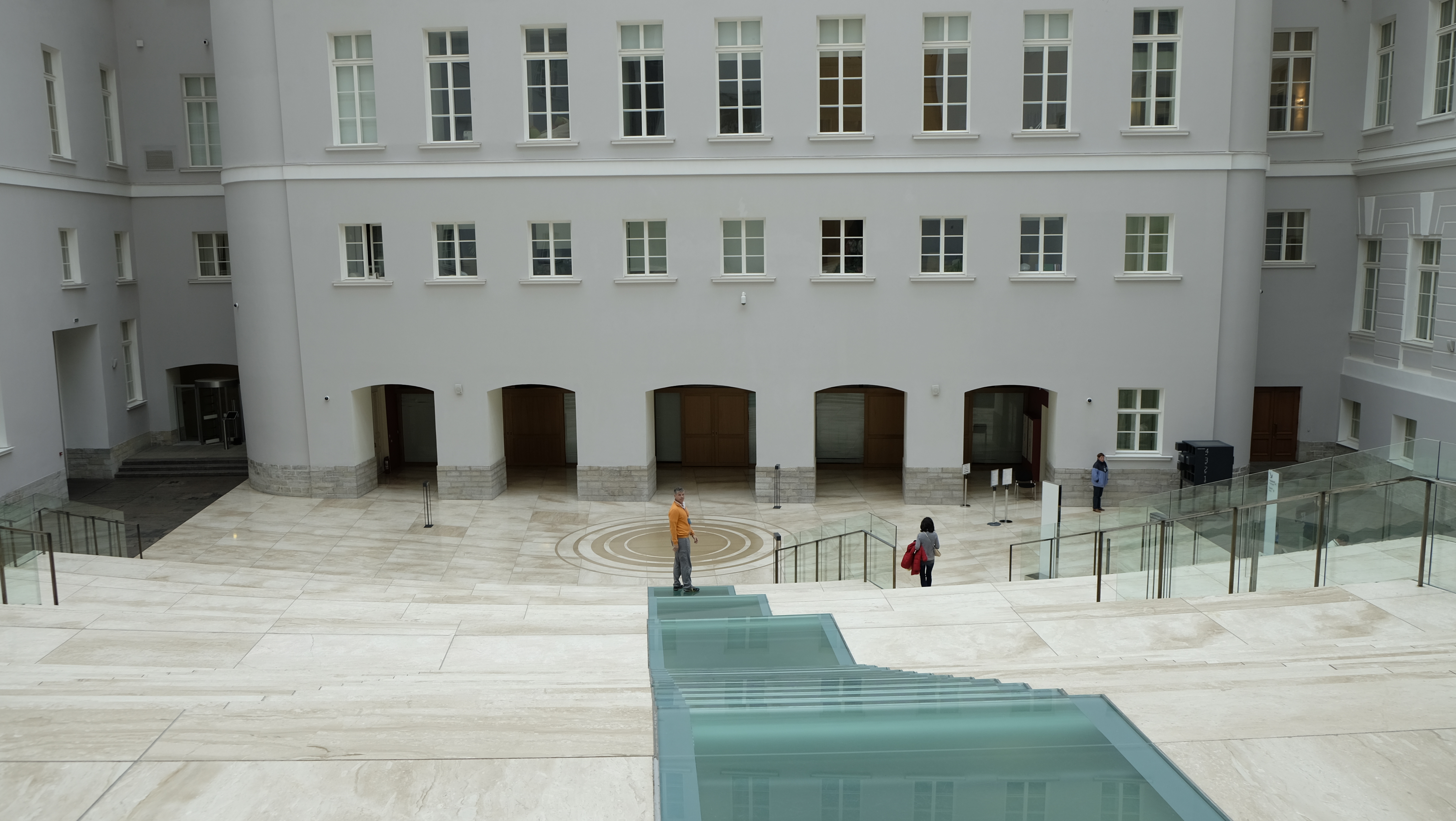
There we stood among works by Picasso, Matisse, Monet, Pissarro, Cezanne, Van Gogh, Renoir and Gauguin. It was stunning. 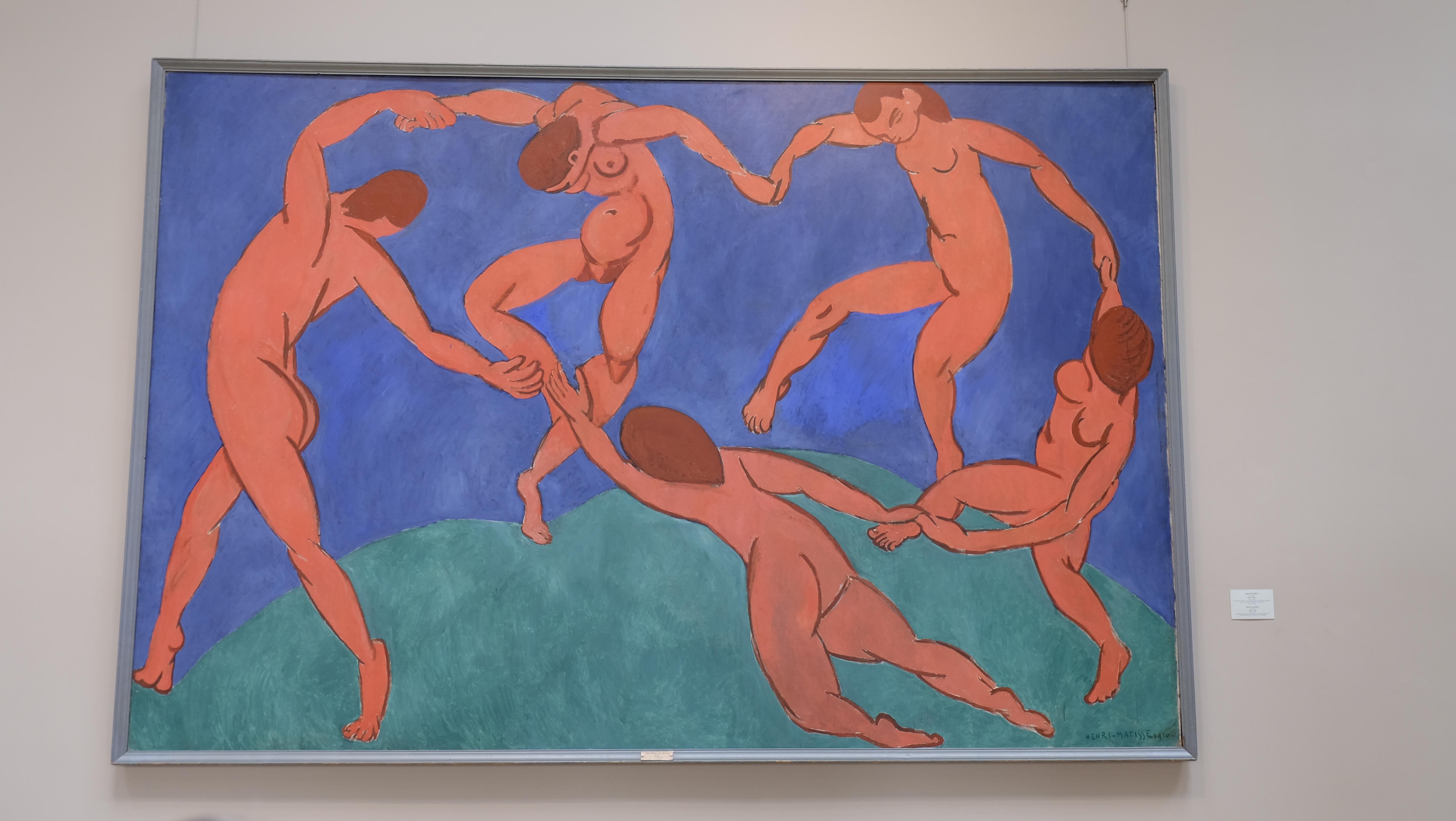
Fun Fact: The Hermitage is home to around 70 cats who guard its treasures against rodents. The tradition dates back to 1745 decree of Empress Elizabeth, the daughter of Peter the Great, founder of St. Petersburg. Cats have been guarding the Hermitage for the past two centuries, since the Tsarist period. They disappeared for a short period of time during WWII.
Leave a Reply