Sunday, November 12, 2017 | Language: Spanish | Currency: Cuban Peso | Population = 149,145

GETTING TO CUBA
It used to be easy for Americans to visit Cuba. In the 1940s and ’50s it was the Las Vegas of the Caribbean with casinos and show girls aplenty. But in 1959, Fidel Castro and Che Guevera led the Cuban Revolution that toppled the dictatorship of Fulgencio Batista. Cuba has since been governed as a socialist state by the Communist Party under the leadership of the Castro brothers, Fidel and Raul.
The United States severed diplomatic relations with Cuba in 1961 and imposed a trade and travel embargo in the following year. The country has been politically and economically isolated by the United States ever since. In recent years, the United States eased and then restricted the blockade by the last two administrations. Currently, Americans can travel to Cuba but with a host of restrictions. Basically, the U.S. is trying to discourage travel to Cuba but it is not making it impossible to go. There are three ways to get there.
One, you can register for a special license with the U.S. Government if the reason for your travel fits one of 12 categories. These include family visits, professional reasons, journalism, religious or cultural programs and humanitarian projects.
Two, you can go on People-to-People trip undertaken with an organized tour company that involves some sort of educational experience with local Cuban people. It has never been defined officially, but basically your trip cannot just involve sitting on a beach. Travelers would talk with a school, volunteer for a community project or collaborate with artists.
Three, you can travel to Cuba through a foreign gateway city, like from Canada or Mexico. You enter Cuba from a country other than the U.S. because for the rest of the world, Cuba has been a popular travel destination for many years. It is only Americans who have not been able to visit Cuba. When you leave, Cuban immigration won’t stamp your passport and the U.S. Government will never know you visited Cuba.
We worked with Cuban Educational Travel, who not only arranged a full and entertaining itinerary, but also made sure our trip fully complied with U.S. and Cuban government regulations. They were also a wealth of knowledge and I would highly recommend them for anyone interested in going to Cuba.
You are required to keep a record of all transactions undertaken while in Cuba, which should be made available for examination for five years. Five years? Who would check? But, of course, I saved everything needed.
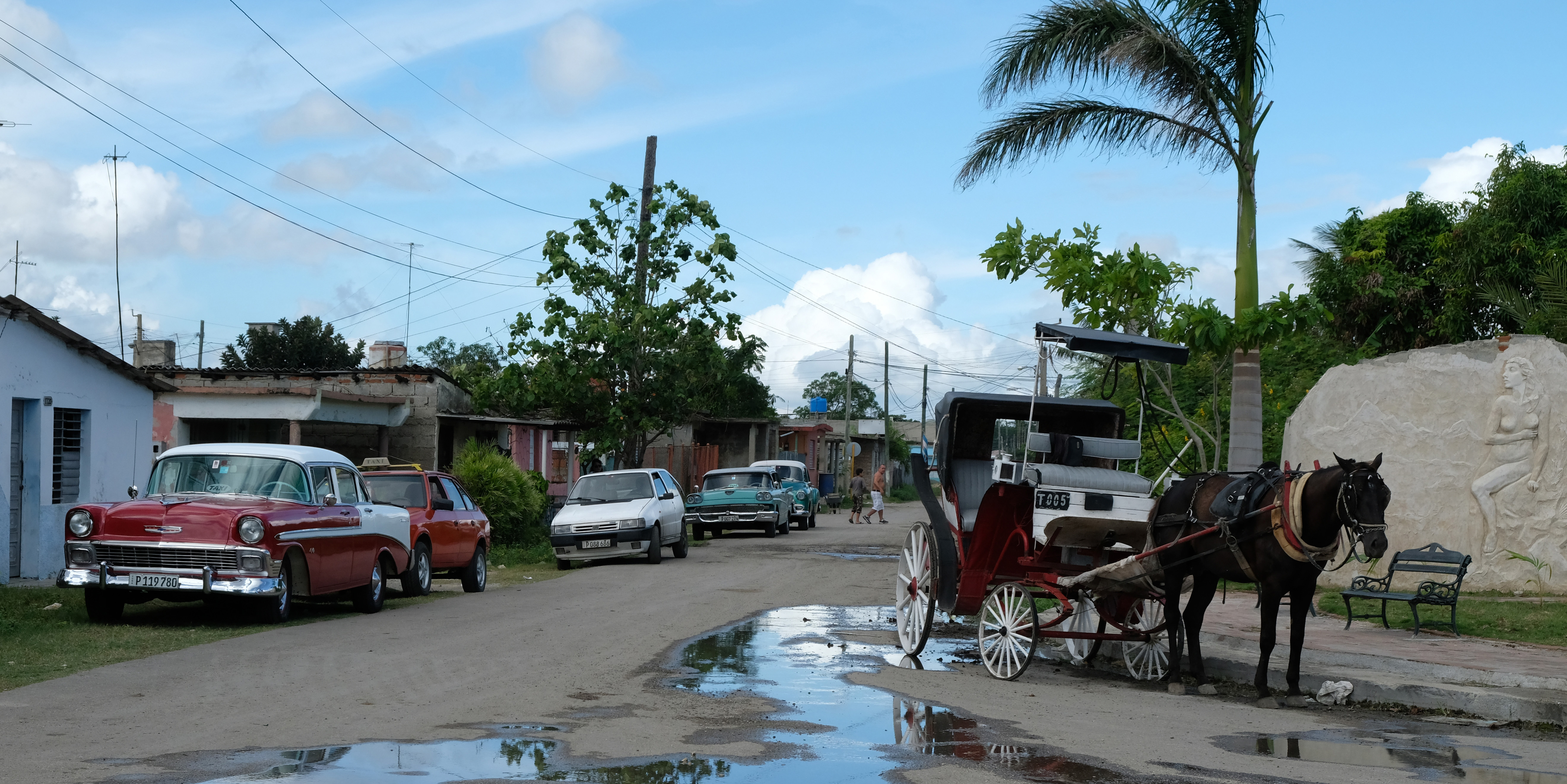
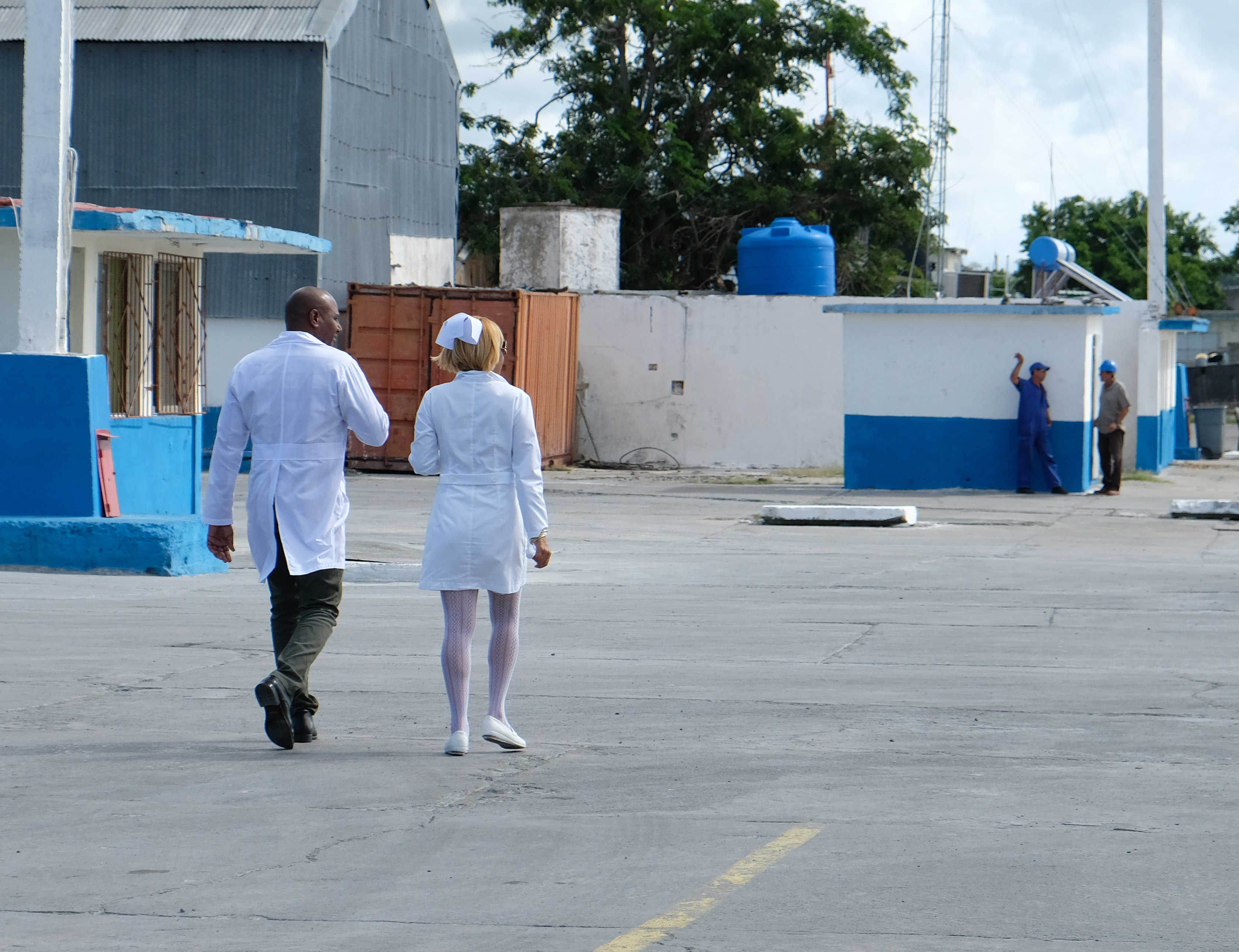
Cuba has seven ports of the entry to arrive by ship. We entered at Cienfuegos, located in the southern part of Cuba. Before you are allowed to enter your temperature is taken by an infrared scanner as you step upon the land. You probably would not notice it, if you did not know about this regulation. If you have a fever, you are immediately whisked away to a hospital with no option of turning around and getting back onto the ship. To prevent that happening, our ship doctor took everyone’s temperature before we were allowed to come ashore.
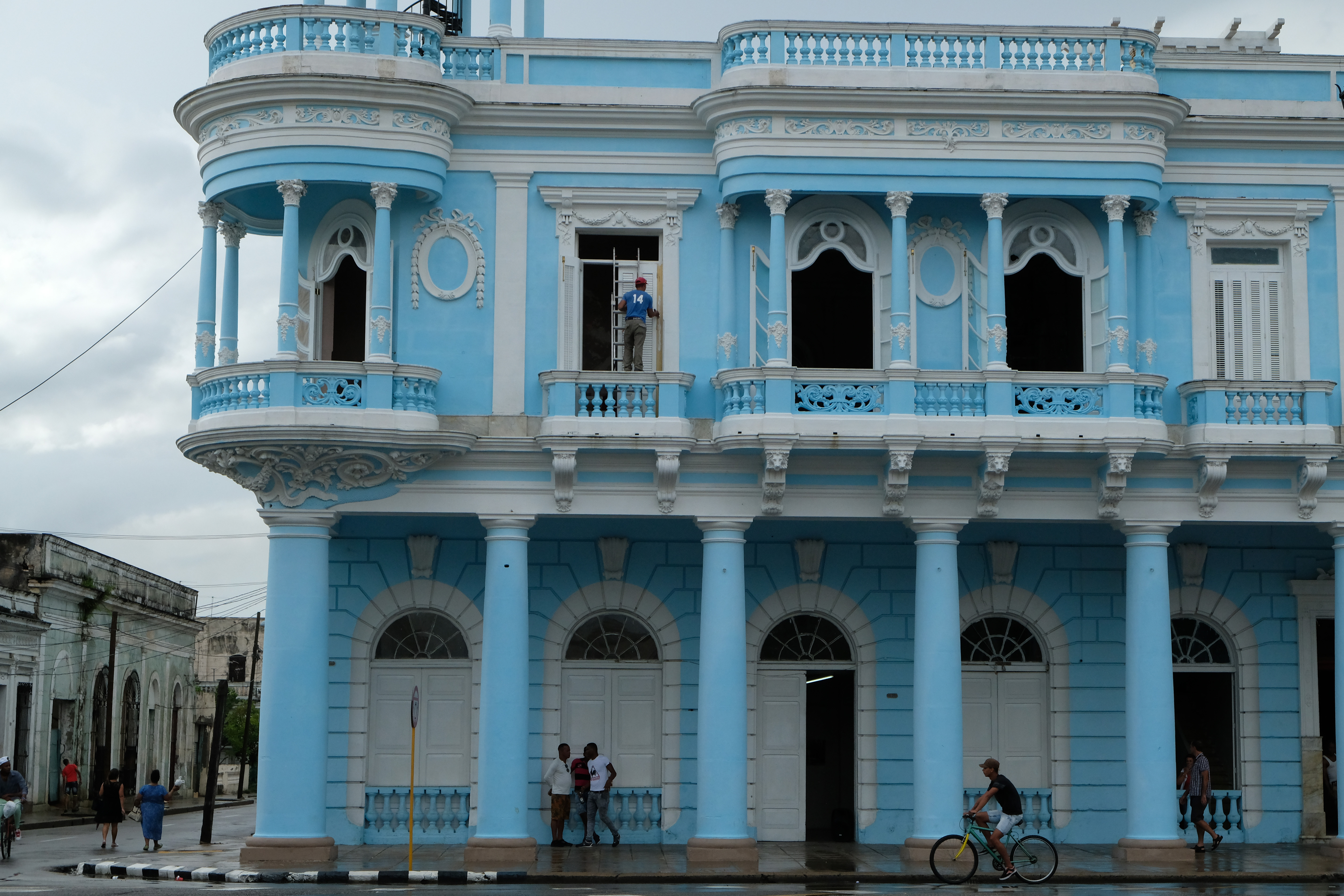
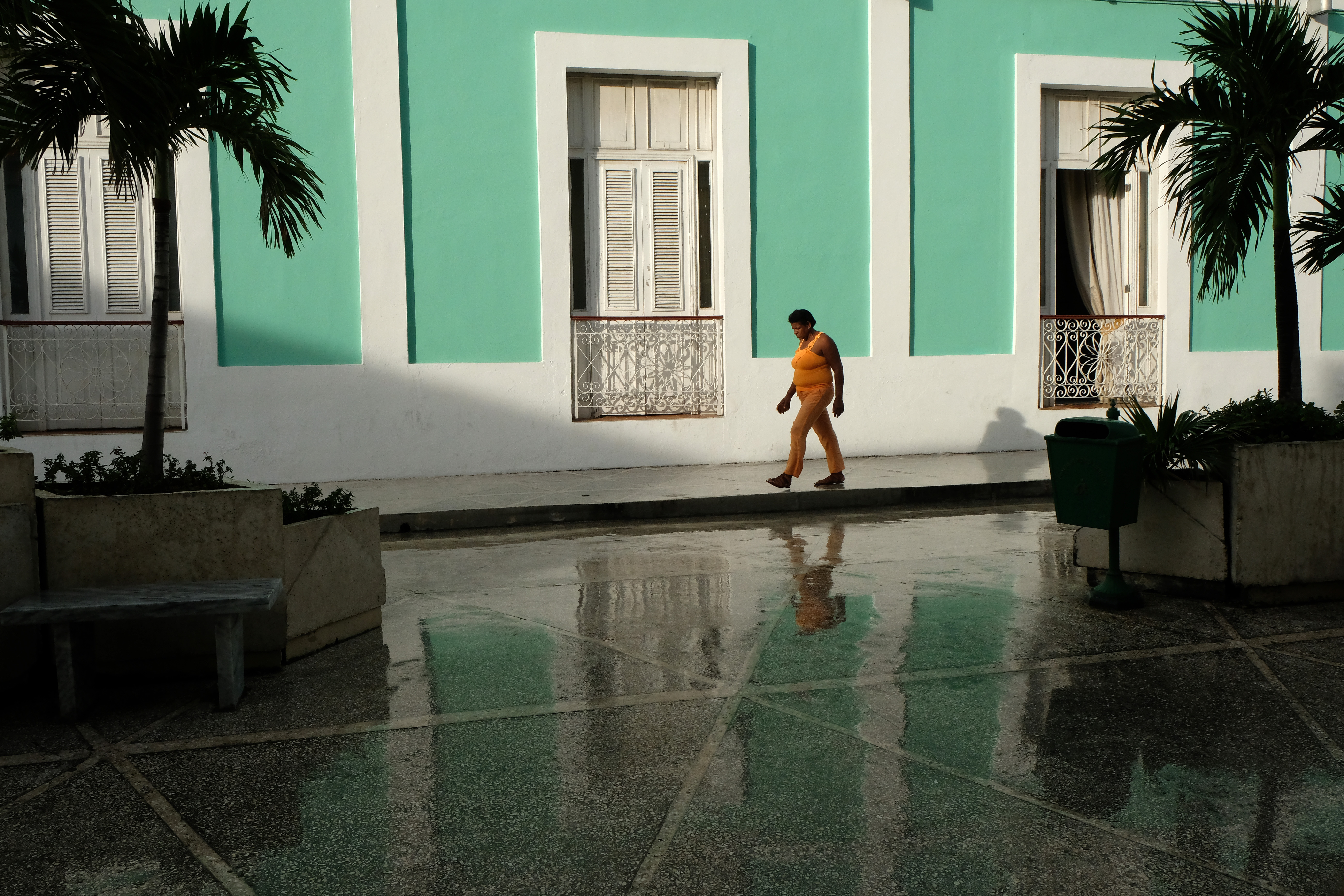
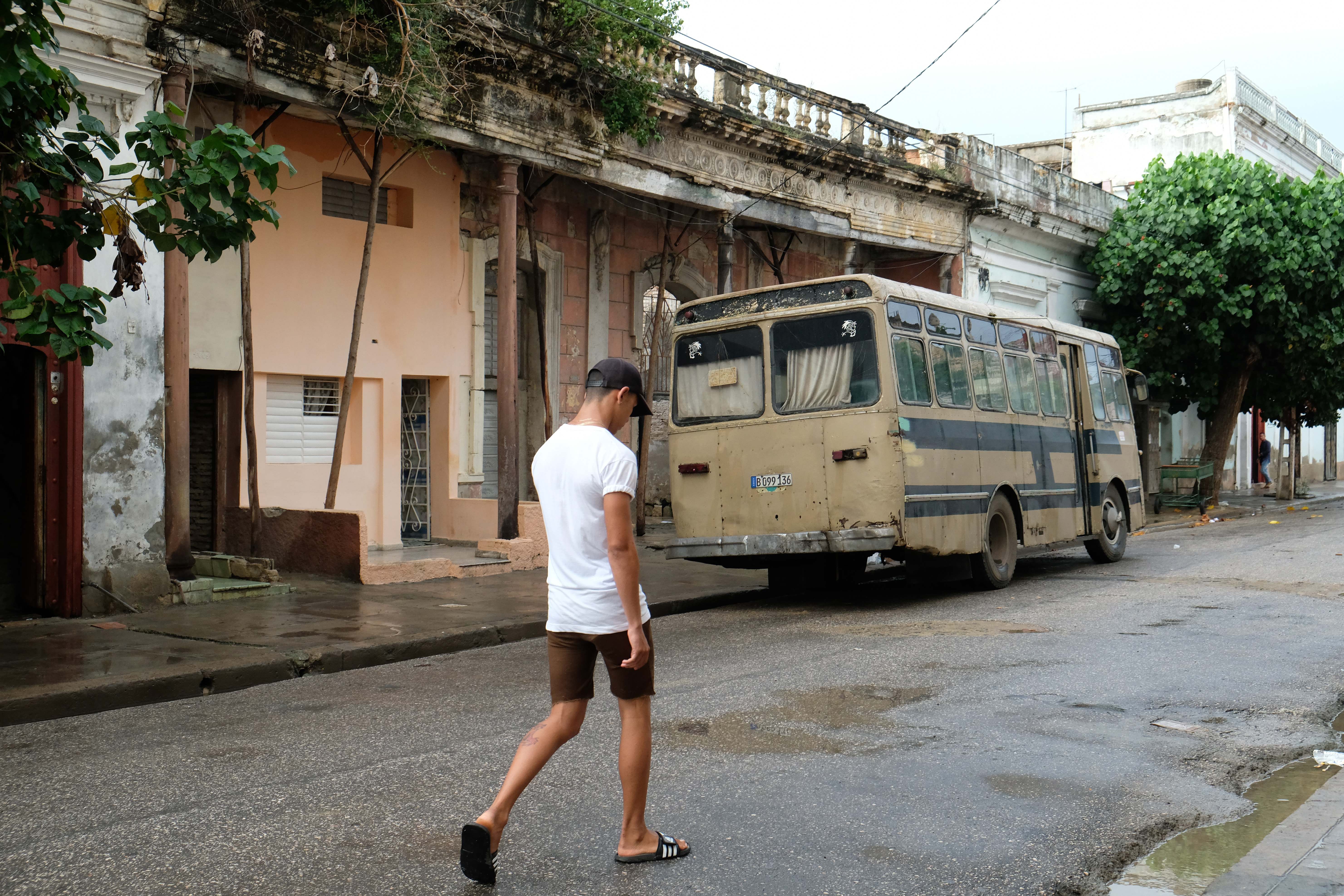
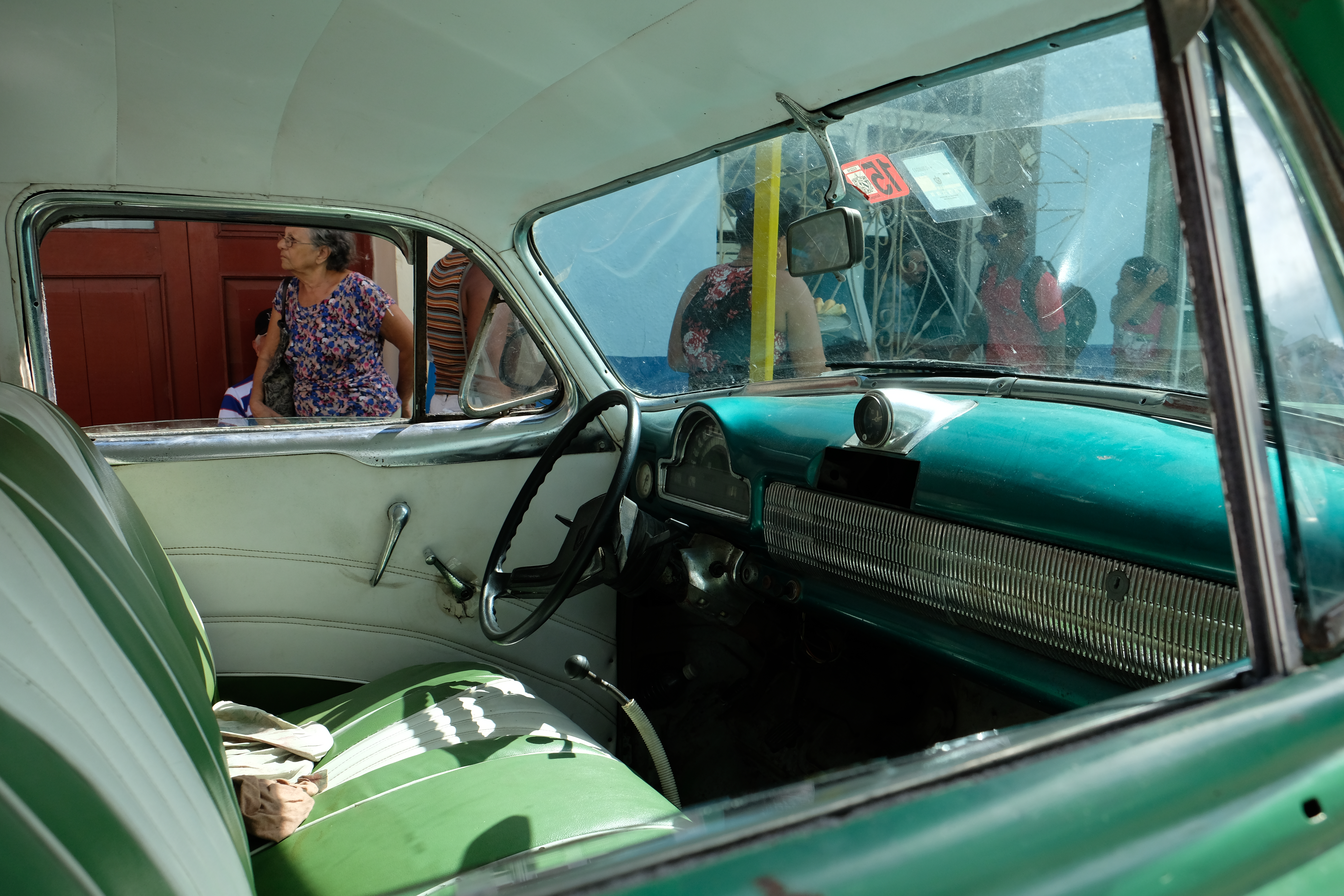
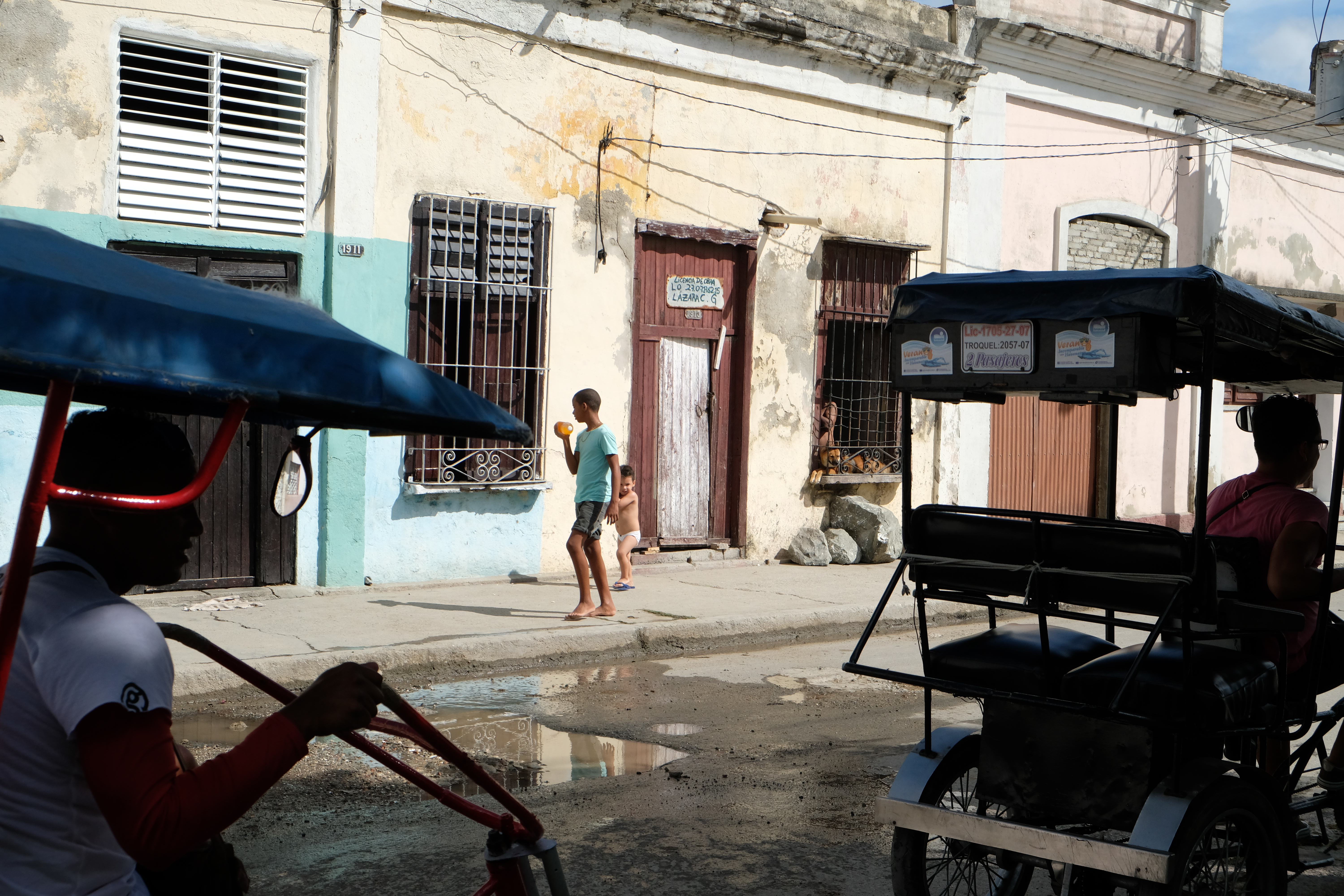
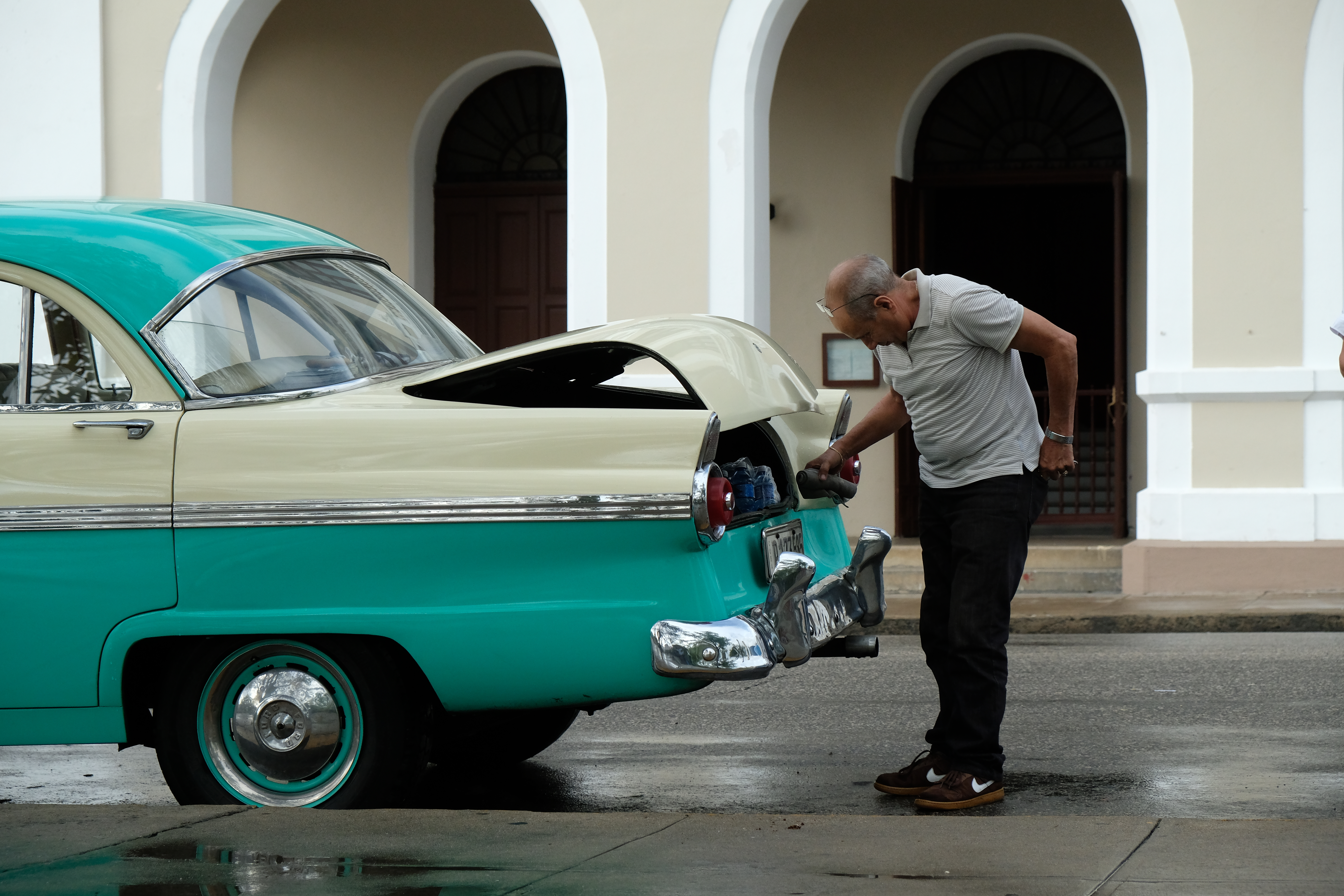
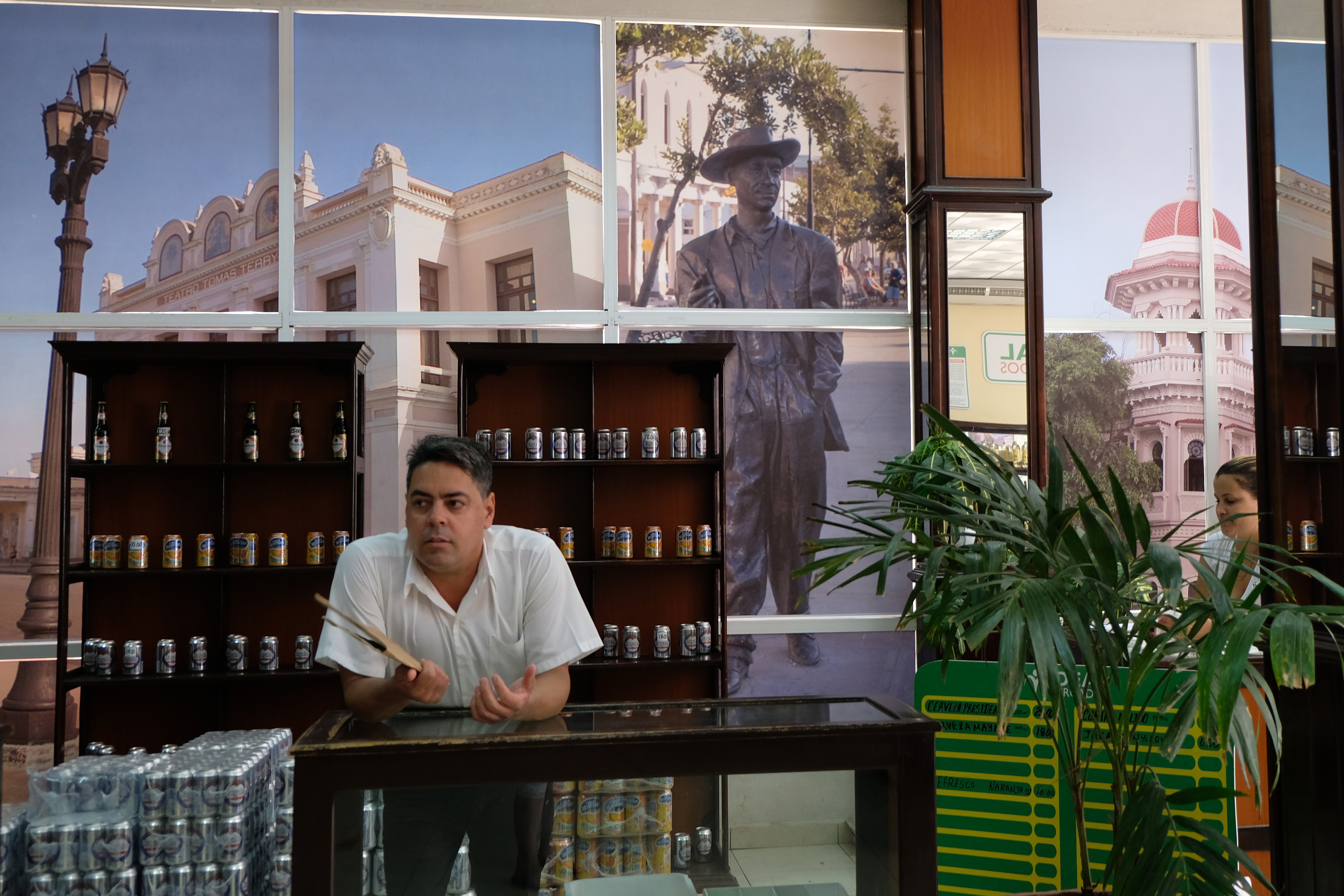
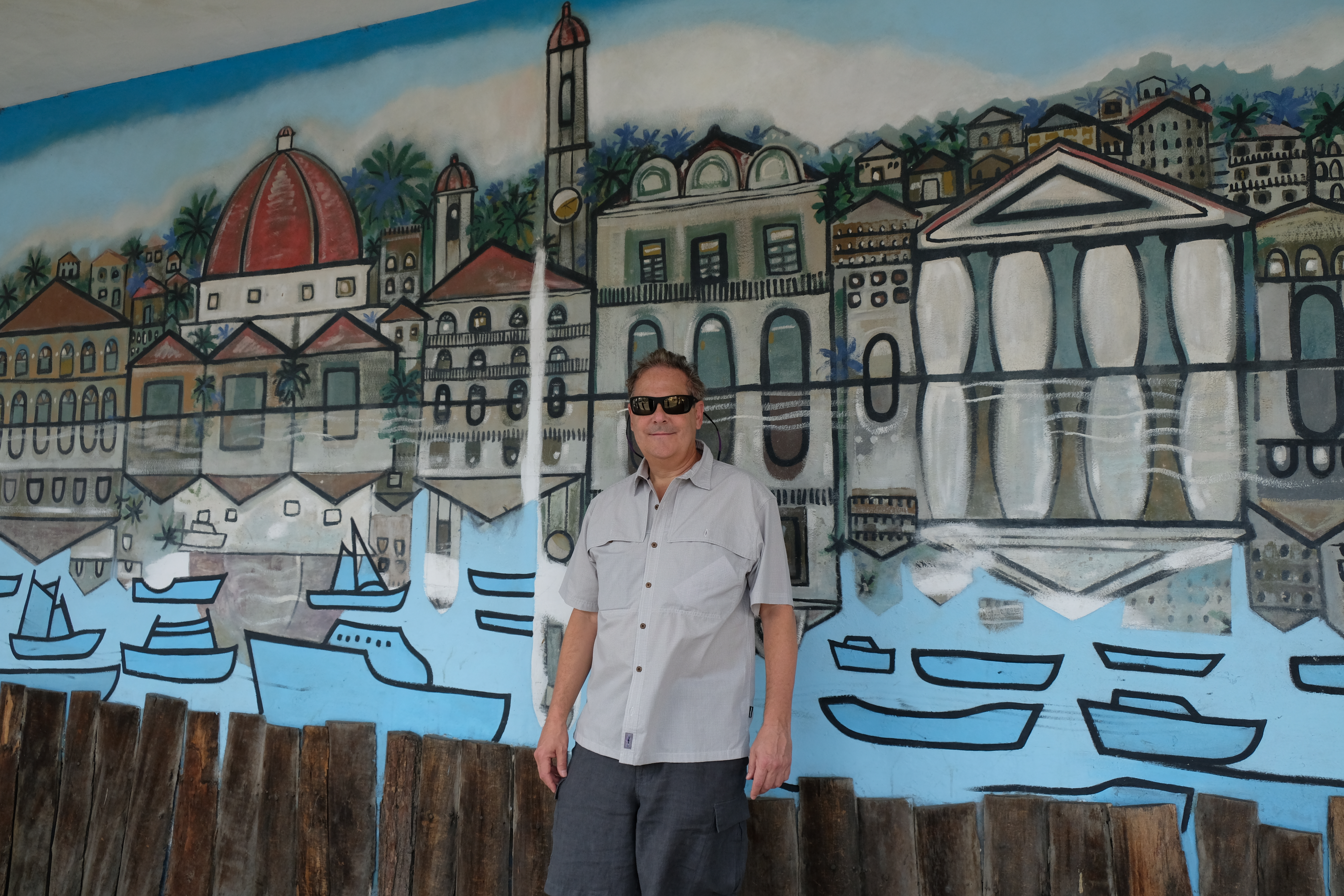
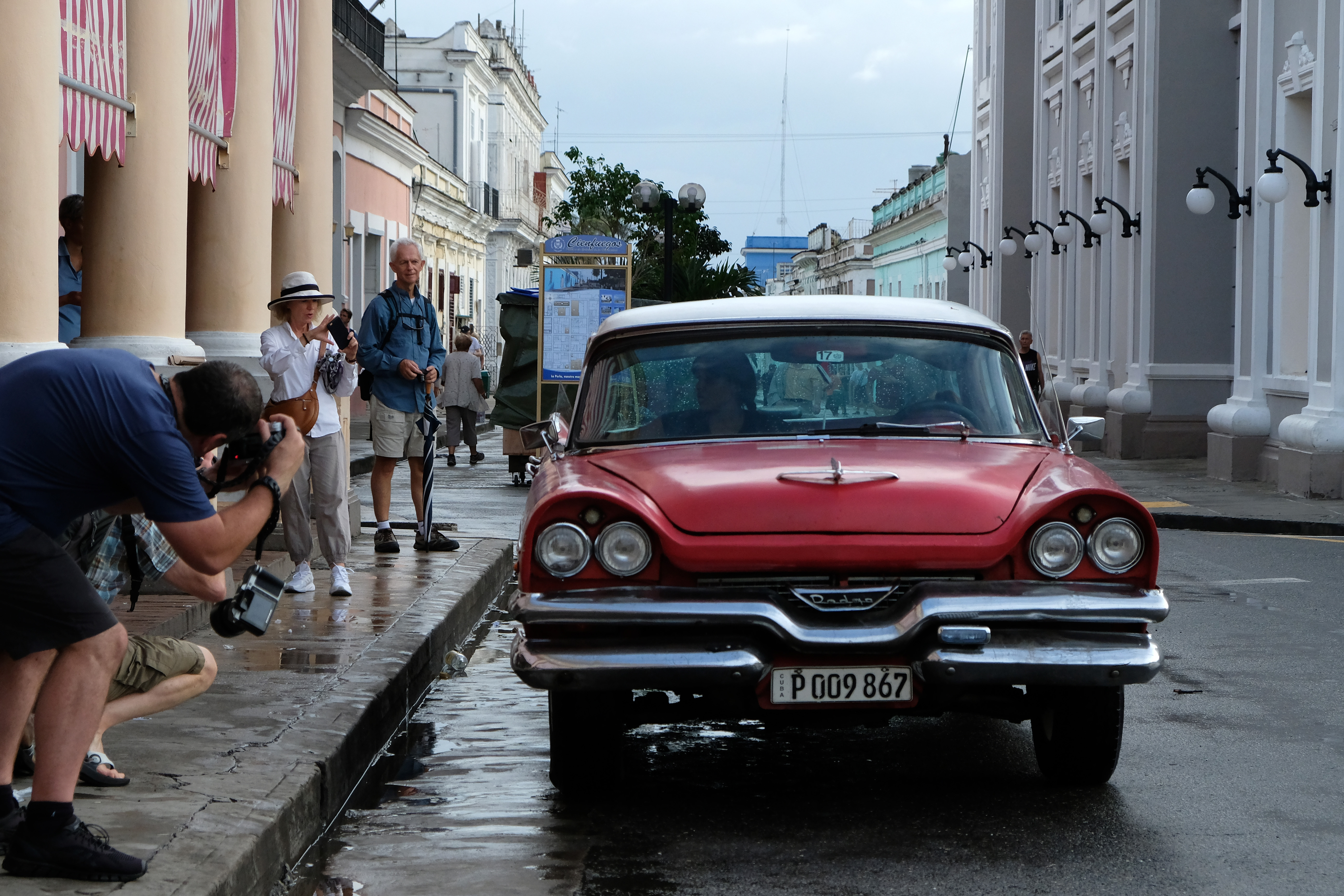
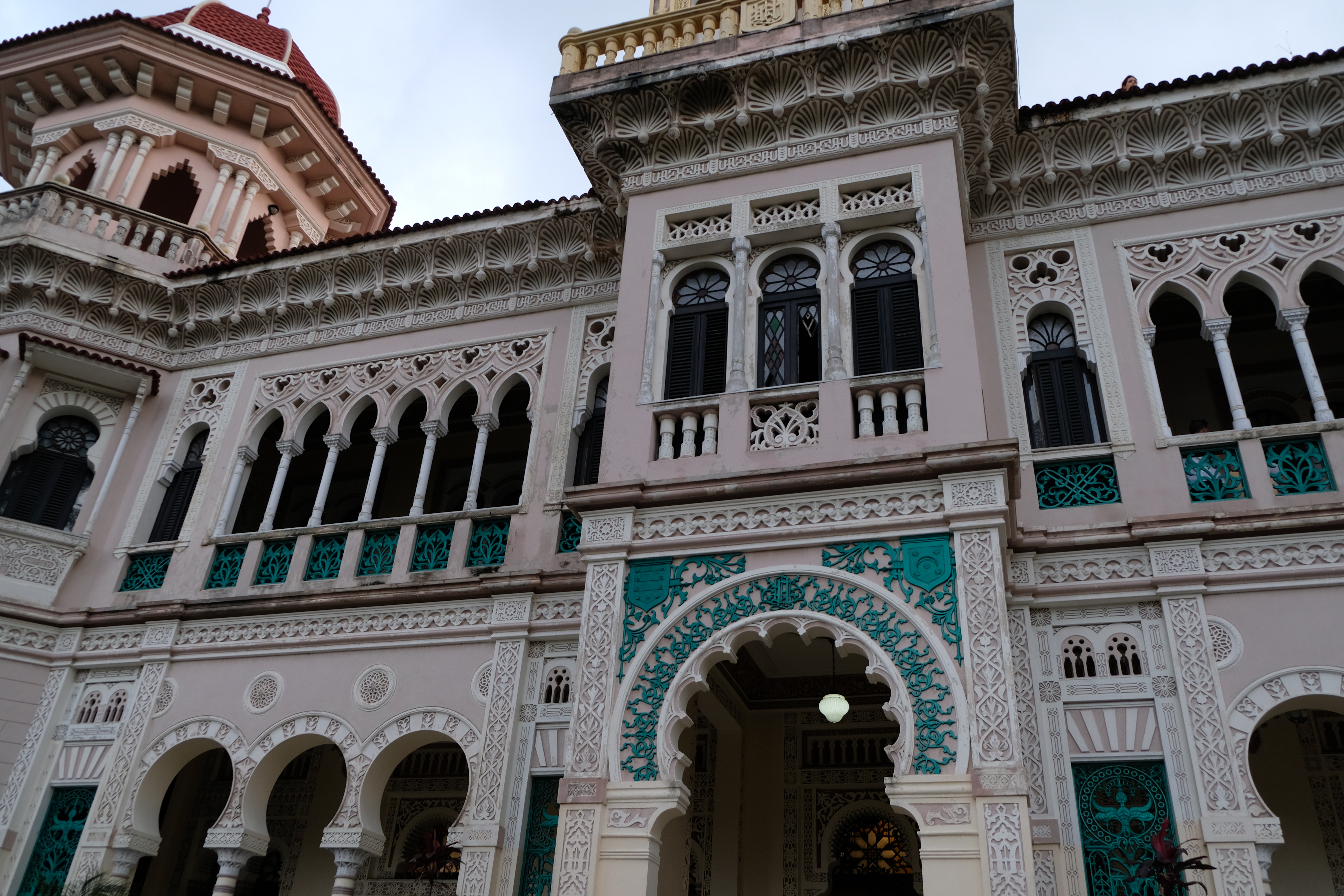
Cienfuegos is the only city founded by the French, the remainder of Cuba founded by the Spanish. It is lovingly nicknamed “Pearl of the South.” A UNESCO World Heritage Site, Cienfuegos city is known to have the most beautiful villages in Cuba. It is the only town in Cuba with strong French historical roots and architectural influences.
Credit and debit cards issued by American banks do not work in Cuba. You will be hard-pressed to find an ATM, let alone a working ATM. So a trip to the island involves bringing cash to convert into Cuban pesos. The official exchange rate for dollars is .873. For $100 USD your will receive 87.30 CUC. The rate is set by the Cuban government and remains the same everywhere. You cannot acquire CUC outside of Cuba before arrival and cannot trade it on the international market after your trip.
Cellphones and internet has vastly improved, but at times are slow and unreliable. Internet is limited to hotel lobbies and public wifI hotspots scattered throughout the major cities. All the major cell phone companies now have roaming agreements in Cuba but rates are high. When Mark called AT&T before we arrived, their advice was to put our devices on airplane mode during our stay.
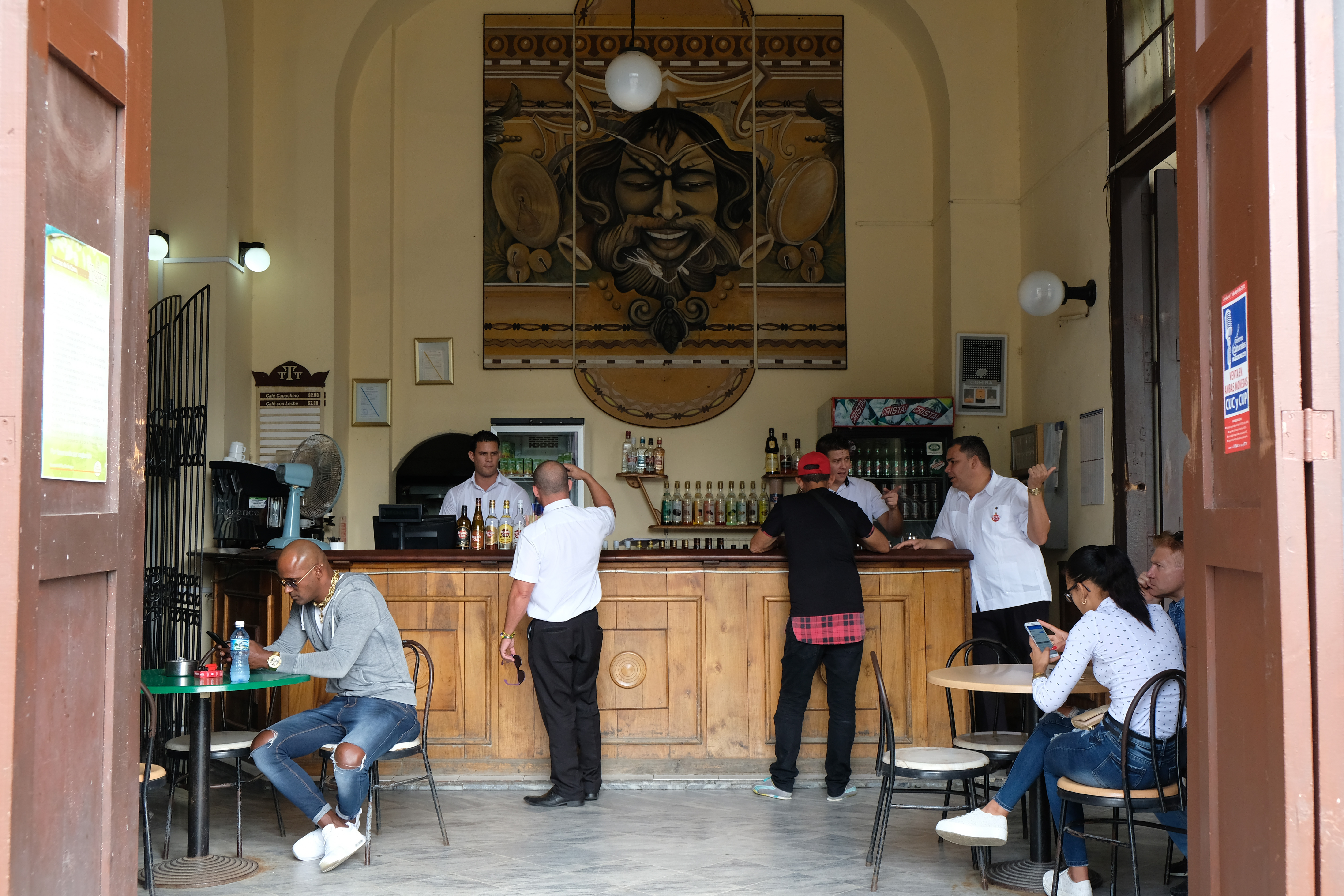
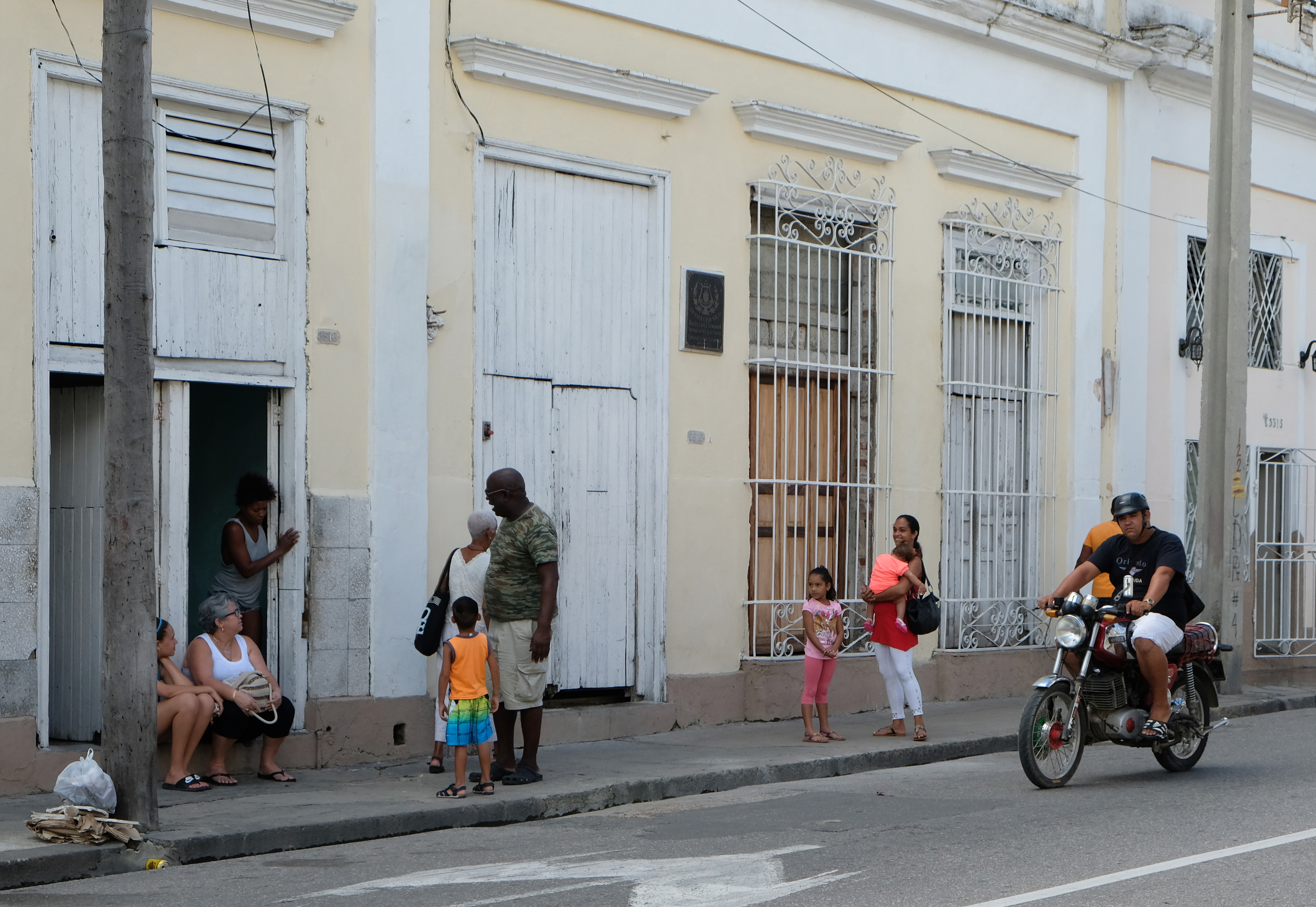
Tipping in the service industry is expected and appreciated. Government salaries are low and many people survive on the tips they earn. The average salary in the state sector is $20 per month. Most people cannot and do not survive on $20 a month. Average income in Havana, which is the result of tips, work on the side, black market activity and other ways of “getting by” as Cubans say, is closer to $100-$150 per month.
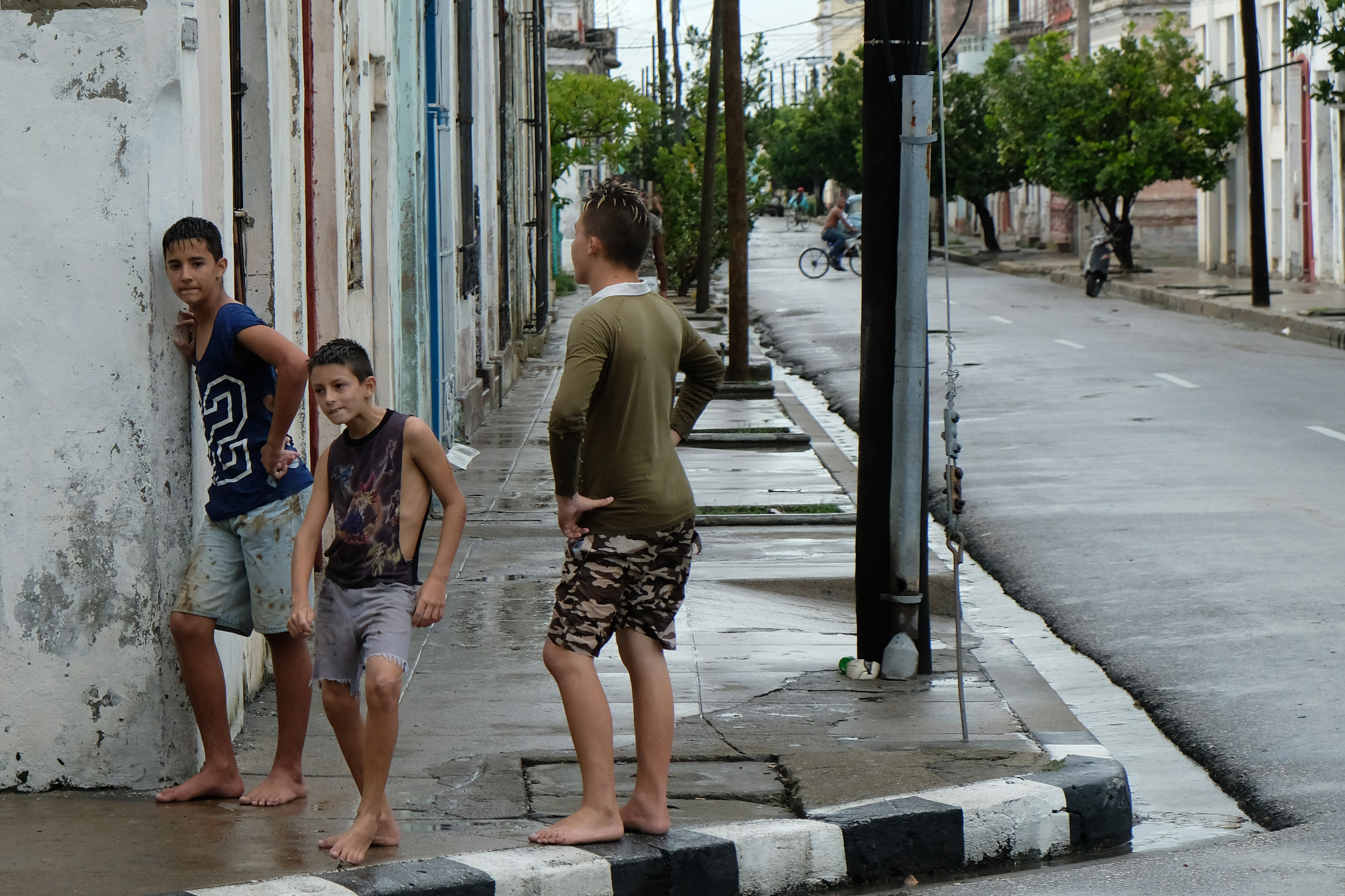
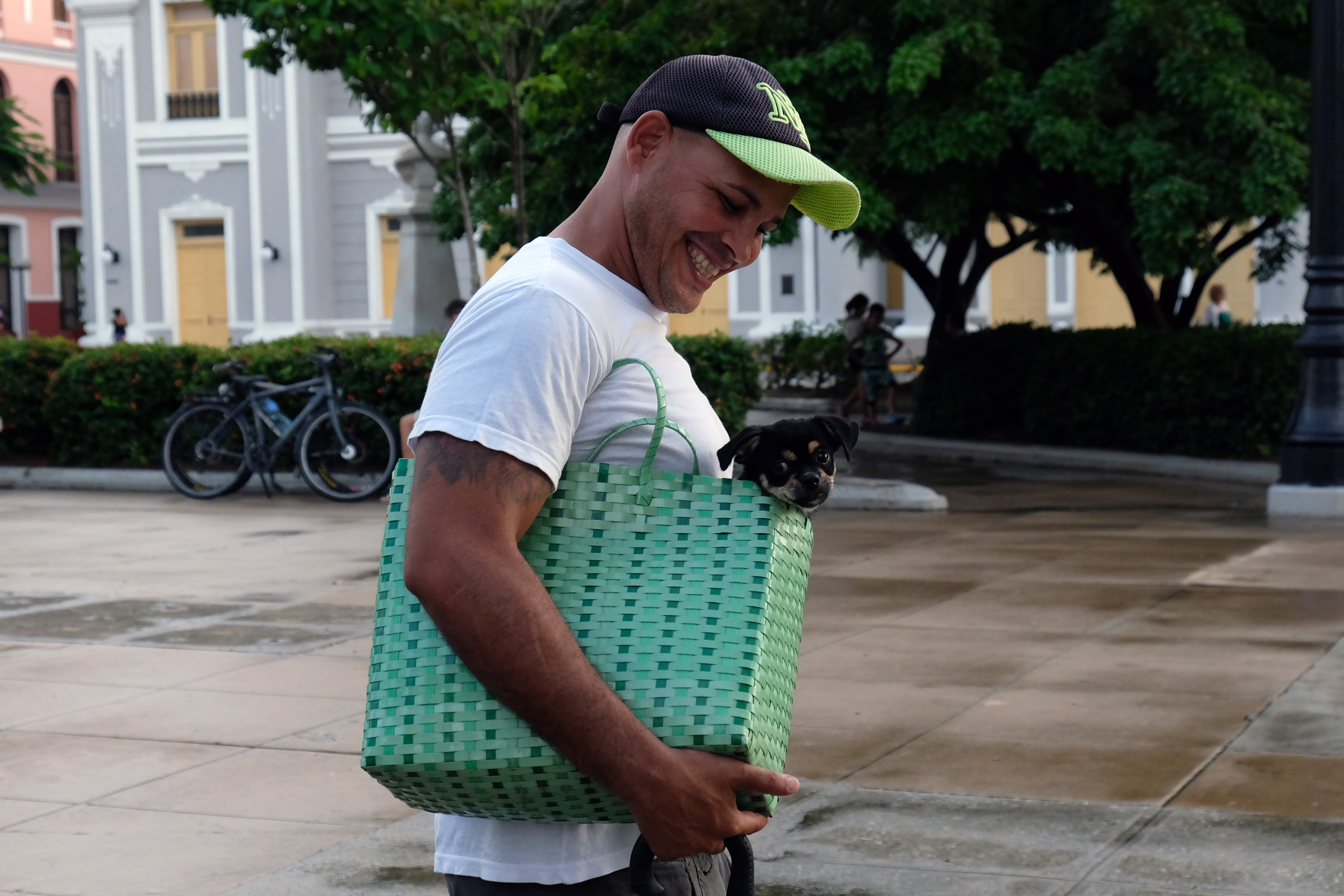
There are reminders of Castro and Che everywhere.
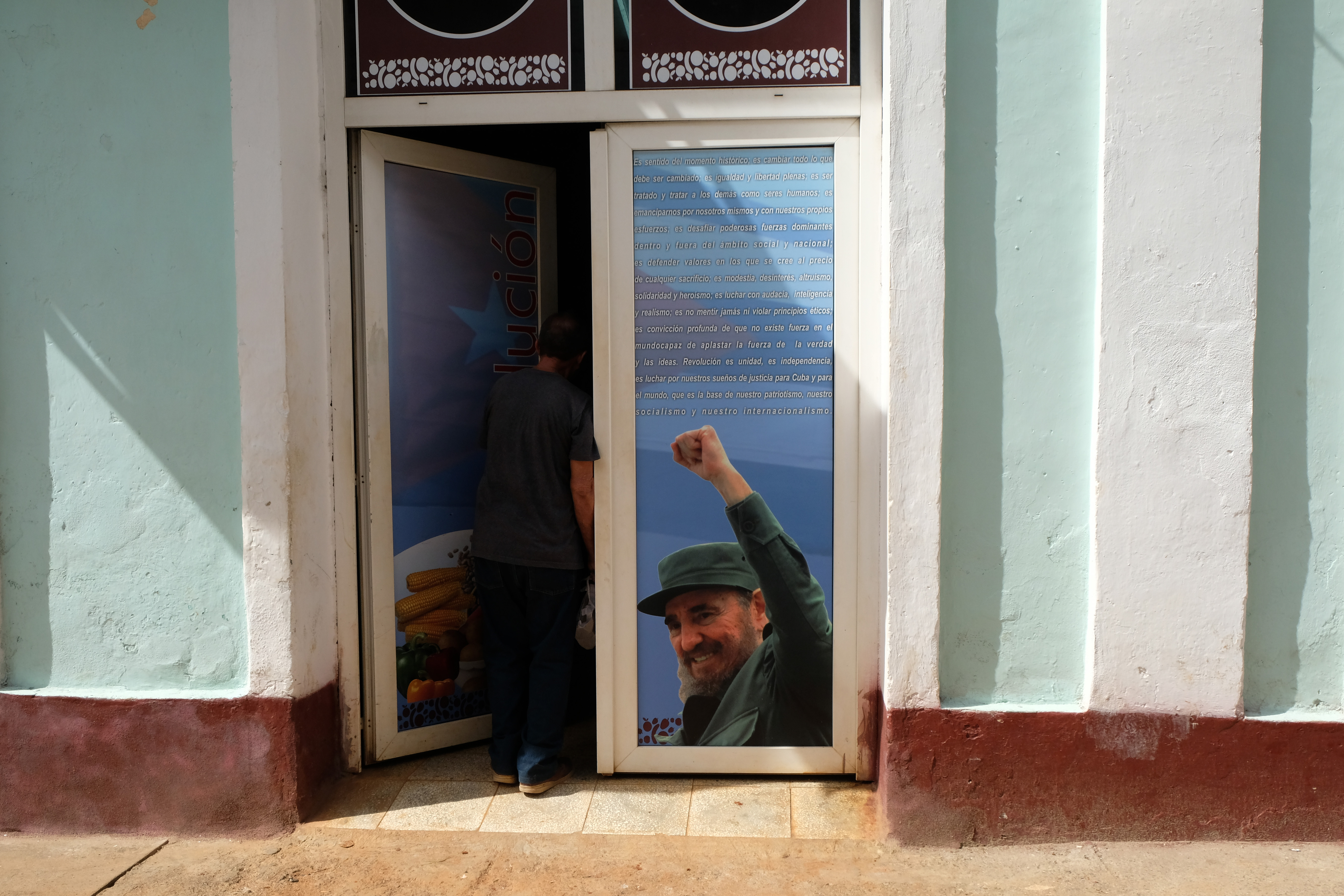
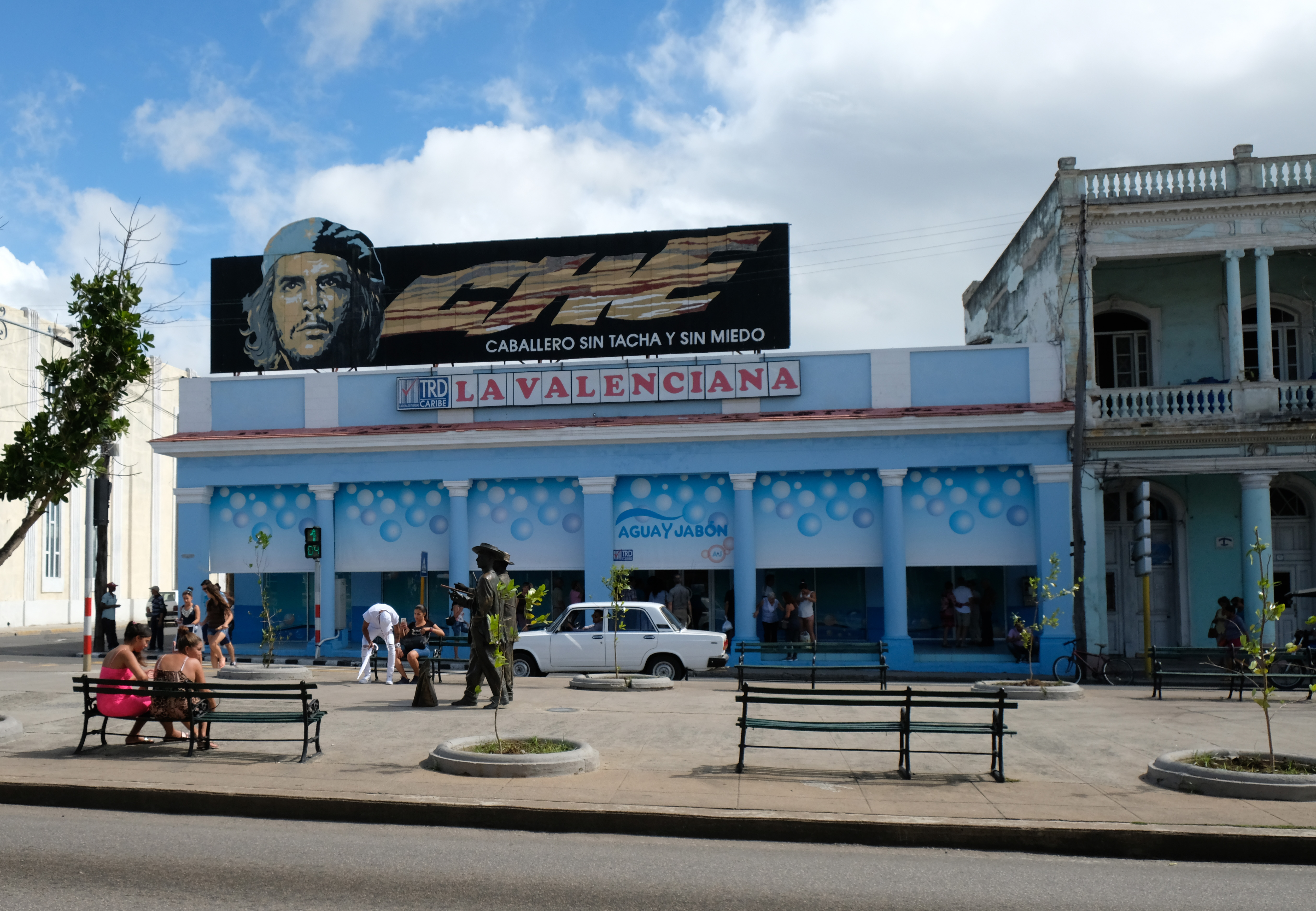
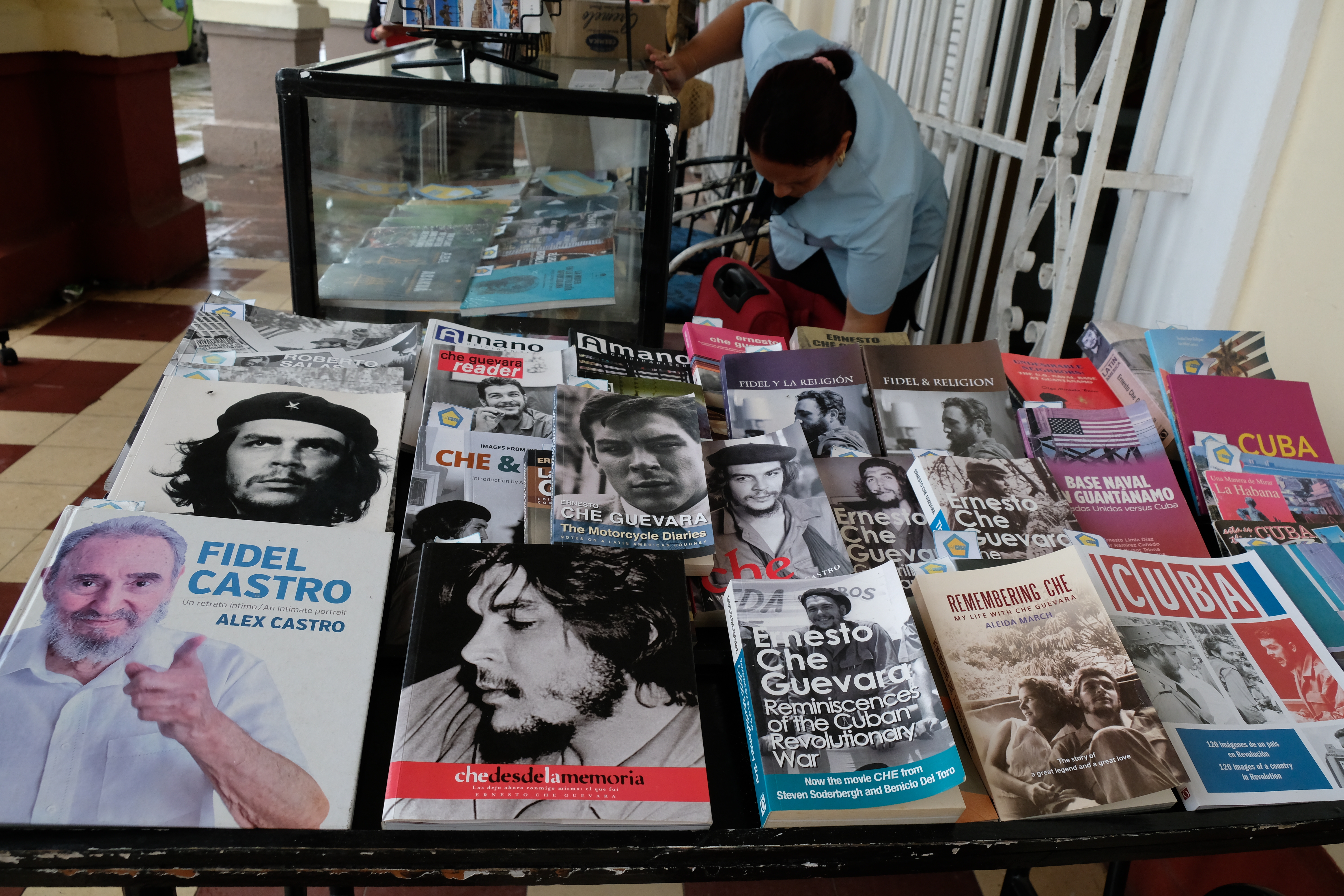
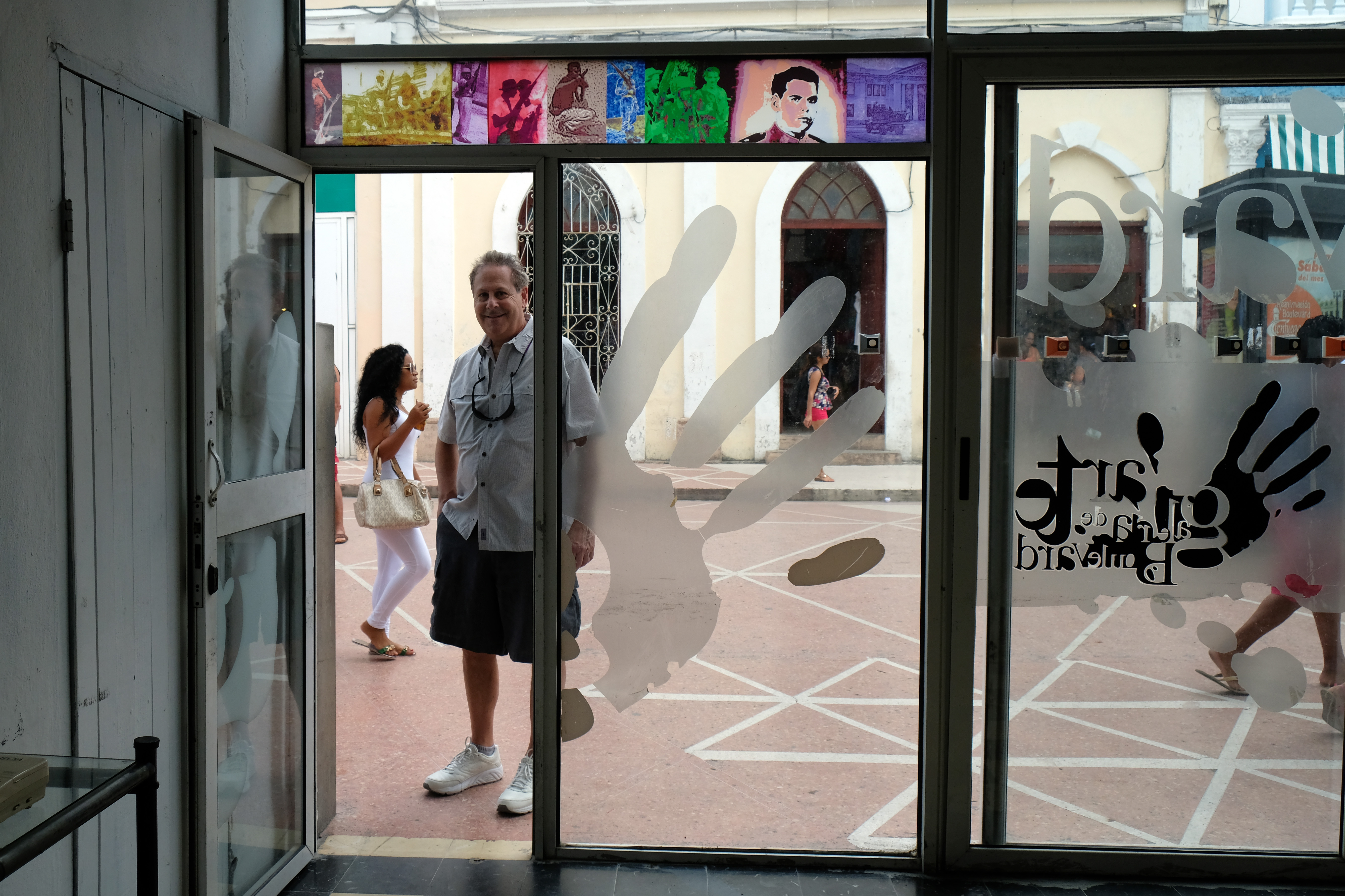
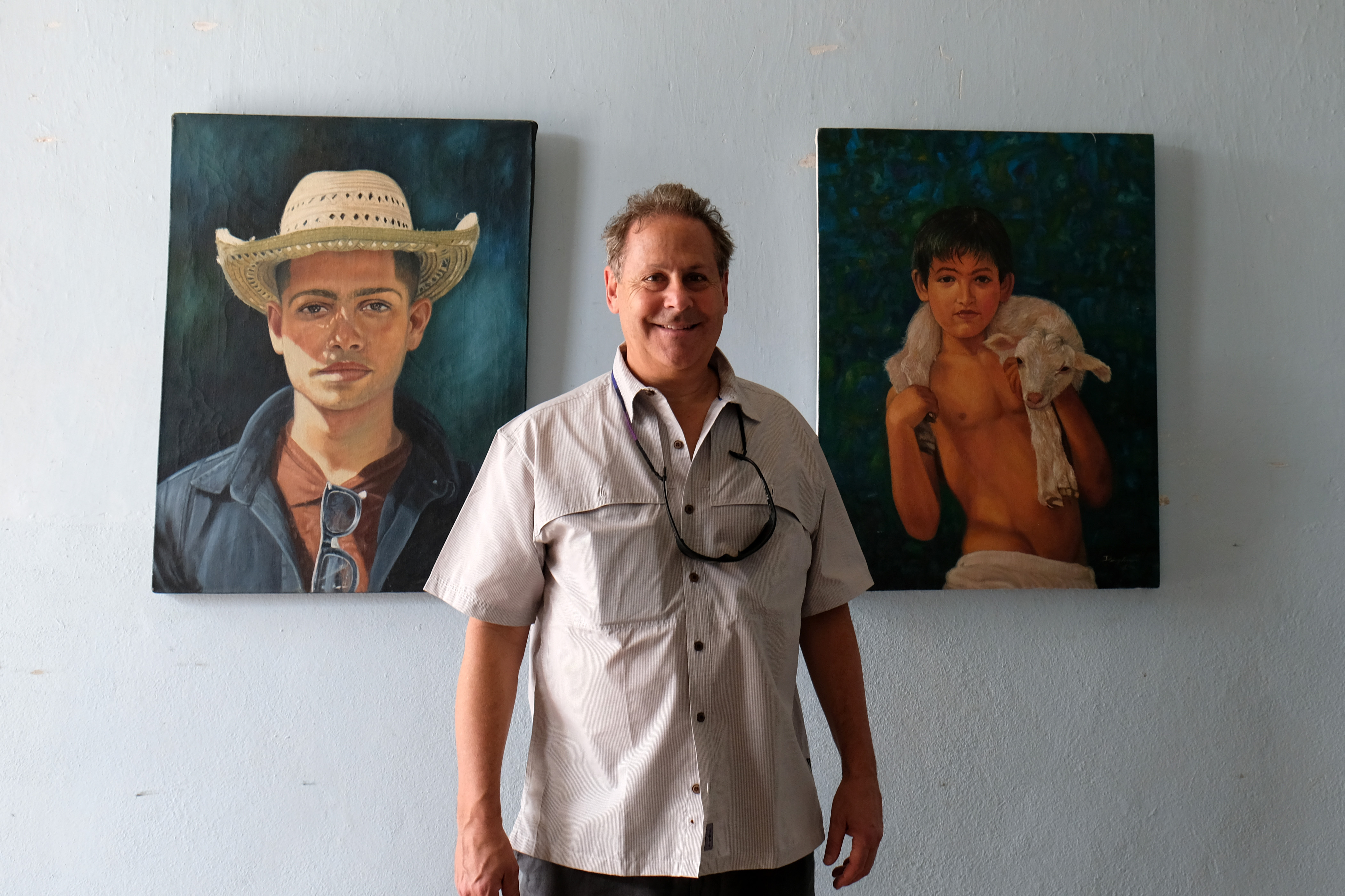
While we were in this art store, the solitary salesperson asked if we were interested in good cigars at good prices. We were intrigued. He called a companion to watch the store as he led us down the street to the government-owned cigar and rum store. We went in to check the prices of Cohebas and Monte Cristos. The prices are the same at every store as they are set by the government.
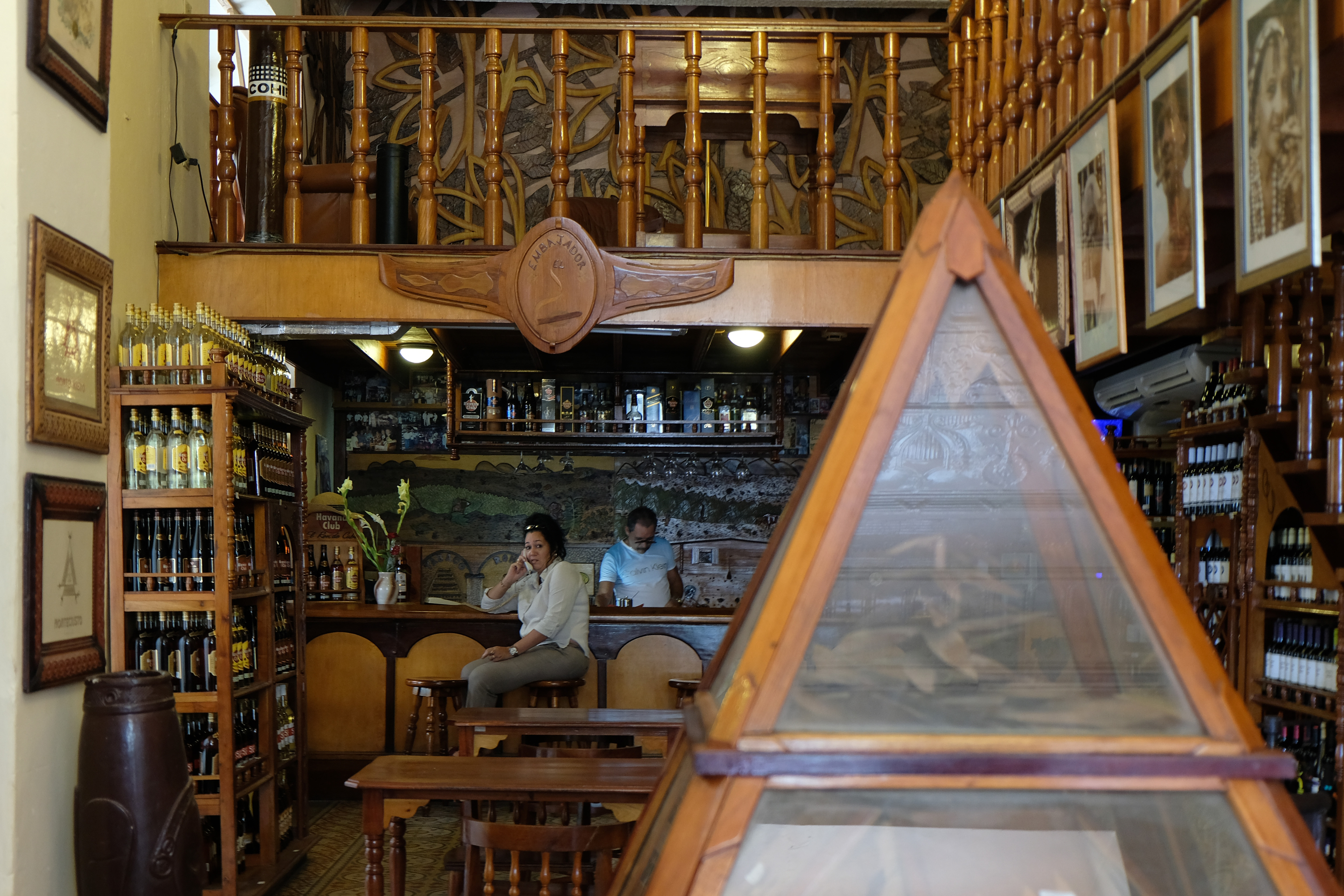
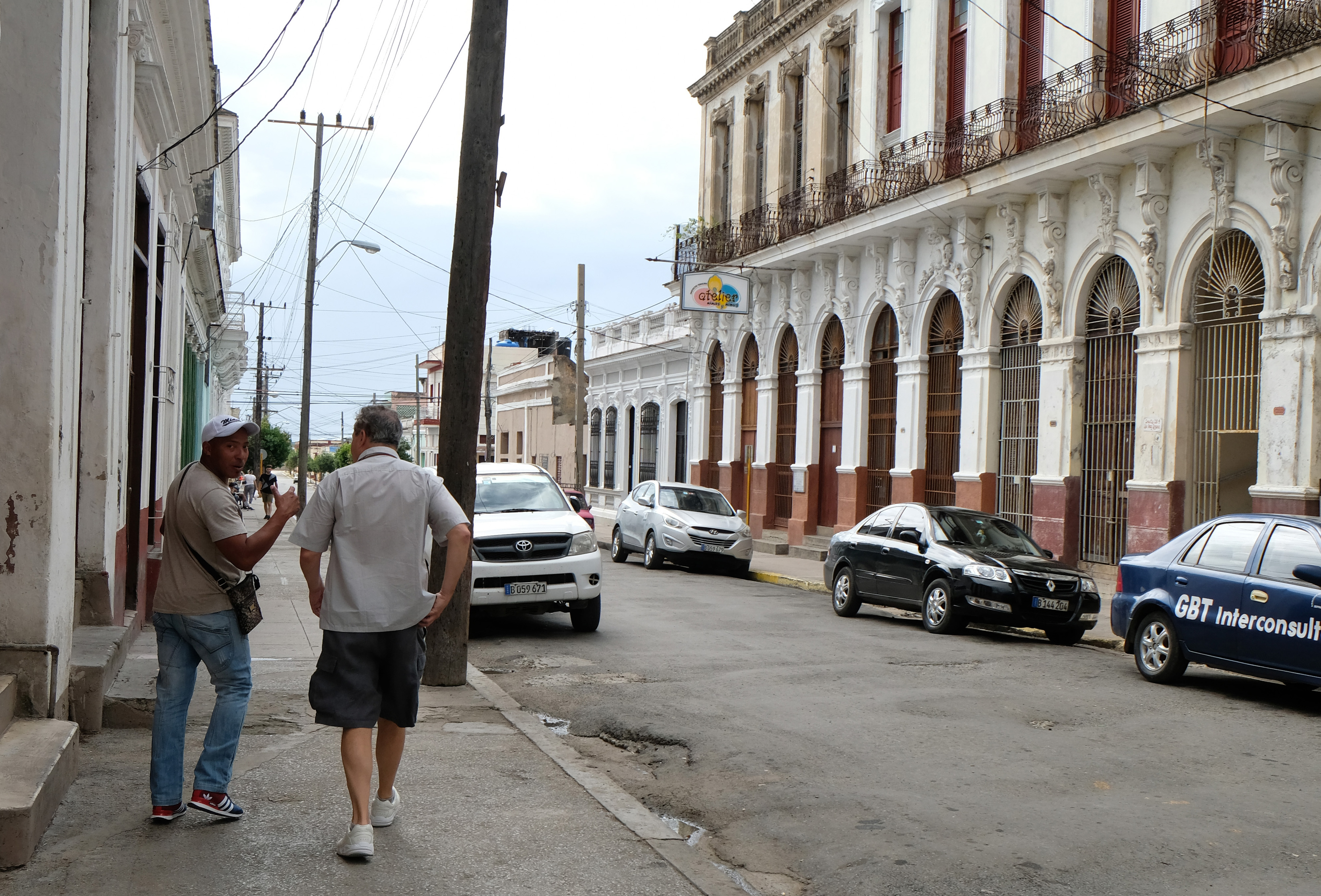
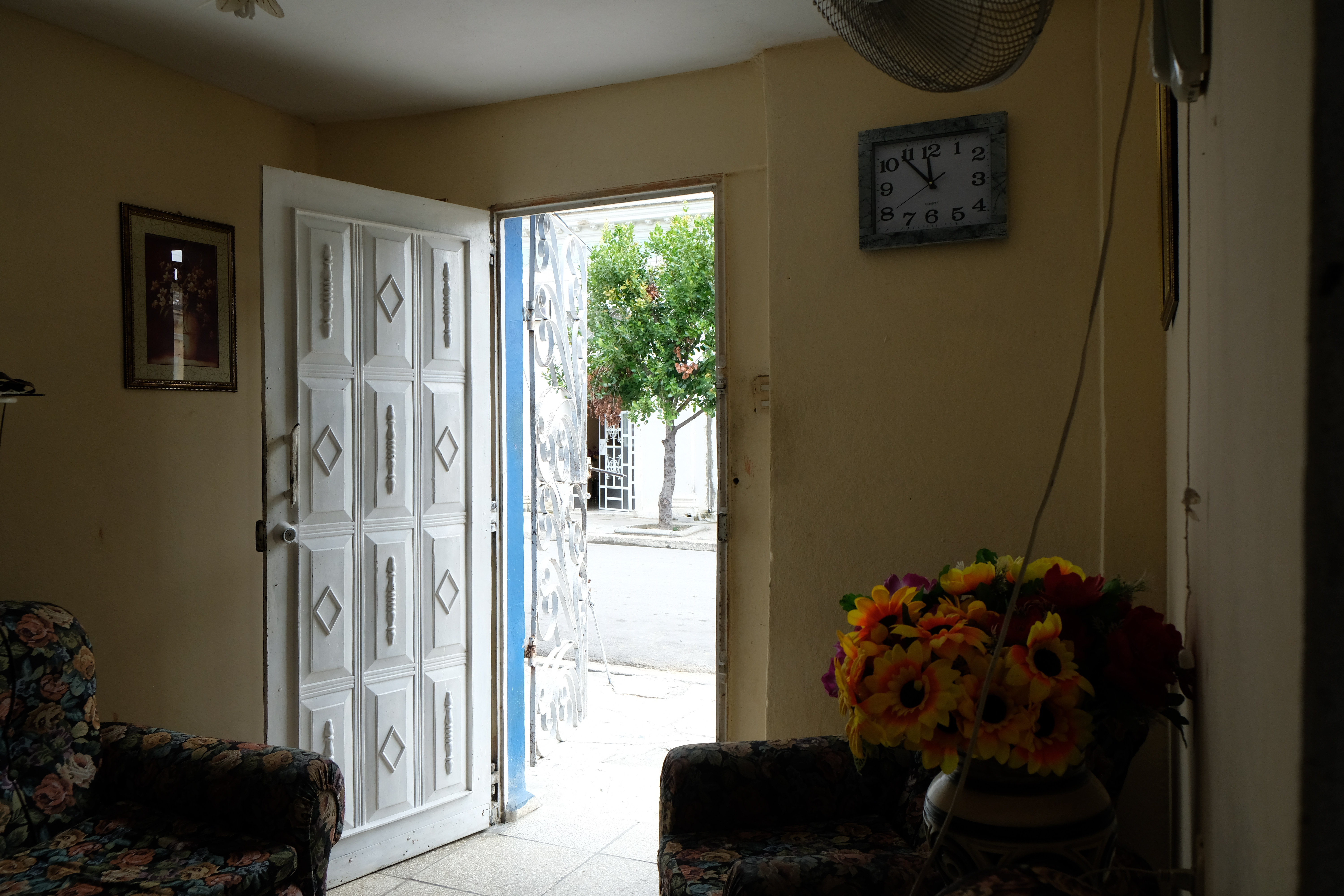
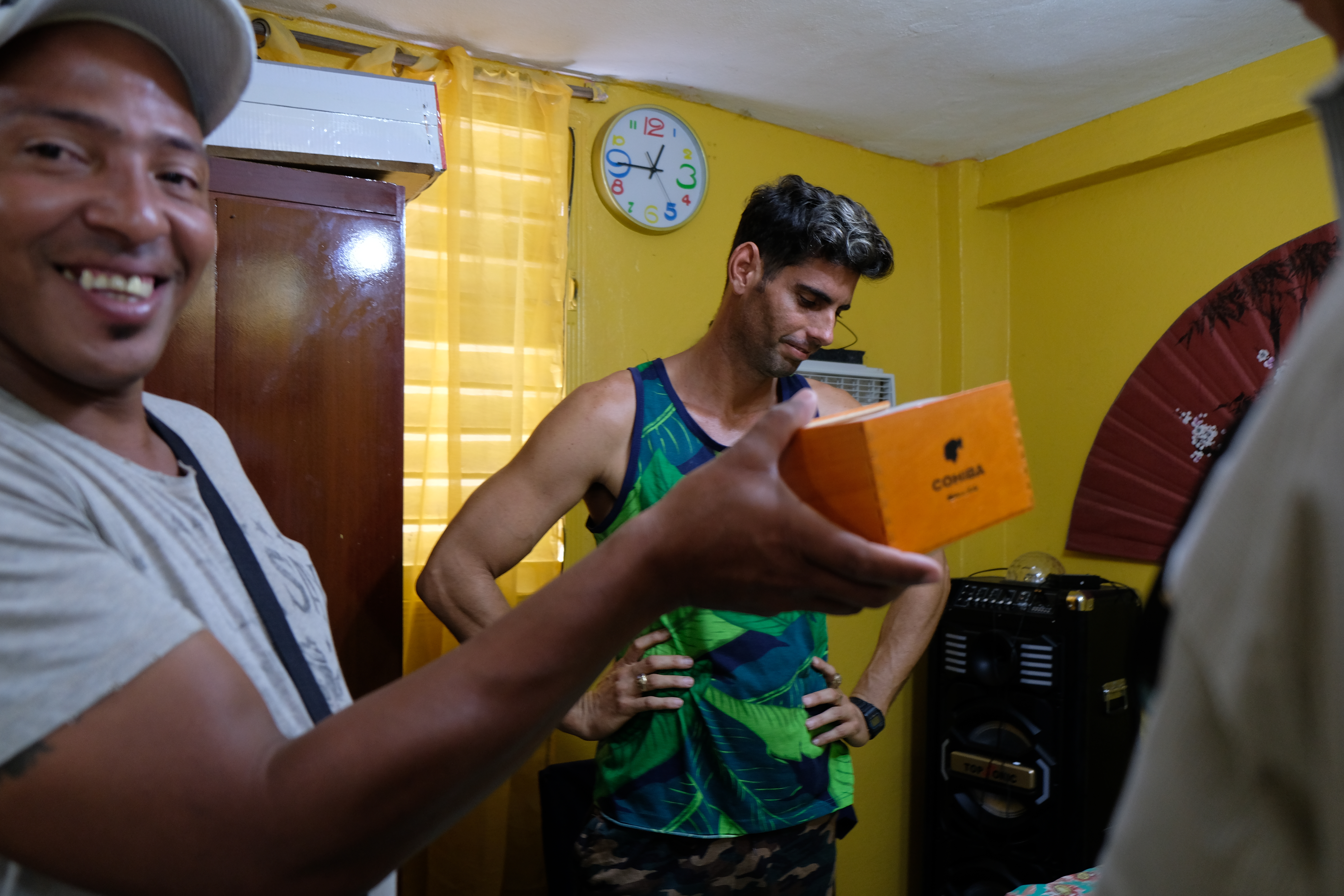
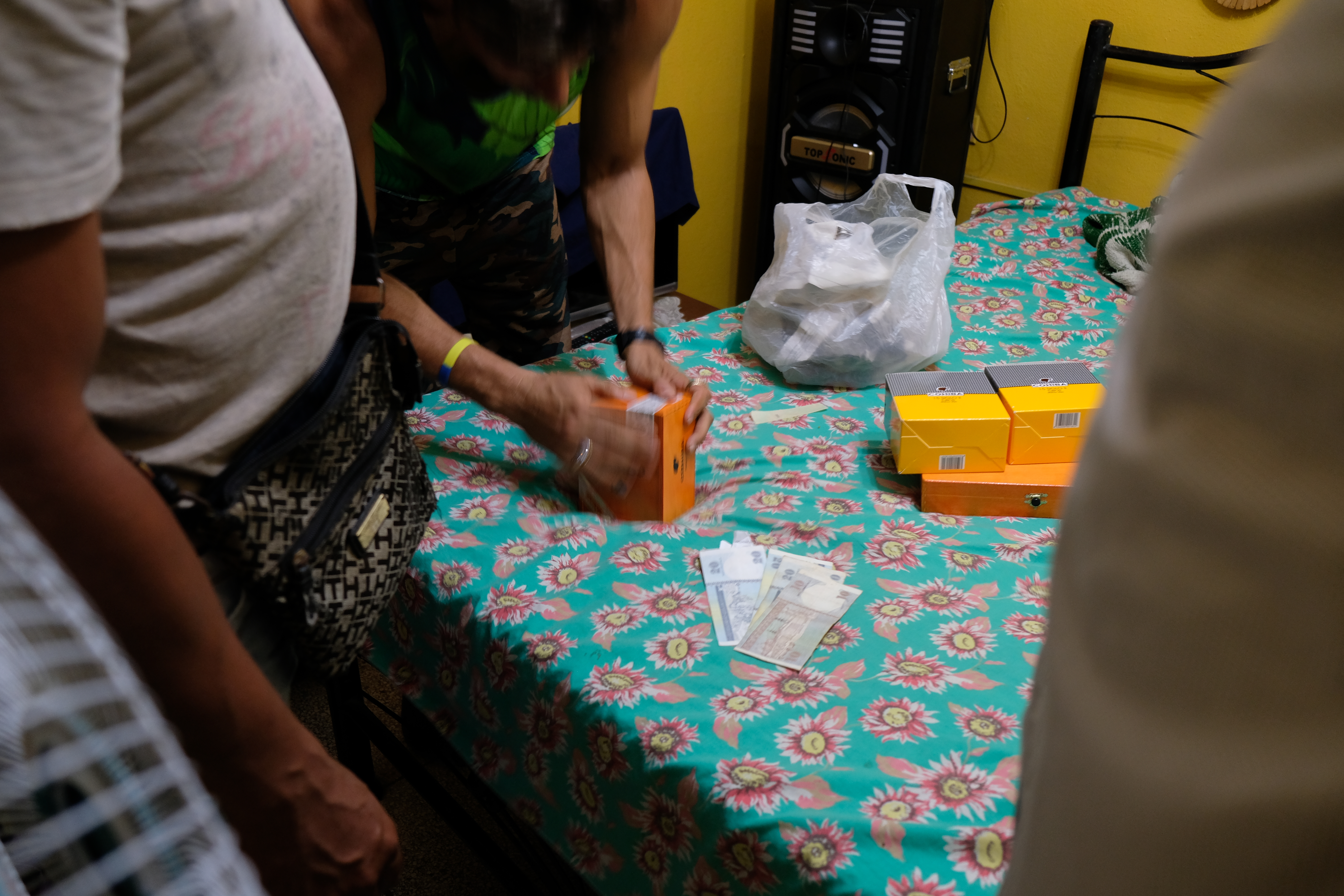
He then asked us to follow him down the street, stopping often to see if anyone was following. Street after street, turning at many corners, he kept promising “one more block, just one more block.” Mark is looking nervous and I am taking pictures of everything, thinking if they find my camera they will know will we are. Finally we enter a small house and head straight to a small bedroom where the bed filled most of the room. A guy, who was waiting for us, lifted the mattress where there were as many cigars as we saw in the store. We quickly chose the ones we liked, he boxed and sealed them, and we paid much less than the government-owned store prices.
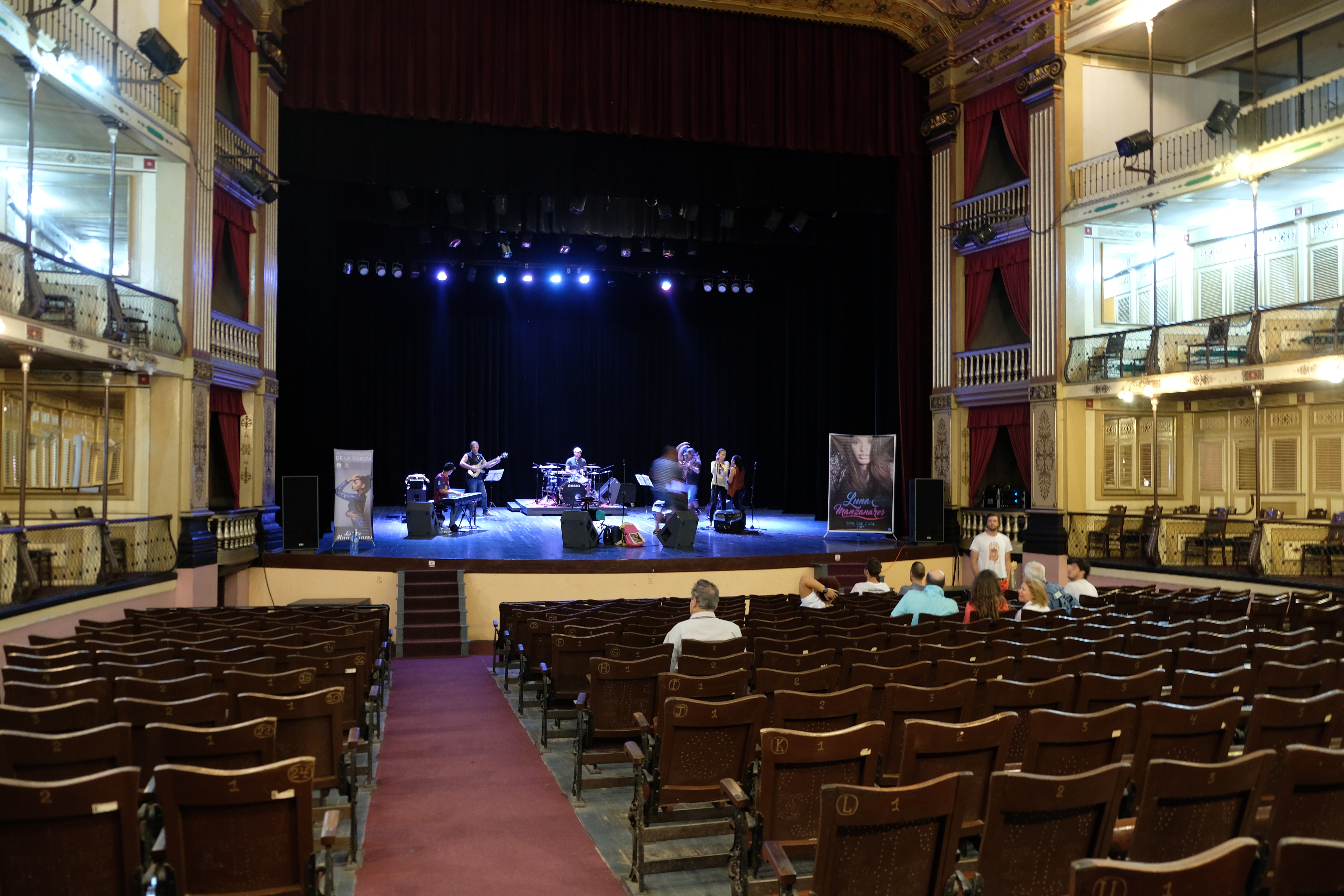
Although the city’s name means “100 Fires,” it was actually named for Don Jose Cienfuegos, the Spanish Captain General who approved a plan to settle French emigres in the area. Located 150 miles from Havana, the city prospered as a port for sugar and cattle. Today, the city forms two contrasting zones: the colonnaded central zone with its stately Paseo del Prado and graceful park and Punta Gorda, with its beautiful villas and palaces built by the moneyed classes in the 1920s.
Leave a Reply