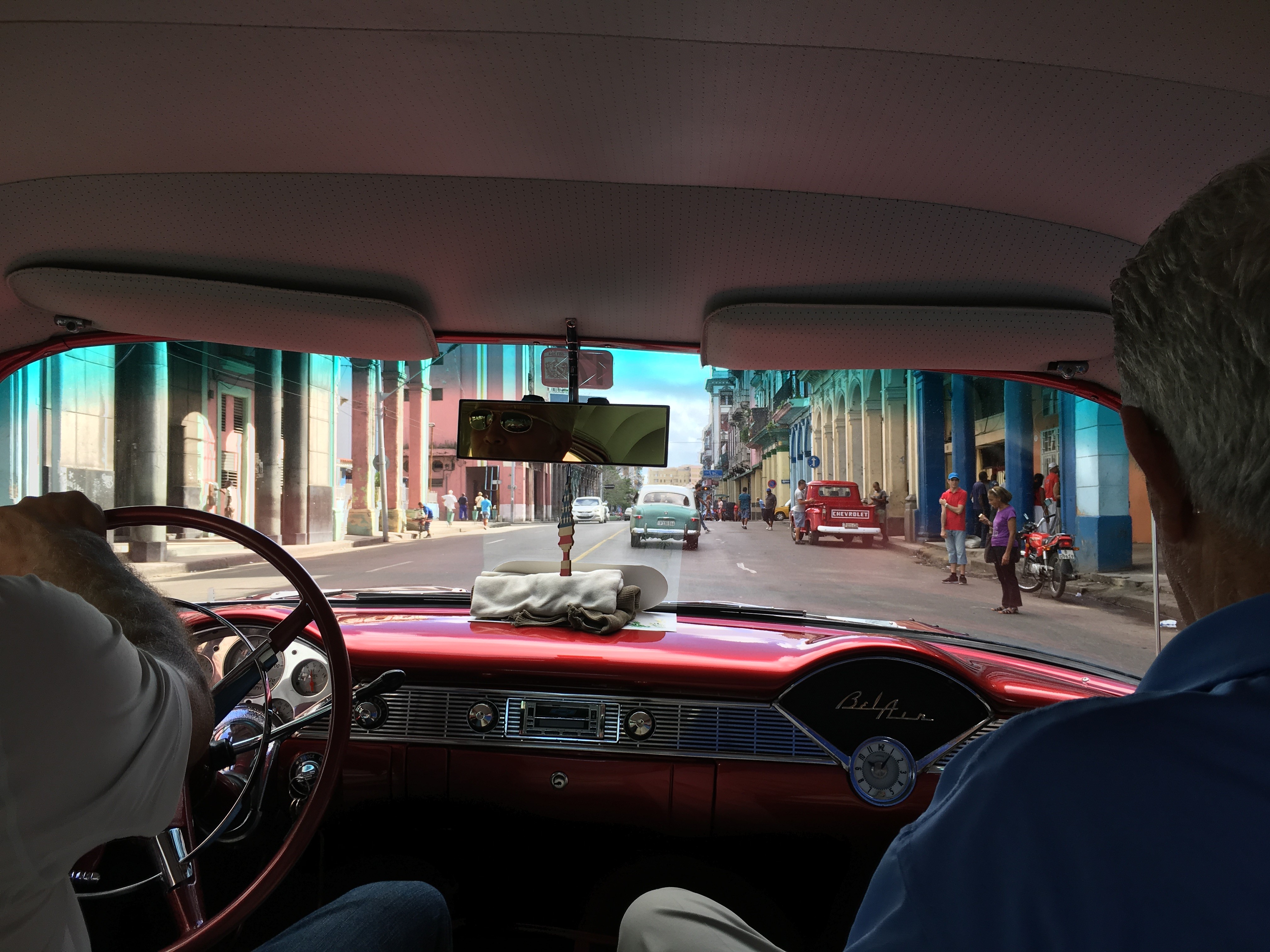
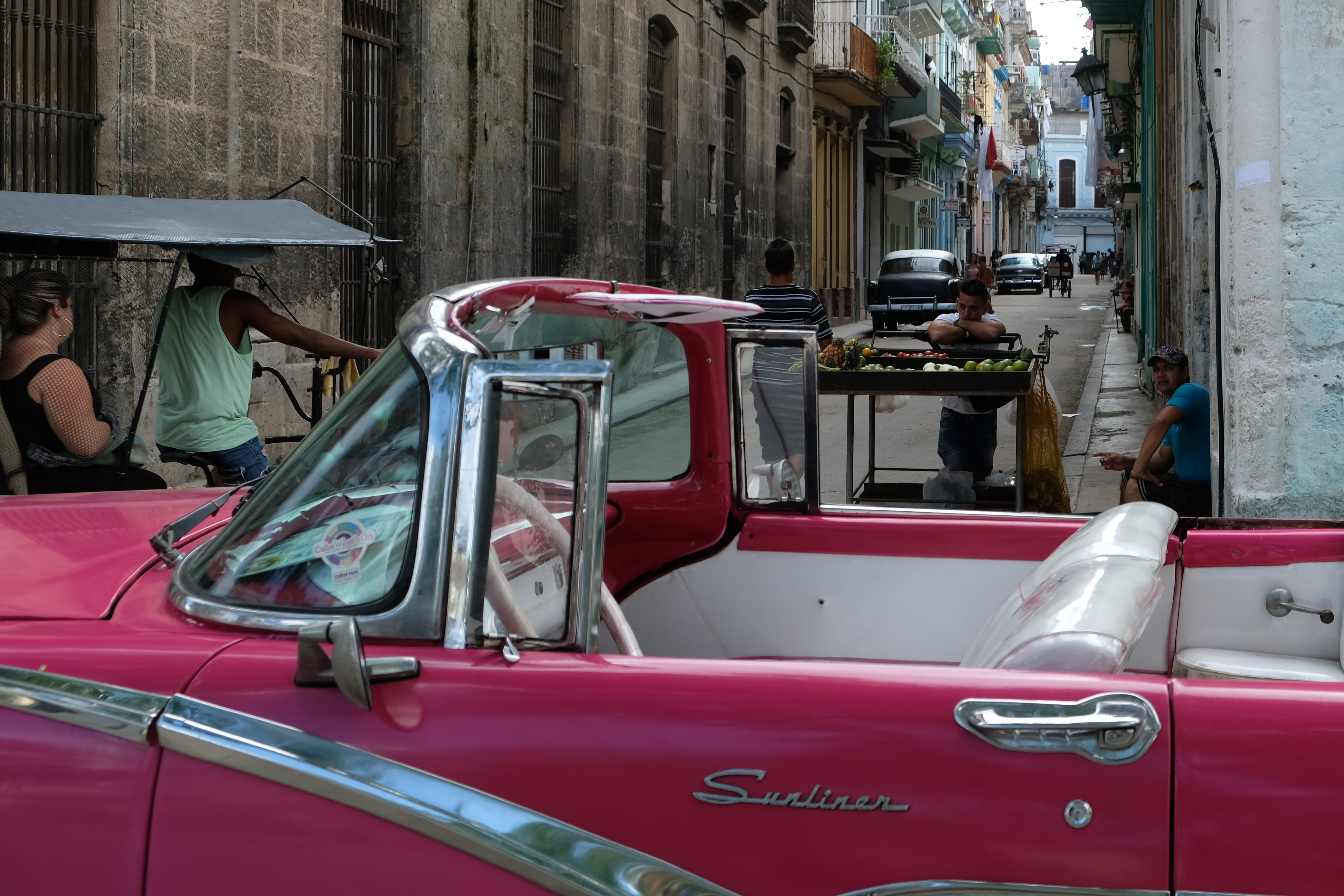
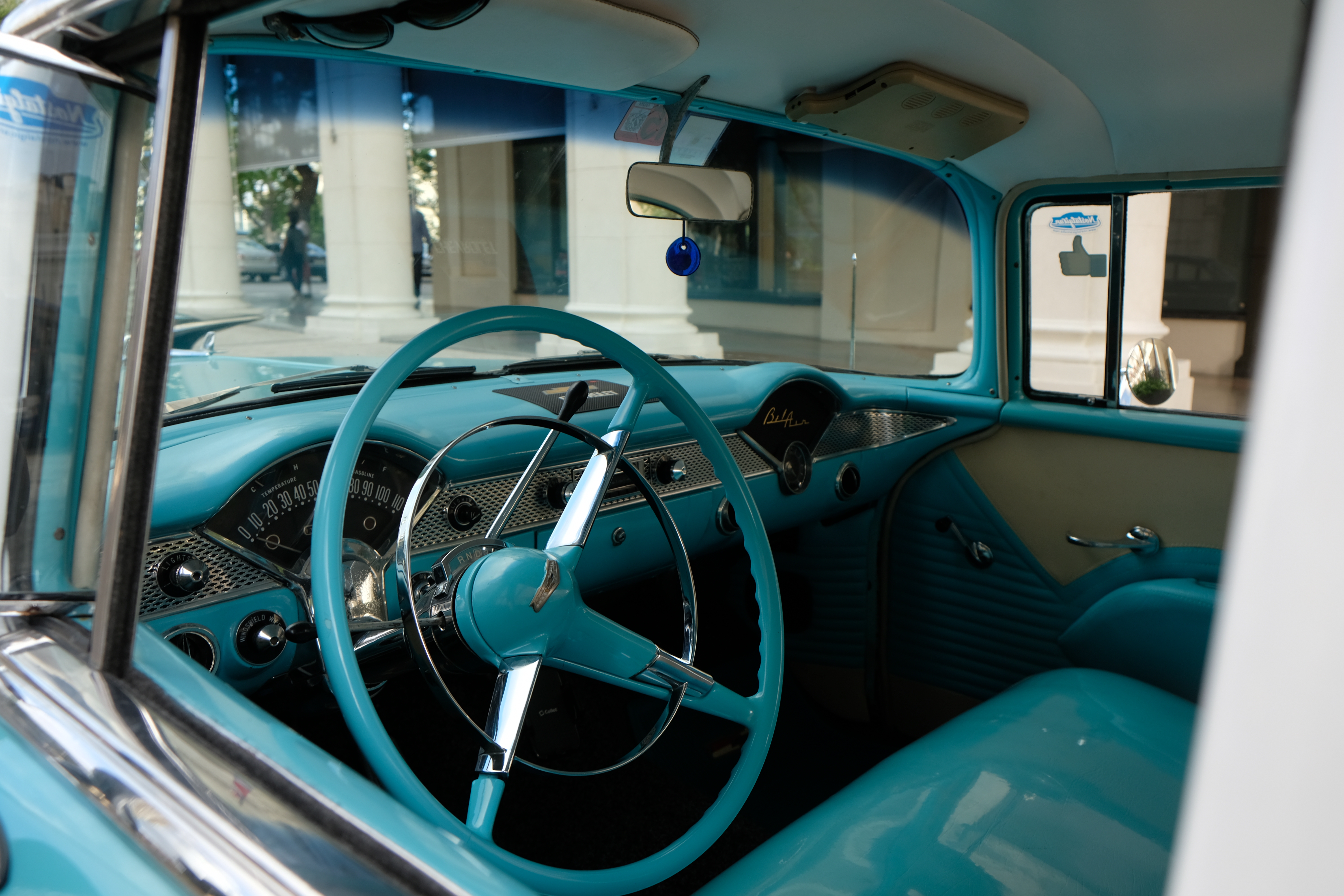
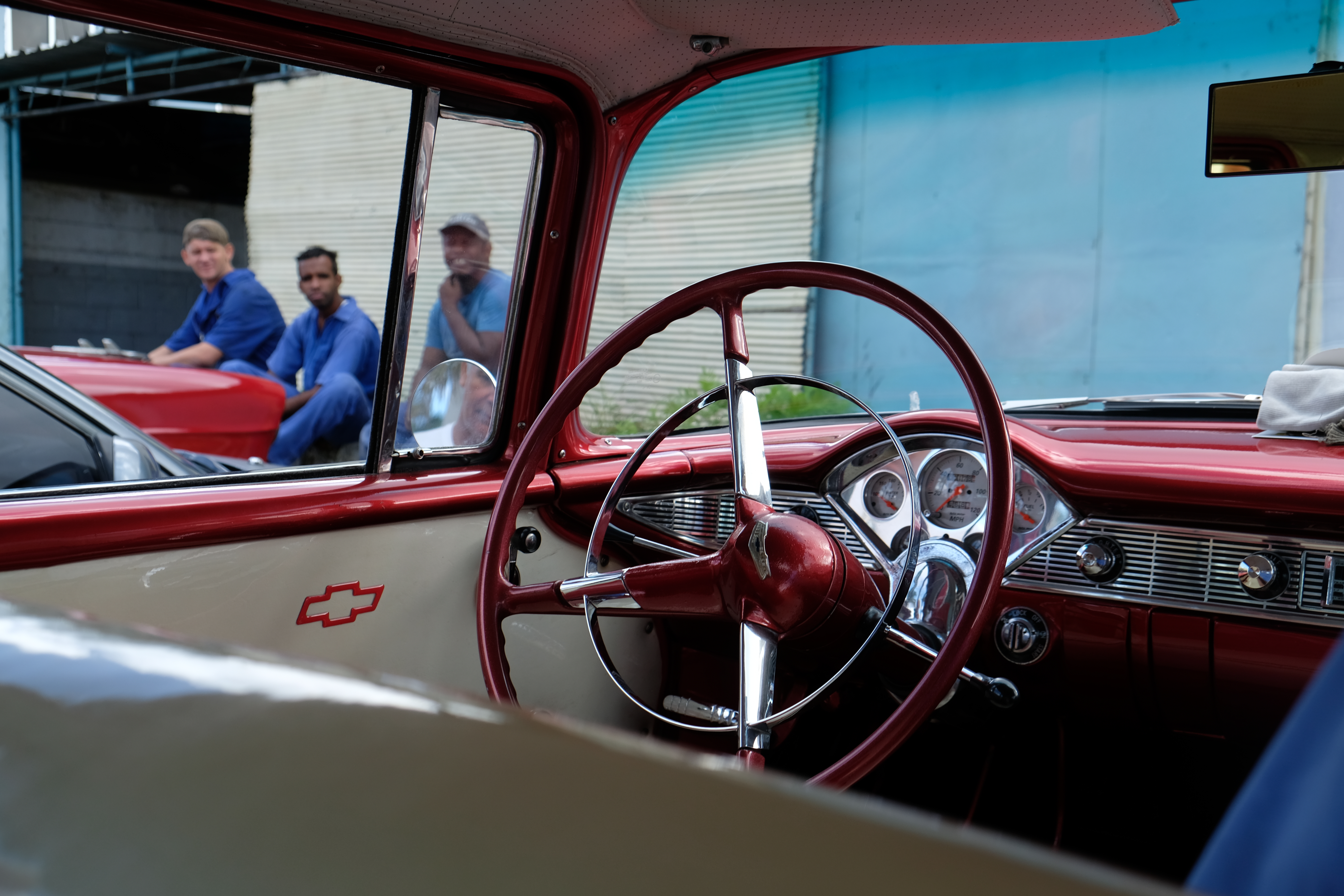
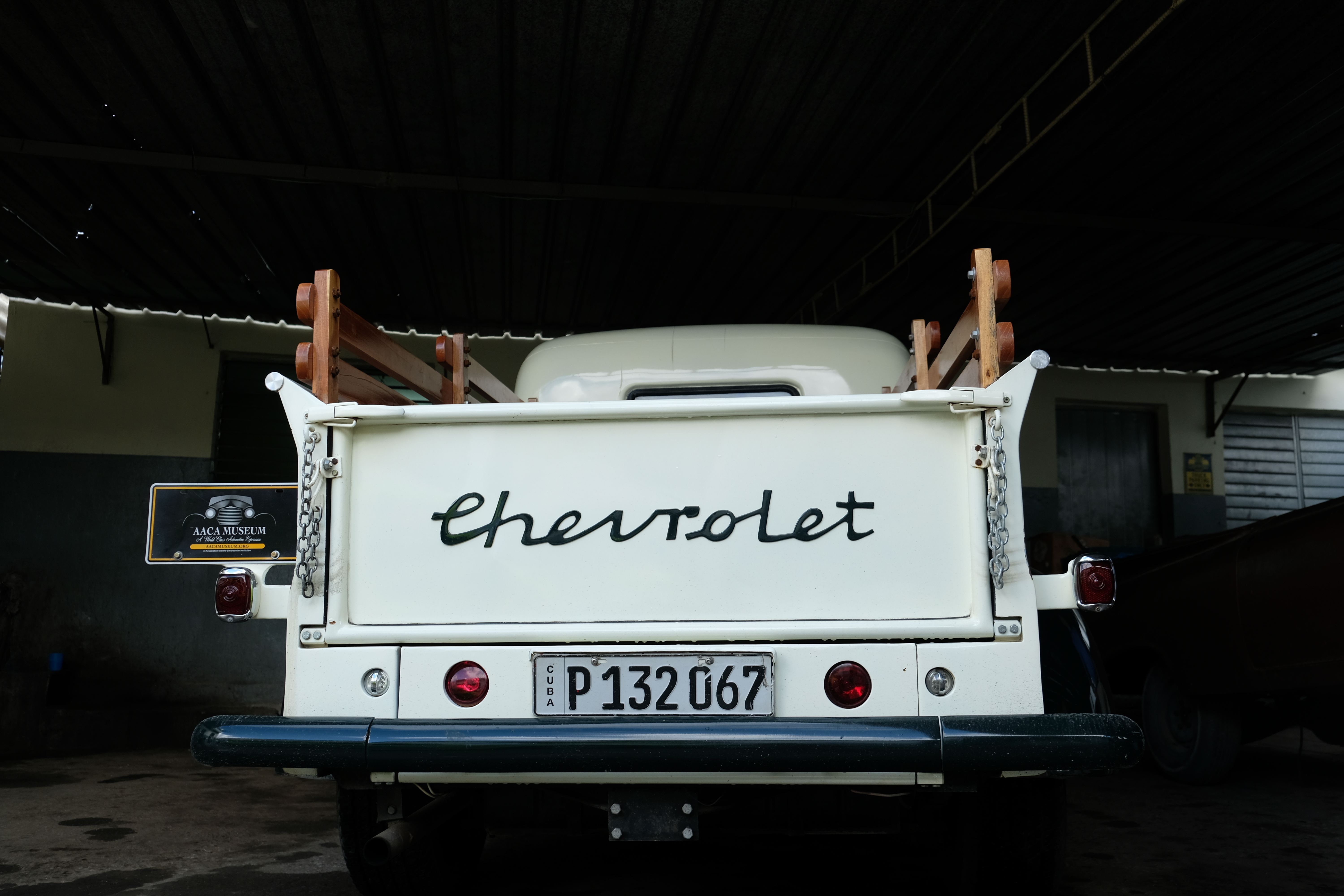
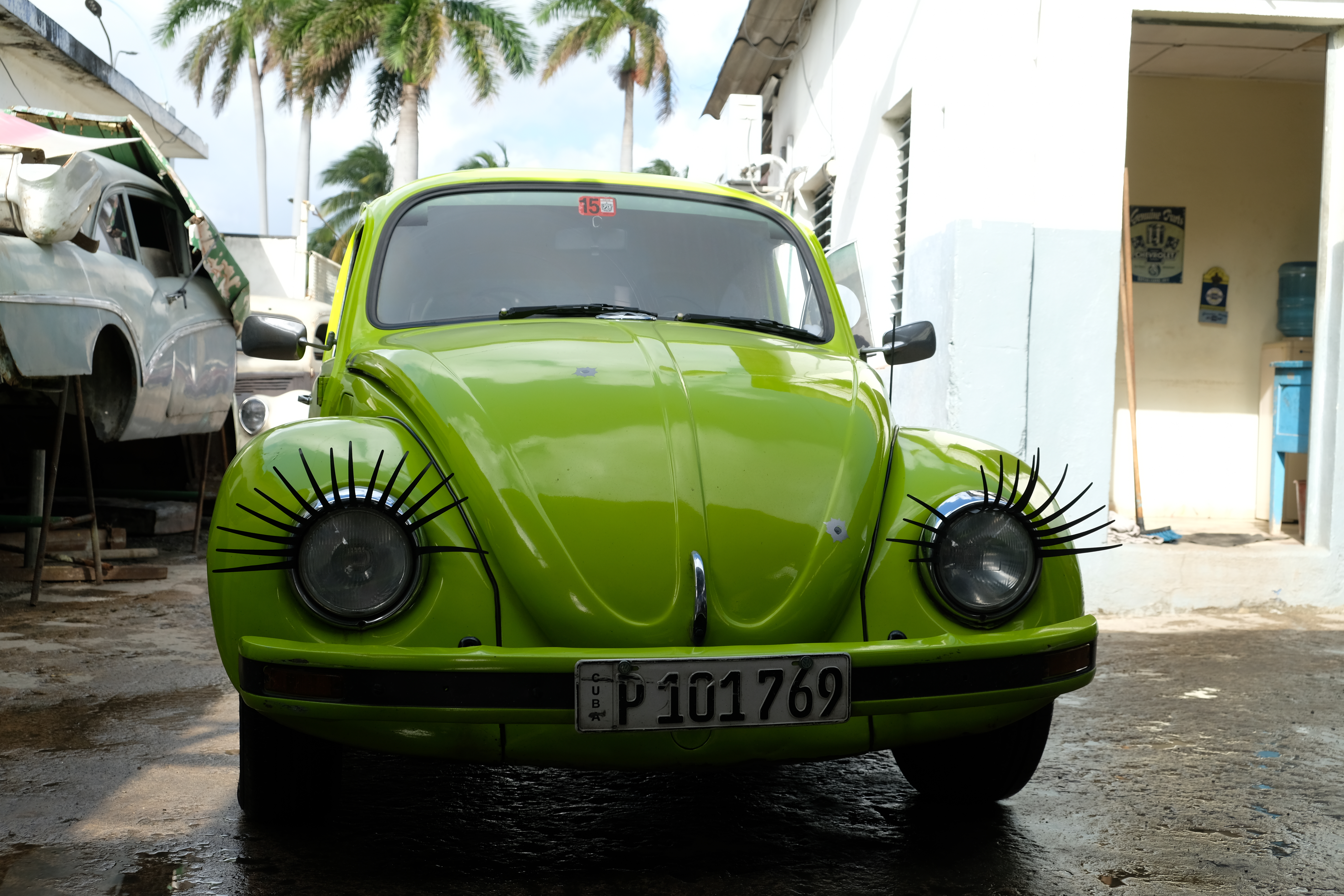
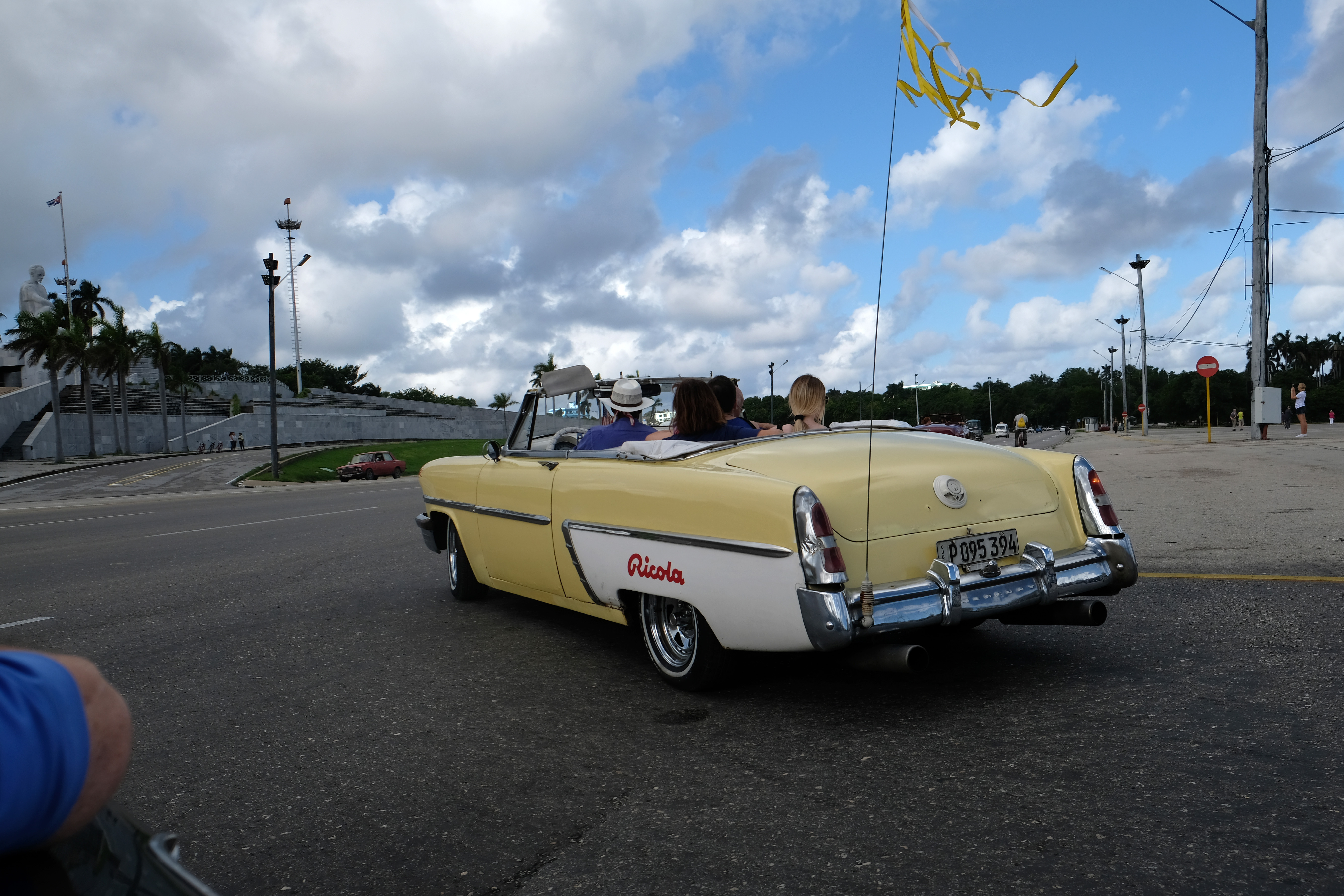
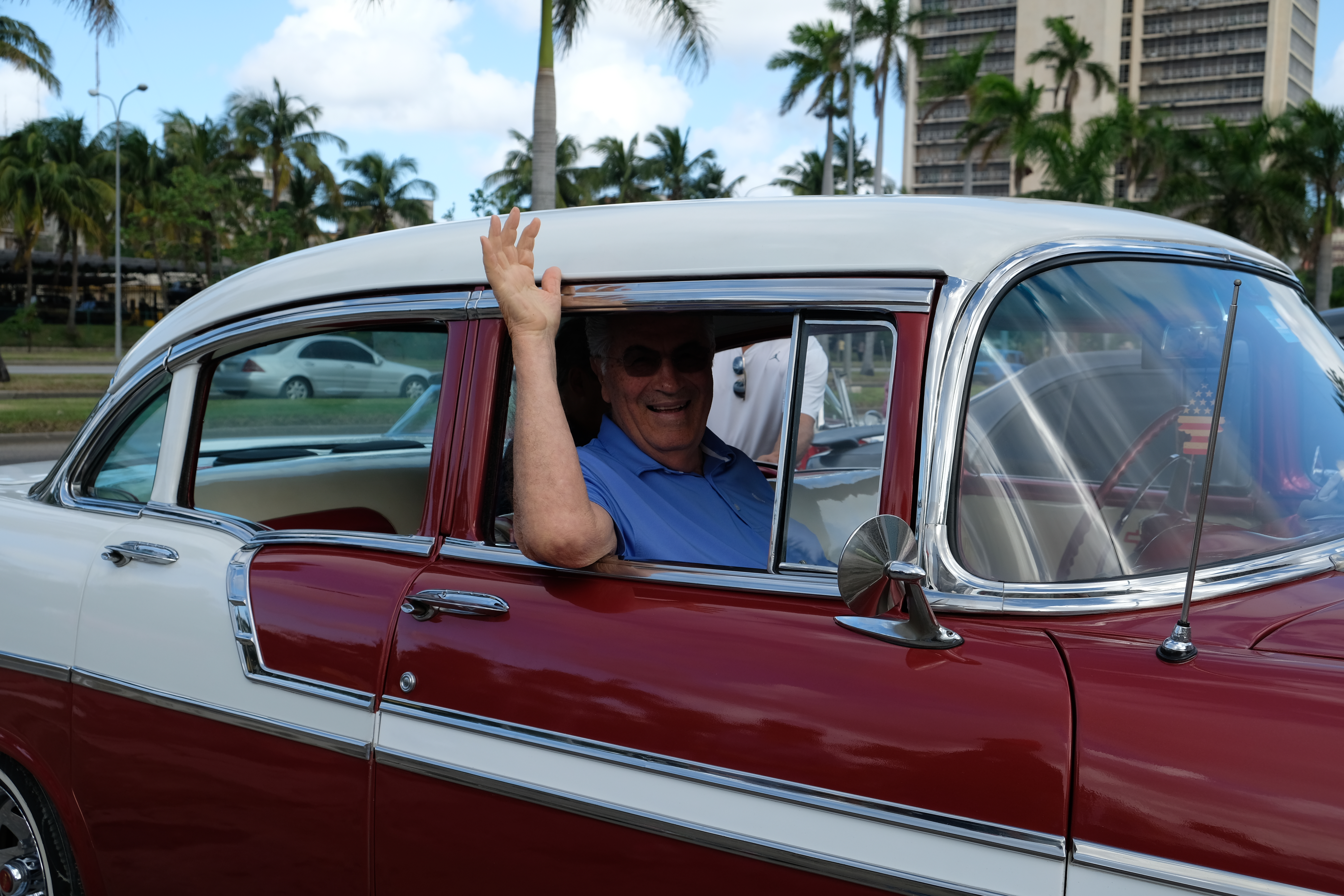
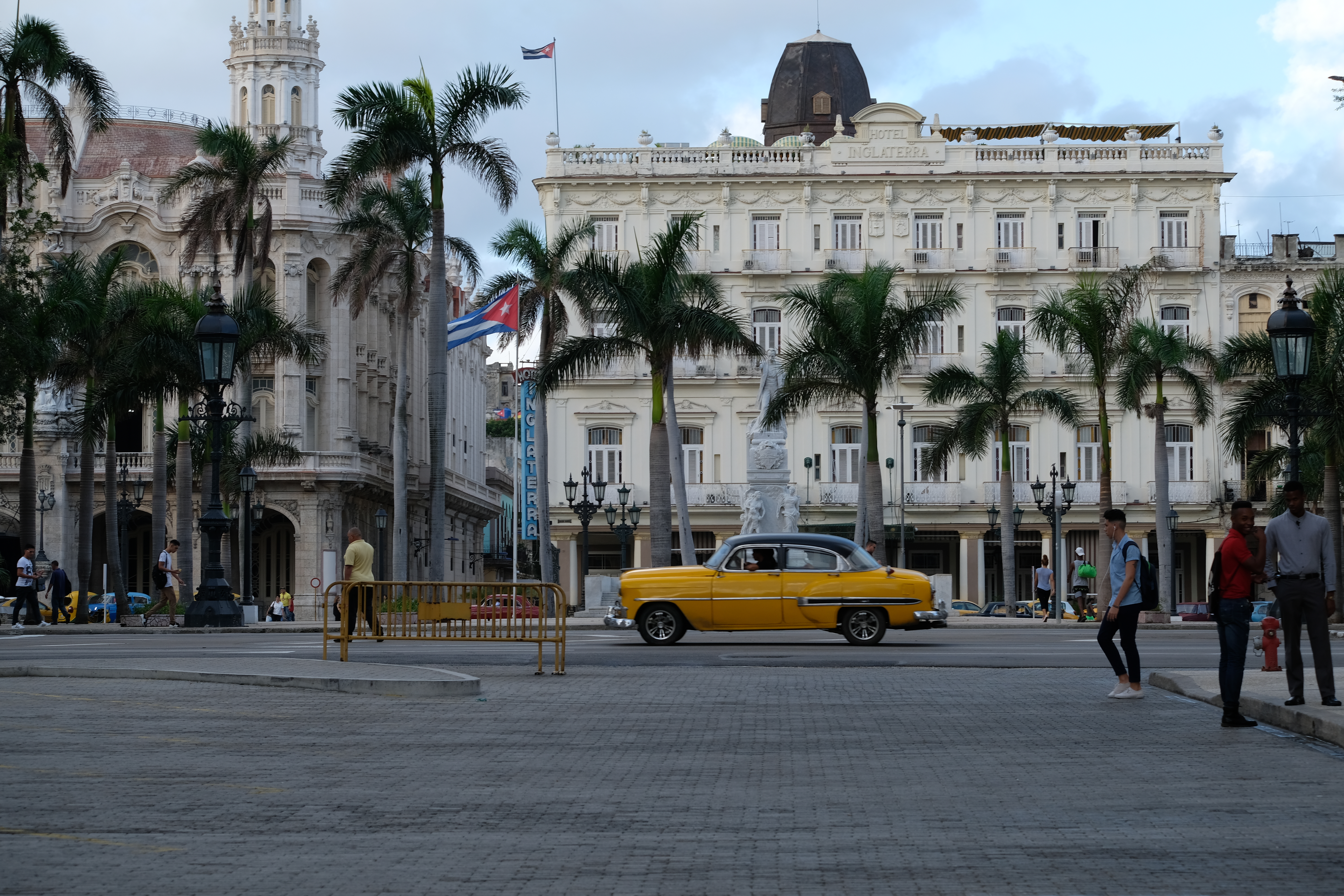
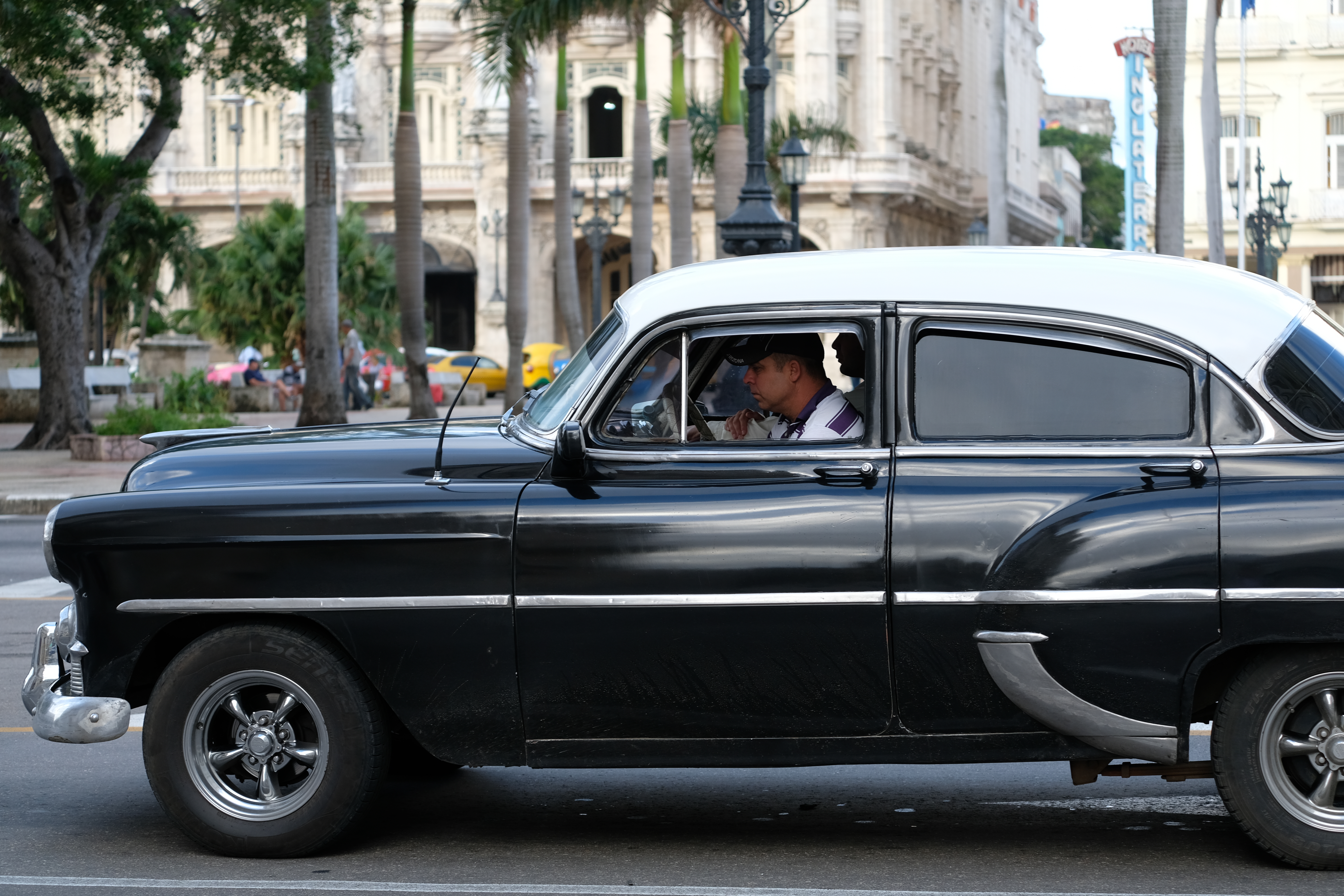
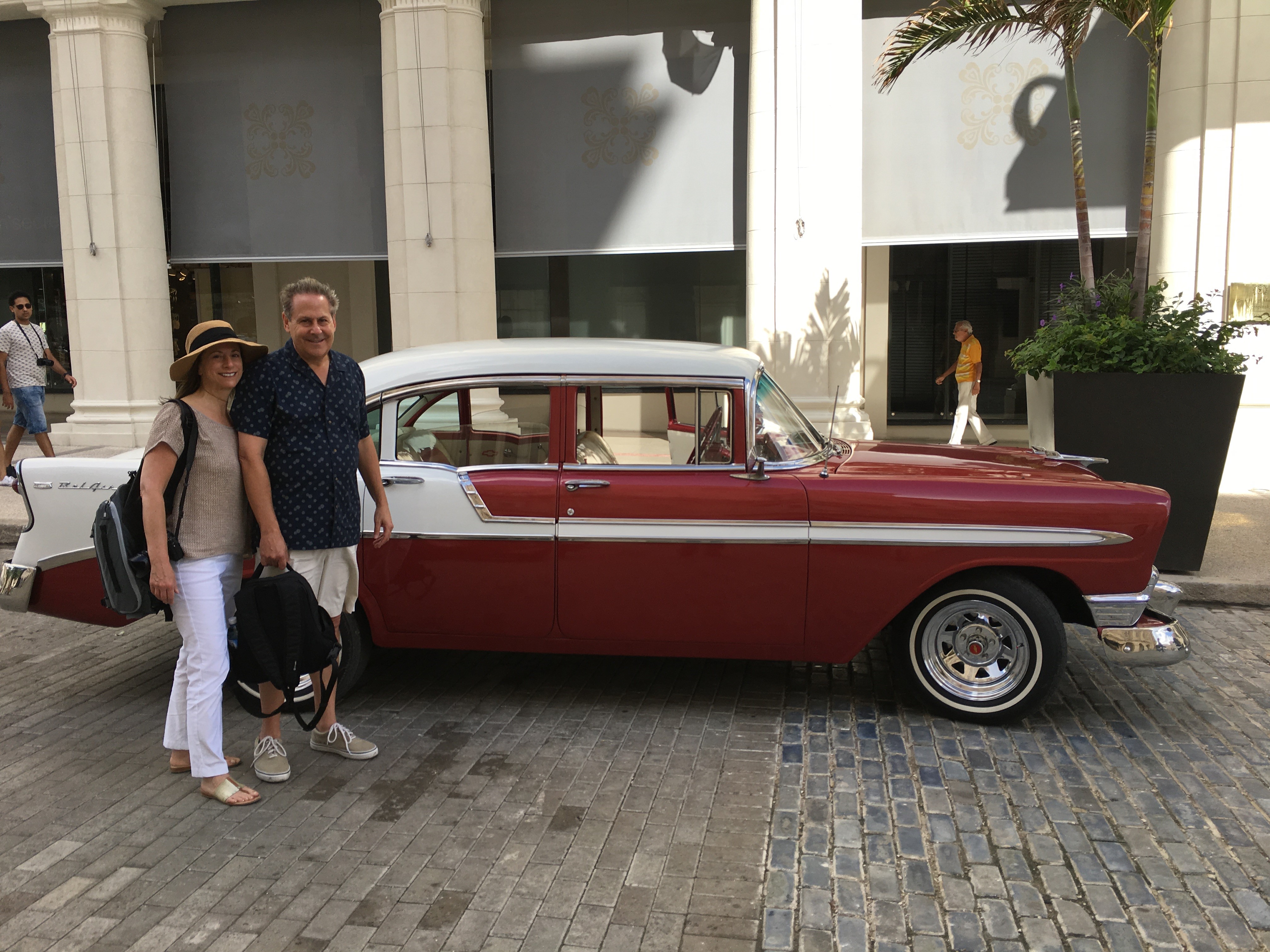
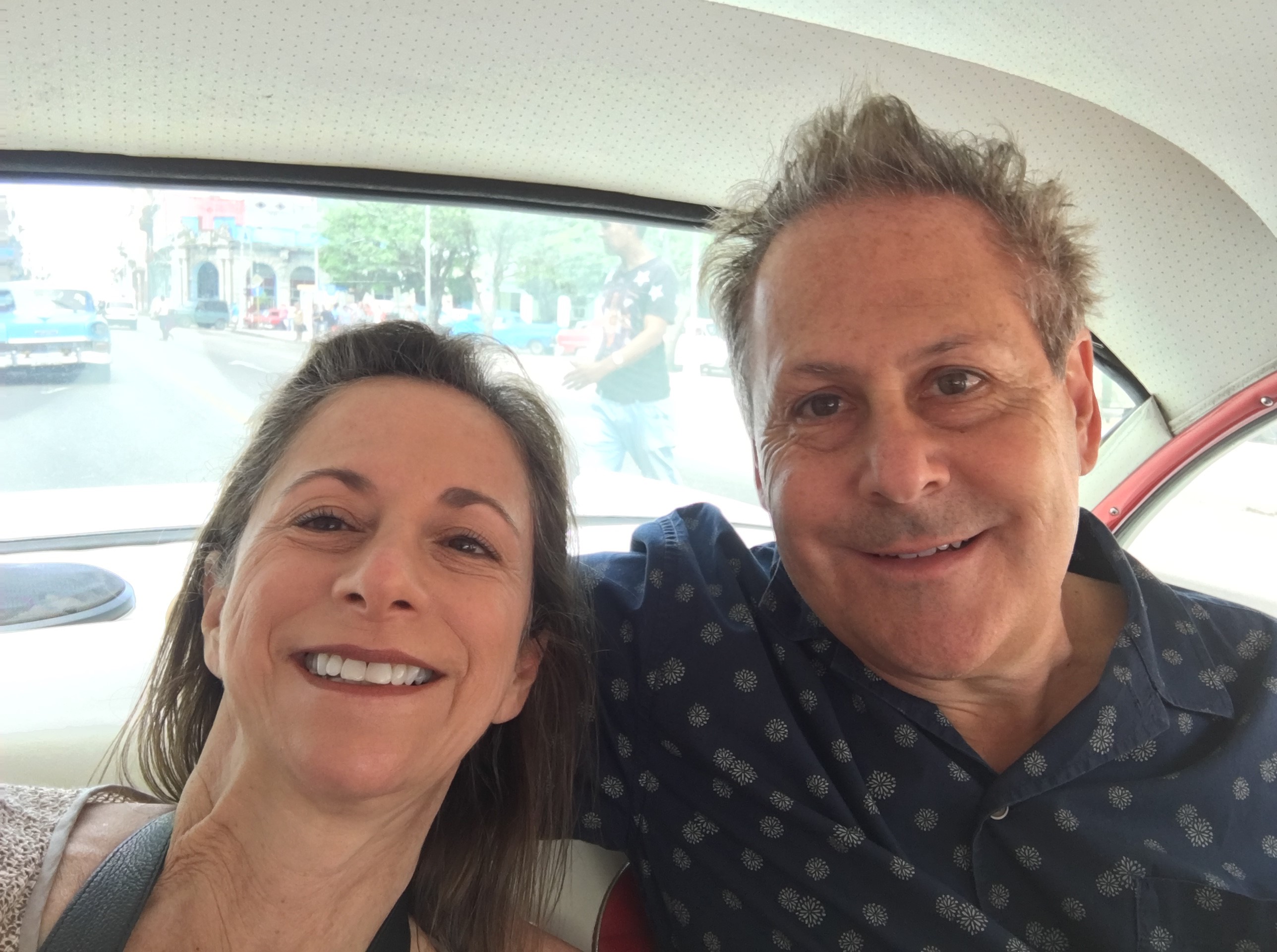
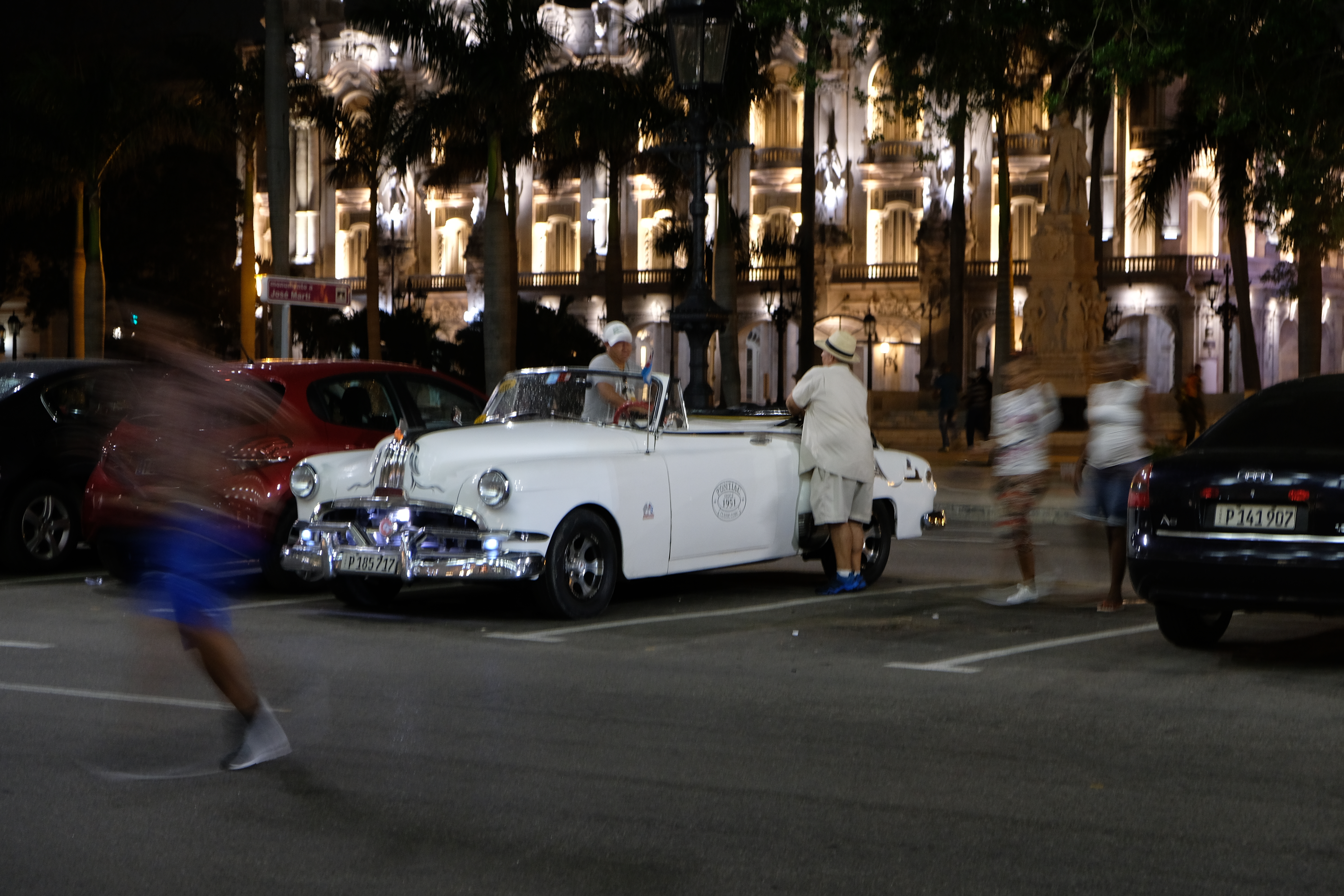
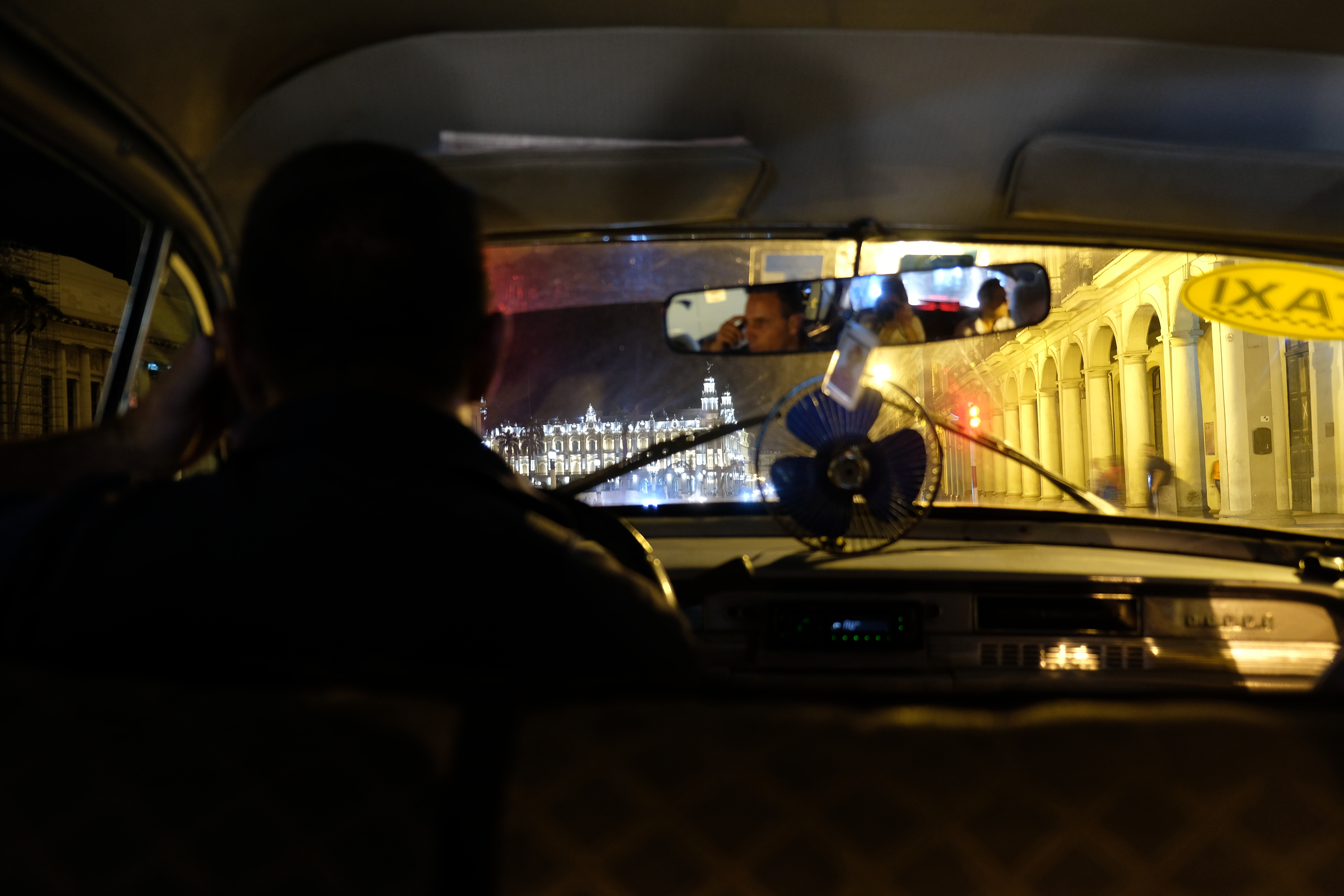
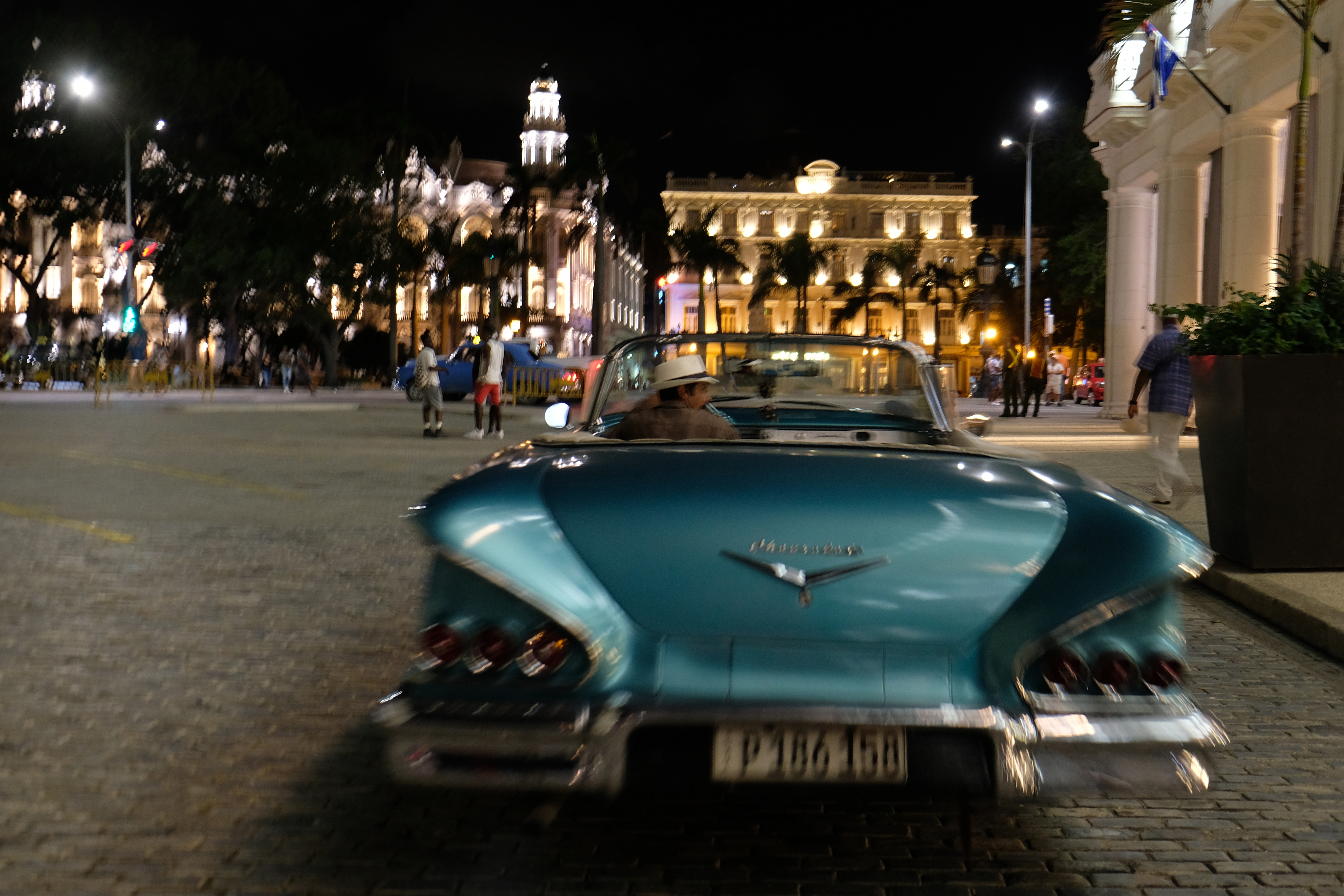
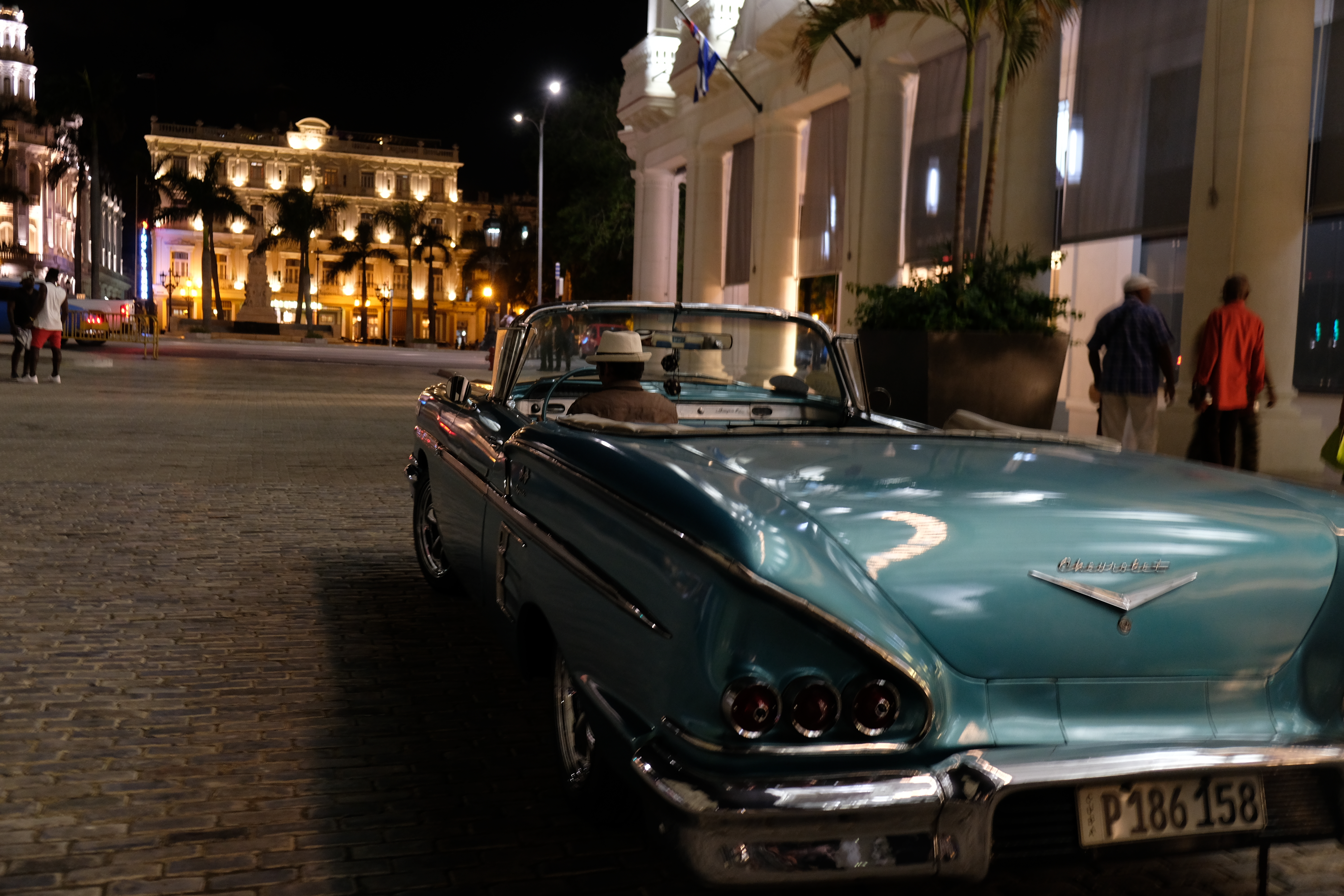
One of the most striking sights in Havana is the thousands of classic American cars from the 1940s and 50s. Before you go, almost everyone said to me, “Make sure you get a picture of the cars.” And once you’re in Cuba they say, “Not driving in a vintage car is like going to Venice and not going on a gondola.”
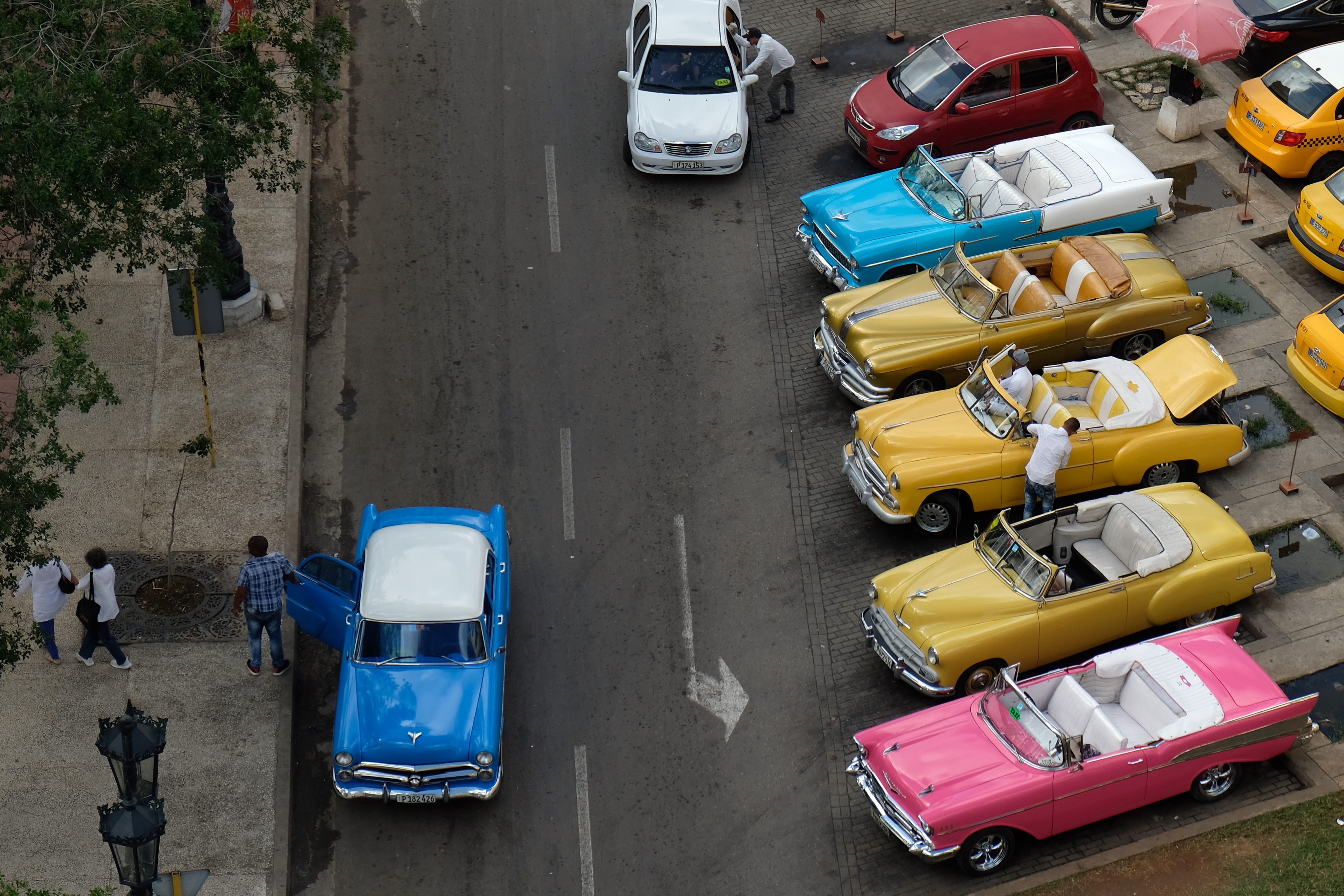
So what’s up with all those cars? Why so many and why here? You’d think the corrosive effects of the humid, salt air would make Cuba the worst place to upkeep old cars.
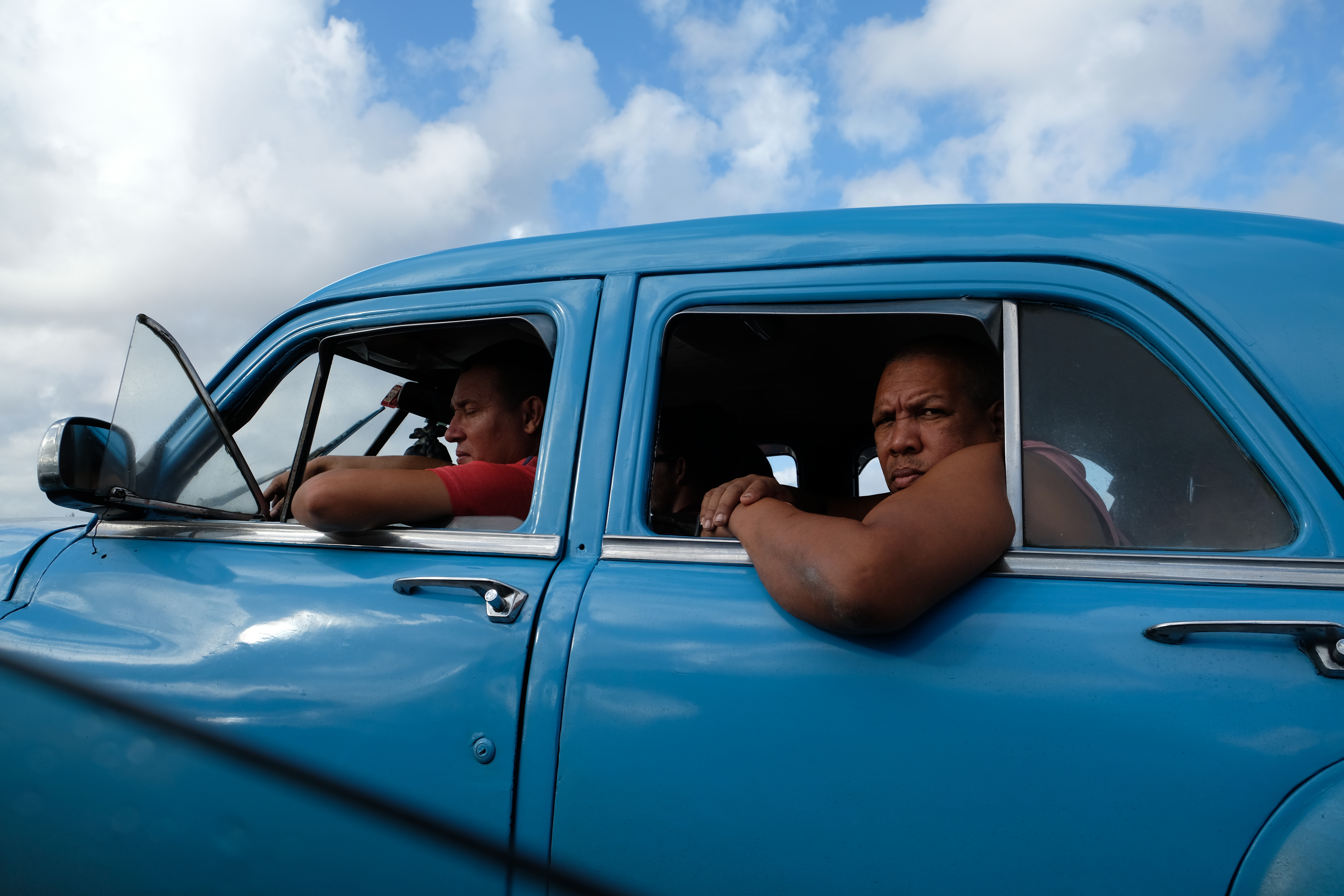
It all started with the U.S. embargo after the Revolution. When trade between the two countries was halted in the early 60s, the Cuban people adapted, improvised and relied on sheer ingenuity to keep their cars moving. The engines in many of these vintage Plymouths, Buicks and Pontiacs are long gone but they are still on the road with the help retrofitted Toyota parts, outboard engines from Russian boats and even motors from washing machines. Many cars have become family heirlooms, passed down from generation to generation. But most are owned by the government and used as taxis for the city.
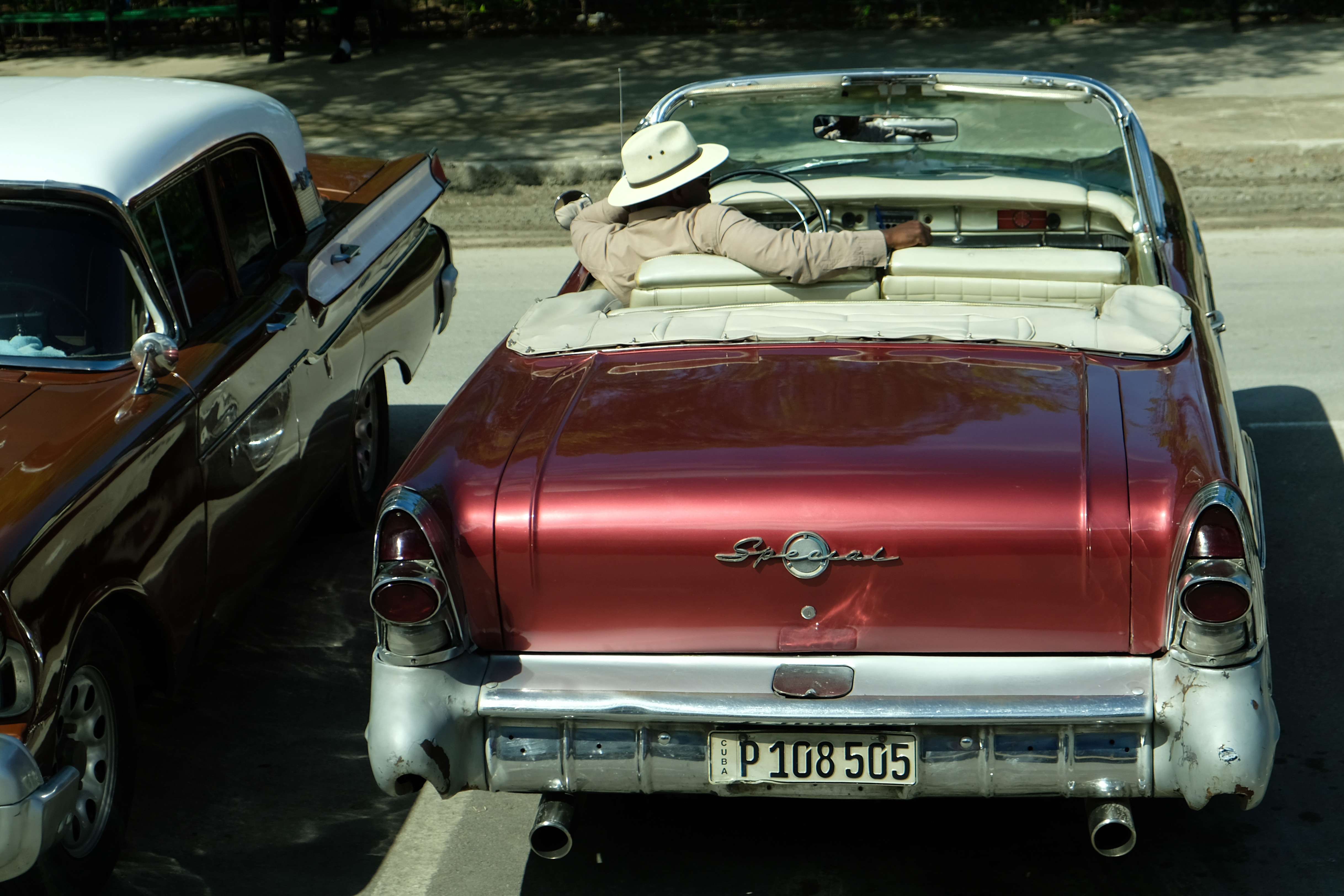
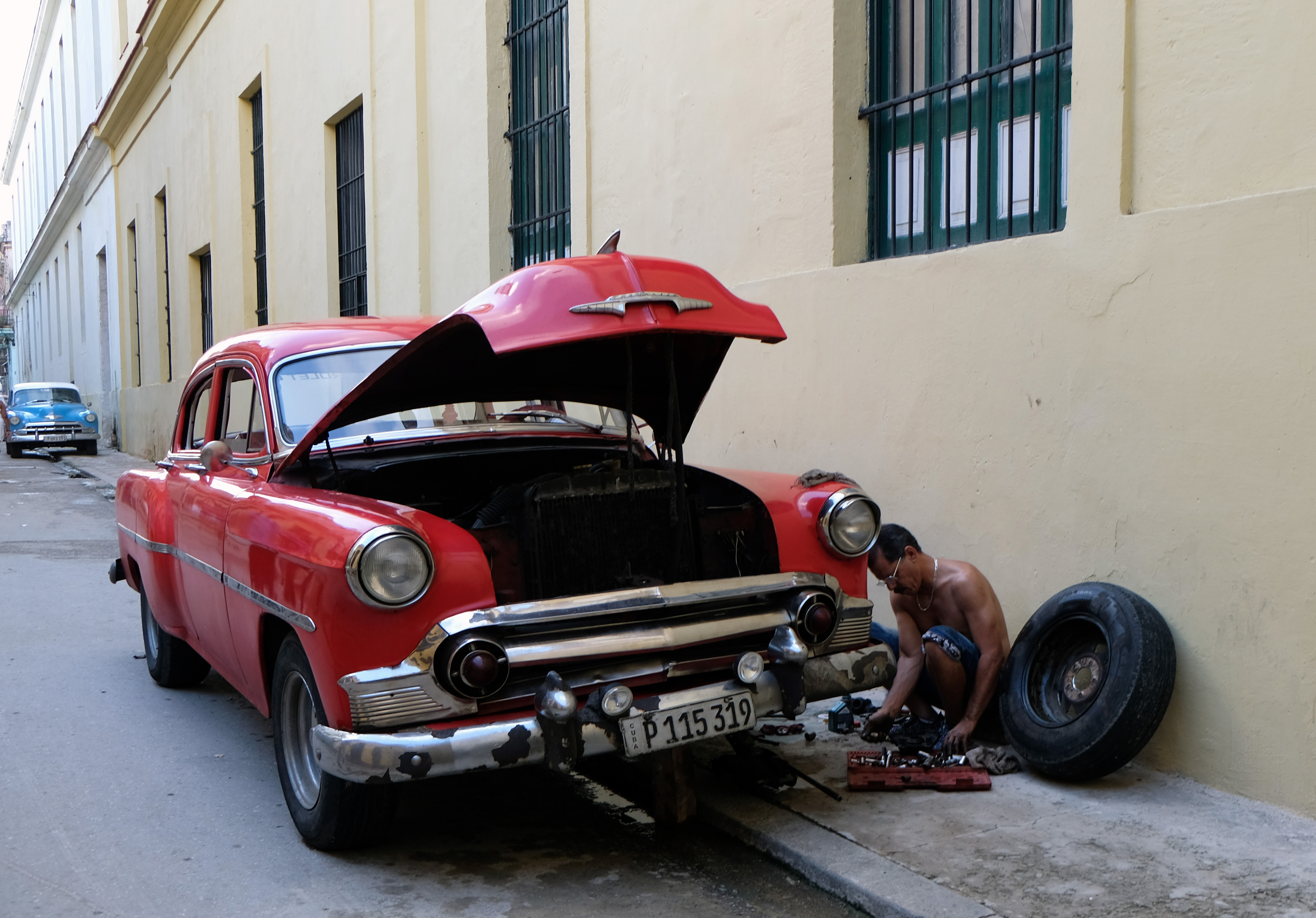
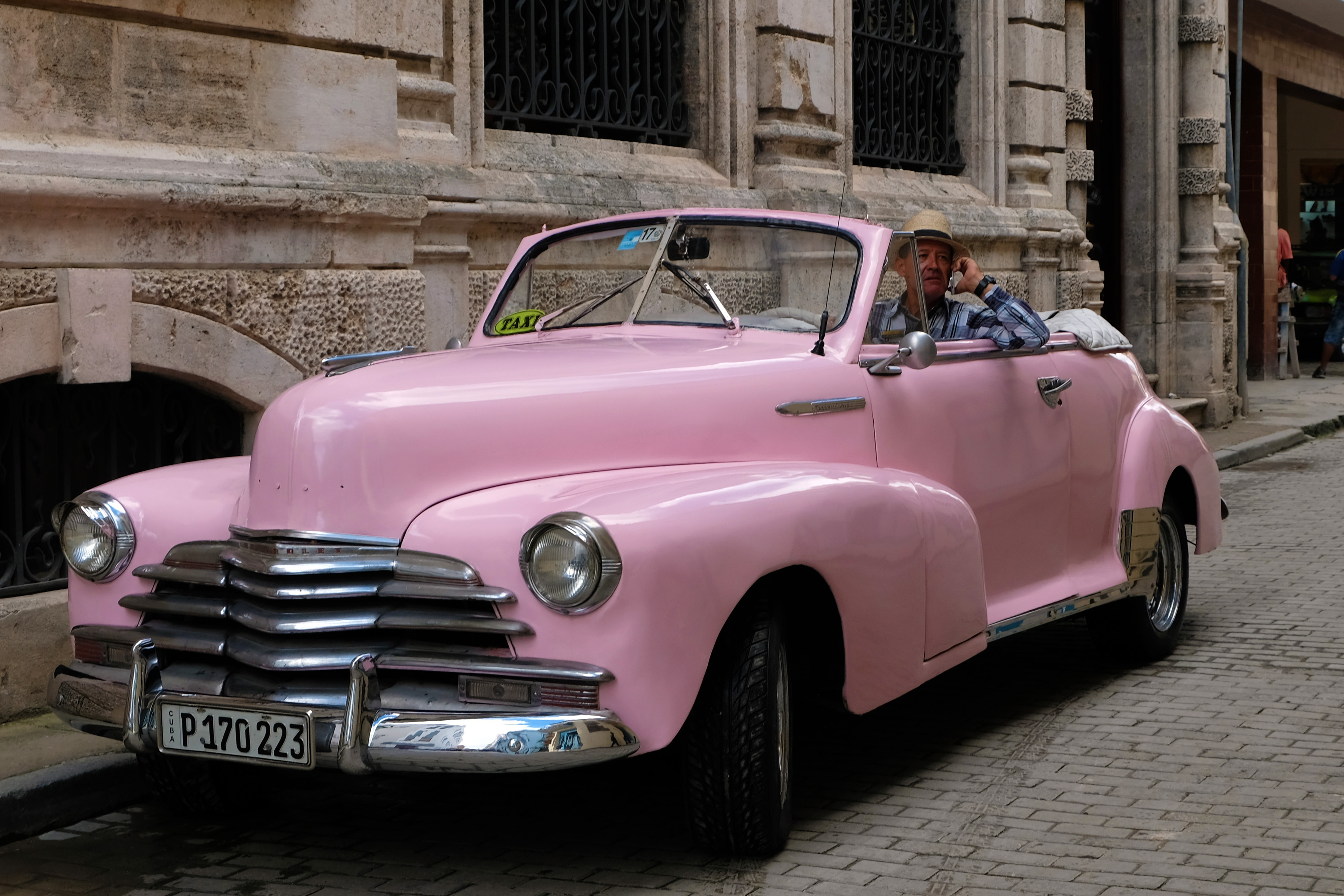
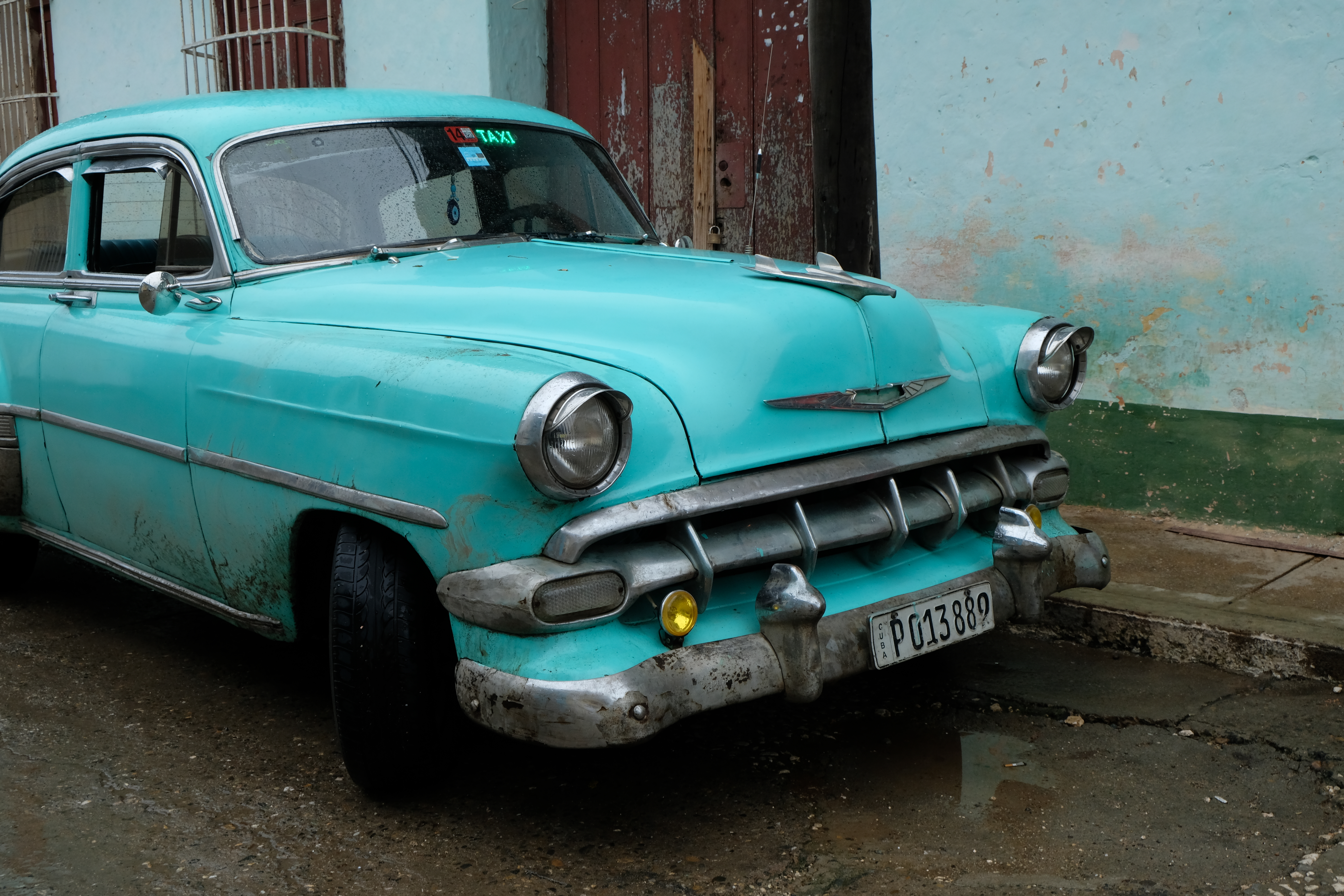
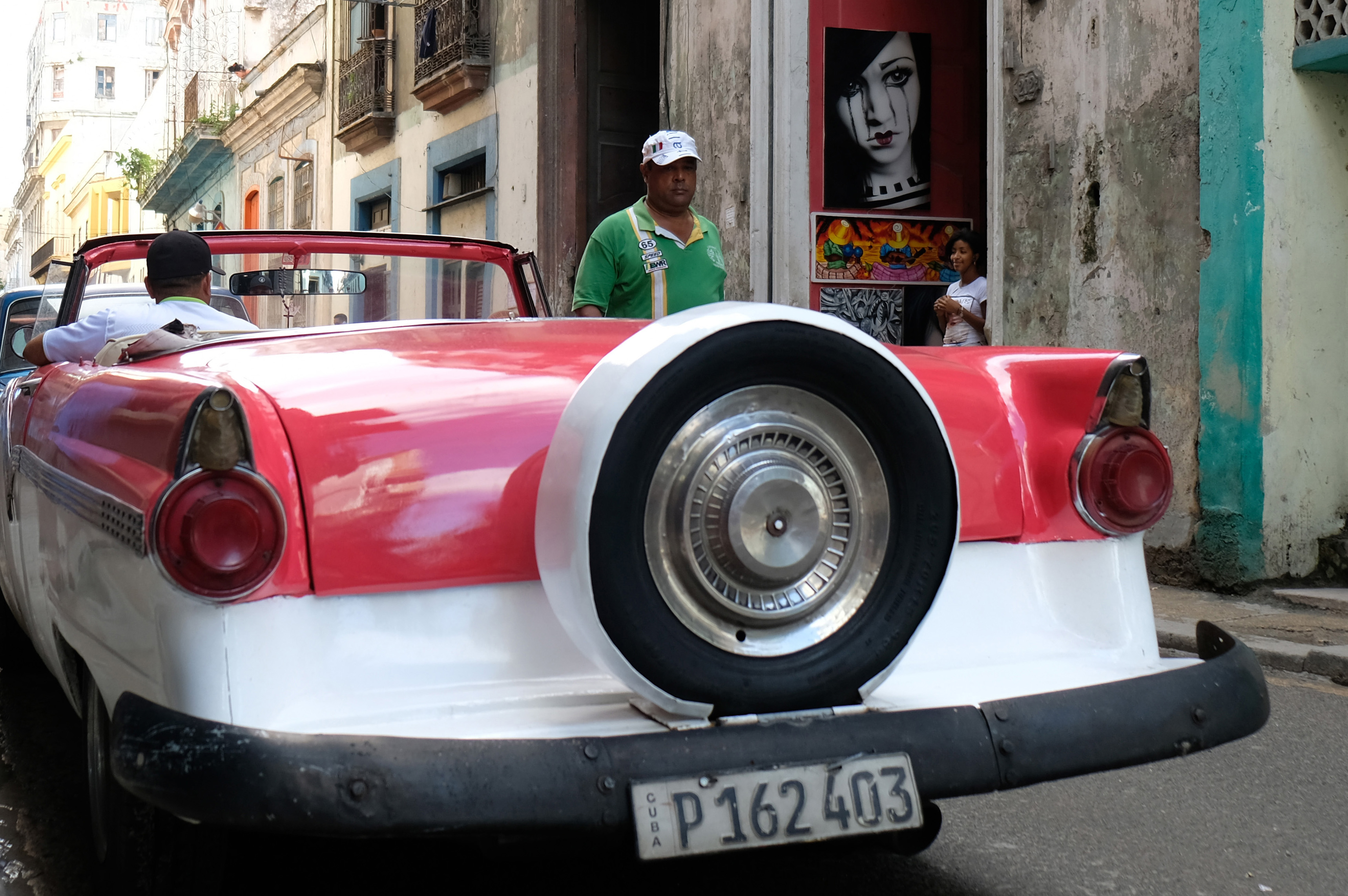
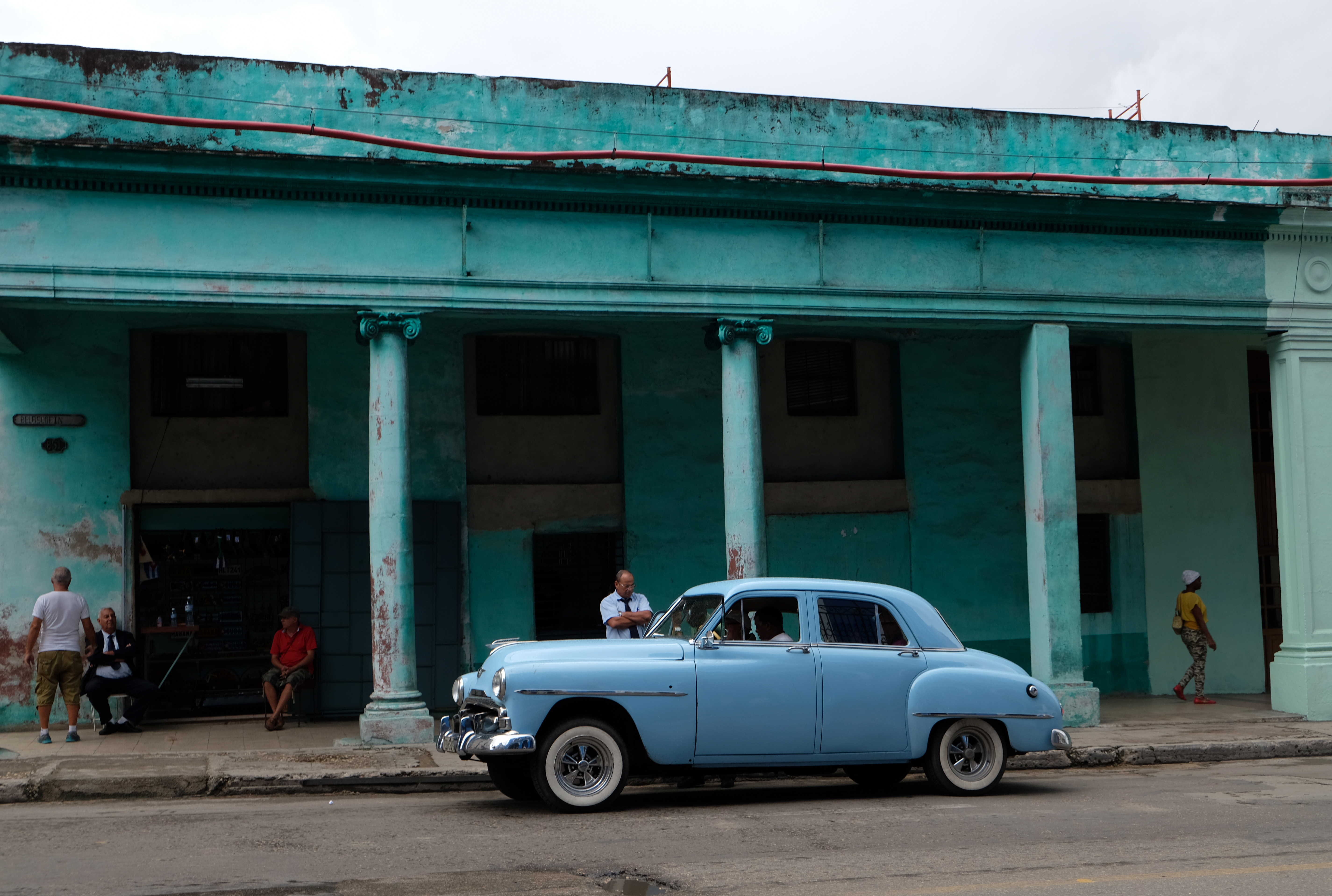
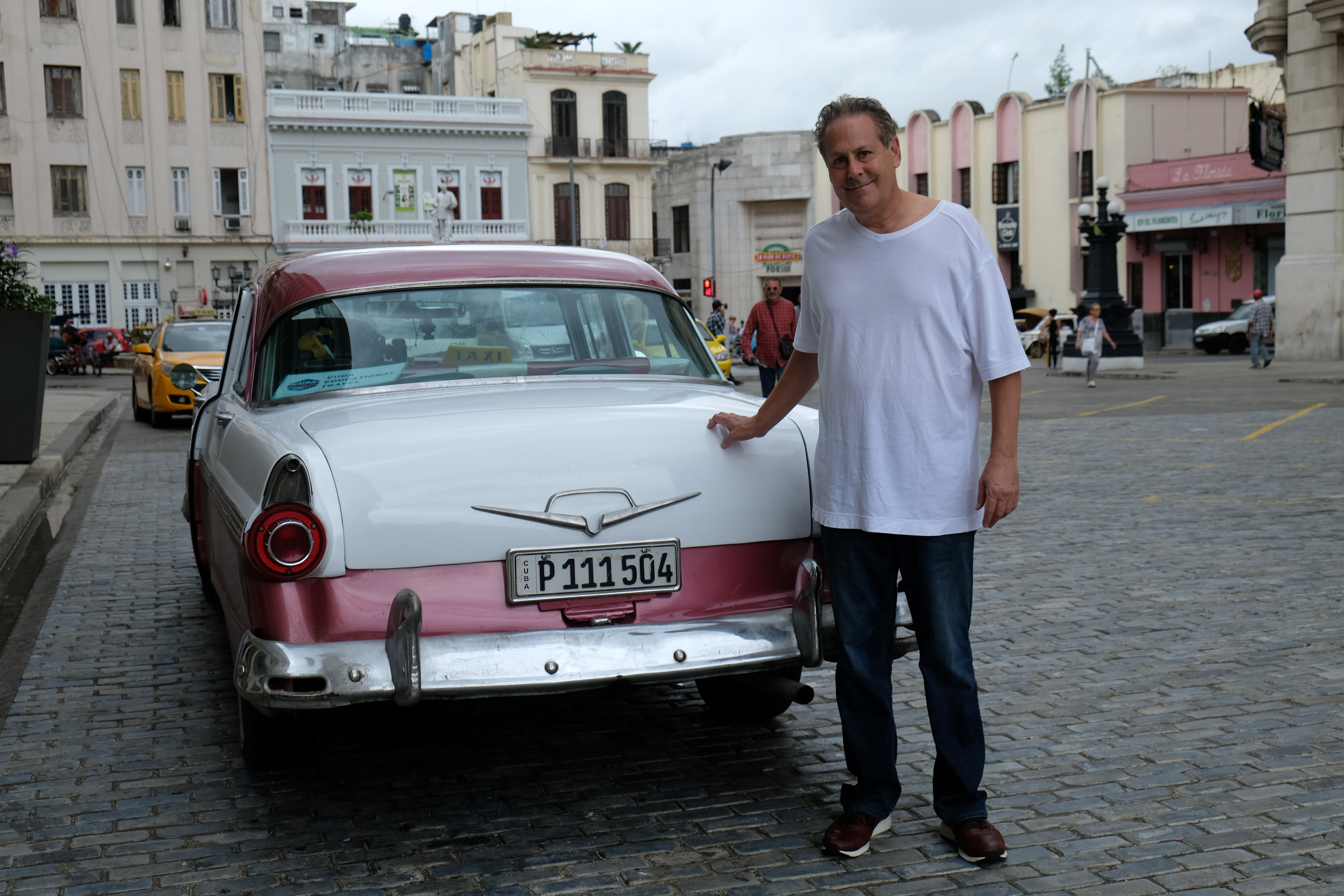
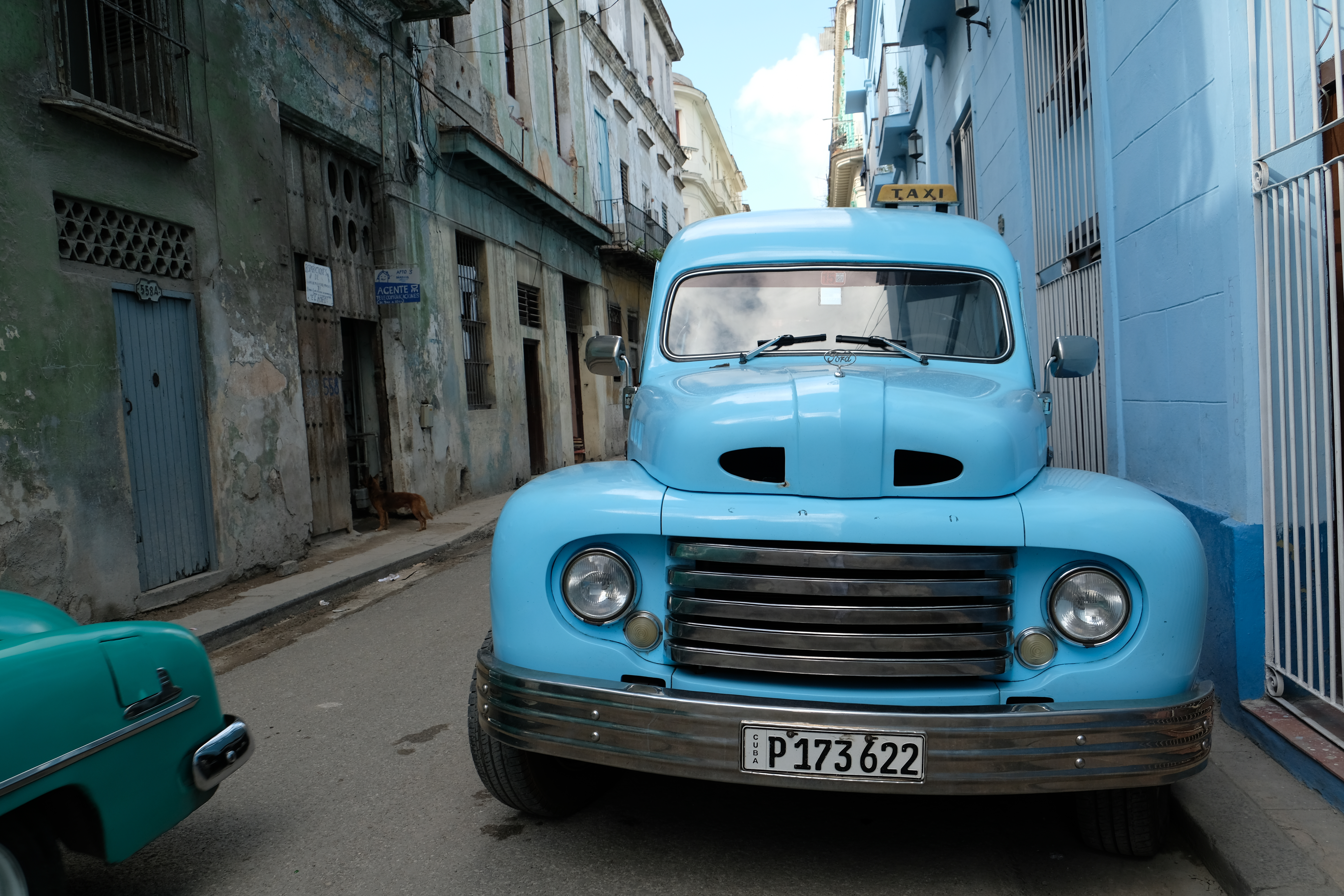
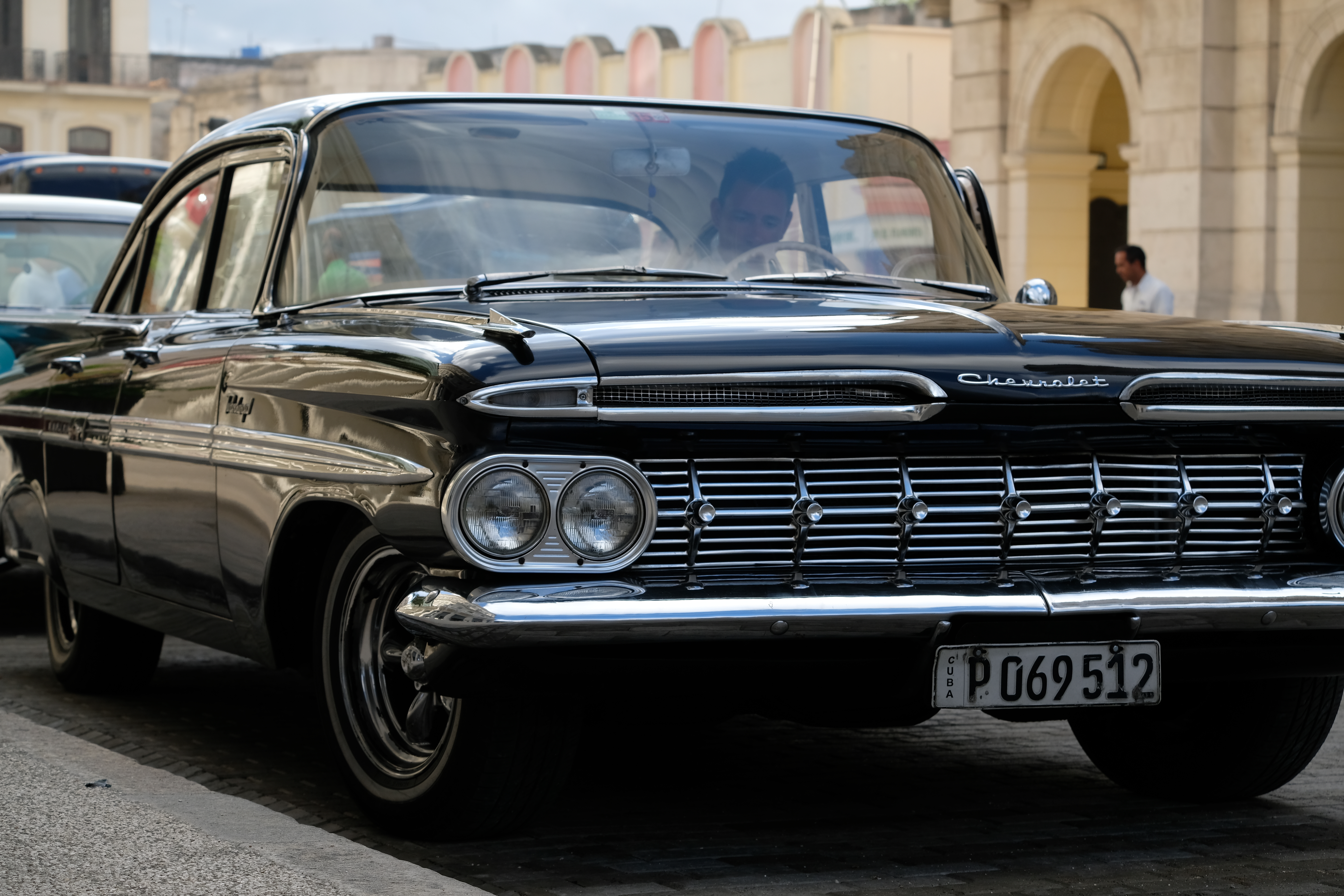
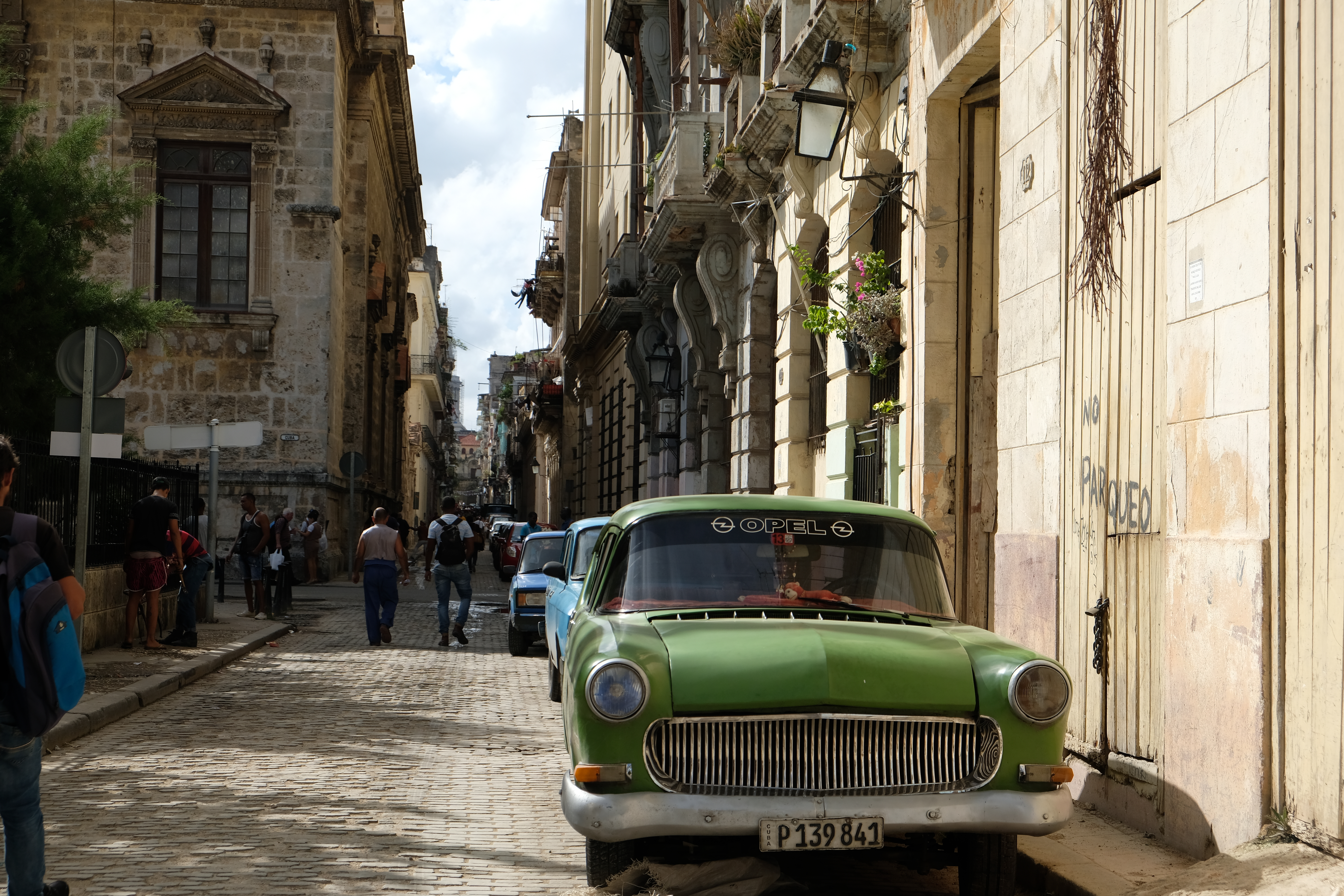
As far as I could tell there are no traffic laws. I didn’t see one speed limit or stop sign and most of the cars were built before seat belts were invented. Traffic lights are scarce. When we walked through the streets in Old Havana, we were told to walk in the middle of the street for fear that a balcony could fall on your head if you used the sidewalks.
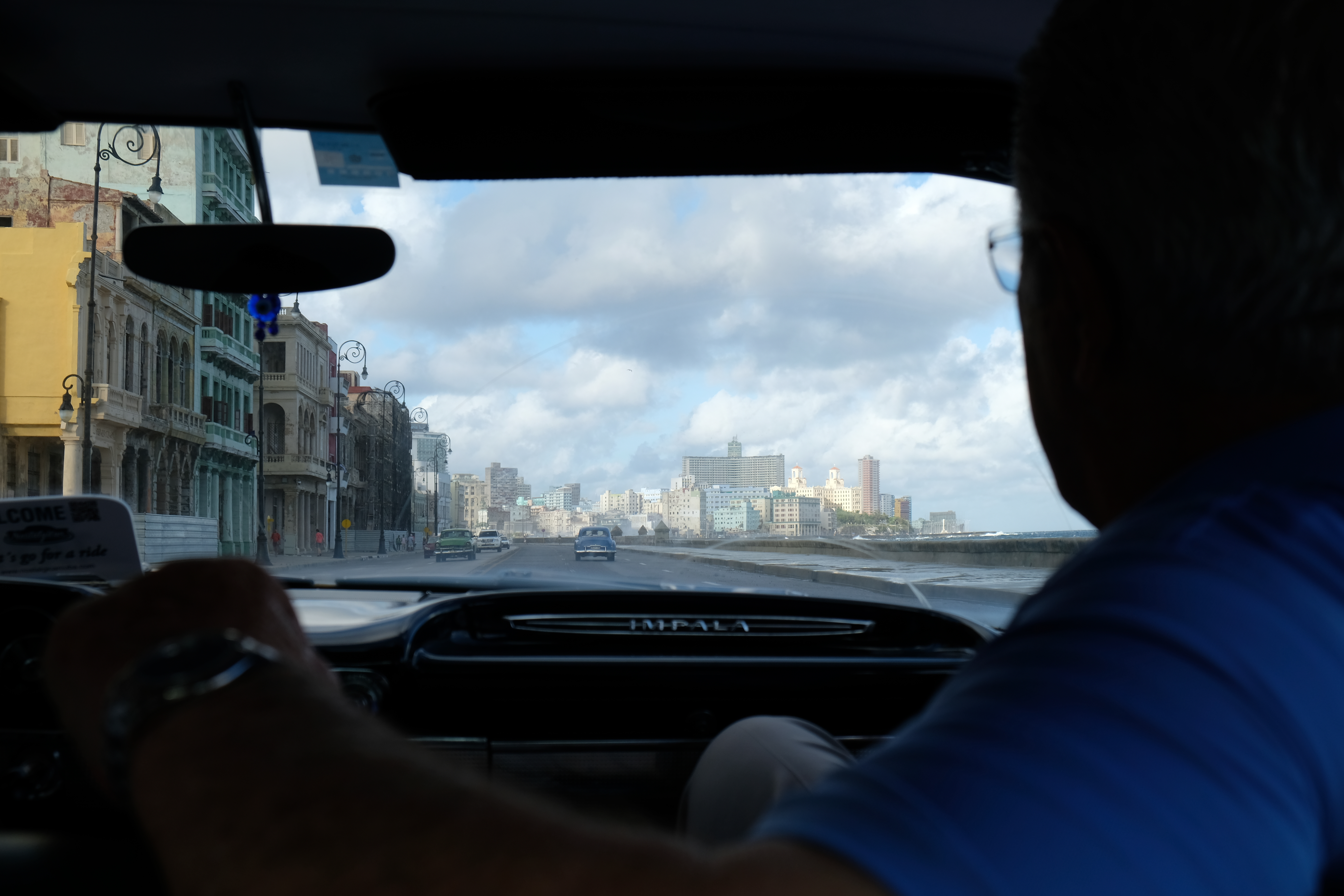
From Lonely Planet: And there’s the Malecón, Havana’s evocative 7km-long sea drive, is one of the city’s most soulful and quintessentially Cuban thoroughfares, and long a favored meeting place for assorted lovers, philosophers, poets, traveling minstrels, fishers and wistful Florida-gazers. The Malecón’s atmosphere is most potent at sunset when the weak yellow light from creamy Vedado filters like a dim torch onto the buildings of Centro Habana, lending their dilapidated facades a distinctly ethereal quality.
Laid out in the early 1900s as a salubrious oceanside boulevard for Havana’s pleasure-seeking middle classes, the Malecón expanded rapidly eastward in the century’s first decade with a mishmash of eclectic architecture that mixed sturdy neoclassicism with whimsical art nouveau. By the 1920s the road had reached the outer limits of burgeoning Vedado, and by the early 1950s it had metamorphosed into a busy six-lane highway that carried streams of wave-dodging Buicks and Chevrolets from the gray hulk of the Castillo de San Salvador de la Punta to the borders of Miramar. Today the Malecón remains Havana’s most authentic open-air theater, sometimes dubbed ‘the world’s longest sofa,’ where the whole city comes to meet, greet, date and debate.
Leave a Reply