Tuesday, November 14, 2017 | Language: Spanish | Currency: Cuban Peso | Population = 2.1 Million
We disembarked the ship early in the morning for a three-hour drive from Cienfuegos to Havana, where we will spend four days exploring the capital and most populated province in the Republic of Cuba.
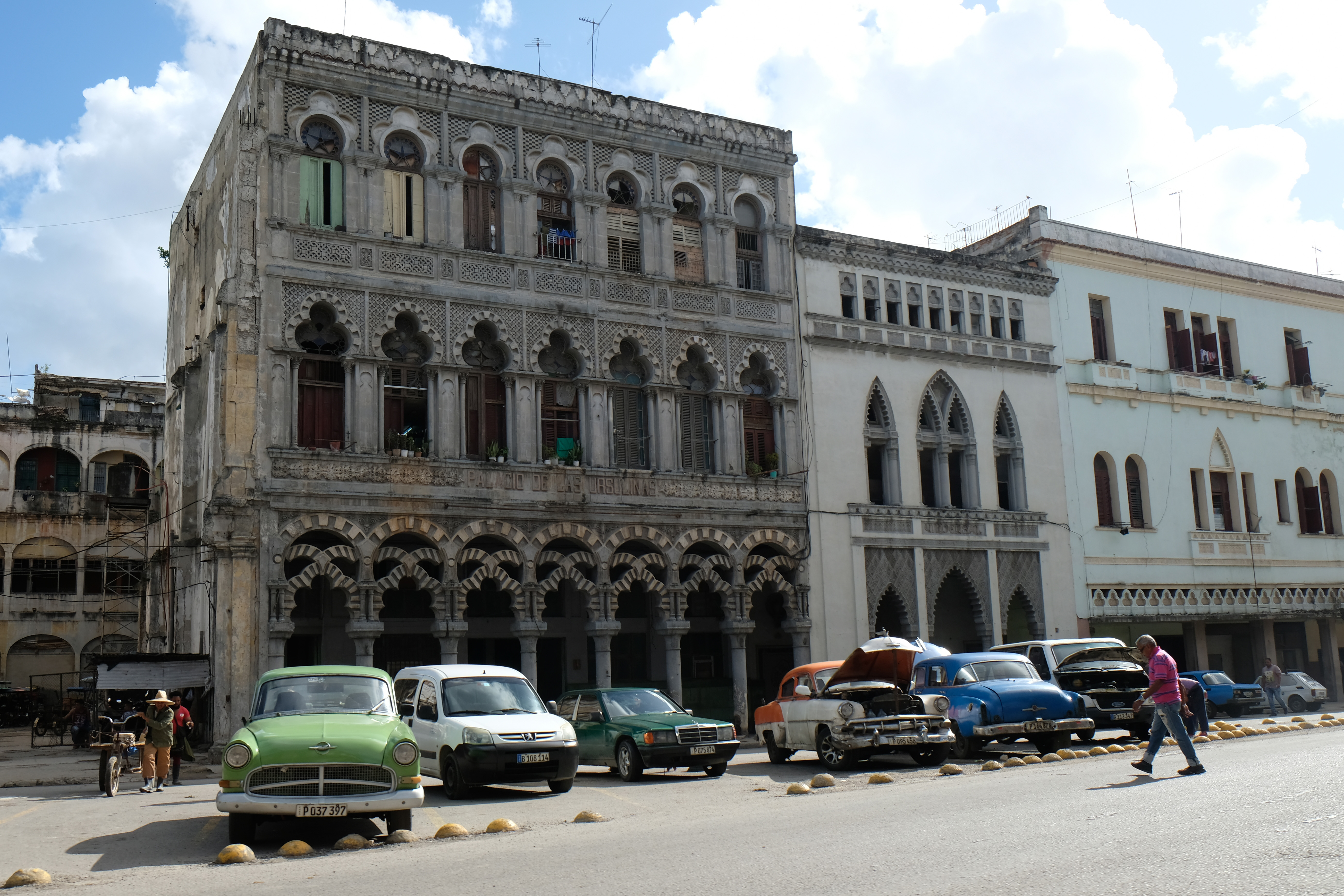
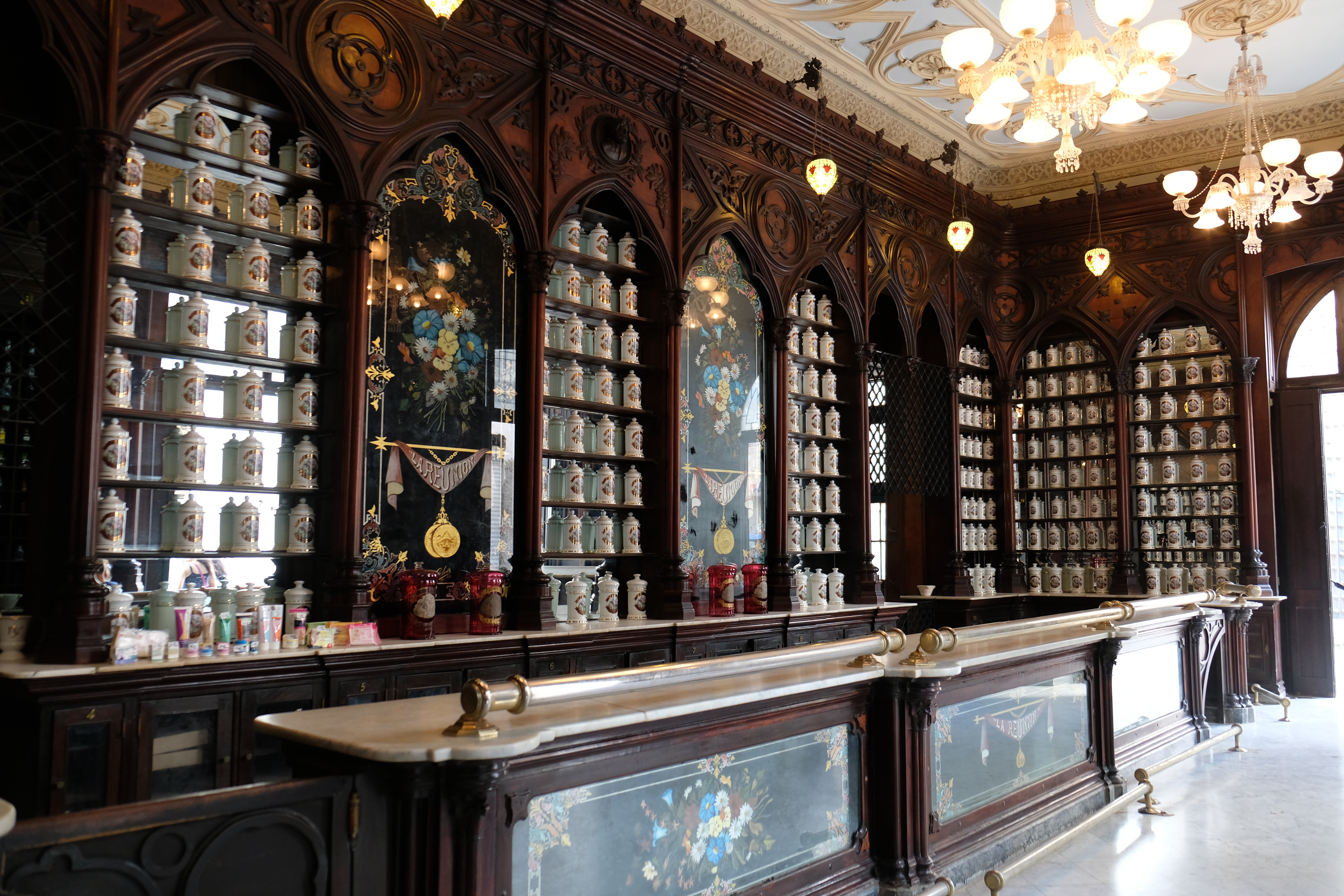
Our itinerary was packed, as we did not want to miss out on anything. We walked through Old Havana, drove around the surrounding city, explored museums, discussed the architecture, met artists, listened to jazz, lunched in paladars, enjoyed dance moves, rode in vintage cars, sipped rum, smoked stogies and stopped for hellos – just as a start. We listened, we asked questions and listened some more. Through it all a vision of Cubans and Cuban life began to emerge.
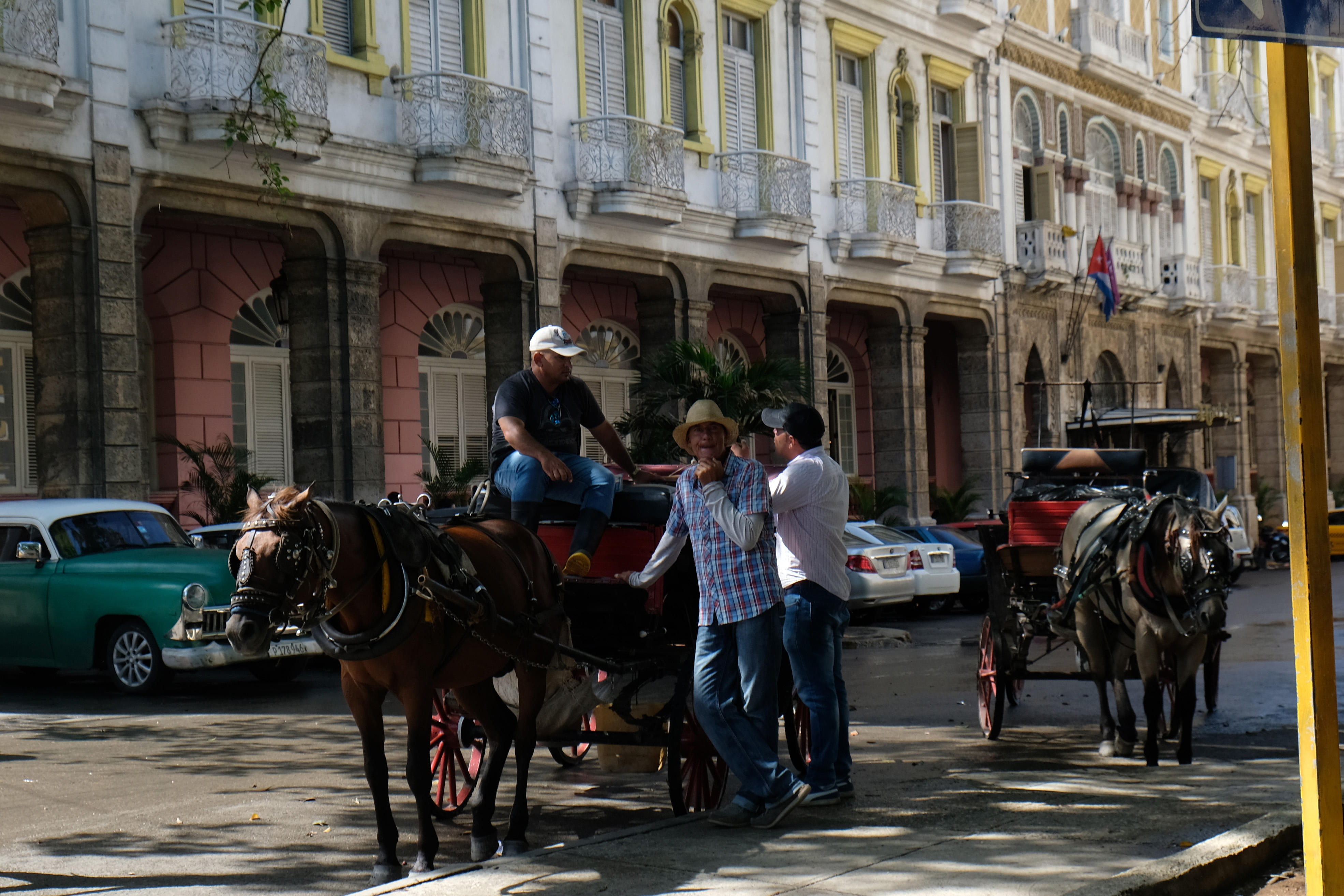
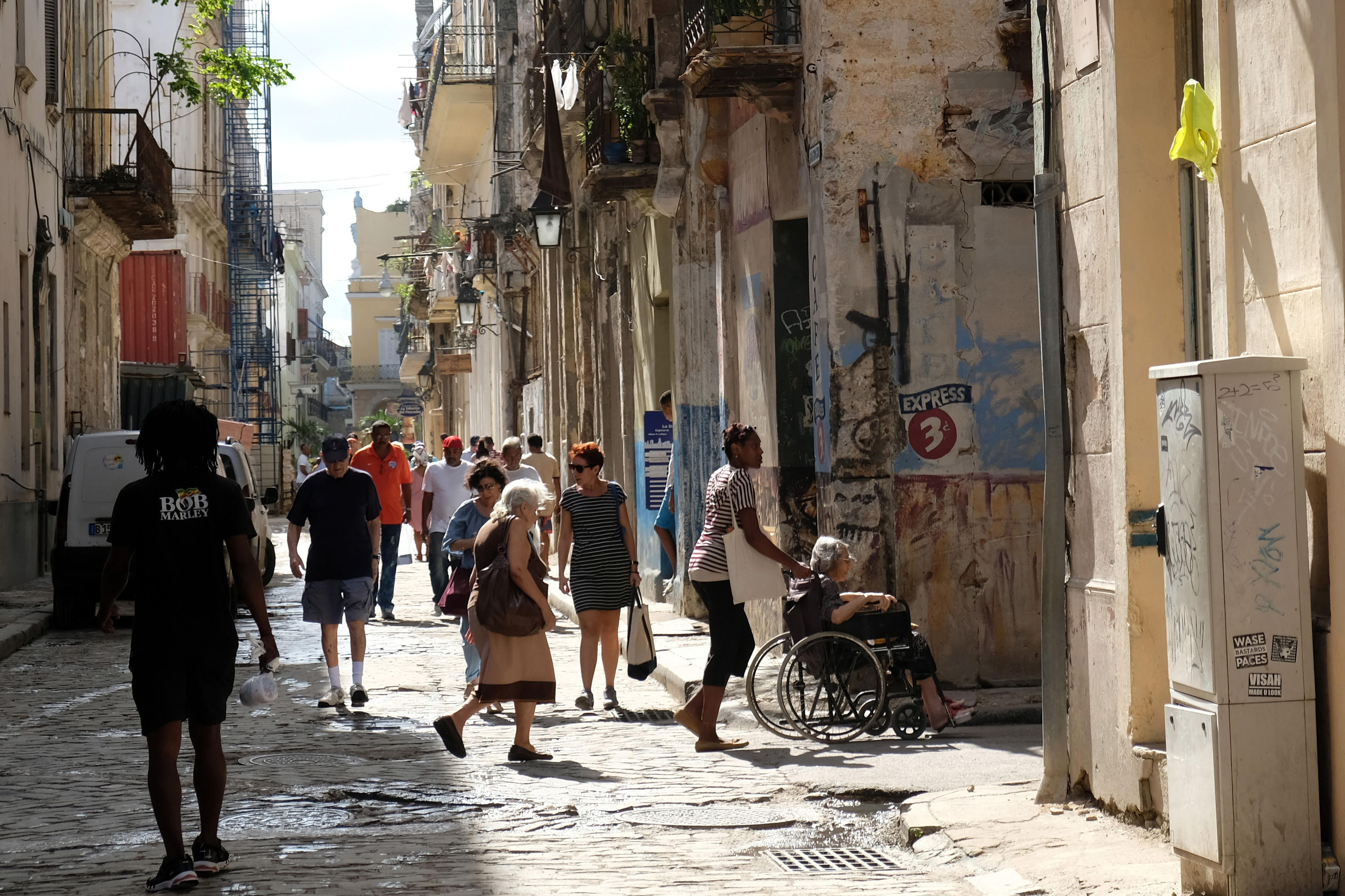
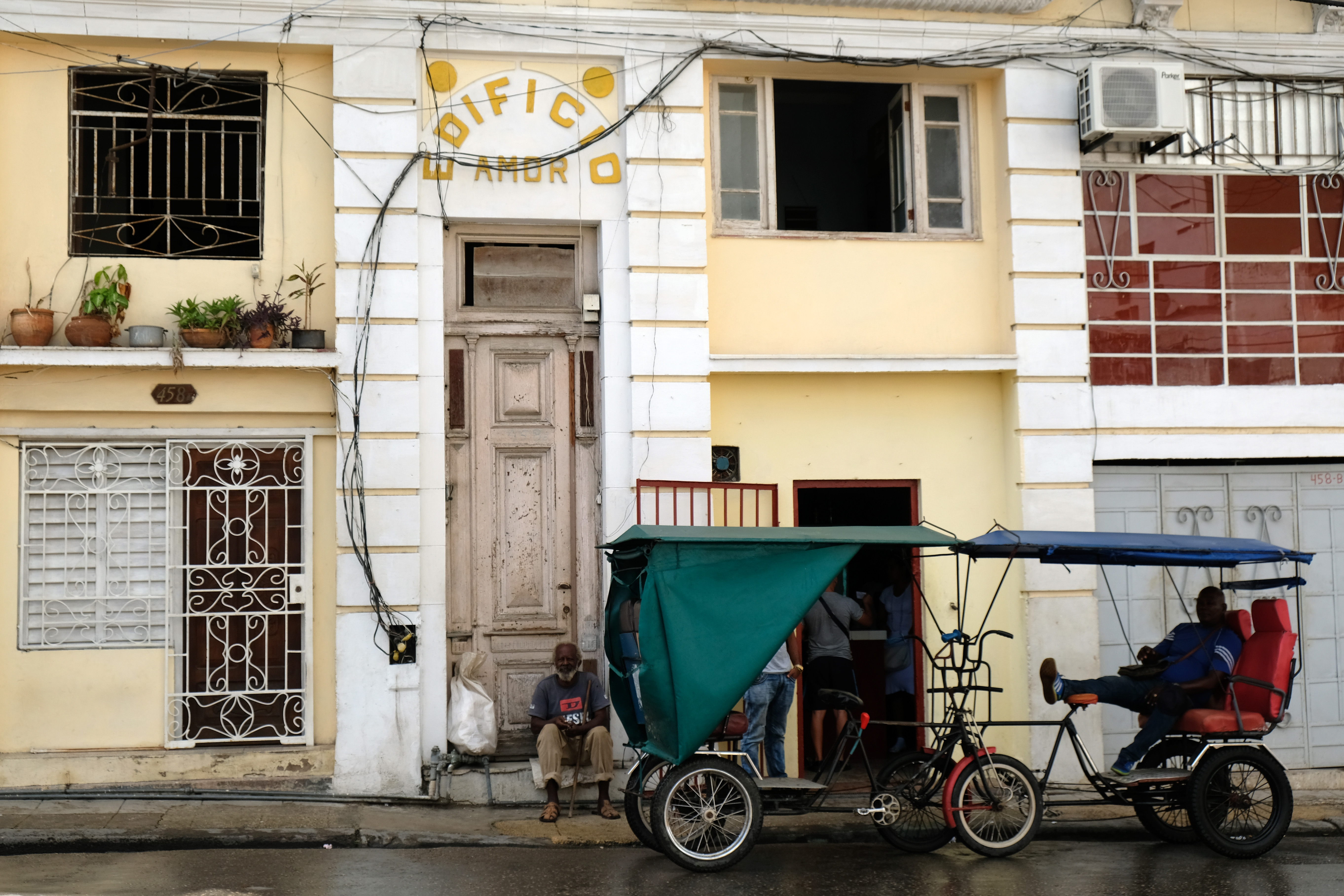
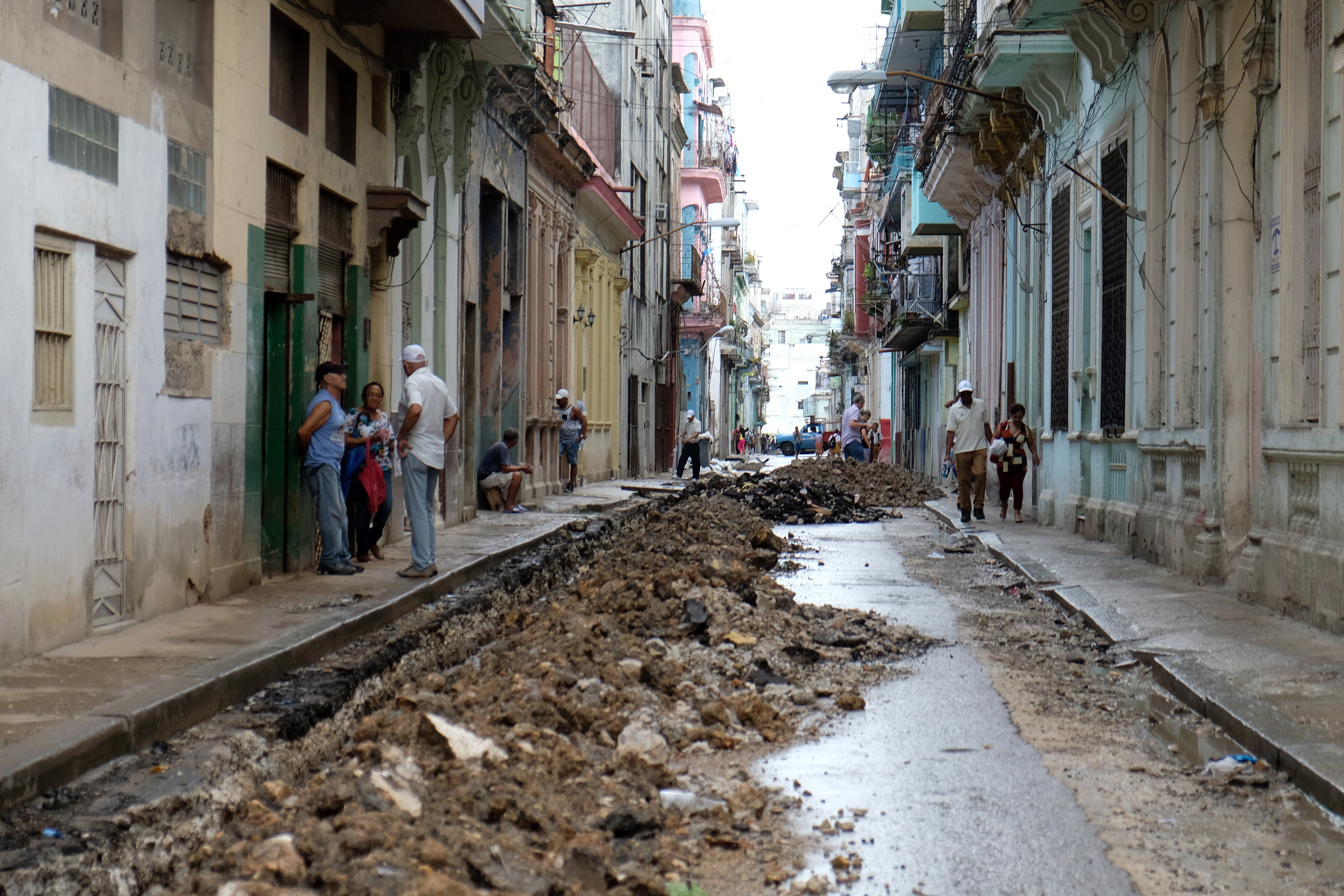
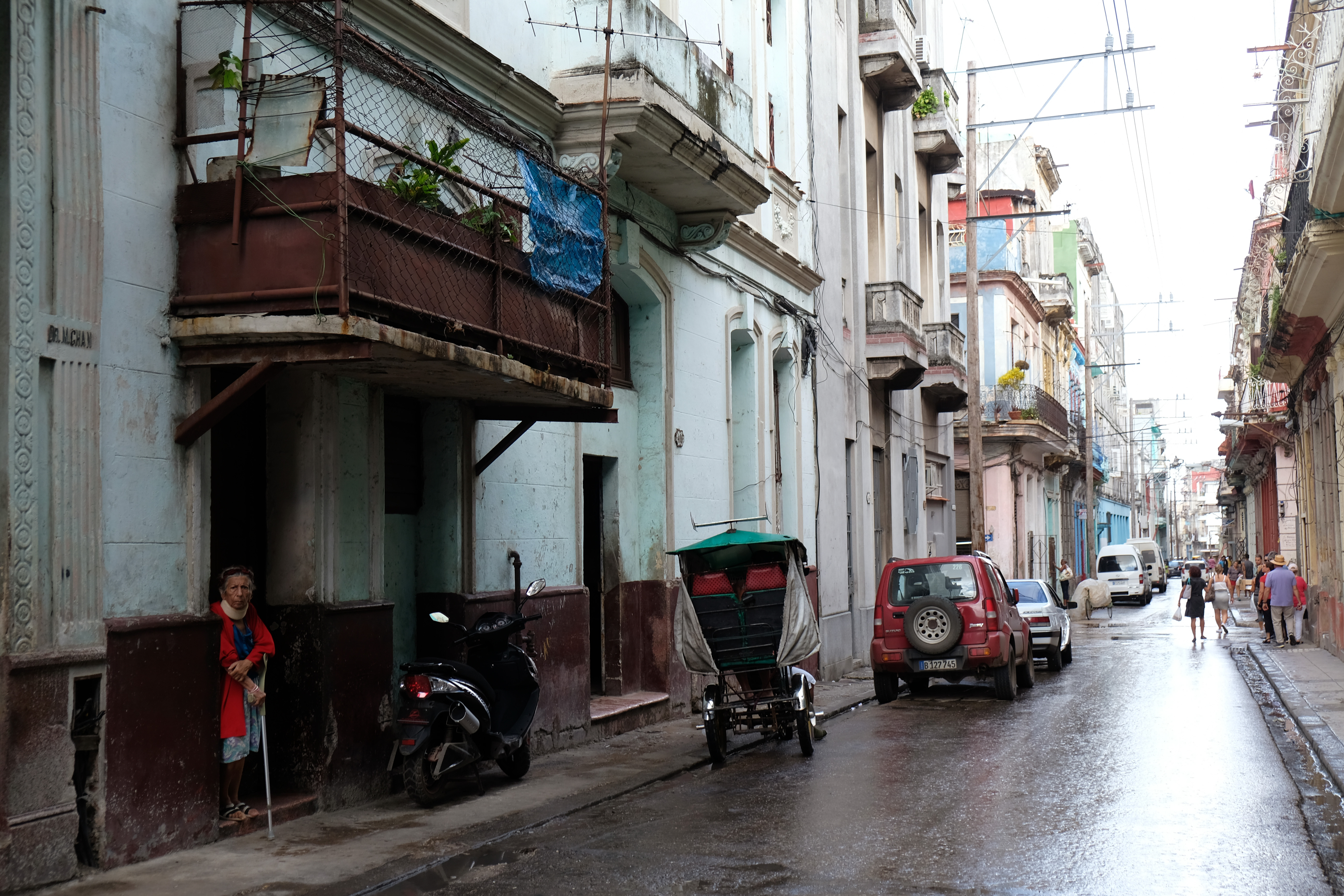
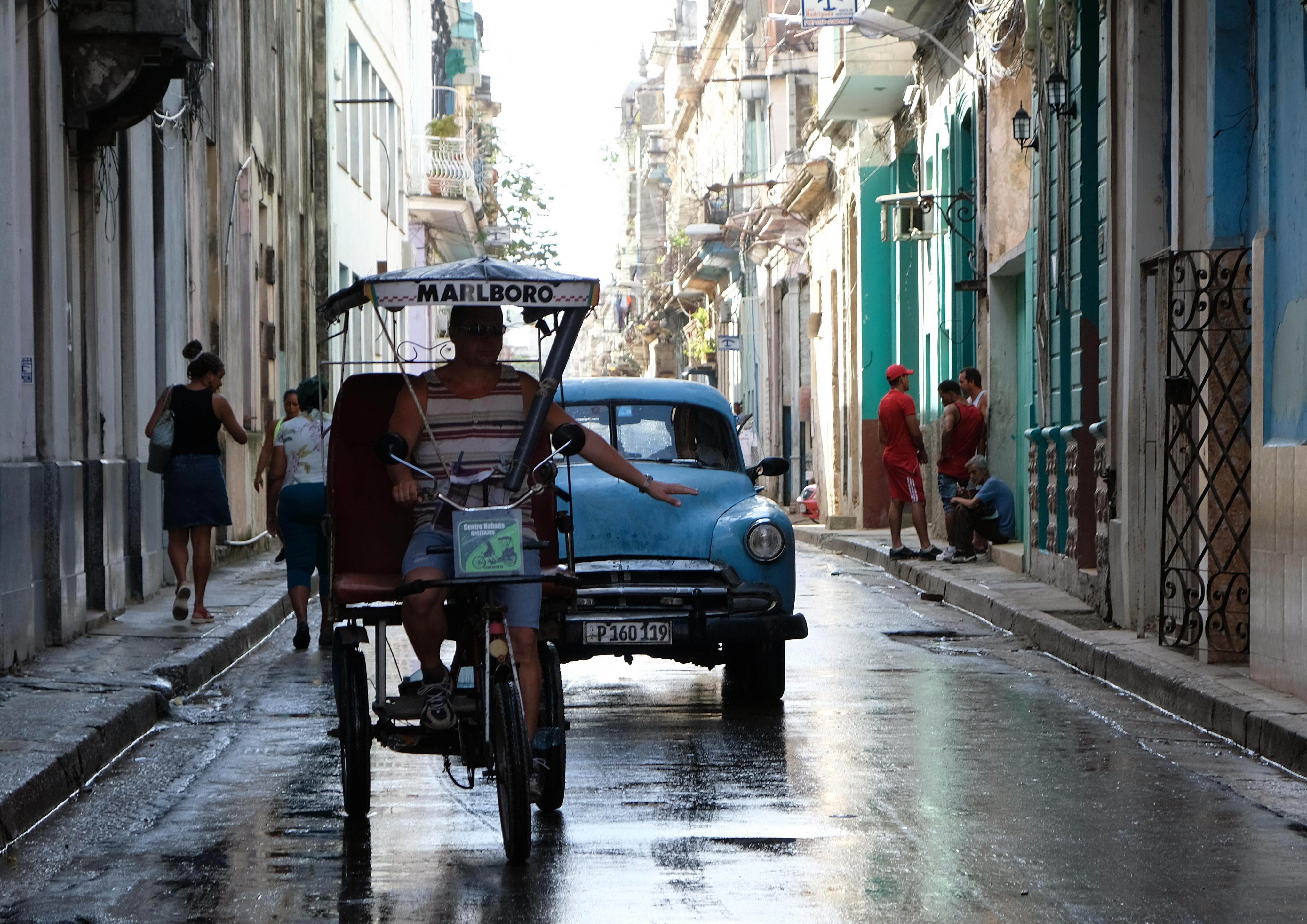
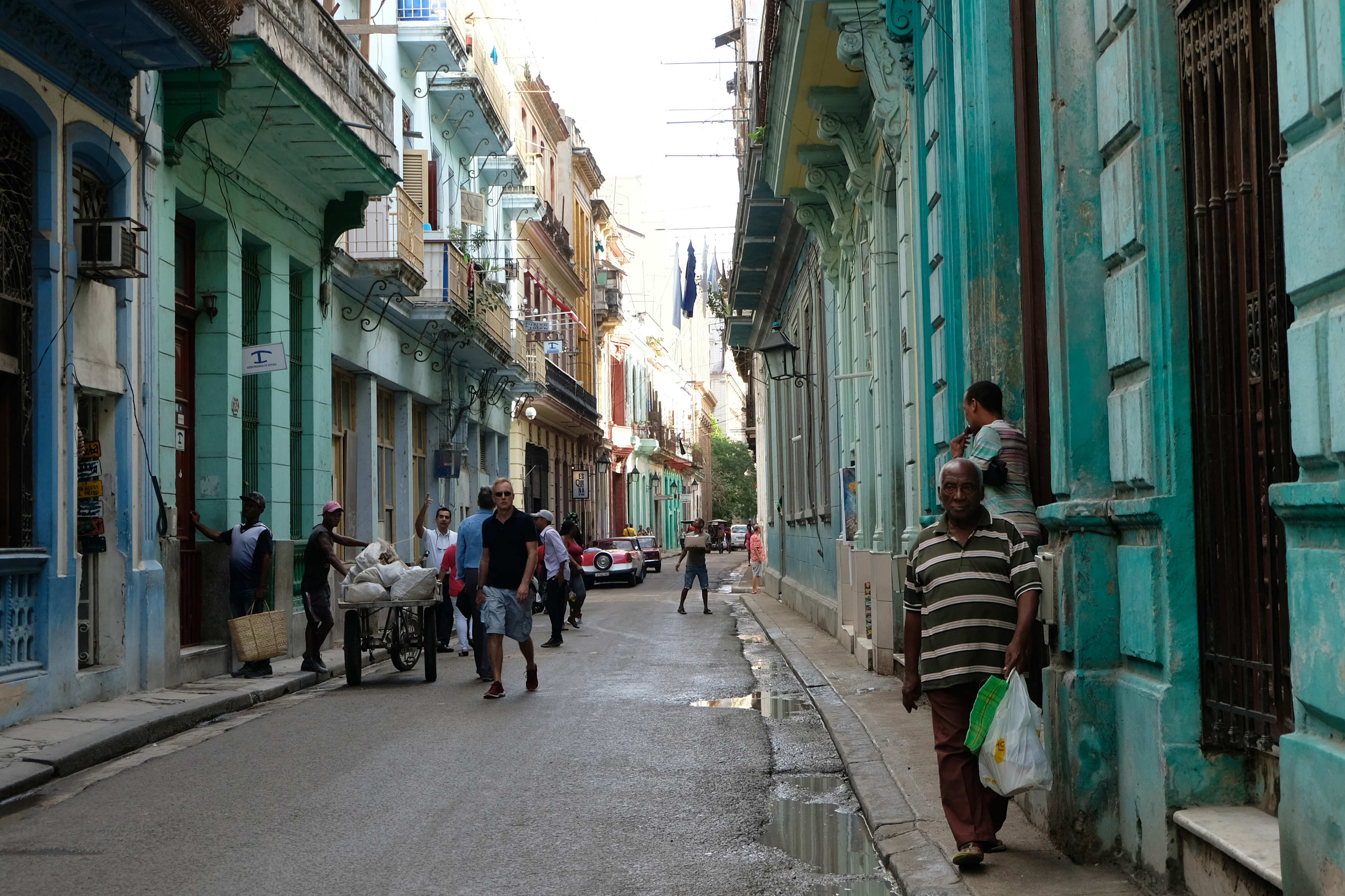
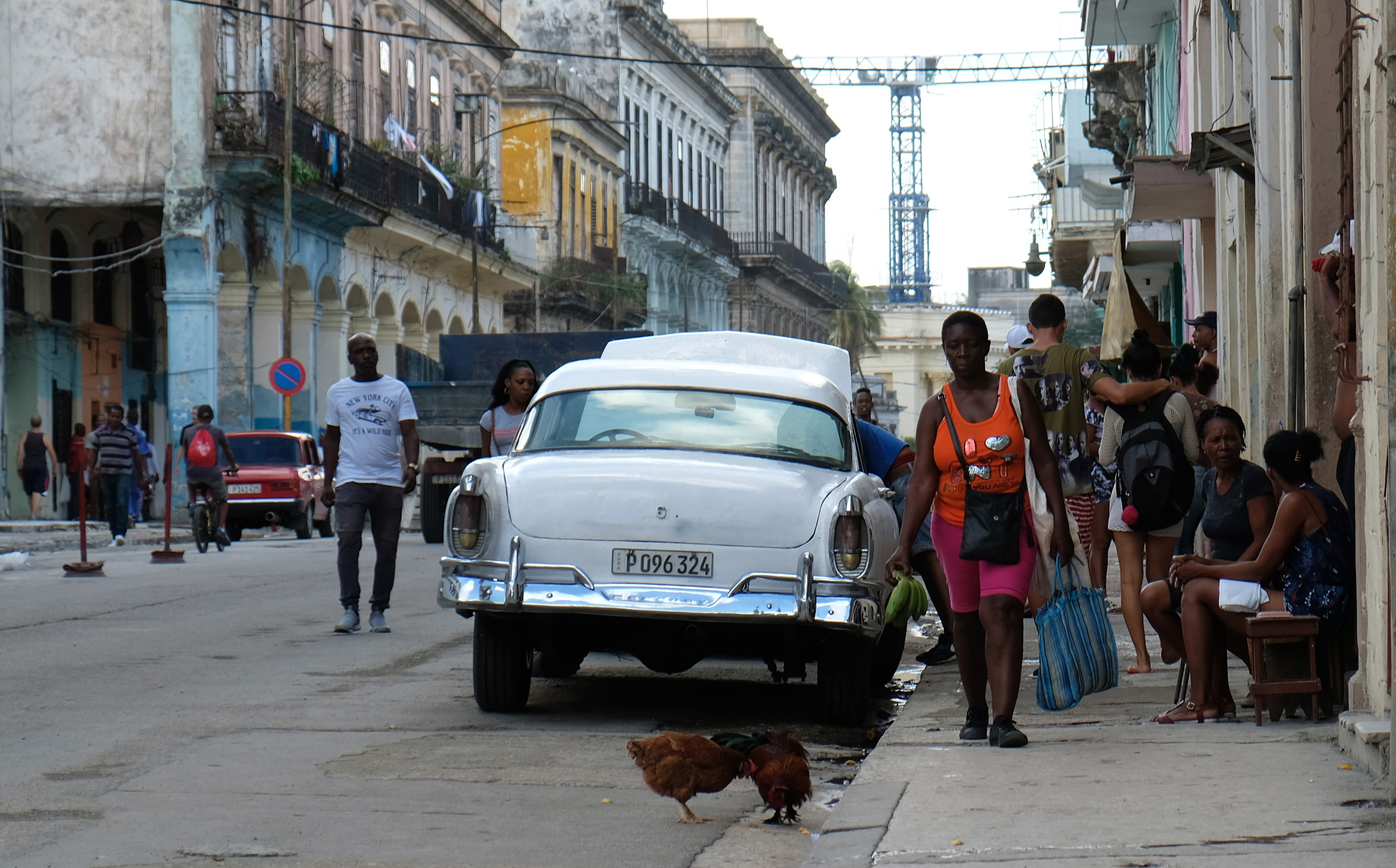
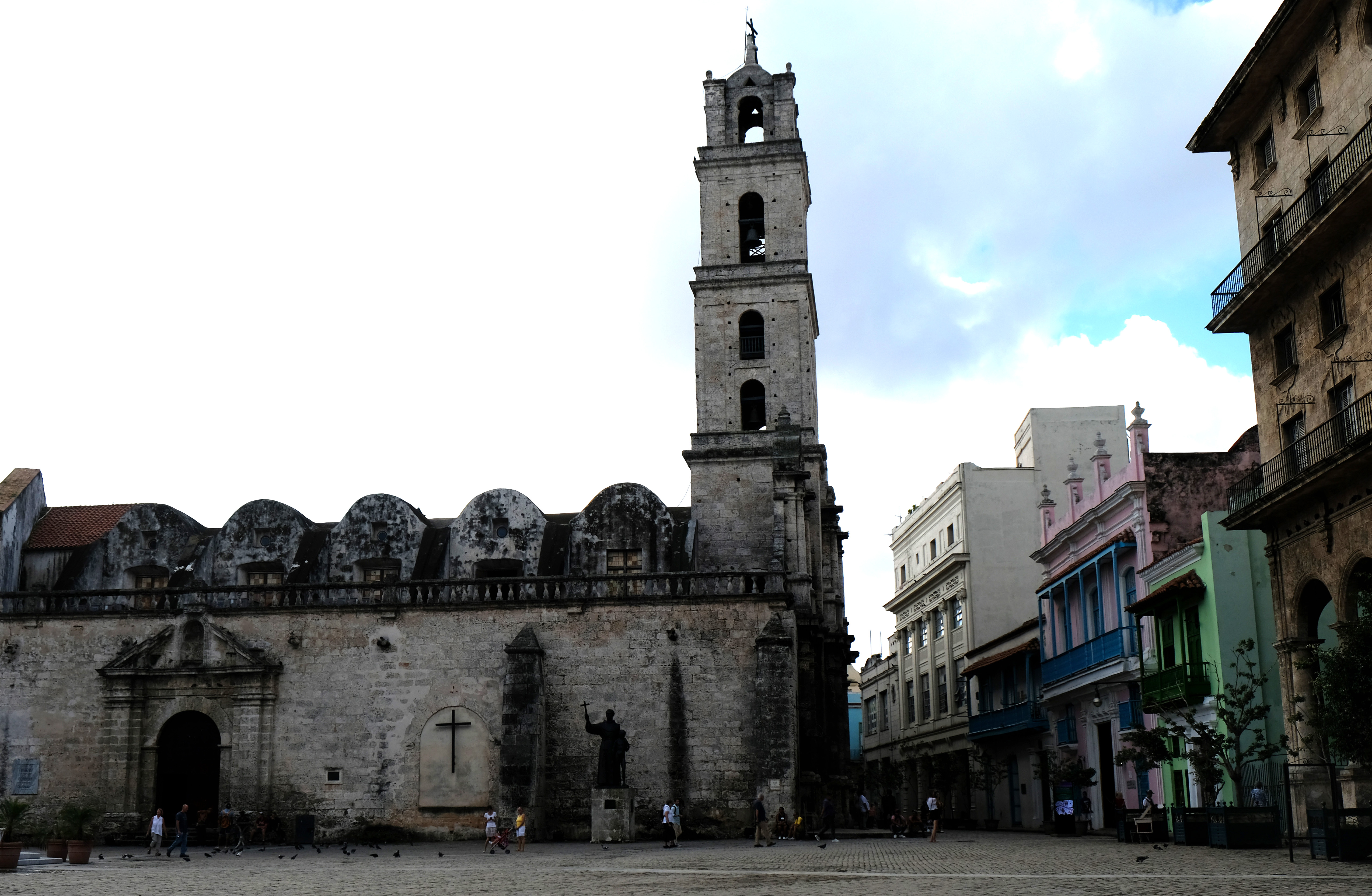
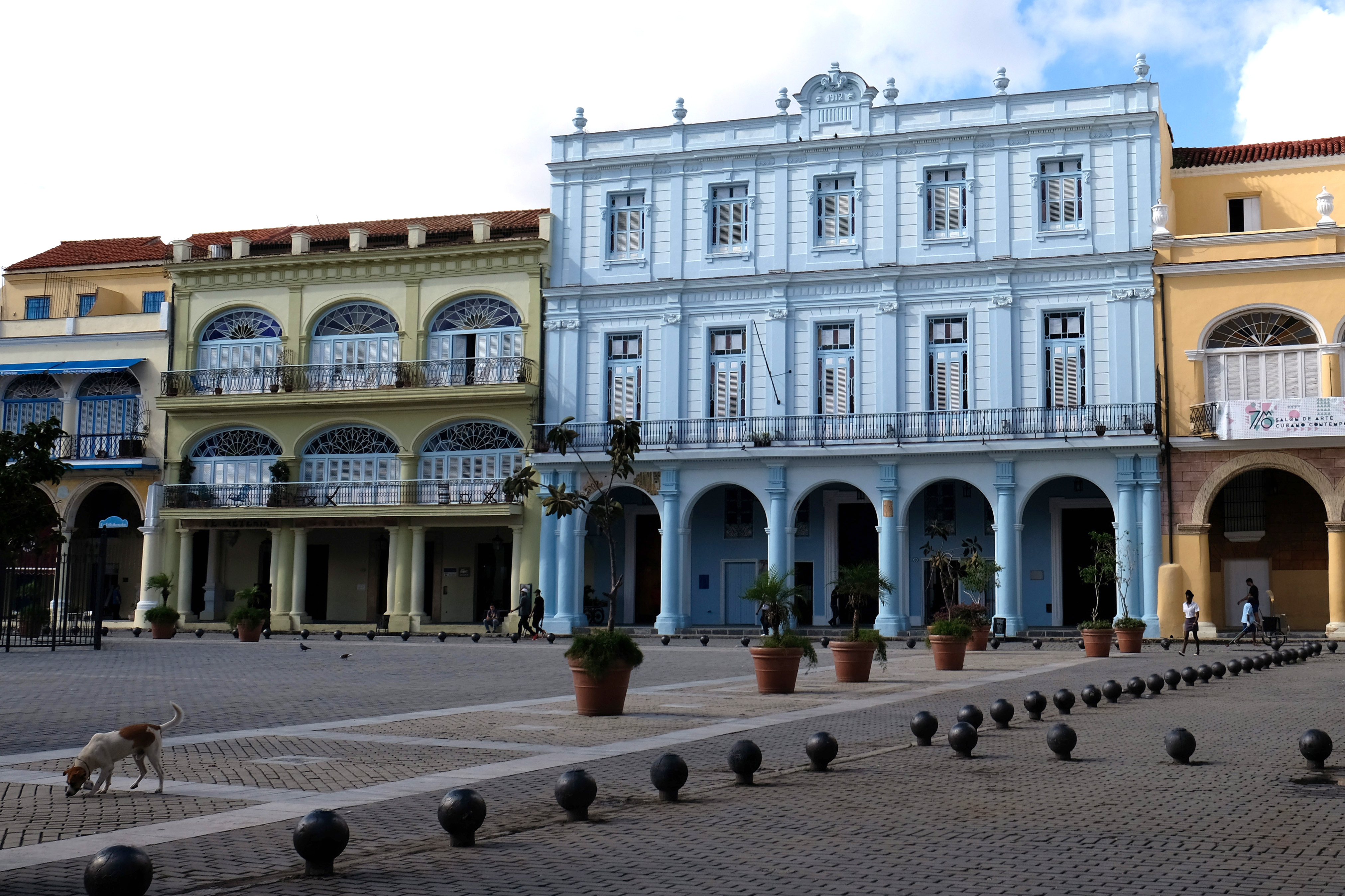
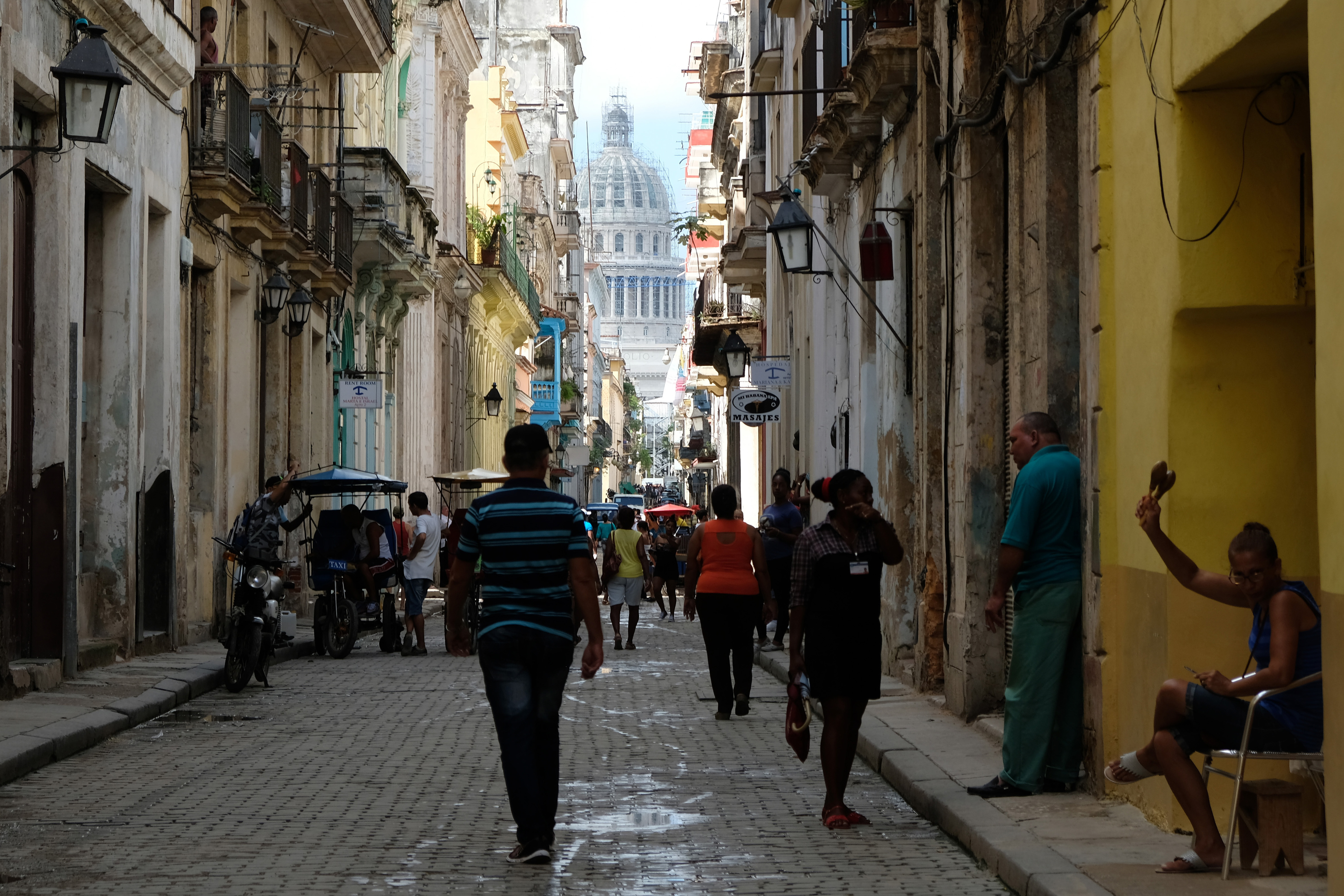
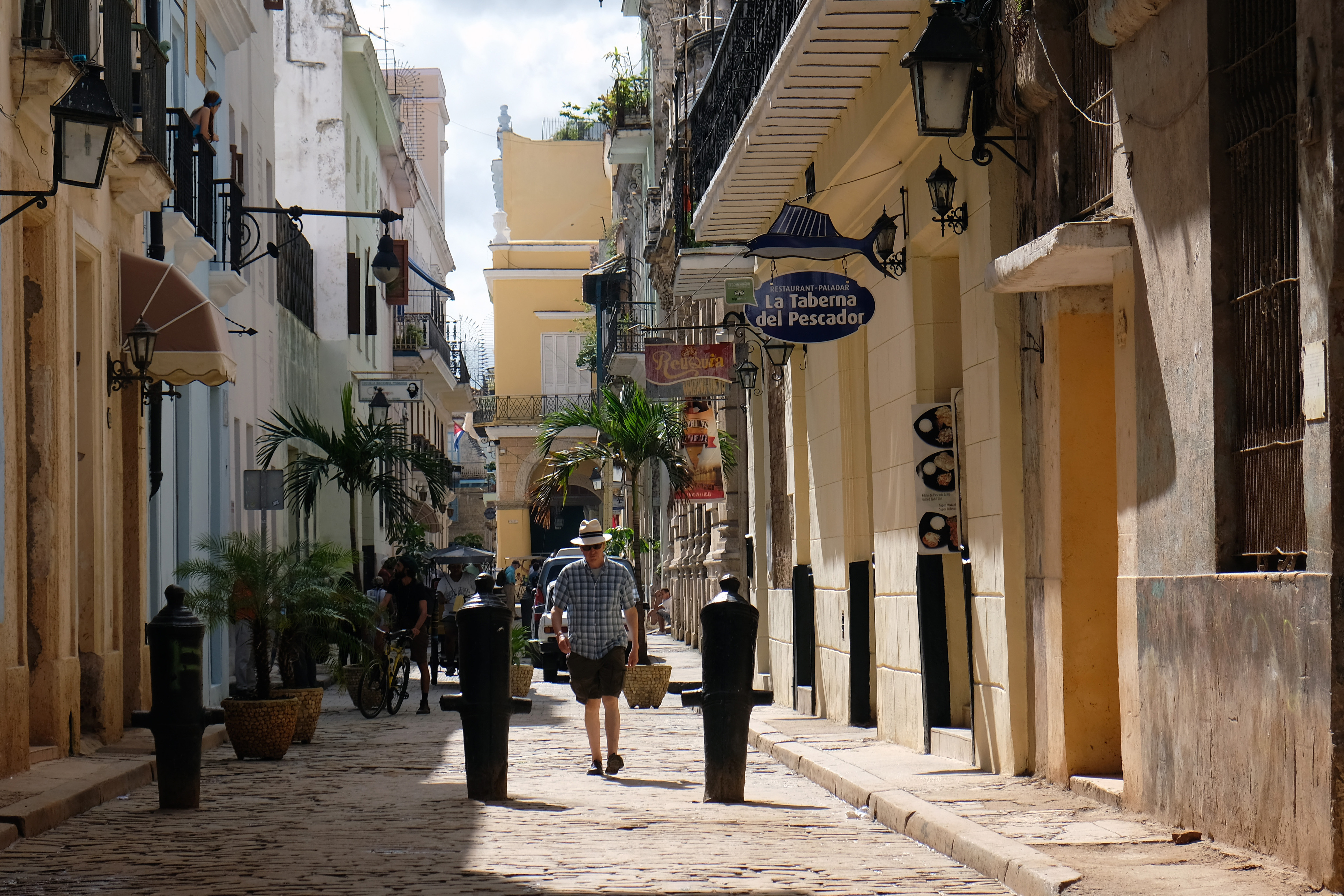
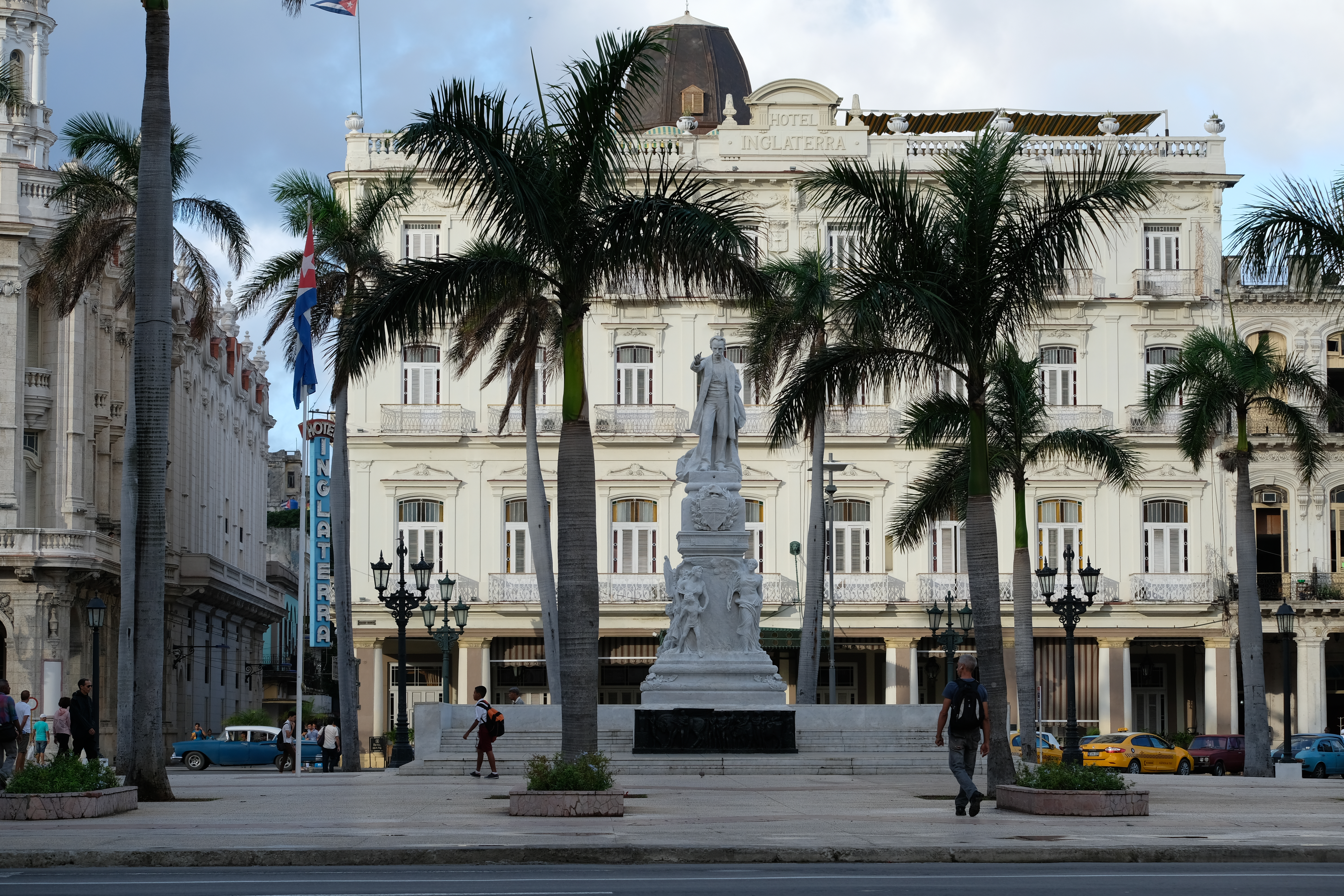
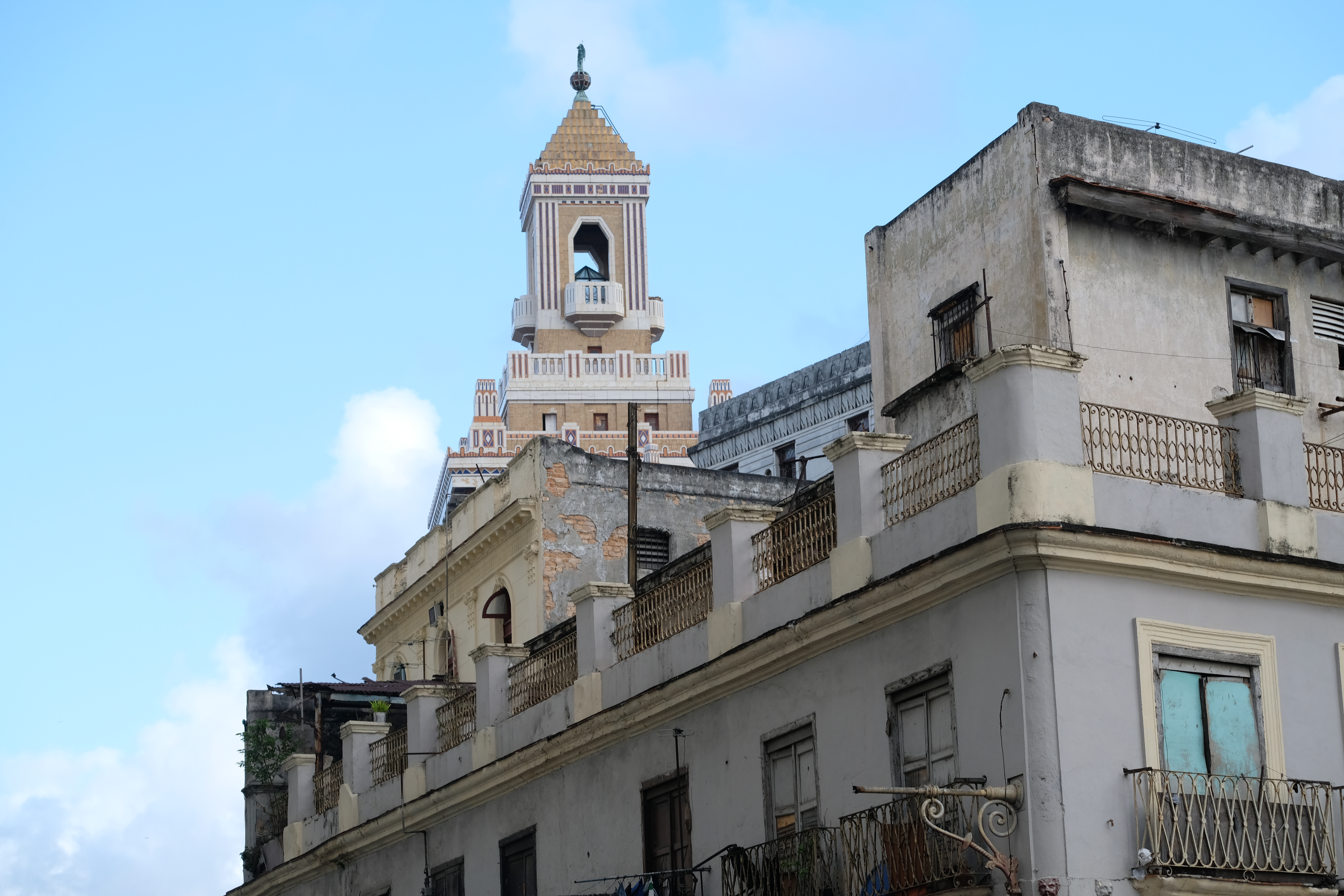
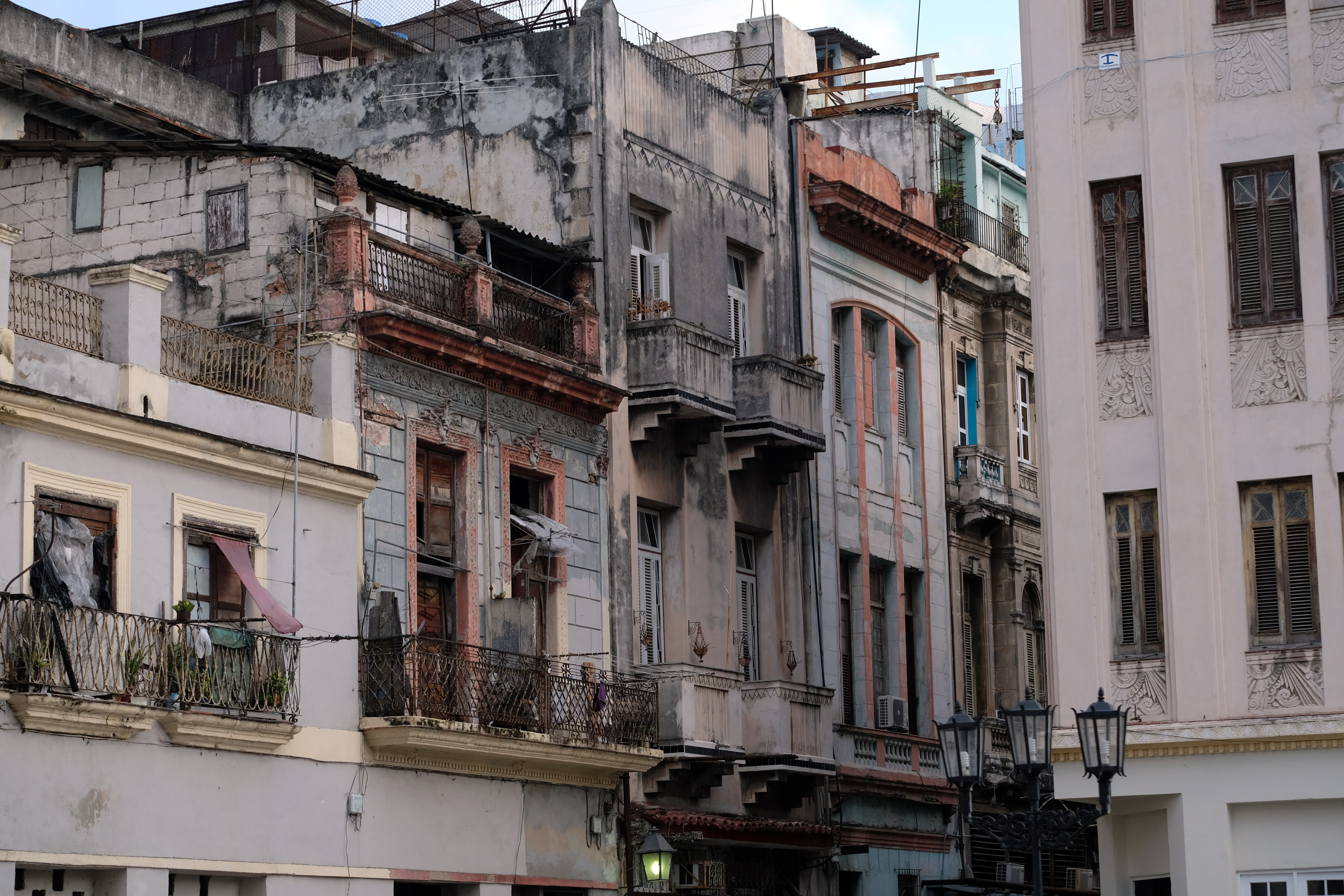
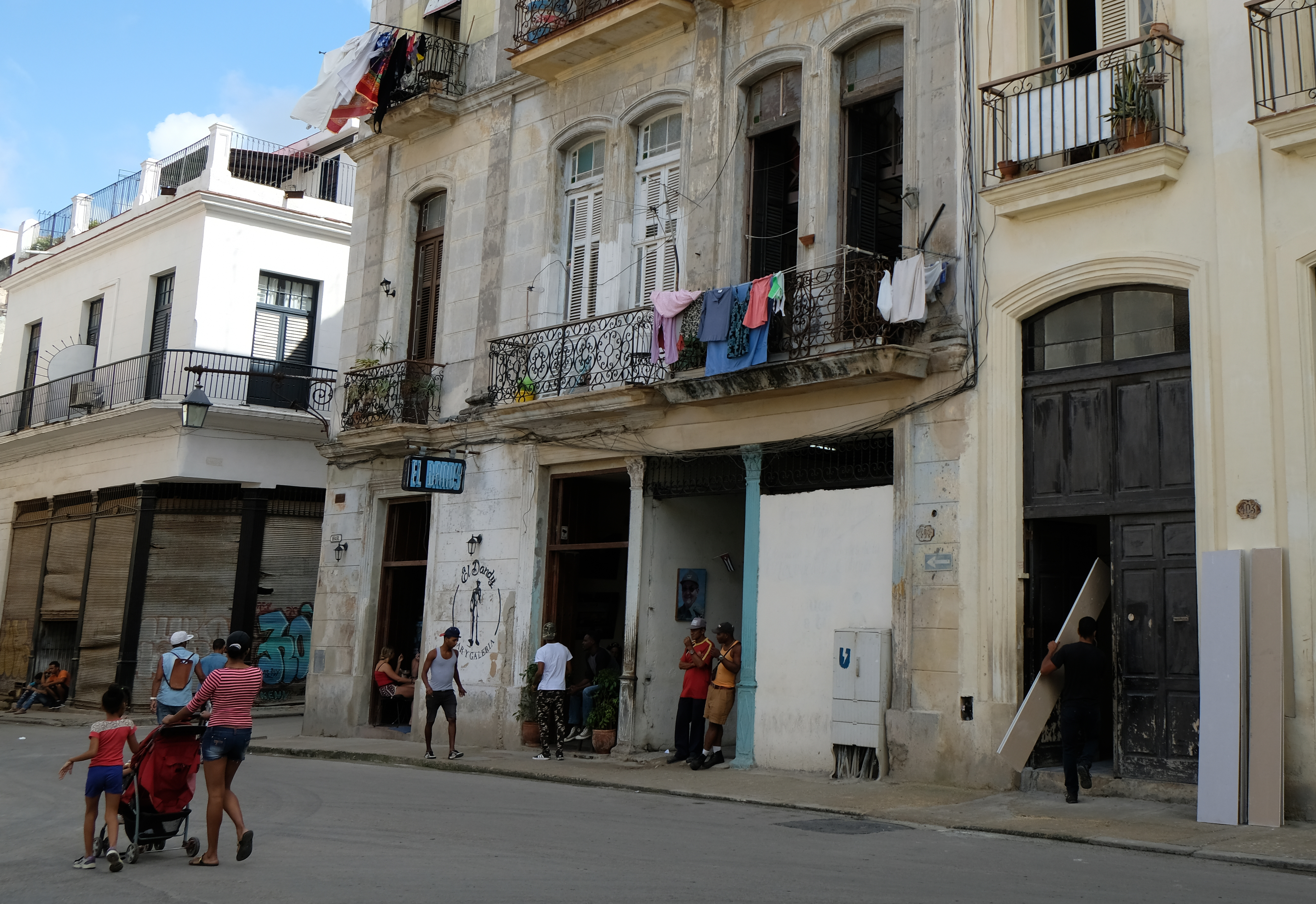
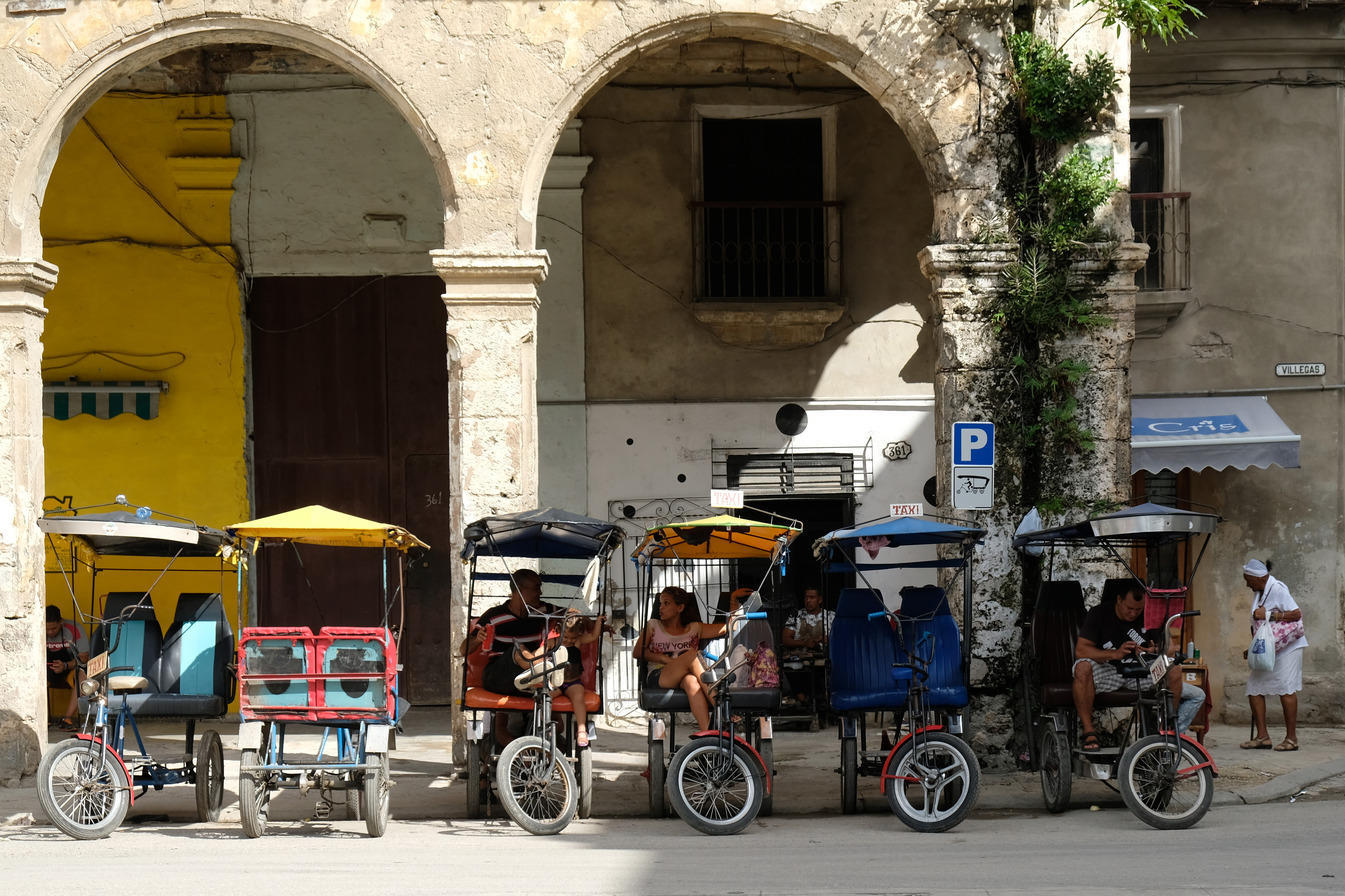
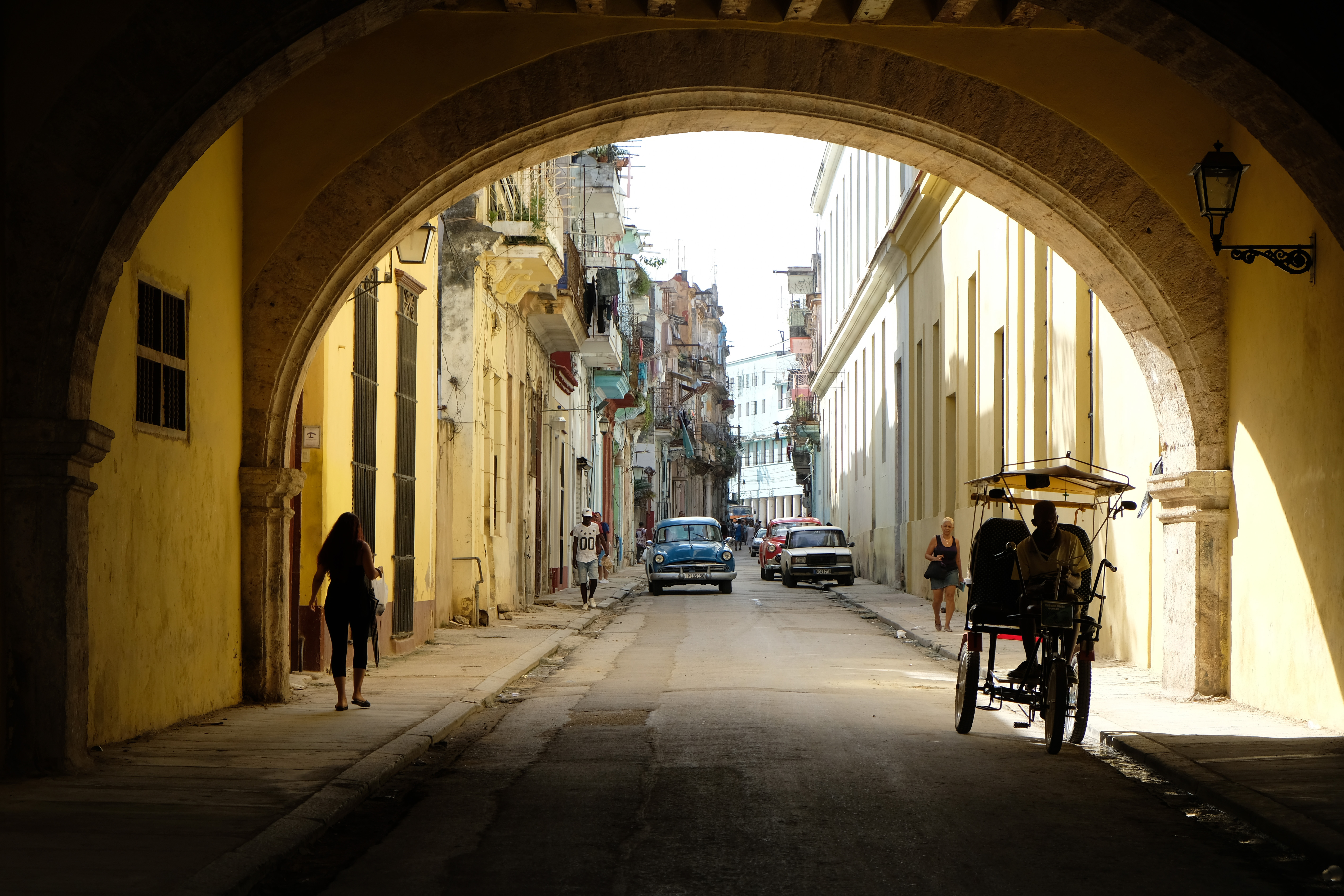
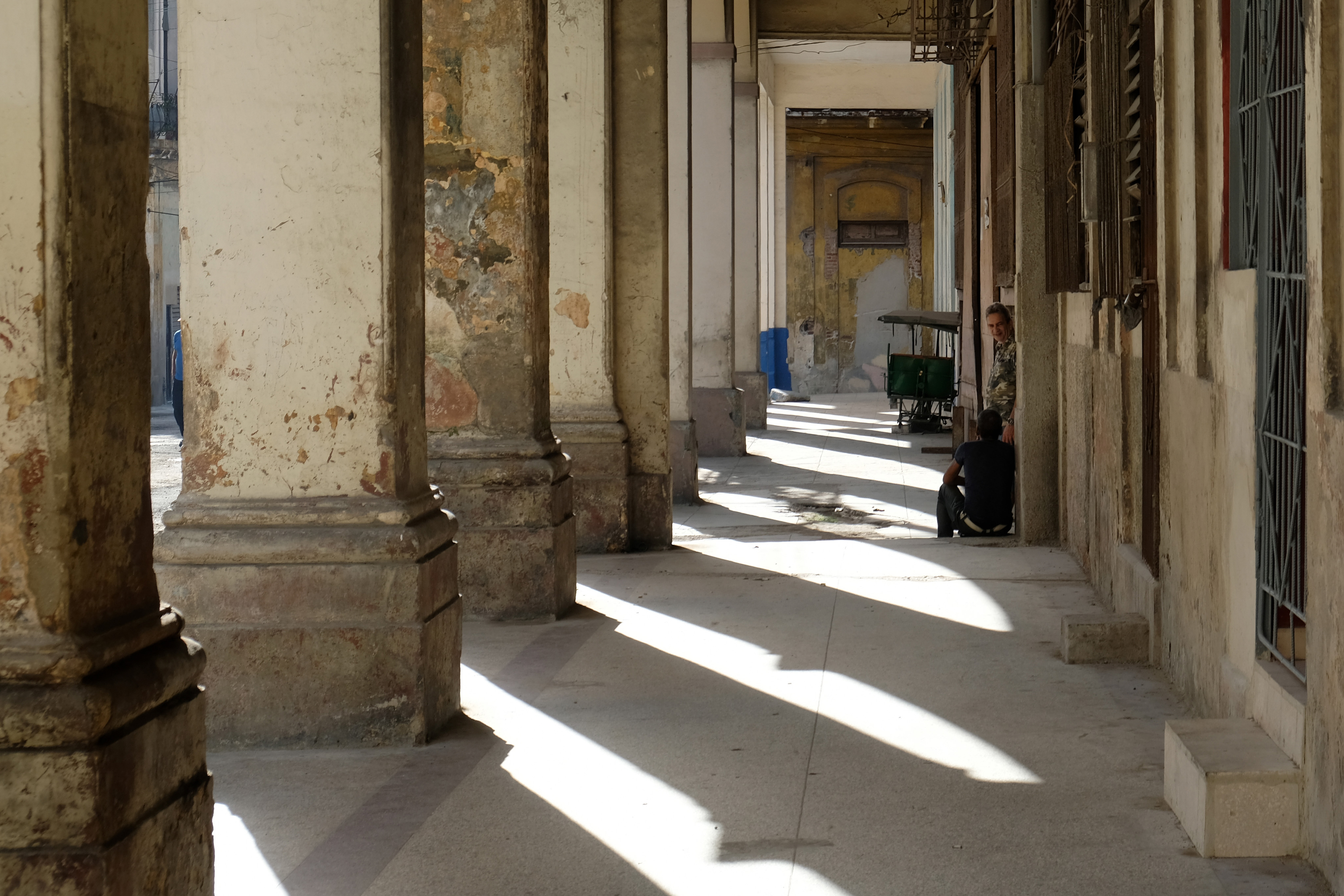
We started on foot in Habana Vieja, Havana’s Old Town – the site where the city first took root in 1519. The surprising diversity of its architecture and kaleidoscope of citizens makes it feel like you are somehow living in the past and the present at the same time. The phrase, frozen in time, is heard over and over again.
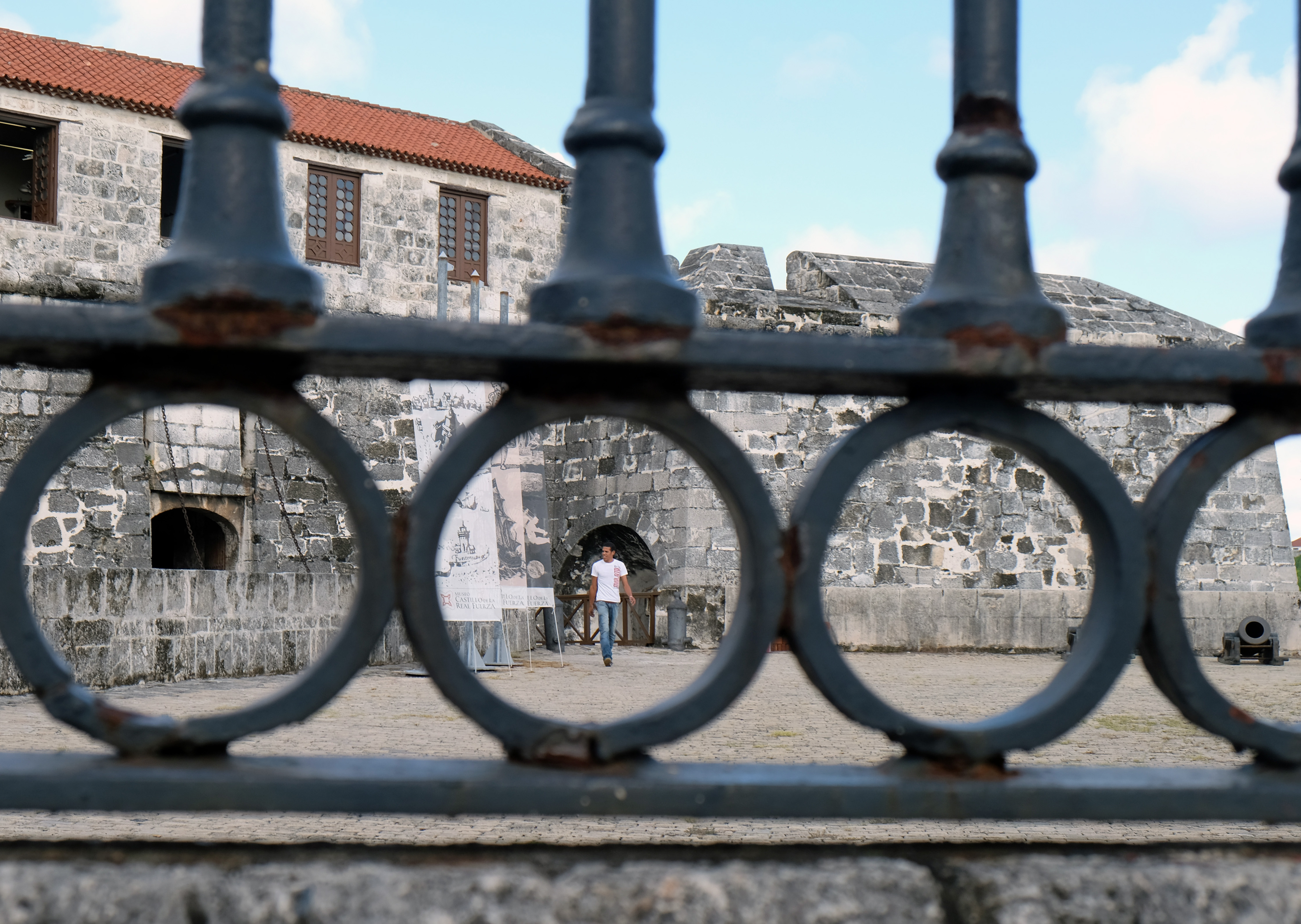
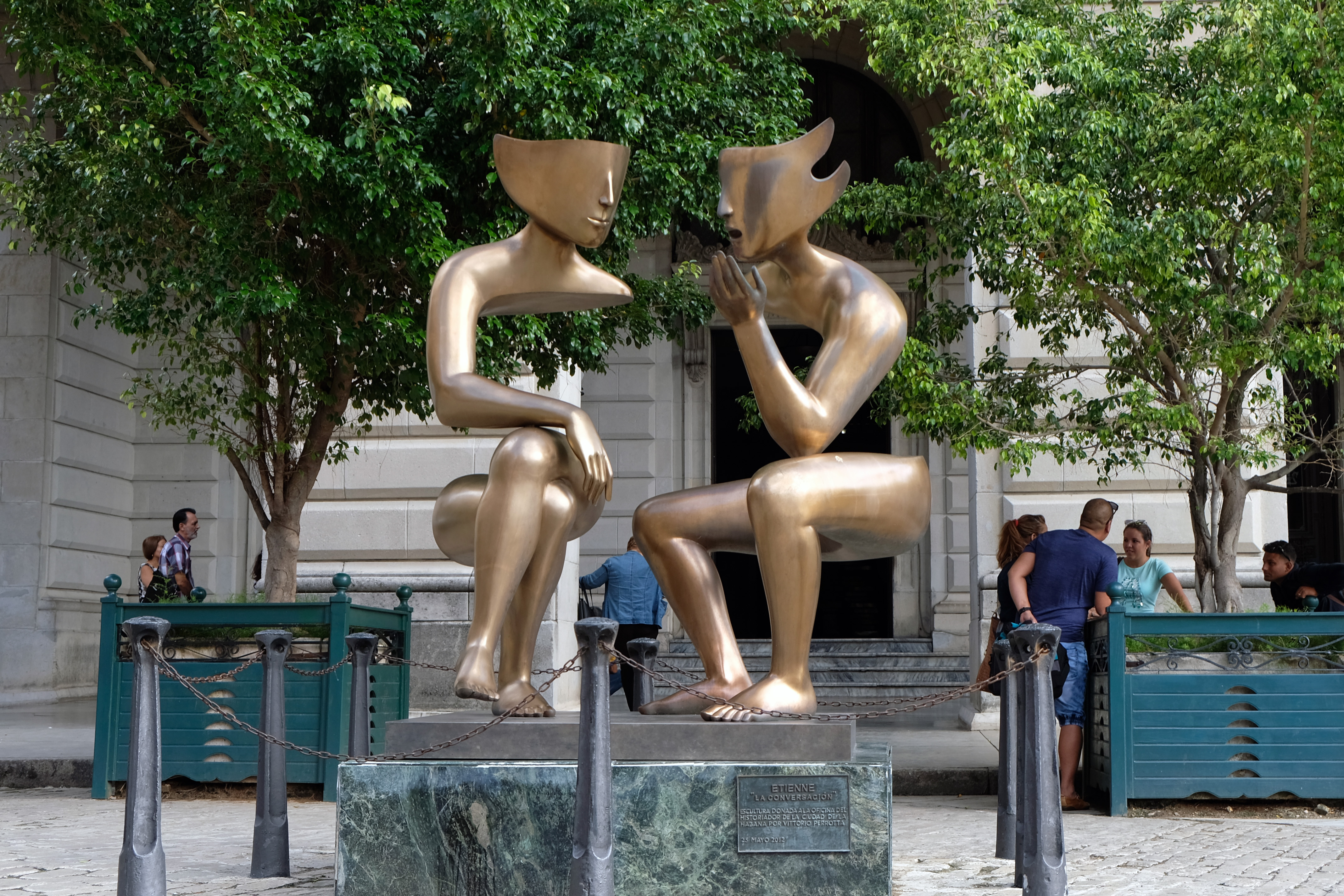
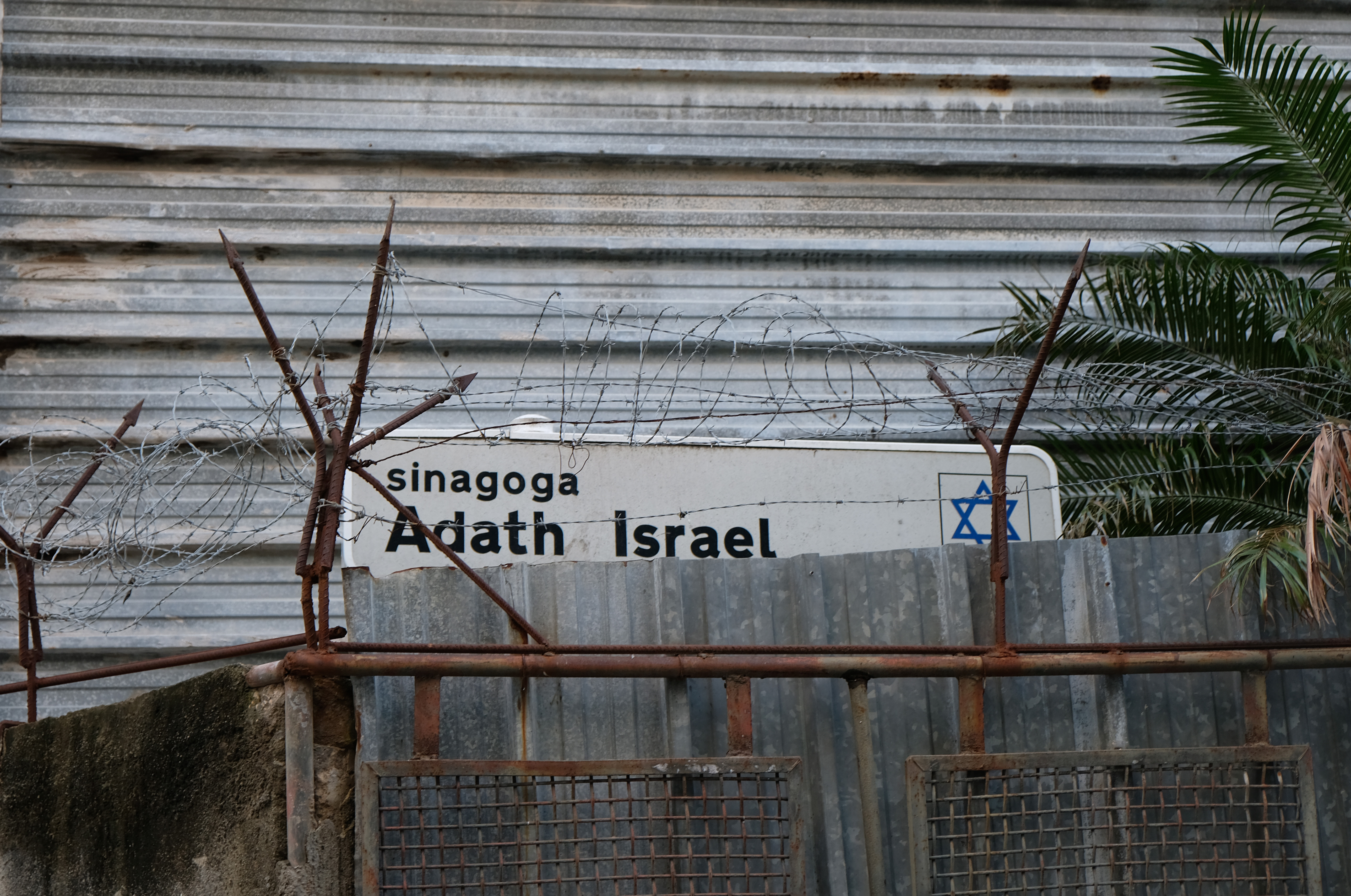
The only barbed wire we noticed was surrounding the synagogue in Old Havana.
The school children, taking a class photo, engaged with Mark waving hello.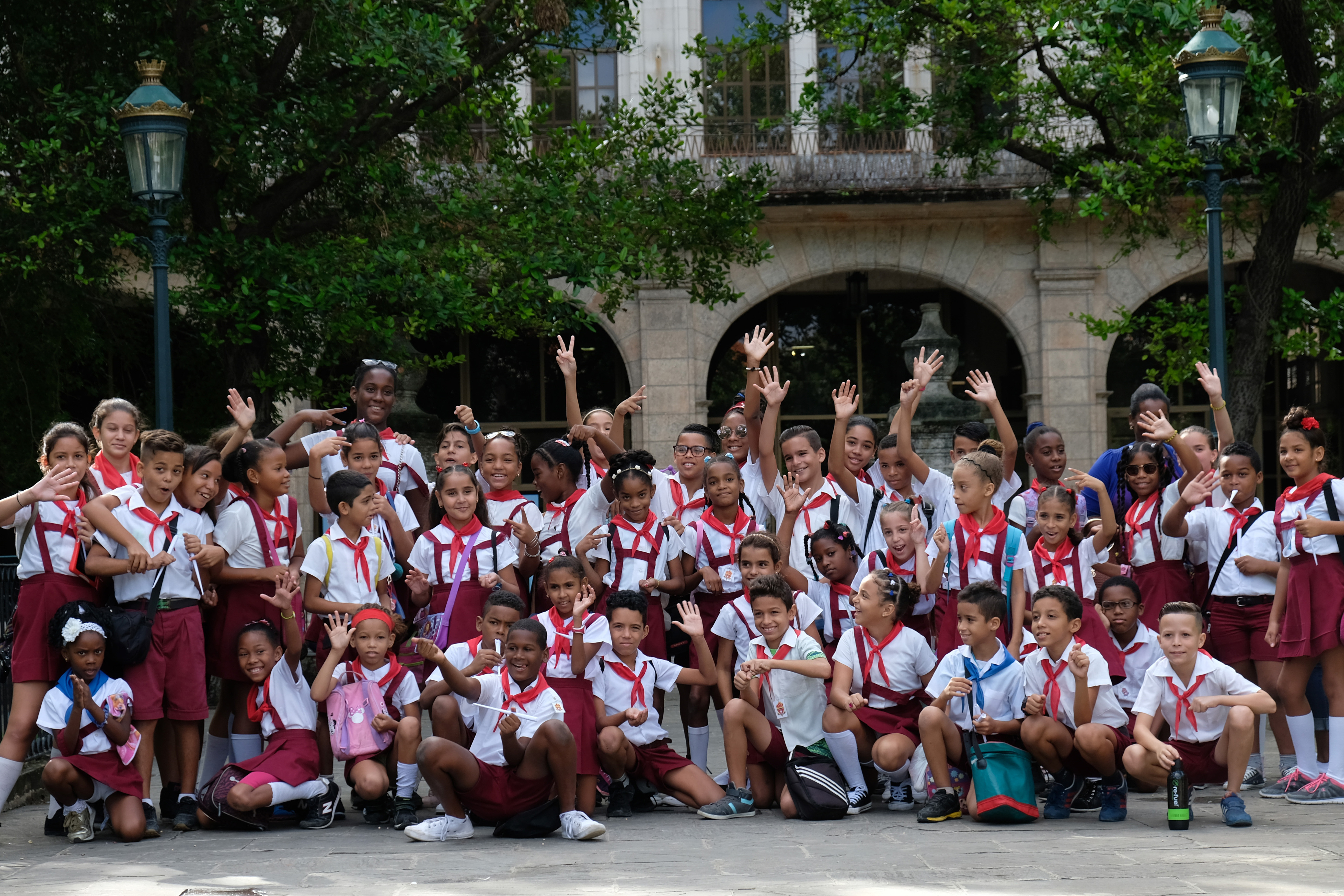
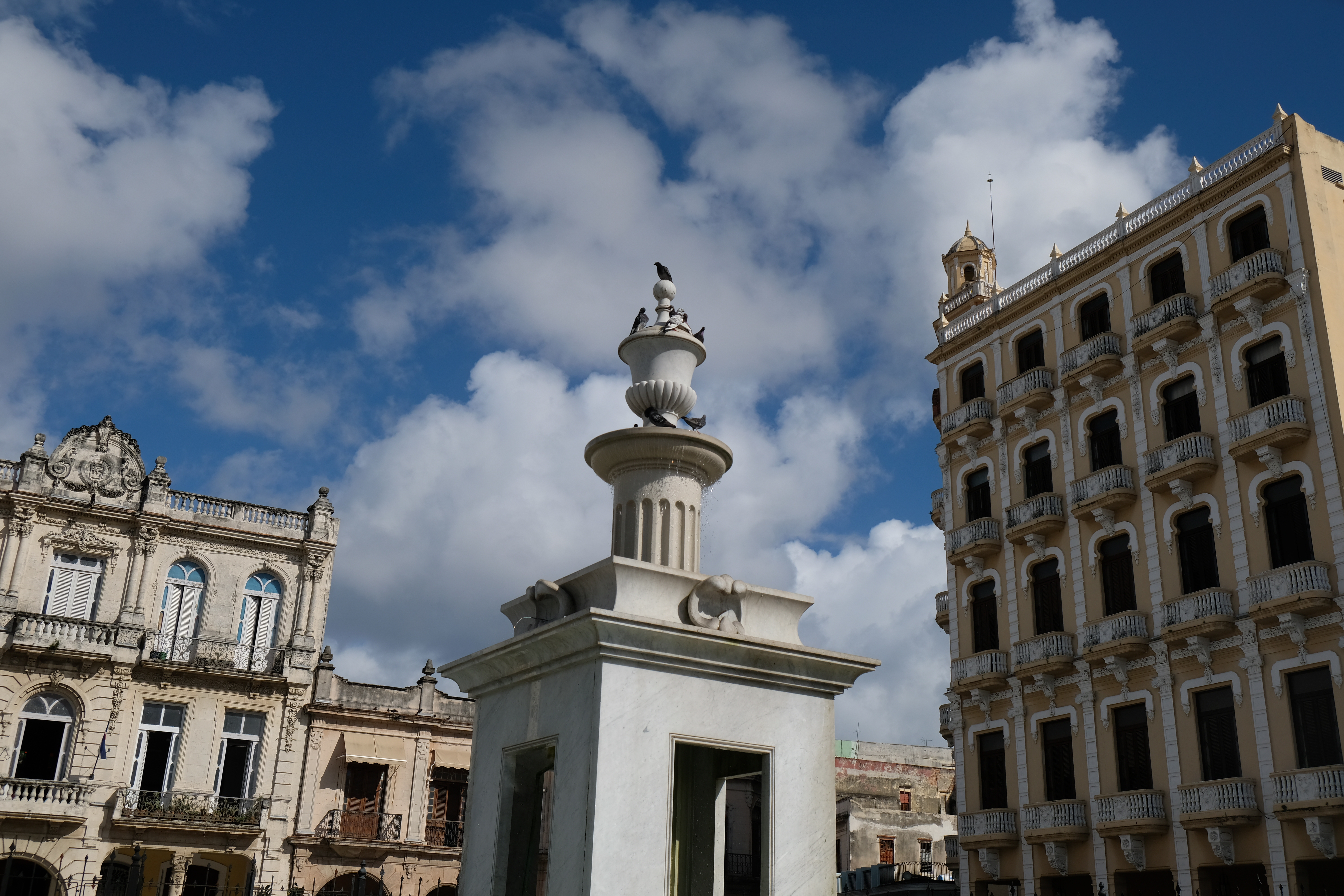
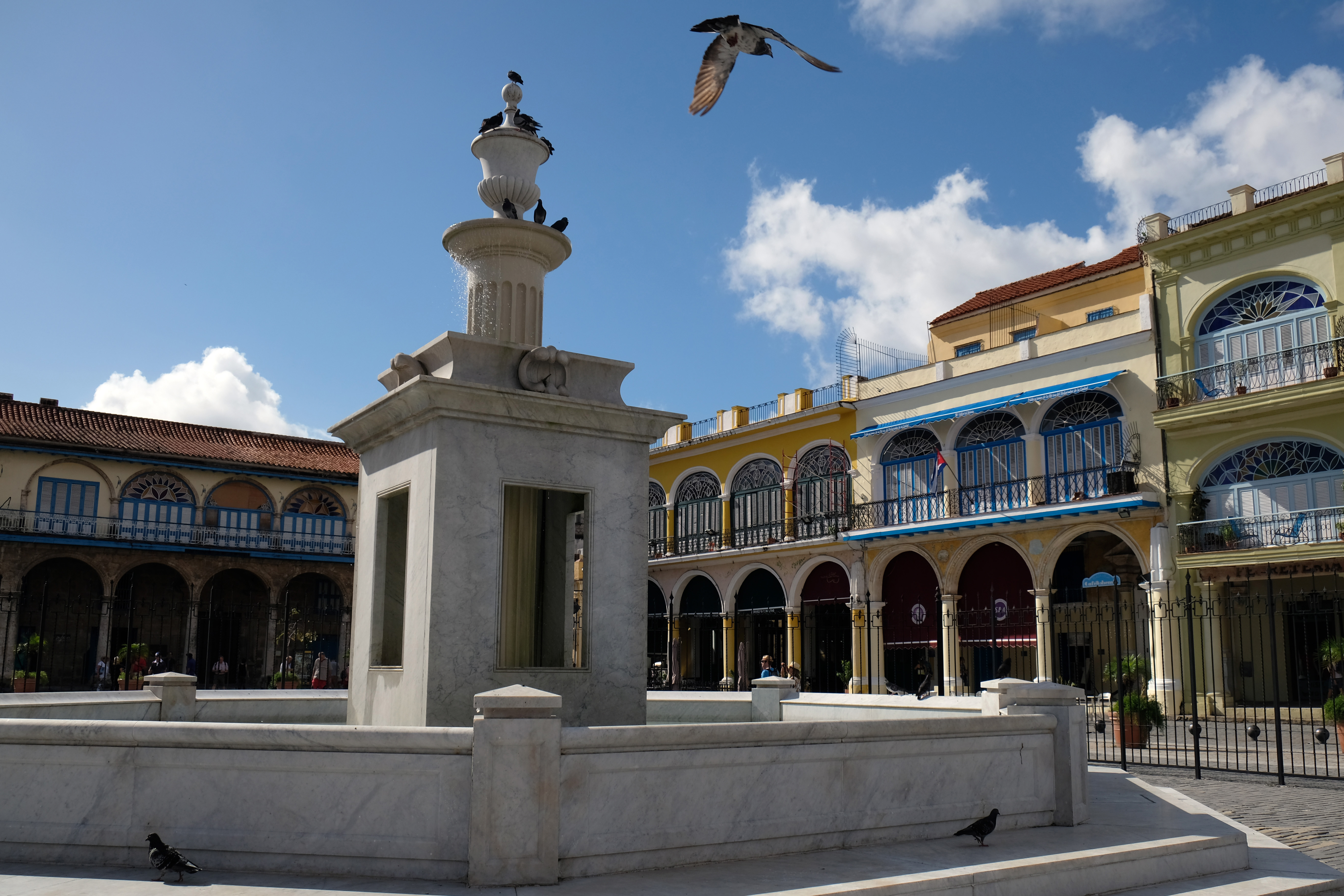
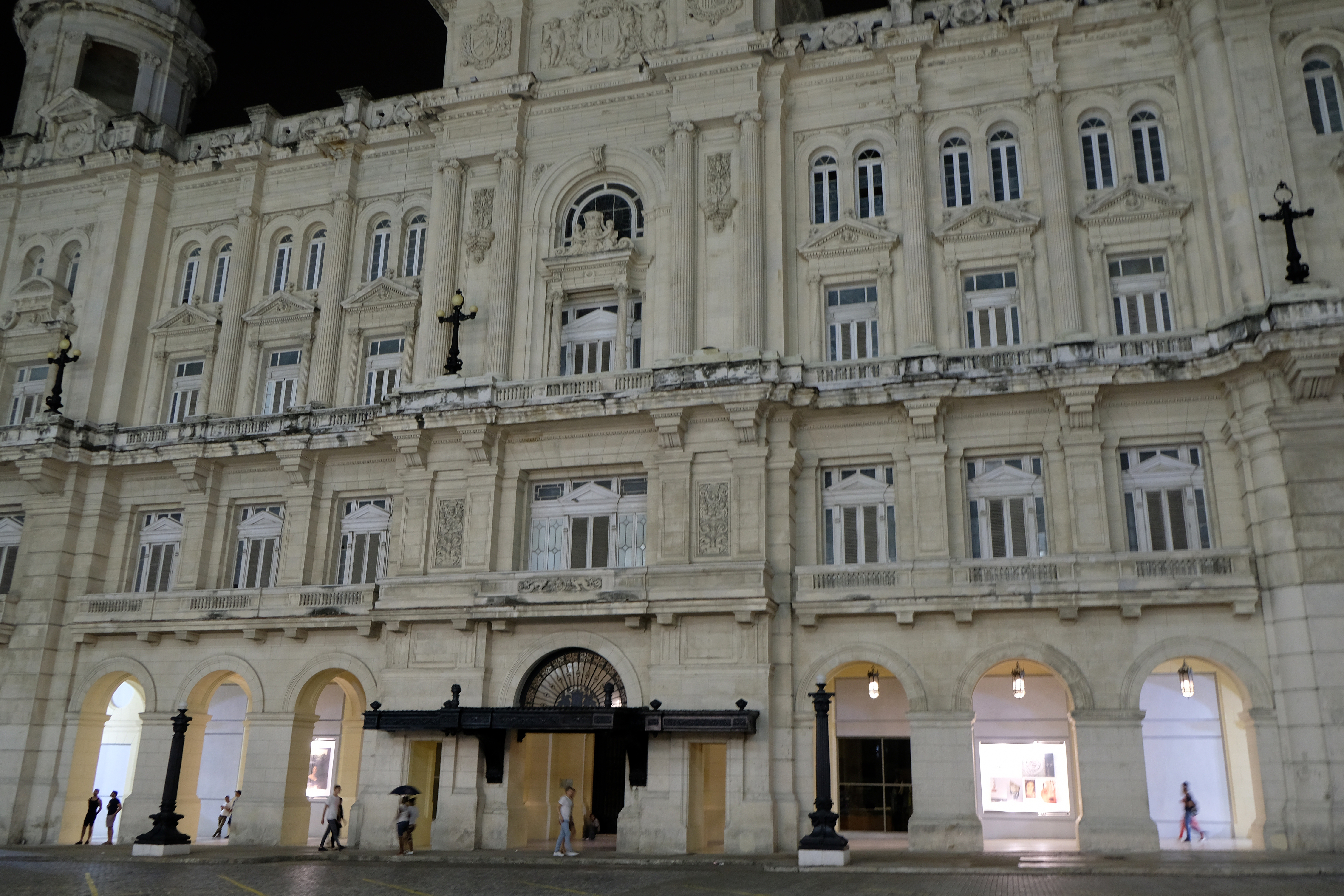
The squares were well preserved and often felt like we were somewhere in Europe.
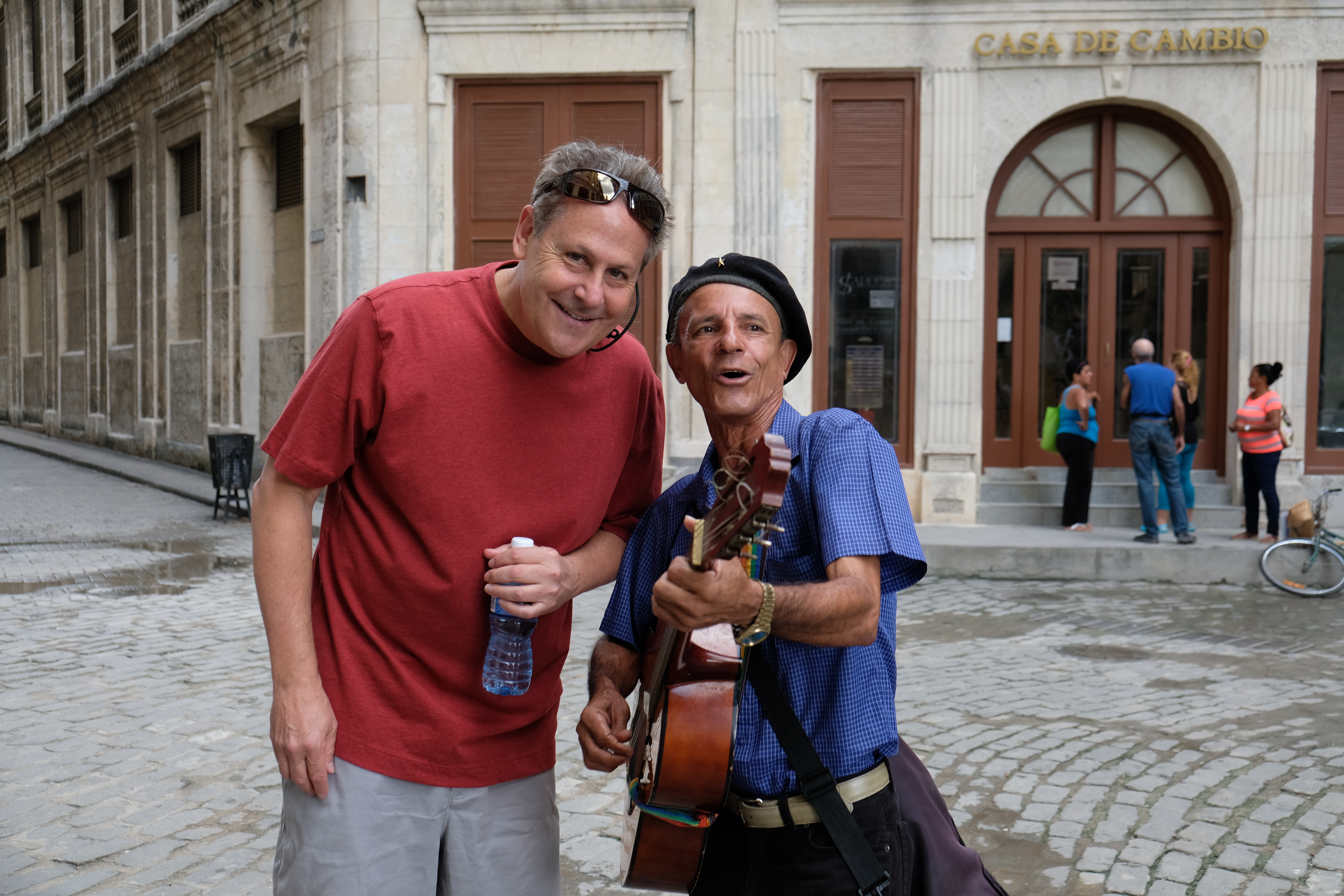
The music was strictly Cuban.
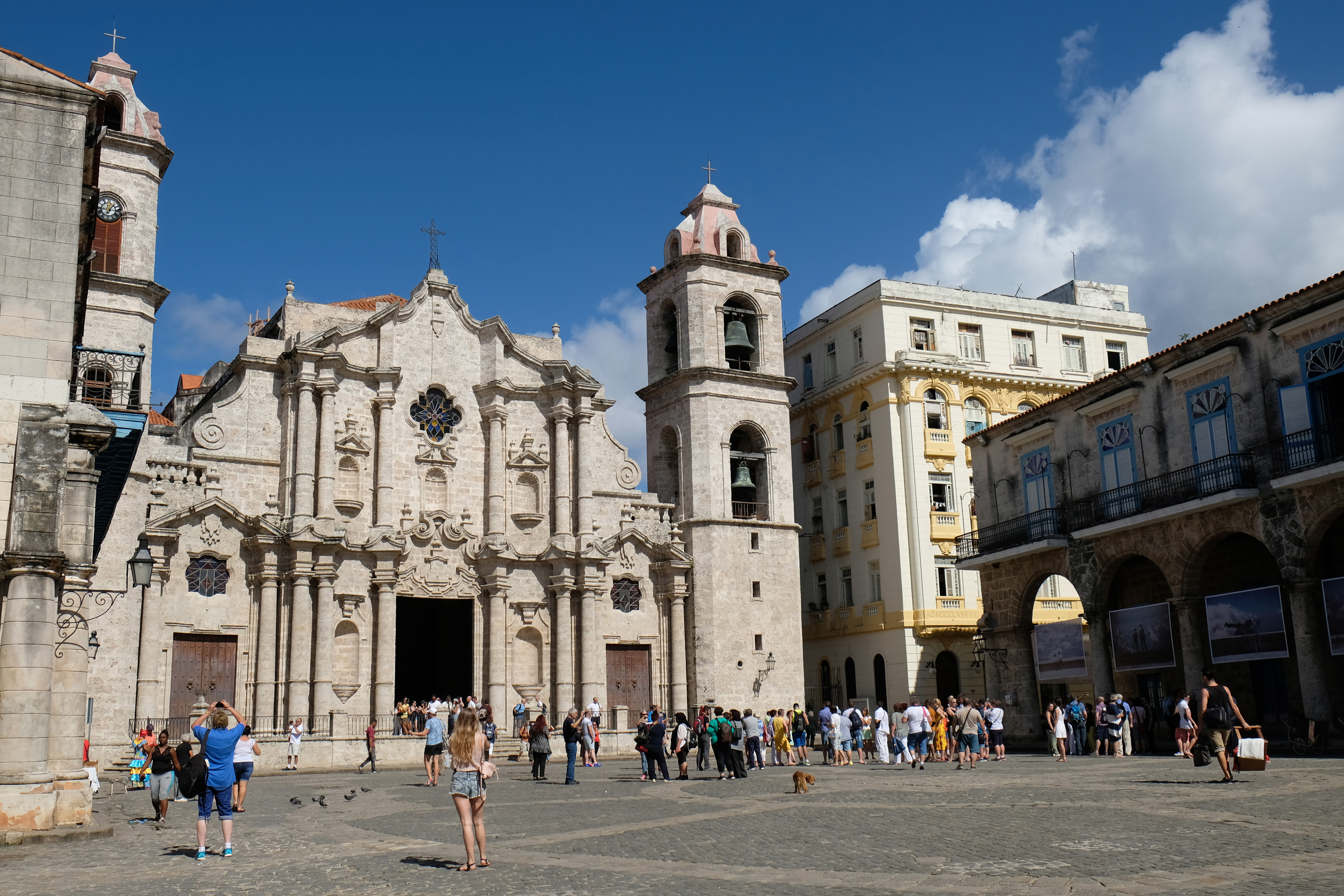
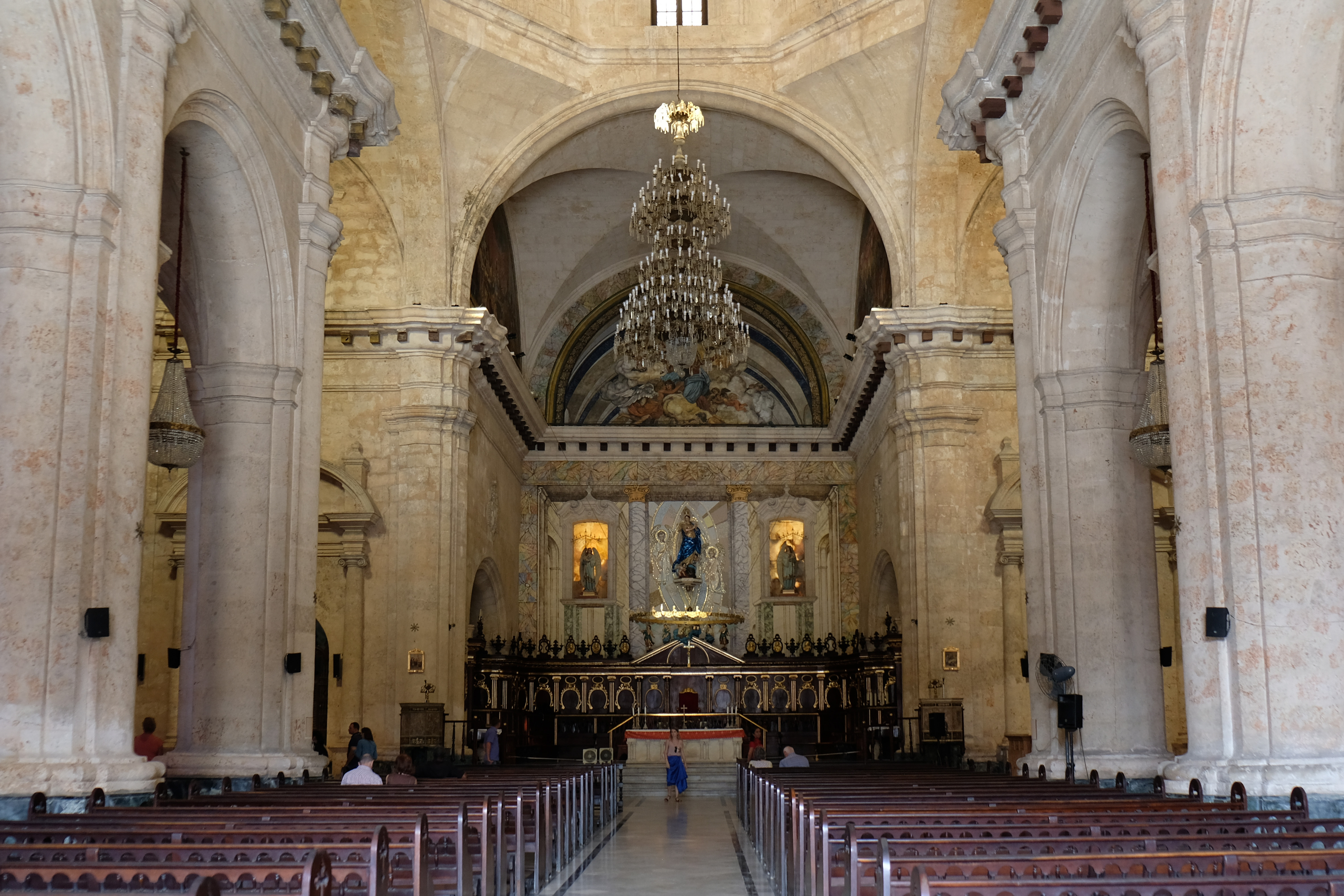
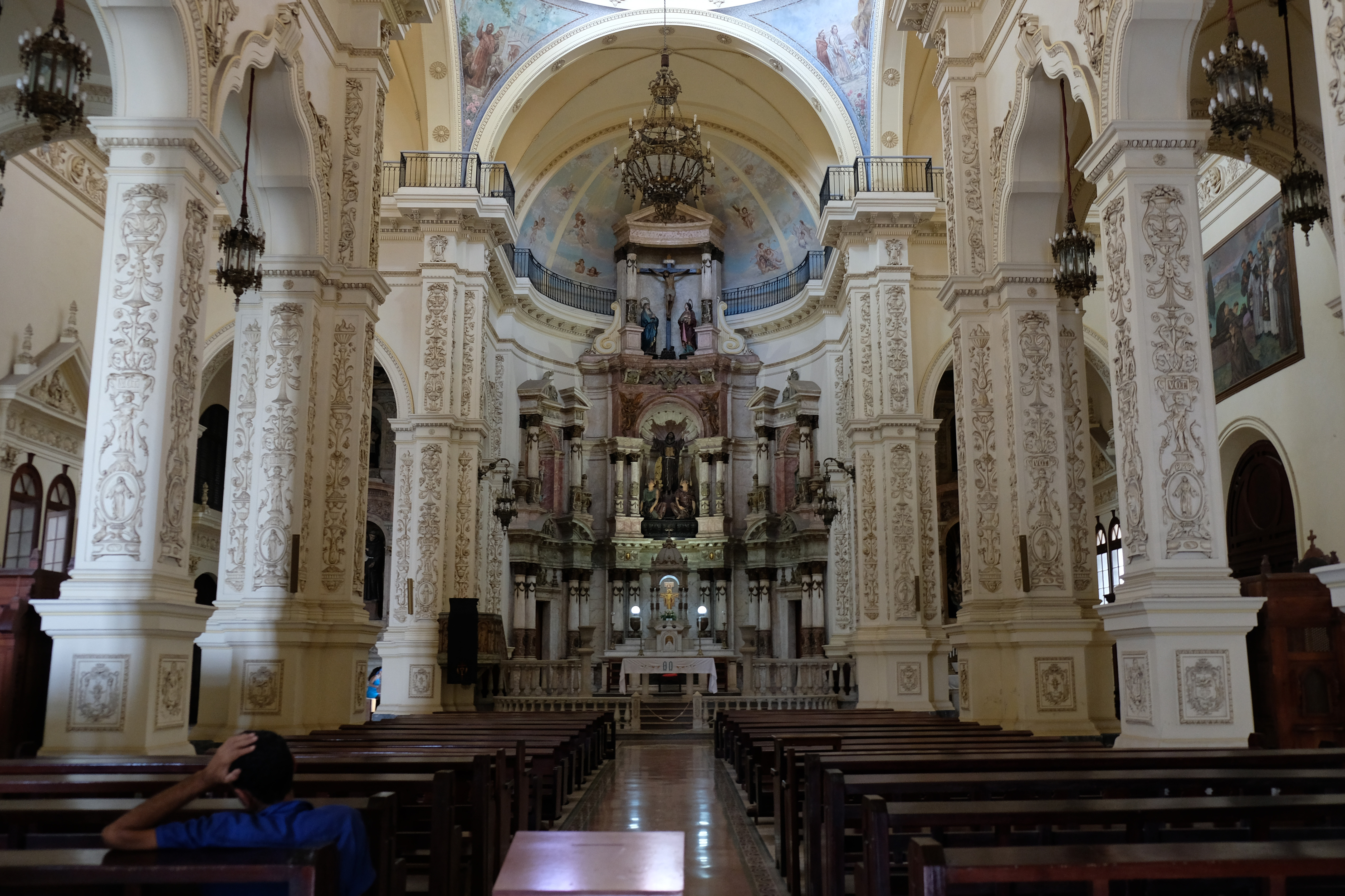
The Cathedral de la Habana. Construction was begun by Jesuits in 1748 and work continued despite their expulsion in 1767. When the building was finished in 1787, the diocese of Havana was created and the church became a cathedral – it is one of the oldest in the Americas. The remains of Christopher Columbus were brought here in 1795 and interred until 1898, when they were moved to Spain.
And for those interested, a little history of how Havana was born and developed.
Havana’s success and riches were founded on the strength and position of its harbor – the largest natural port in the Caribbean. The early settlement began with the first streets established down on the waterfront. However, it was with the discovery of a deep, navigable channel through the treacherous shallow waters between Cuba and the Bahamas that Havana really took off as a major city, becoming a bridge between Spain and the United States thanks to its strategic location on the newly established trade routes.
As the Spanish conquistadors plundered the treasures of the Americas, Havana became the meeting point for the Spanish fleet on its way back across the Atlantic. For several months of the year, ships returning from all over the Americas laden with precious cargoes would slowly gather at the port until a force strong enough to deter possible pirate attacks in the Caribbean had been assembled. An infrastructure of brothels, inns and gambling houses sprang up to cater for the seamen, and the port itself became a target for frequent attacks by buccaneers.
The nineteenth century was a period of growth, when some of the most beautiful buildings were constructed and the city enjoyed a new-found elegance. At the same time, crime and political corruption were reaching new heights, causing many of the new bourgeoisie to abandon the old city to the poor and to start colonizing west and south of Old Havana, creating the framework of the suburbs.
In 1902, after the Wars of Independence, North American influence and money flowed into the city, and the first half of the twentieth century saw tower blocks, hotels and glorious Art Deco palaces built as the tourist industry boomed. Gambling flourished, run by American gangsters like Meyer Lansky, who aimed to turn Havana into a Caribbean Las Vegas.
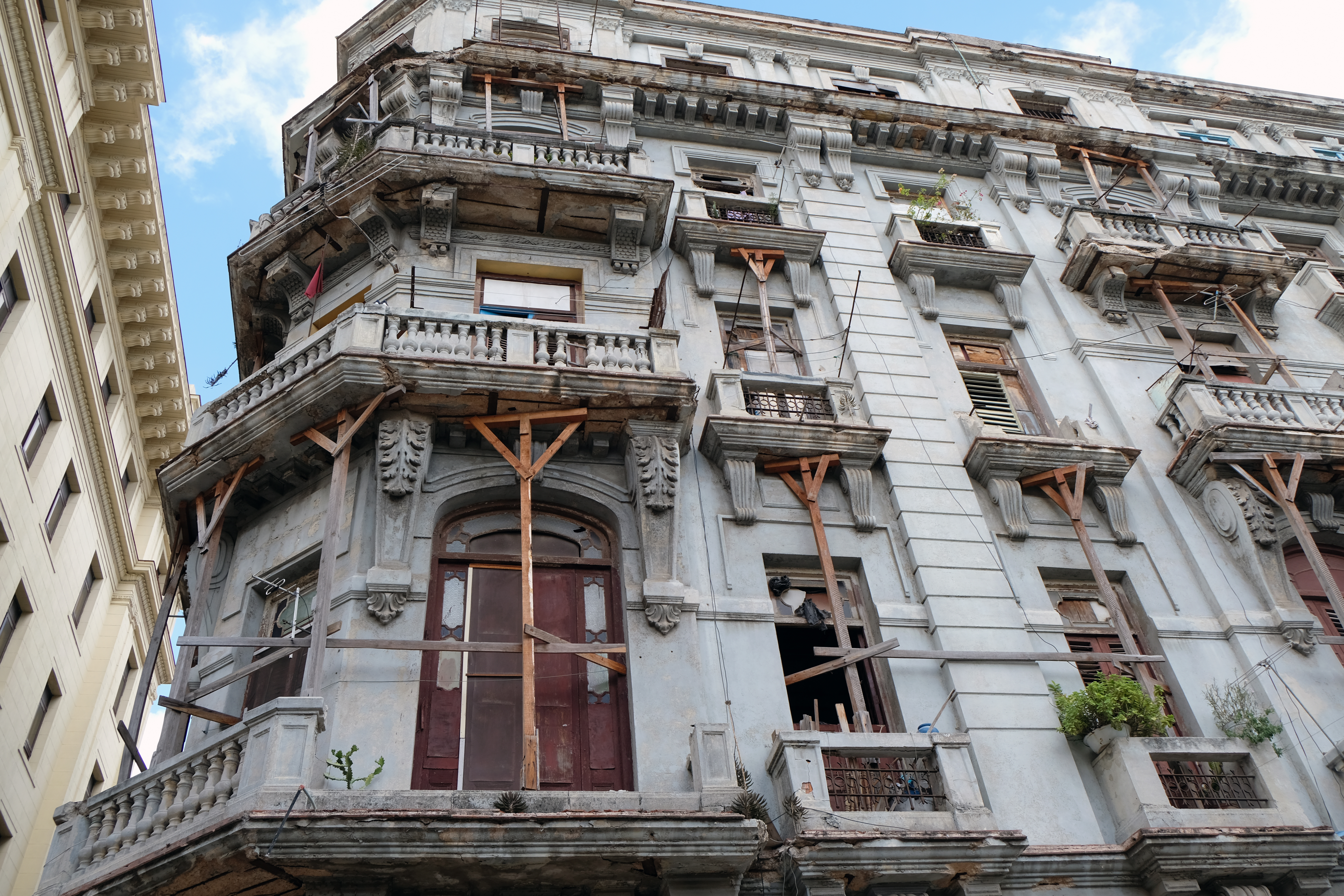
The Revolution put an abrupt end to all this decadence, and throughout the 1960s the new regime cleaned the streets of crime and prostitution, laying the basis for a socialist capital. Fine houses, abandoned by owners fleeing to the U.S., were left in the hands of servants, and previously exclusive neighborhoods changed face overnight. With the emphasis on improving conditions in the countryside, city development was haphazard and the post-Revolution years saw many fine buildings crumble while residential overcrowding increased, prompting Fidel Castro to take action. Happily, since the 1990s there have been steady improvements, with redevelopment work recapturing some of the former glory, especially in the worst-affected areas.
Leave a Reply